Uses of Gear Type Coupling
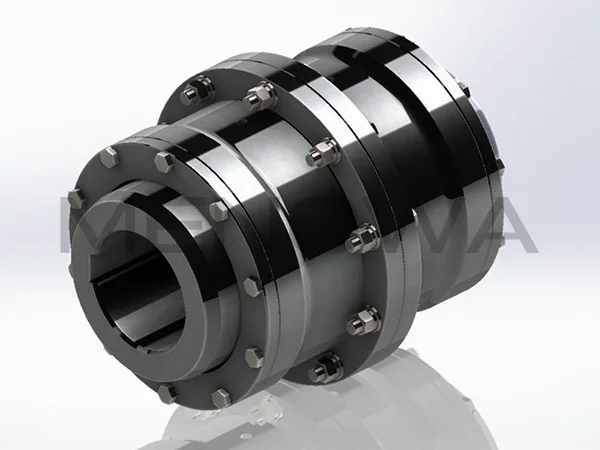
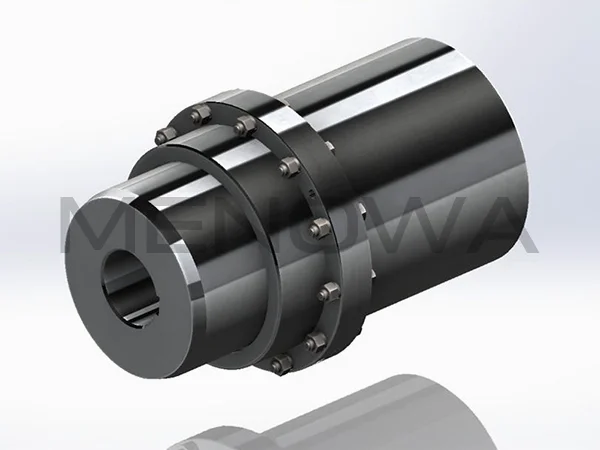
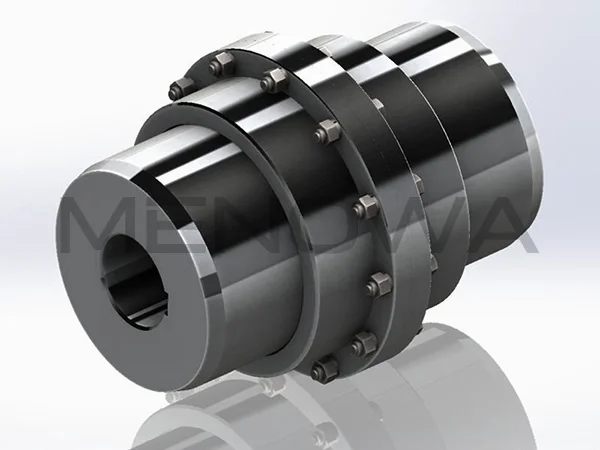
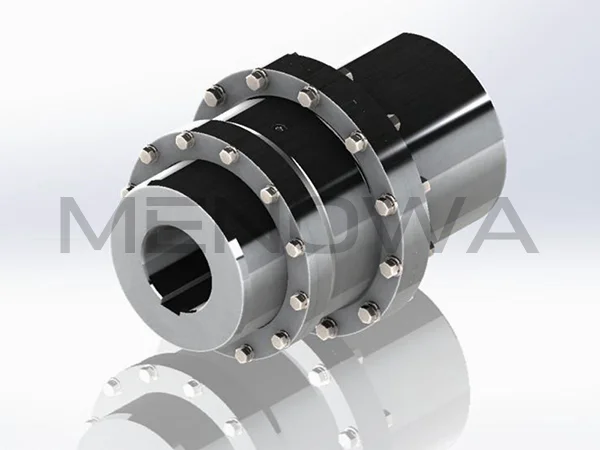
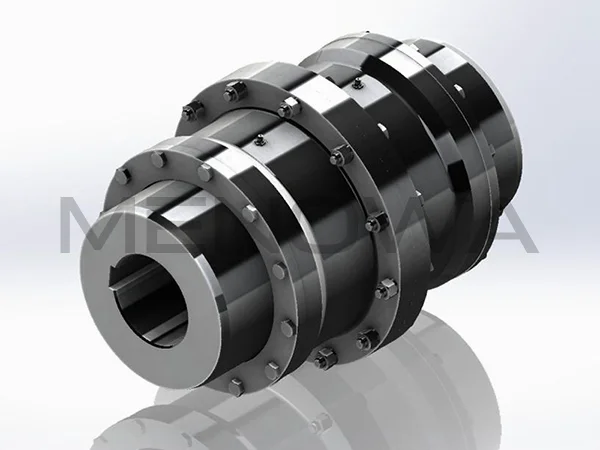
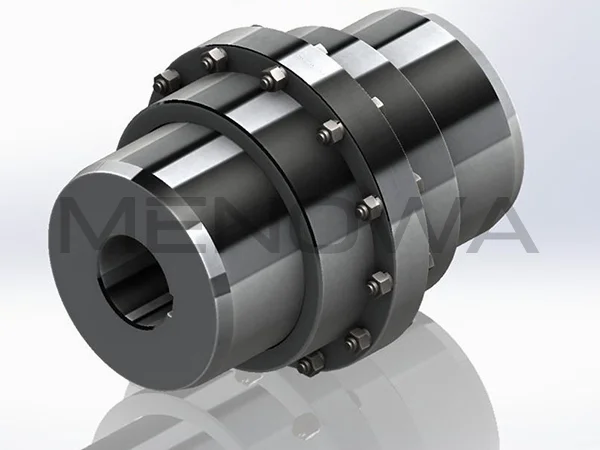
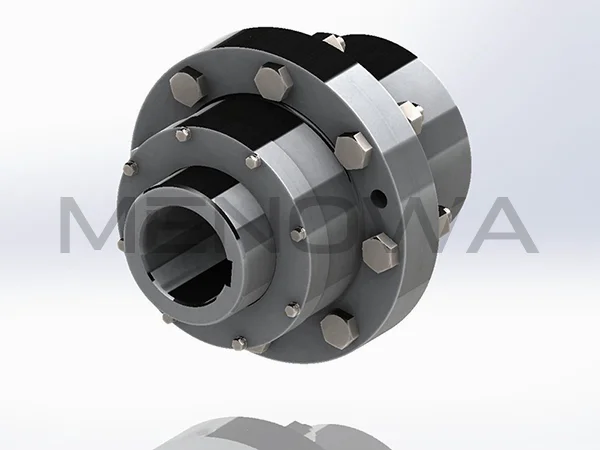
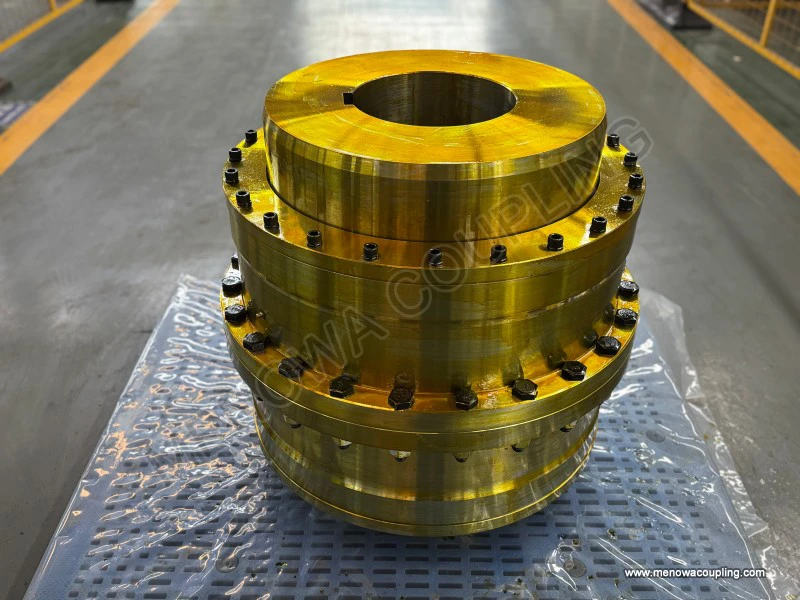
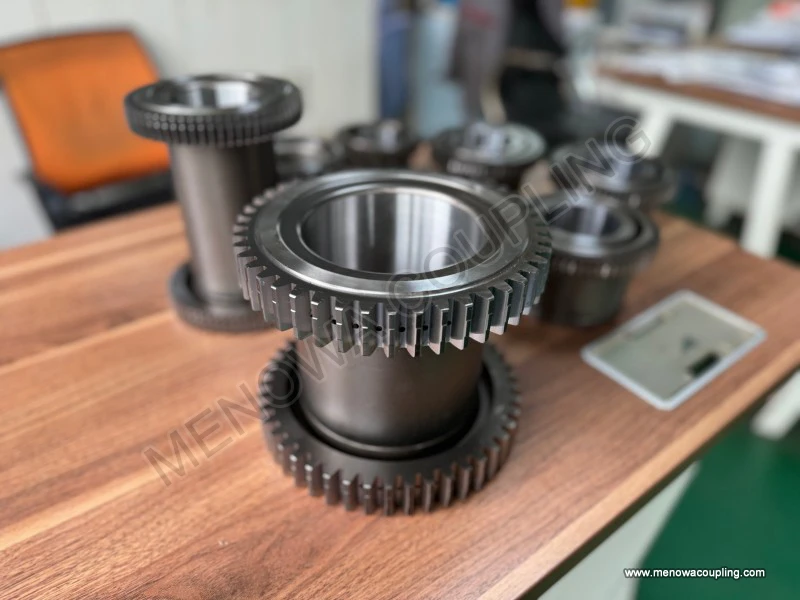
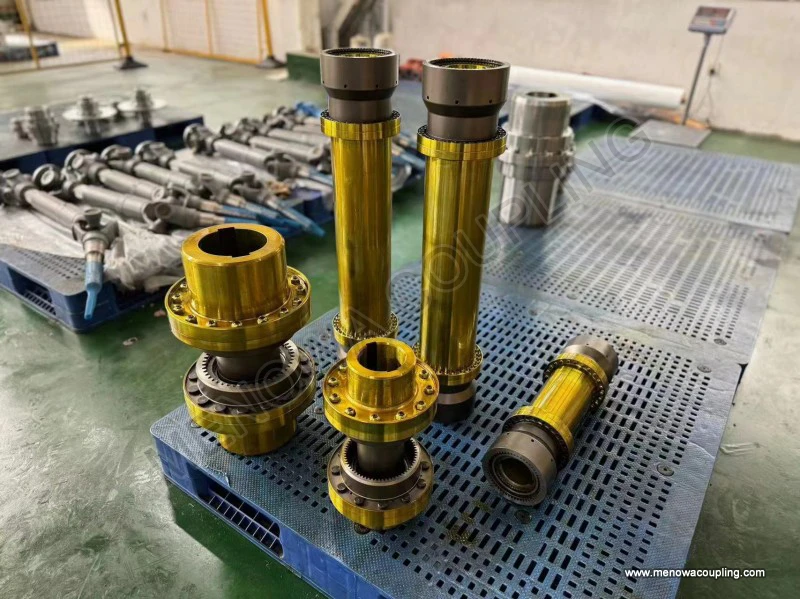
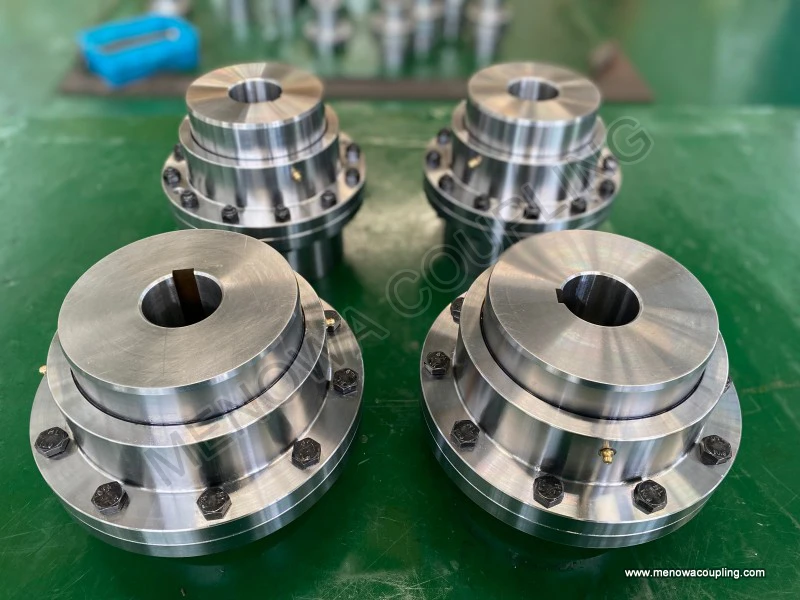
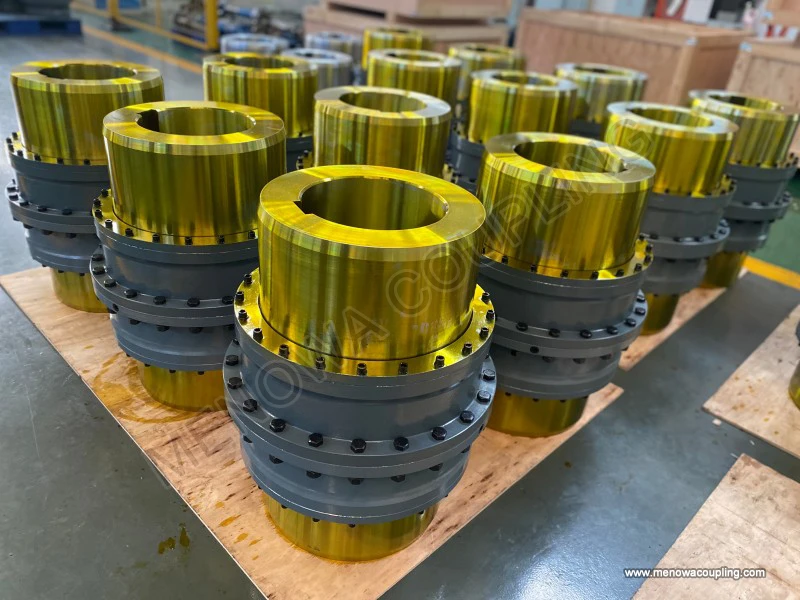
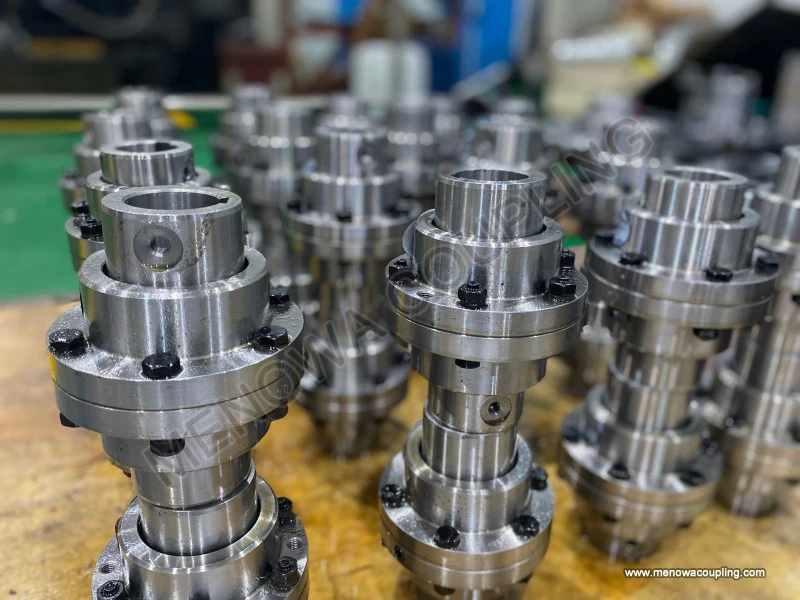
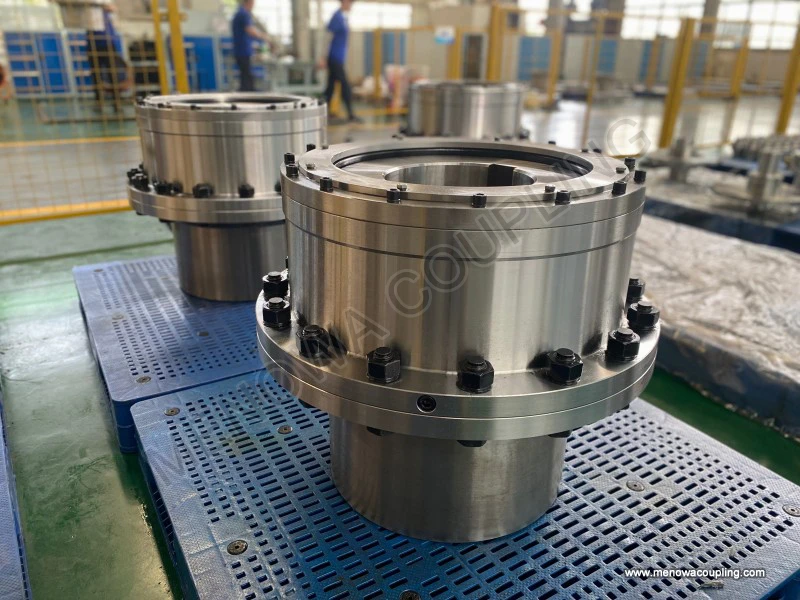
Gear type couplings stand as one of the most robust and versatile mechanical transmission components in modern industrial machinery, serving as a critical connecting element between rotating shafts in countless mechanical systems. Engineered with a unique structure of meshing internal and external gear pairs, these couplings are designed primarily to transmit torque and rotational motion while accommodating various forms of shaft misalignment that inevitably occur during equipment operation. Unlike rigid couplings that offer zero misalignment compensation and flexible couplings with limited load-bearing capacity, gear type couplings strike a perfect balance between structural rigidity, high load tolerance, and adaptive flexibility, making them indispensable in heavy-duty, high-speed, and long-term continuous operating mechanical scenarios. Their core structural advantages, including compact radial dimensions, high torque density, and excellent impact resistance, lay a solid foundation for their wide-ranging applications across almost all industrial manufacturing and mechanical transmission fields.
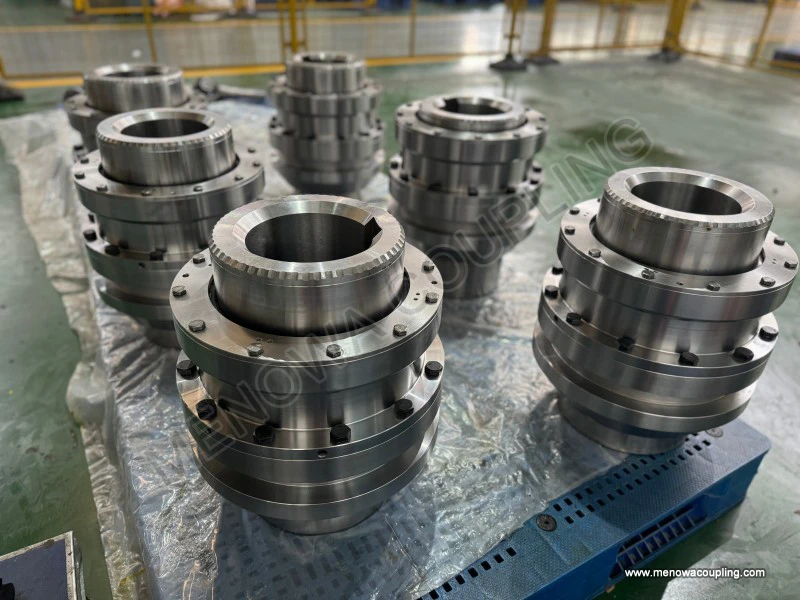
One of the most fundamental and widely recognized uses of gear type couplings is their application in heavy industrial manufacturing equipment, especially in the metallurgy and steel processing industry. Steel production and metal processing machinery typically operate under extreme working conditions characterized by heavy loads, frequent startup and shutdown cycles, thermal deformation, and continuous long-hour operation. In rolling mill systems, gear type couplings connect drive motors, reduction gearboxes, and rolling rolls, undertaking the transmission of ultra-high torque power required for metal rolling. During the rolling process, the extrusion force of metal materials causes slight structural deformation of equipment frames and shafts, while high-temperature working environments induce thermal expansion and contraction of shaft components, resulting in simultaneous angular, parallel, and axial misalignment between connected shafts. Gear type couplings adapt to these complex misalignment states through the flexible meshing of crowned gear teeth, effectively avoiding additional mechanical stress, vibration, and shaft wear caused by misalignment. Moreover, their outstanding torsional rigidity ensures stable torque transmission without power loss or rotational speed deviation, which is crucial for guaranteeing the precision and uniformity of metal plate and strip rolling. Beyond rolling mills, these couplings are also applied in metal shredders, forging equipment, and steel conveyor systems in metallurgical plants, providing reliable power transmission support for the entire metal processing workflow.
The mining and construction industry represents another major application field for gear type couplings, where mechanical equipment faces harsher and more complex operating environments than most industrial scenarios. Mining machinery such as stone crushers, grinding mills, bucket wheel excavators, and long-distance belt conveyors often works under heavy shock loads, severe vibration, and dusty, humid, and abrasive working conditions. Traditional coupling products are prone to tooth breakage, elastic element fatigue damage, and rapid wear under such harsh conditions, leading to frequent equipment failures and production downtime. Gear type couplings, however, adopt integral metal gear structures with high structural strength and wear resistance, enabling them to withstand instantaneous impact loads and cyclic alternating loads generated during ore crushing, grinding, and material transportation. For large-scale conveyor systems in mines and construction sites, long-distance material transportation causes subtle shaft displacement and position deviation due to equipment vibration and foundation settlement. Gear type couplings can effectively compensate for these cumulative misalignments, maintaining stable power transmission for conveyor drive systems and ensuring continuous and efficient material transportation. In addition, their good sealing performance when matched with standard lubrication structures can isolate external dust, sediment, and moisture, reducing internal gear tooth wear and extending service life in harsh mining environments.
In the power generation industry, gear type couplings play a vital role in ensuring the stable and safe operation of power transmission equipment, covering thermal power, hydropower, and new energy power generation systems. In thermal power plants, they are commonly used to connect steam turbines, gas turbines, and generator sets, forming the core power transmission link of power generation equipment. Turbine and generator units operate at extremely high rotational speeds with strict requirements for transmission stability and alignment accuracy. Slight shaft vibration or torque transmission instability may cause unit resonance, power generation efficiency reduction, or even mechanical failure. Gear type couplings rely on their high-precision gear meshing structure to achieve smooth and uniform torque transmission at high speeds, effectively suppressing high-speed operation vibration. Meanwhile, they can compensate for tiny axial and angular misalignment caused by unit thermal expansion during long-term high-temperature operation, avoiding rigid extrusion and fatigue damage of shaft components. In hydropower stations, these couplings are applied in water turbine drive systems and auxiliary power transmission equipment, adapting to the low-speed and high-torque operating characteristics of hydropower units. For wind power generation equipment, gear type couplings connect wind turbine main shafts and gearboxes, resisting random alternating loads and vibration generated by unstable wind power, ensuring the stable conversion of wind energy to mechanical energy and improving the operational reliability of wind power units.
Petroleum and chemical industrial systems also rely heavily on the reliable performance of gear type couplings, with extensive applications in various fluid transmission and chemical processing equipment. The production equipment in the petroleum and chemical industry, including oil field pumping units, centrifugal pumps, compressors, and chemical stirring reactors, mostly requires 24-hour continuous uninterrupted operation, and equipment shutdown will lead to huge production losses. These devices usually have strict requirements for transmission stability and sealing safety, and many working scenarios involve corrosive media and variable load operation. Gear type couplings feature compact structure and high operational stability, which can adapt to the continuous cyclic operation of fluid power equipment. In oil field exploitation equipment, they transmit power for underground pumping and surface transmission systems, withstanding variable loads generated by uneven oil and gas extraction. In chemical production lines, they connect motor and reactor stirring shafts, maintaining stable rotational speed and torque output to ensure uniform mixing and stable reaction of chemical materials. Additionally, the all-metal structure of gear type couplings avoids aging, corrosion, and deformation problems of elastic coupling materials in chemical corrosive environments, maintaining long-term stable working performance and reducing equipment maintenance frequency.
General industrial machinery and logistics transportation equipment constitute a broad civilian application market for gear type couplings, covering papermaking machinery, textile machinery, port handling equipment, and automated production lines. In papermaking production, paper machine rolls need to maintain extremely stable rotational speed and transmission accuracy to ensure the flatness and uniformity of paper products. Gear type couplings connect the drive motors and multiple sets of rolling shafts of paper machines, eliminating transmission errors caused by shaft misalignment and guaranteeing the precision operation of papermaking equipment. In port and logistics industries, container cranes, gantry cranes, and belt conveyor systems for port cargo transportation all use gear type couplings as power transmission components. These handling devices frequently start, brake, and bear variable cargo loads, and the excellent impact resistance and load adaptability of gear couplings can effectively cope with frequent load changes and instantaneous impact forces. In automated industrial production lines, gear type couplings are applied in transmission mechanisms of processing equipment, sorting equipment, and assembly lines, providing stable power transmission support for automated and efficient production.
Beyond the above-mentioned mainstream industrial fields, gear type couplings also have unique application value in marine engineering and large-scale mechanical transmission systems. Marine equipment such as ship power propulsion systems, deck machinery, and offshore engineering equipment operates in humid, salty, and highly corrosive marine environments, and bears complex loads caused by ship hull shaking and wave impact. Gear type couplings with enhanced structural stability and corrosion resistance can adapt to the unstable working conditions of marine equipment, compensating for shaft displacement caused by hull vibration and ensuring reliable transmission of ship power and mechanical power. In large-scale fan and water pump equipment used in urban infrastructure and environmental protection engineering, gear type couplings solve the problem of unstable power transmission caused by long-term vibration of high-power rotating equipment, reducing equipment operation noise and vibration, and improving the stability and service life of environmental protection and ventilation systems.
The widespread application of gear type couplings is fundamentally derived from their unique mechanical performance advantages that adapt to diverse industrial needs. Compared with other types of flexible couplings, they have higher torque transmission efficiency and power density, which can transmit greater torque with smaller structural dimensions, saving installation space for compact mechanical equipment. Their multi-directional misalignment compensation capability can simultaneously adapt to angular deviation, parallel offset, and axial displacement of shafts, solving various alignment problems easily generated during equipment installation and operation. The all-metal wear-resistant structure enables them to adapt to high-temperature, low-temperature, dusty, and corrosive harsh working environments, with strong environmental adaptability and long service life. Moreover, the simple and standardized structural design of gear type couplings facilitates daily maintenance and lubrication upkeep, reducing the overall operating cost of mechanical equipment.
With the continuous upgrading of modern industrial machinery towards high power, high precision, and high intelligence, the application scope of gear type couplings is still expanding. Traditional heavy industry continues to put forward higher requirements for coupling load resistance and stability, while emerging fields such as intelligent equipment and new energy machinery also begin to adopt optimized gear type coupling products to meet high-precision and high-stability transmission needs. As a mature and reliable mechanical transmission component, gear type couplings will always occupy an irreplaceable core position in industrial mechanical systems, providing solid and stable power transmission guarantees for the safe and efficient operation of various mechanical equipment in all walks of life.
Post Date: May 25, 2026
https://www.menowacoupling.com/china-coupling/uses-of-gear-type-coupling.html
Products
Tags
Supply
Related Articles
Gear Type Coupling Vendor In China
In the global mechanical transmission industry, gear type couplings play an indispensable role as key components that connect rotating shafts, transmit torque, and compensate for axial, radial, and angular displacements between shafts. As one of the world’s major manufacturing hubs, China has nurtured a large number of…Gear Type Coupling Production
Gear type couplings are essential mechanical components widely used in various industrial fields to connect two shafts and transmit torque while accommodating minor misalignments. The production of gear type couplings is a complex and precise process that requires strict control over every link, from material selection …Gap Chart of Curved Tooth Coupling
Global industrial transformation across manufacturing, energy exploitation, heavy engineering and marine equipment has steadily lifted market demand for curved tooth coupling in cross-continental industrial supply chains over recent years, with gap chart becoming an indispensable technical reference for product matching…Gear Type Coupling Price
Gear type couplings stand as one of the most versatile and widely adopted mechanical transmission components in modern industrial machinery, serving as a critical link between rotating shafts to ensure stable torque transfer while accommodating unavoidable shaft deviations during equipment operation. Unlike rigid coupli…Specification of Gear Type Coupling
Gear type coupling is a widely adopted rigid-flexible transmission component in mechanical power transmission systems, designed primarily to connect two rotating shafts for continuous torque transmission while absorbing and compensating for various shaft misalignments generated during equipment operation. Its core worki…Classification of Gear Type Coupling
Gear type couplings are essential mechanical transmission components widely applied in industrial mechanical systems, serving the core function of connecting two rotating shafts to transmit torque and rotational motion while compensating for various installation and operation deviations between shafts. Compared with oth…
 WeChat
 WhatsApp