Specification of Gear Type Coupling
Gear type coupling is a widely adopted rigid-flexible transmission component in mechanical power transmission systems, designed primarily to connect two rotating shafts for continuous torque transmission while absorbing and compensating for various shaft misalignments generated during equipment operation. Its core working principle relies on the meshing fit between internal gear sleeves and external gear hubs, where the tooth surface contact realizes stable power transfer, and the structural clearance of gear pairs provides flexible compensation capacity. Compared with other common coupling types, gear type coupling stands out for its compact structural layout, high torque transmission density, strong load adaptability and excellent dynamic stability, making it applicable to heavy-duty, high-speed and continuous operating mechanical scenarios in various industrial fields. The systematic specifications of gear type coupling cover structural composition, tooth profile design, material configuration, misalignment compensation performance, operating condition adaptability, transmission mechanical properties and maintenance characteristics, all of which determine its service performance and service life in practical engineering applications.
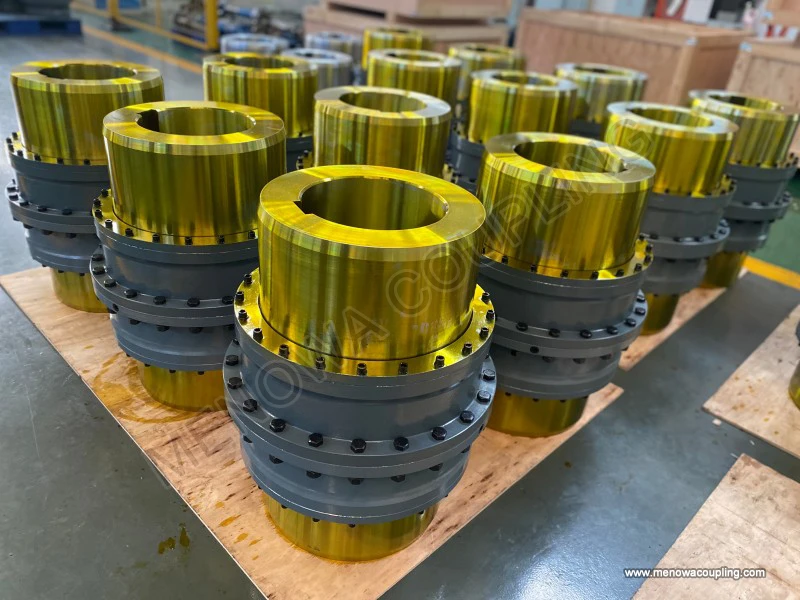
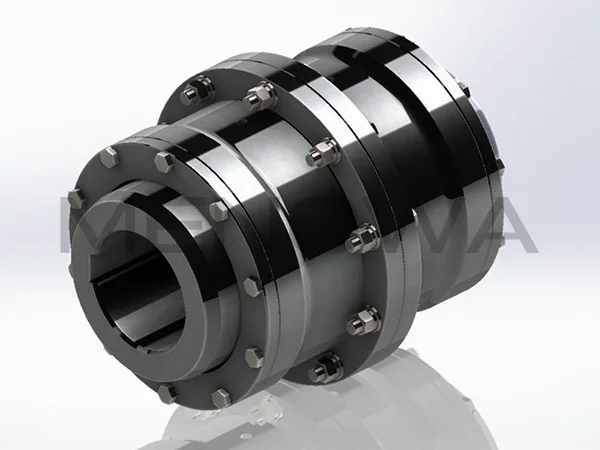
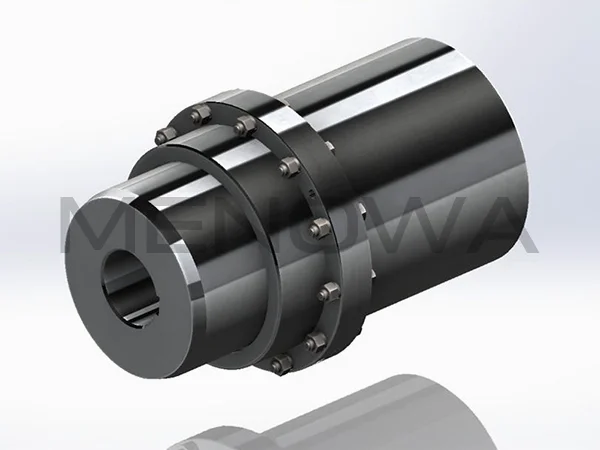
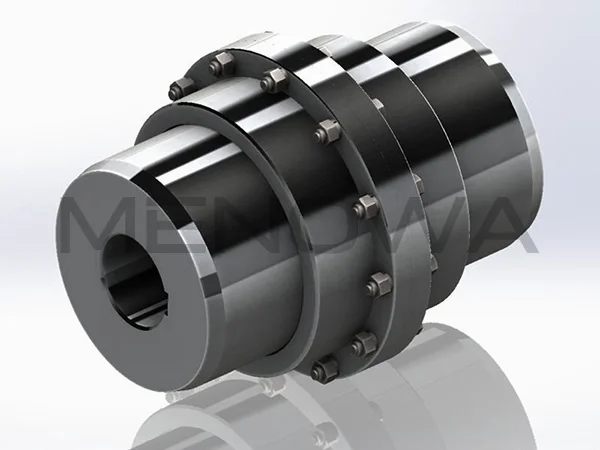
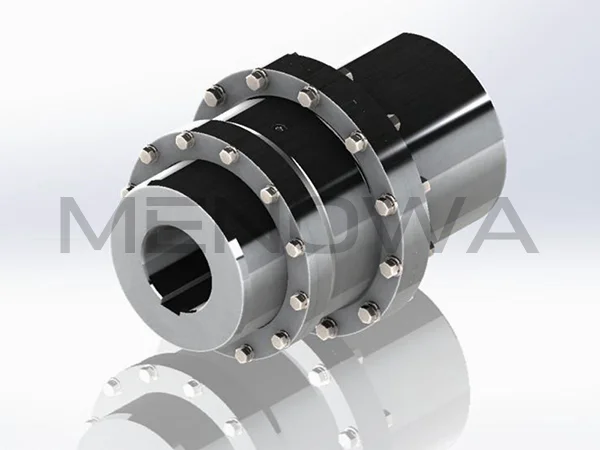
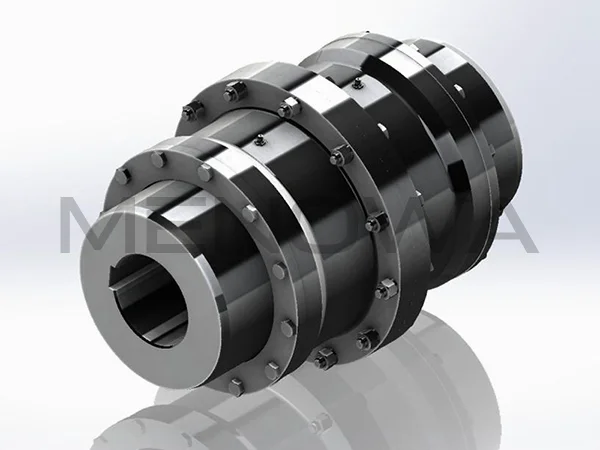
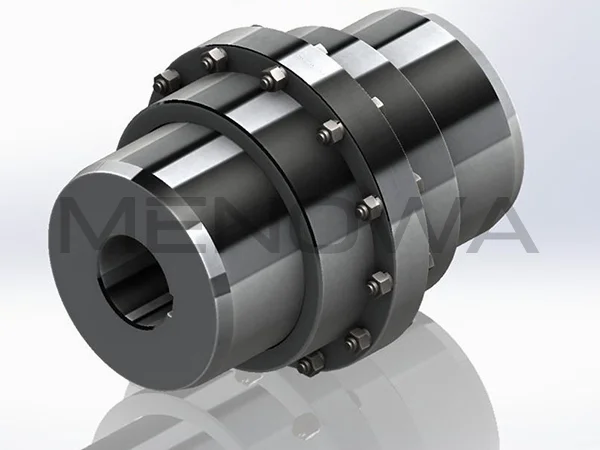
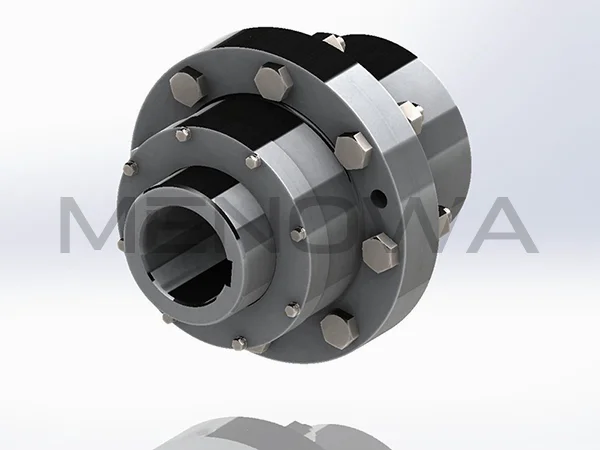
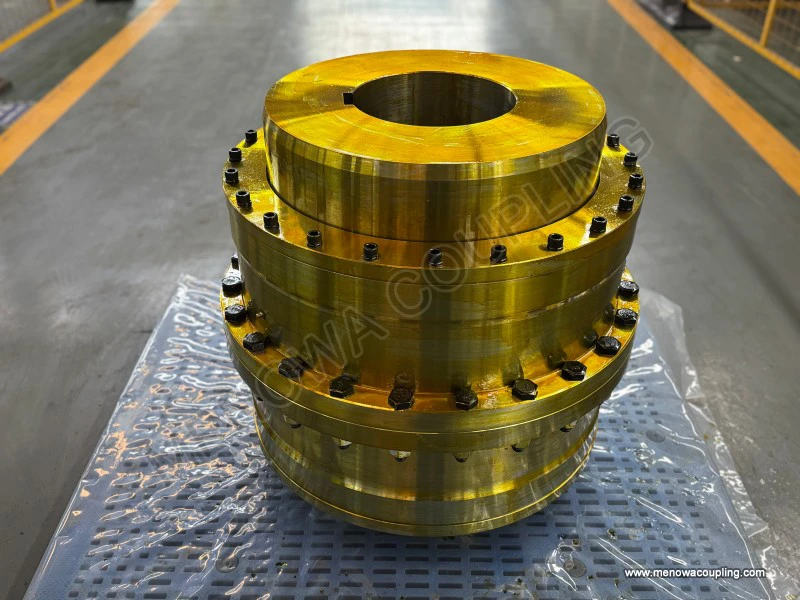
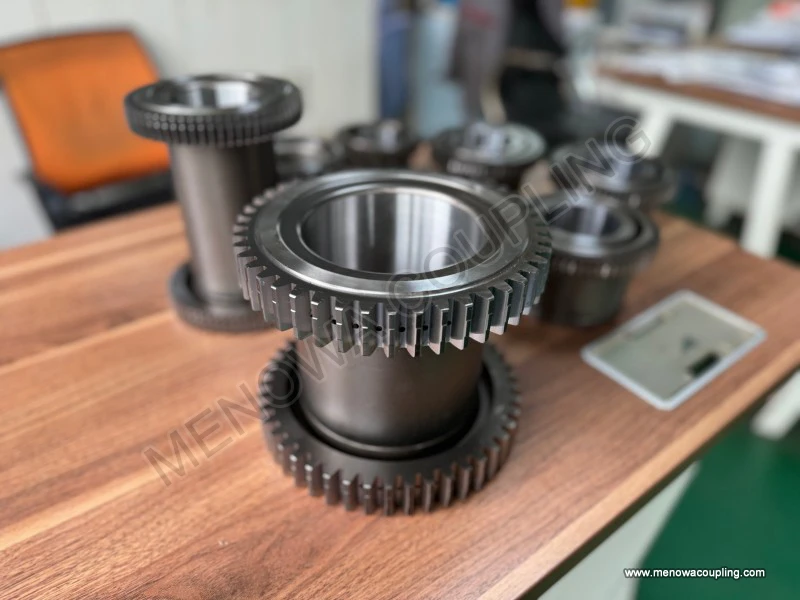
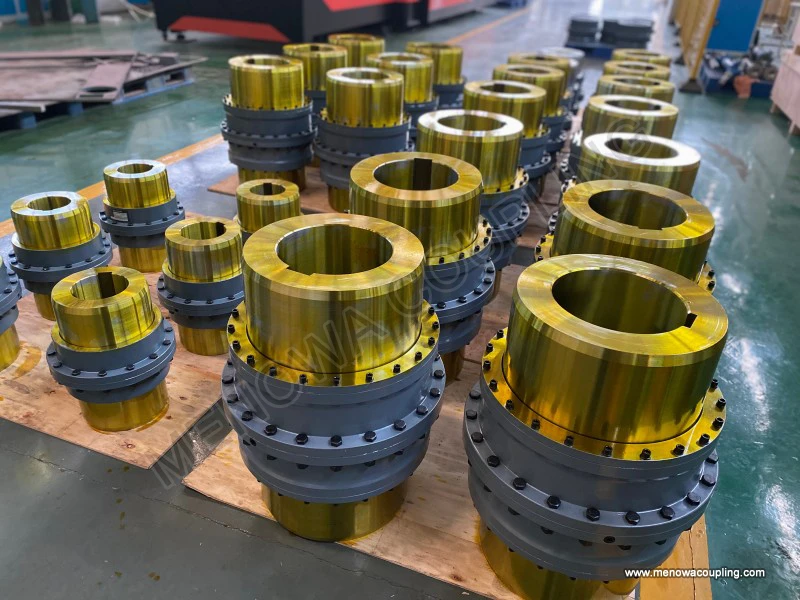
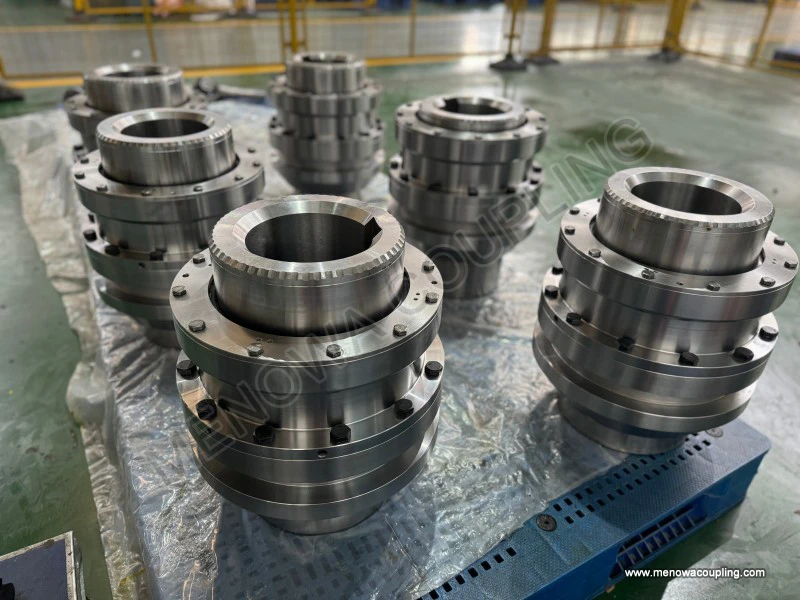
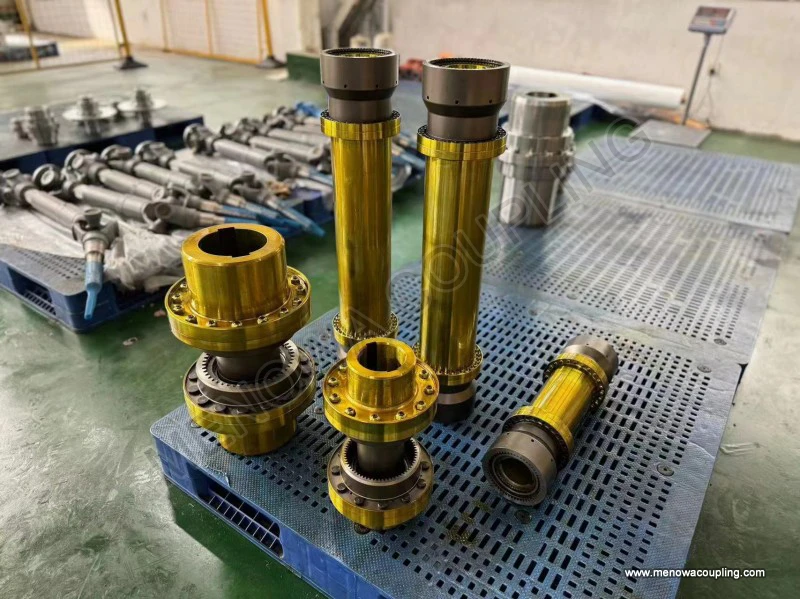
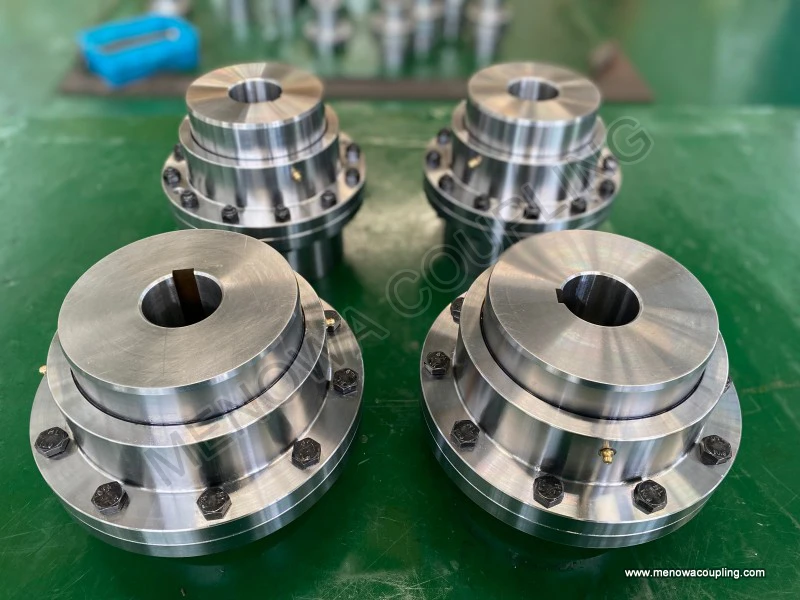
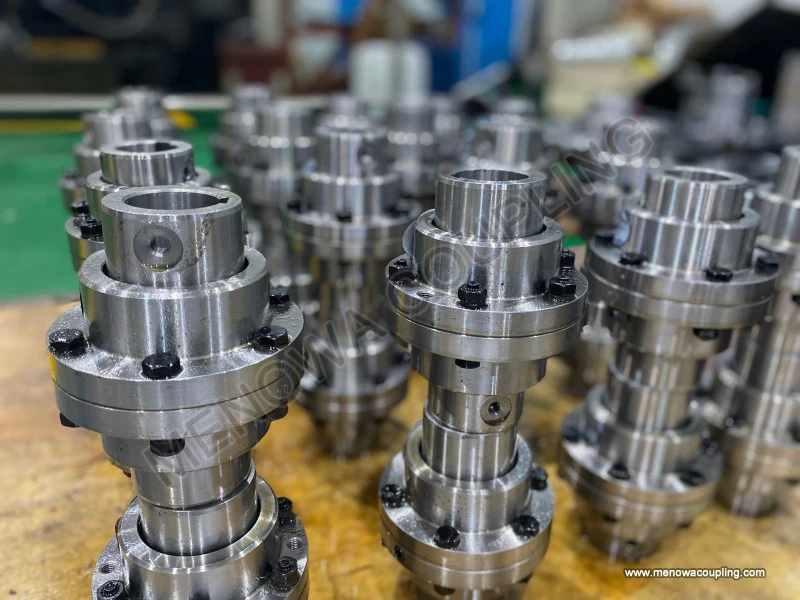
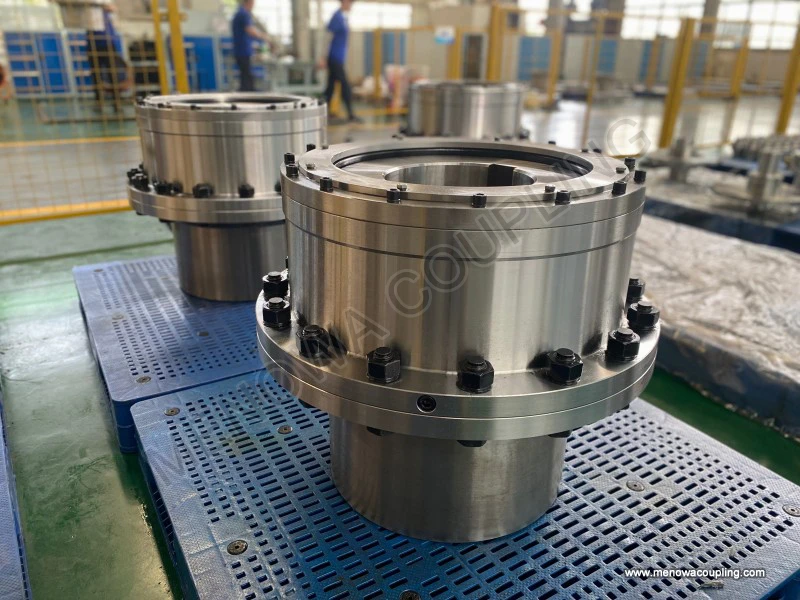
The basic structural specification of gear type coupling follows a mature modular design logic, with the core components consisting of two external gear hubs and one or two internal gear sleeves, supplemented by sealing assemblies and fasteners to form a complete transmission unit. The external gear hubs are fixed on the driving shaft and driven shaft respectively through shaft hole cooperation, with precisely machined external gear teeth on the outer circular surface. The internal gear sleeve is equipped with full-circle internal gear teeth that match the external gear parameters, and the two sets of gear teeth mesh mutually to form the power transmission pair. According to structural differences, gear type couplings are divided into full gear structure and half gear structure. The full gear configuration adopts double-sided gear meshing, with both ends of the coupling equipped with flexible gear meshing pairs, forming two flexible working planes, which endows the product with multi-directional misalignment compensation ability. The half gear structure uses a combination of flexible gear meshing and rigid flange connection, featuring a simpler structure and smaller overall volume, suitable for working conditions with minor shaft deviation and limited installation space. All structural components follow unified dimensional coordination rules, ensuring the concentricity and parallelism of the overall assembly, and avoiding transmission jitter or power loss caused by assembly errors.
Tooth profile specification is the core technical index that determines the working performance of gear type coupling, and the mainstream design adopts crowned tooth structure different from standard straight gear teeth. The external gear teeth are processed into a spherical crowned shape, with the spherical center located on the central axis of the shaft, and the tooth side clearance is reasonably enlarged compared with ordinary gear structures. This optimized tooth profile design fundamentally improves the contact state of gear pairs during operation. When relative displacement or angular deviation occurs between the two connected shafts, the crowned tooth surface can realize uniform contact without edge stress concentration, effectively reducing tooth surface wear and impact load. The tooth modulus, tooth height and tooth thickness are designed based on torque bearing capacity and transmission stability, maintaining accurate meshing clearance to ensure both efficient torque transmission and reserved space for misalignment compensation. The tooth surface finish is strictly controlled in the processing process, and smooth machining quality reduces friction resistance during relative sliding of gear teeth, lowers operating noise and heat generation, and improves the smoothness of high-speed operation. In addition, the tooth root structure adopts a rounded transition design to eliminate stress concentration at the tooth root, enhance the bending resistance of gear teeth, and prevent tooth root fracture and fatigue damage under long-term alternating load.
Material specification is the fundamental guarantee for the durability and load resistance of gear type coupling, and high-strength forged steel and alloy steel are the most commonly used base materials for industrial-grade products. This type of material has excellent comprehensive mechanical properties, including high tensile strength, good toughness and outstanding fatigue resistance, which can withstand long-term alternating torque, impact load and high-speed rotation without permanent deformation or structural damage. The gear teeth parts will undergo integral heat treatment such as quenching and tempering or surface hardening treatment after finishing machining. The overall quenching and tempering process improves the toughness and structural stability of the whole component, while surface hardening enhances the hardness and wear resistance of the tooth surface, reducing abrasive wear during meshing friction. The sealing parts matched with the coupling adopt high-elasticity and aging-resistant polymer materials, which can maintain stable sealing performance in variable temperature environments, effectively isolating external dust, moisture and corrosive substances, and preventing lubricant leakage and internal gear tooth contamination. Fasteners used for assembly are made of high-strength alloy materials to ensure clamping stability during long-term operation and avoid loose connection caused by mechanical vibration.
Misalignment compensation specification is the key functional feature of gear type coupling, enabling it to adapt to three common shaft misalignment states in mechanical operation: angular misalignment, parallel radial misalignment and axial displacement. In actual mechanical equipment, installation errors, equipment foundation settlement, component wear and thermal expansion and contraction will cause relative position deviation between the driving shaft and driven shaft. The flexible meshing structure of gear type coupling can effectively absorb these deviations. The optimized crowned tooth structure allows a certain range of angular deflection between the two shafts, eliminating additional bending stress on the shaft system caused by angular misalignment. The reserved meshing clearance of gear pairs can adapt to parallel radial offset of the shaft, and the axial sliding space between internal and external gear teeth can compensate for axial displacement generated by thermal expansion or equipment vibration. The compensation range is matched with the structural size and tooth profile parameters of the coupling, realizing balanced transmission while avoiding excessive displacement that causes abnormal wear of gear teeth. This multi-dimensional compensation performance protects the connected shaft, bearings and other core components, reduces equipment failure rate, and extends the overall service life of the transmission system.
Operating condition adaptation specifications define the applicable working range of gear type coupling, covering load characteristics, rotating speed, temperature environment and working medium conditions. In terms of load adaptation, the coupling is suitable for steady load, alternating load and intermittent impact load scenarios, with high torque transmission efficiency and strong overload resistance. Its compact structural design achieves high torque transmission capacity in a small volume, realizing high power density transmission, which is superior to many flexible couplings in heavy-load working conditions. In terms of rotating speed performance, the precision-machined gear pair and symmetrical structural layout ensure low dynamic unbalance, enabling stable operation at high rotating speeds without obvious vibration and noise. For environmental temperature adaptation, the metal main body can maintain stable mechanical properties in a wide temperature range, adapting to low-temperature cold environment and high-temperature operating environment generated by equipment heat generation. Meanwhile, the overall sealed structure can adapt to harsh working environments such as dust, humidity and slight corrosion, avoiding structural performance attenuation caused by environmental interference. This wide environmental adaptability makes gear type coupling applicable to industrial equipment in mining, metallurgy, chemical industry, electric power, transportation and other fields.
Transmission performance specifications include transmission efficiency, torsional stiffness and dynamic stability indicators. Gear type coupling relies on precise gear tooth meshing for power transmission, with extremely low power loss in the transmission process, and the efficient meshing state ensures high transmission efficiency under both rated load and partial load. Its torsional stiffness is relatively high, which can maintain accurate synchronous rotation of the two connected shafts, avoid torsional deformation and rotation angle difference in the transmission process, and meet the high-precision transmission requirements of most mechanical equipment. In terms of dynamic performance, the gear pair has small friction fluctuation during operation, uniform stress distribution on the tooth surface, no periodic impact and jitter, and stable operating vibration amplitude. Under high-speed and heavy-load conditions, the heat generated by friction is controllable, and the structural temperature rise is stable, which will not cause performance failure due to overheating. In addition, the coupling has low rotational inertia, which can reduce the starting and braking energy consumption of the equipment, and improve the dynamic response performance of the transmission system, suitable for frequent start-stop and variable-speed operating conditions.
Lubrication and maintenance specifications are important part of the overall specifications of gear type coupling, determining its long-term operating reliability and service cycle. The internal meshing area of the coupling needs to be filled with high-performance lubricating grease or lubricating oil before operation. The lubricant forms a uniform oil film on the gear tooth surface, which can reduce meshing friction and wear, buffer contact impact between gear teeth, and take away friction heat to achieve cooling effect. The sealed structural design can lock the internal lubricant for a long time, reduce lubricant volatilization and leakage, and extend the lubrication maintenance cycle. In daily operation, the coupling has no complex maintenance requirements, and only regular inspection of sealing integrity and lubricant state is needed. When the equipment runs for a long time, the aging or deteriorated lubricant can be replaced through the reserved lubrication hole, and the worn gear components can be replaced individually without integral disassembly of the transmission system, which reduces maintenance difficulty and equipment downtime. Reasonable maintenance specifications make the gear type coupling have lower comprehensive operating cost and higher operational stability in long-term industrial application.
In practical engineering selection and application, the specification matching of gear type coupling needs to comprehensively consider the equipment’s transmission torque, operating speed, shaft misalignment degree, installation space and working environment. Different structural sizes and parameter configurations correspond to different load levels and compensation capacities, realizing precise matching with various mechanical transmission systems. With the continuous optimization of mechanical processing technology, the structural design and performance parameters of gear type coupling are constantly upgraded, further improving its transmission efficiency, wear resistance and environmental adaptability. As a mature and reliable transmission component, its standardized and systematic specification system provides stable technical support for the safe and efficient operation of industrial mechanical equipment, and it has become an indispensable core component in heavy-duty power transmission systems.
Post Date: May 25, 2026
https://www.menowacoupling.com/china-coupling/specification-of-gear-type-coupling.html
Products
Tags
Supply
Related Articles
Maintenance of Curved Tooth Coupling
Curved tooth coupling, also widely known as crowned gear coupling, remains one of the most widely adopted positive-locking flexible transmission components across global heavy-duty industrial markets, thanks to its outstanding torque capacity, multi-directional misalignment compensation and stable torsional rigidity und…Gear Type Coupling Supplier
xIn the complex and interconnected system of modern industrial transmission machinery, gear type couplings stand out as one of the most indispensable core components, undertaking the critical task of torque transmission, shaft misalignment compensation, and mechanical operation stabilization for various heavy-duty and h…Structure of Gear Type Coupling
Gear type coupling is a widely used flexible mechanical transmission component designed to connect two rotating shafts in mechanical systems, realizing stable torque and rotational motion transmission while compensating for various shaft misalignments generated during equipment operation and installation. Its structural…Coaxiality of Gear Type Coupling
Gear type couplings serve as fundamental mechanical transmission components widely applied in industrial power transmission systems, primarily responsible for connecting two rotating shafts to transmit torque, rotational speed, and mechanical power between driving and driven equipment. Coaxiality, as a core geometric an…Material of Curved Tooth Coupling
Curved tooth couplings have emerged as one of the most reliable and versatile mechanical transmission components in the global industrial machinery sector, serving as a core connecting unit for shaft torque transmission in heavy-duty, high-speed, and misalignment-tolerant operating environments. The unique curved tooth …Characteristics of Curved Tooth Coupling
In the global industrial transmission equipment market, curved tooth couplings have emerged as a core universal transmission component, widely adopted in heavy-duty machinery, energy equipment, marine engineering, and mining industries across all regional markets. Differing from traditional straight tooth gear couplings…
 WeChat
 WhatsApp