Parts of Gear Type Coupling
Gear type coupling stands as one of the most reliable and high-performance flexible transmission components widely applied in heavy-duty industrial mechanical systems, serving the core purpose of connecting two rotating shafts to transmit torque and rotational motion while accommodating minor shaft misalignments and mitigating operational vibration and impact loads. Its superior load-bearing capacity, stable high-speed operation performance and long service life are entirely derived from the precise coordination and scientific structural design of each internal component. Every part of the gear type coupling undertakes unique mechanical functions, and the subtle structural differences and assembly relationships of these components directly determine the overall transmission efficiency, misalignment compensation capability and operational stability of the coupling. A comprehensive understanding of the composition, structural characteristics and working coordination of each part is essential for mastering the operating principle, daily maintenance and fault judgment of gear type couplings, and also provides a solid theoretical basis for reasonable type selection and application in different industrial scenarios.
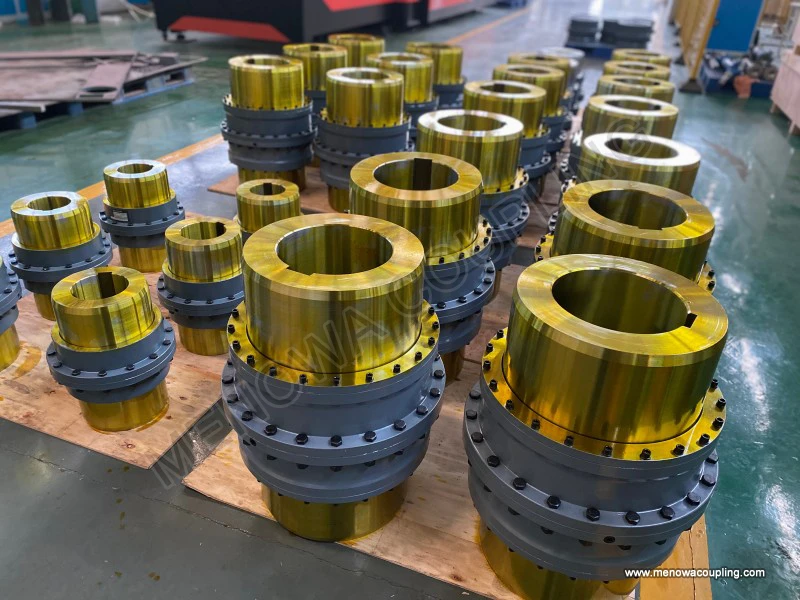
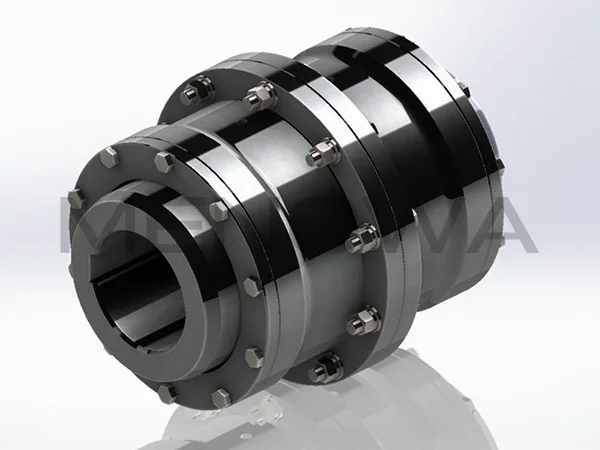
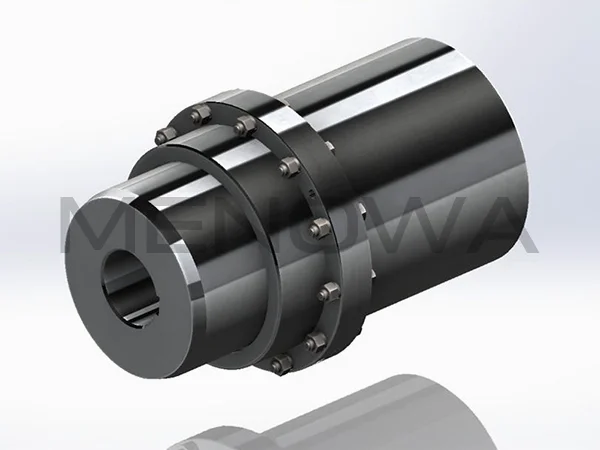
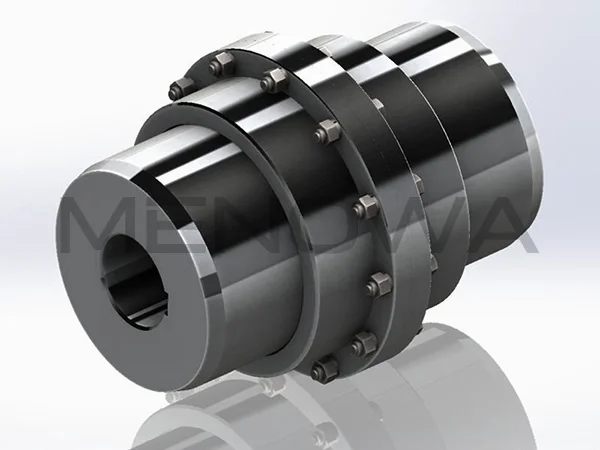
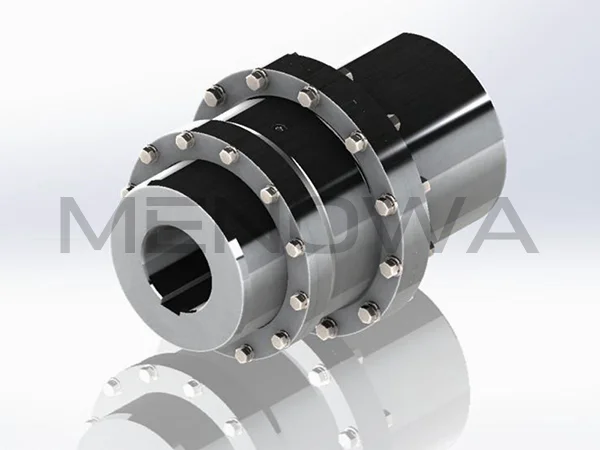
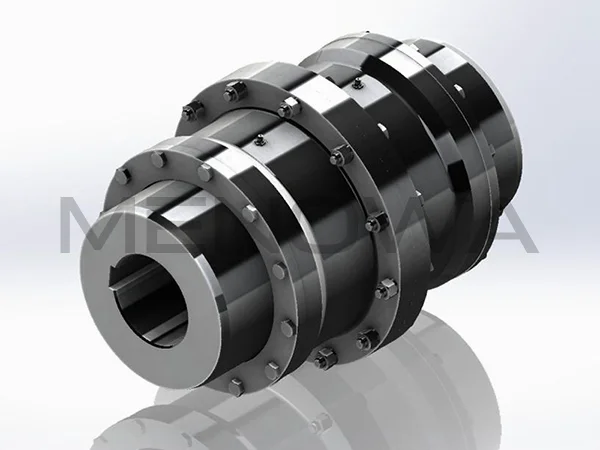
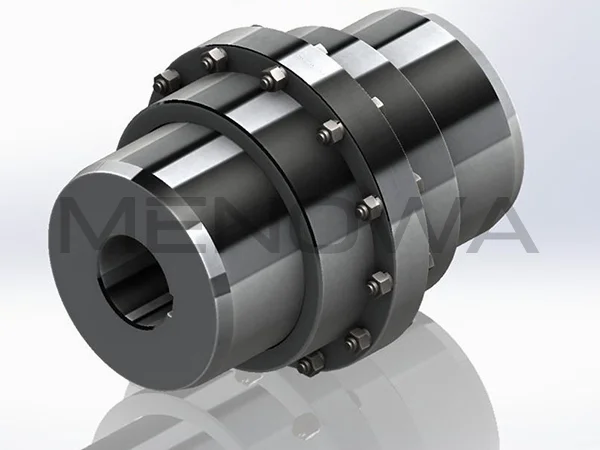
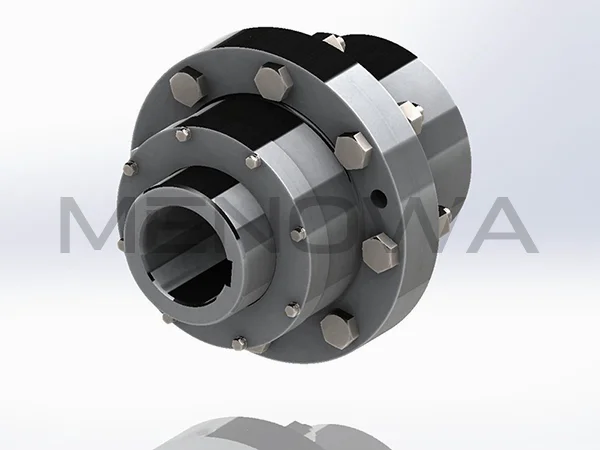
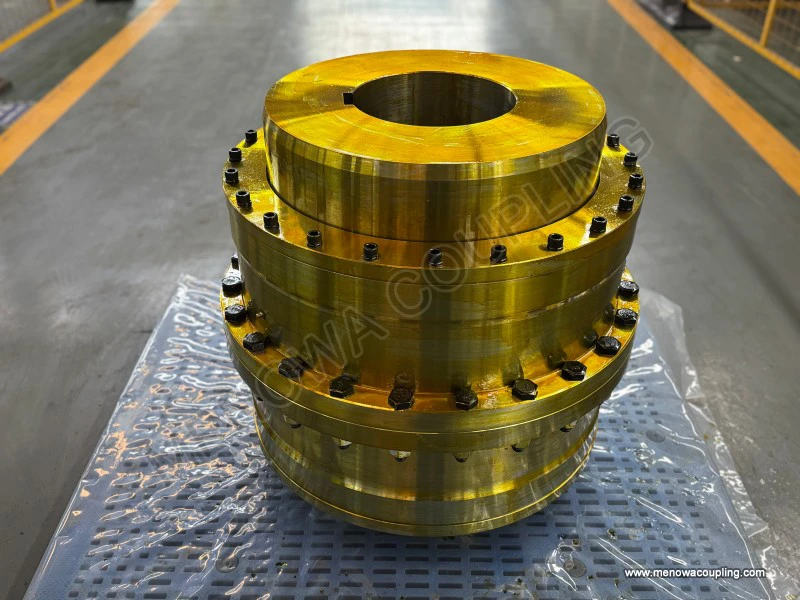
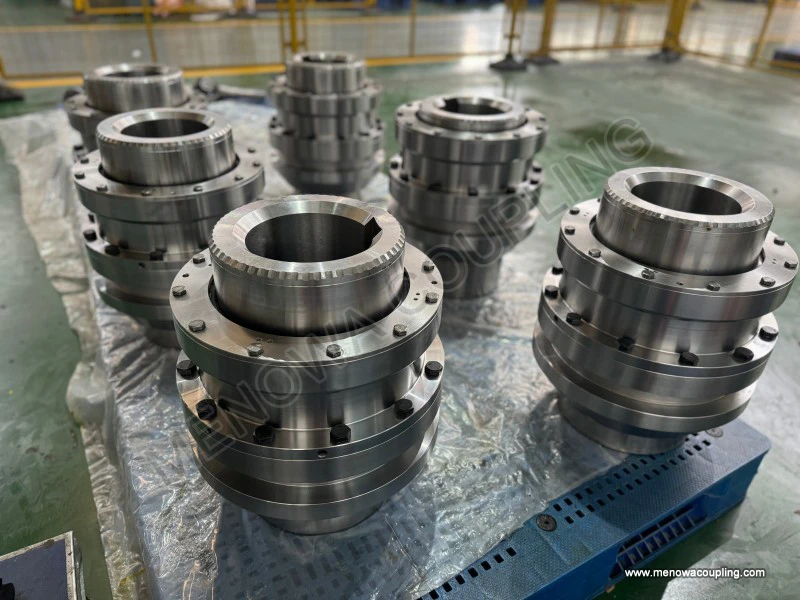
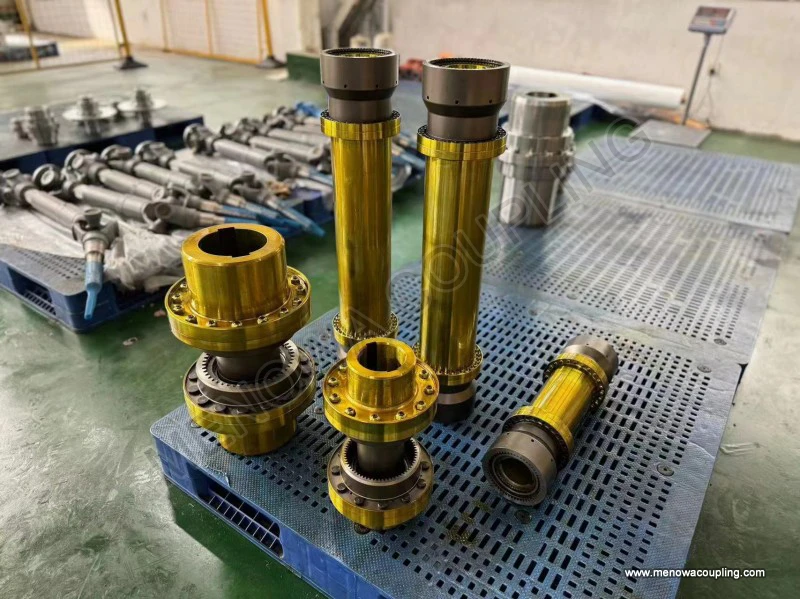
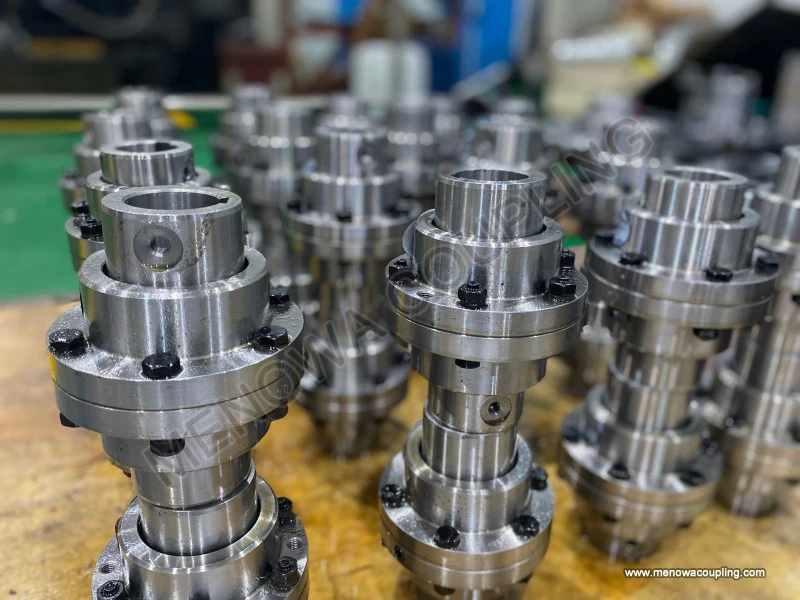
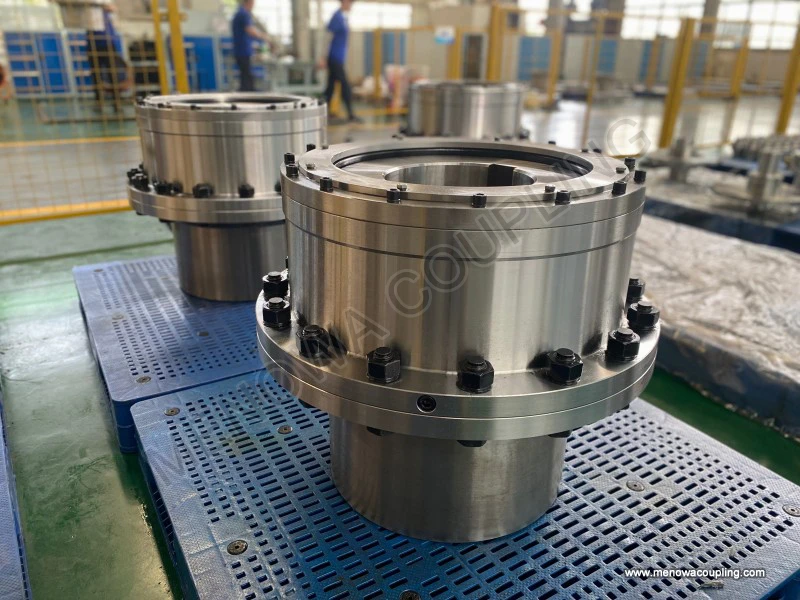
The overall structural composition of a standard gear type coupling is compact and rigorous, mainly including external gear hubs, internal gear sleeves, fastening bolt assemblies, sealing components and lubrication auxiliary parts. All components cooperate closely to form an integrated power transmission structure, abandoning the rigid connection mode of traditional couplings and realizing flexible transmission through the meshing gap and tooth surface deformation of gear pairs. Different from ordinary rigid couplings that cannot tolerate shaft misalignment, the structural design of gear type coupling parts endows it with excellent adaptability to axial, radial and angular misalignment generated during equipment operation, effectively avoiding additional mechanical stress, shaft vibration and component wear caused by shaft position deviation, thus protecting the entire transmission system and extending the service life of mechanical equipment.
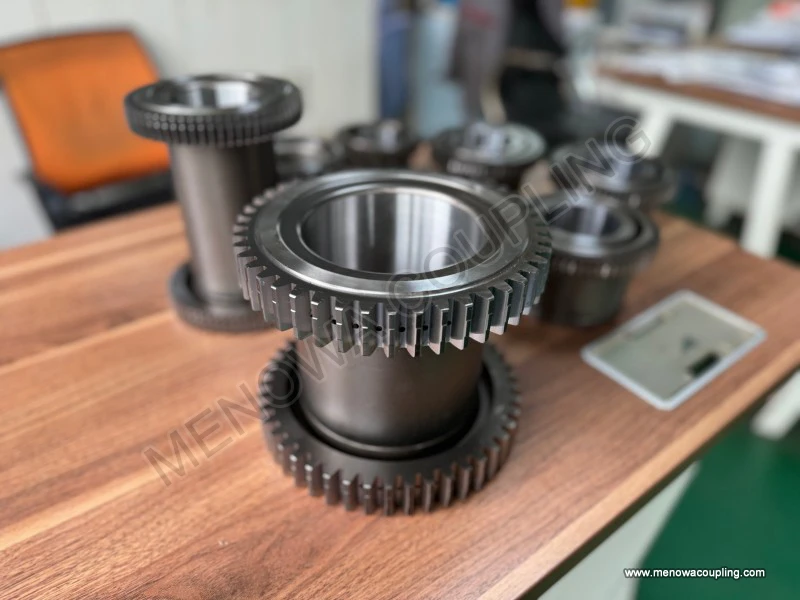
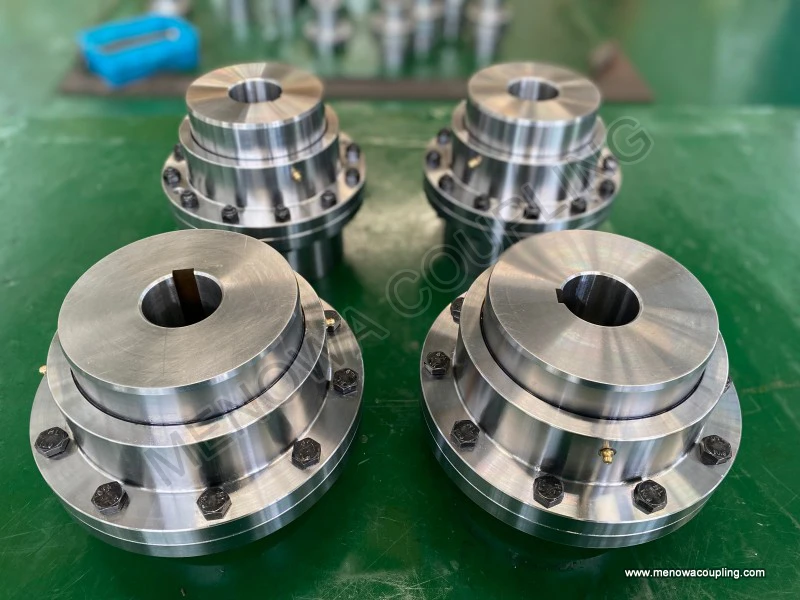
External gear hubs are the core force-bearing and connecting components of gear type couplings, and a complete coupling is equipped with two symmetrically arranged external gear hubs, which are respectively fixed on the driving shaft and driven shaft of the mechanical equipment. The overall structure of the external gear hub is divided into two parts: the shaft mounting section and the gear tooth working section. The shaft mounting section is designed with a precise central shaft hole, which adopts a transition fit or interference fit mode to cooperate with the equipment shaft, ensuring that the hub and the shaft maintain synchronous rotation without relative sliding during high-speed operation and torque transmission. To further enhance the connection stability, the shaft hole is usually matched with key grooves or flat positioning structures, which can effectively transmit torque and prevent circumferential displacement between the hub and the shaft under heavy load and impact working conditions.
The gear tooth working section of the external gear hub is the key part for power transmission, and its tooth shape design is the core of the coupling’s flexible performance. Most high-performance gear type couplings adopt crowned tooth structure for external gear teeth, different from ordinary straight gear teeth. The tooth surface of crowned external gears is processed into a gentle spherical curved surface, with the spherical center located on the central axis of the hub. This special structural design increases the gap between meshing gear teeth on the premise of ensuring meshing accuracy, and enables the gear pair to produce slight angular deflection and axial displacement during operation. When the connected two shafts have angular misalignment or parallel offset, the crowned teeth can always maintain uniform contact with the internal gear teeth, avoiding local stress concentration and unilateral tooth surface wear caused by misalignment. The number and modulus of external gear teeth are designed according to the torque transmission demand, and more gear teeth with reasonable modulus can disperse bearing pressure, improve the overall load-bearing capacity of the coupling, and ensure stable torque transmission under long-term heavy-load operation.
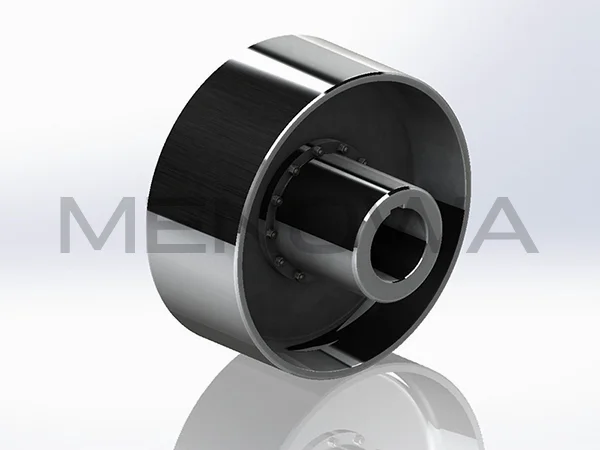
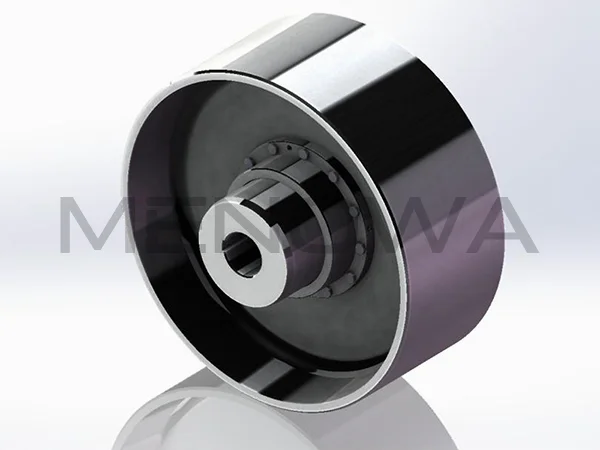
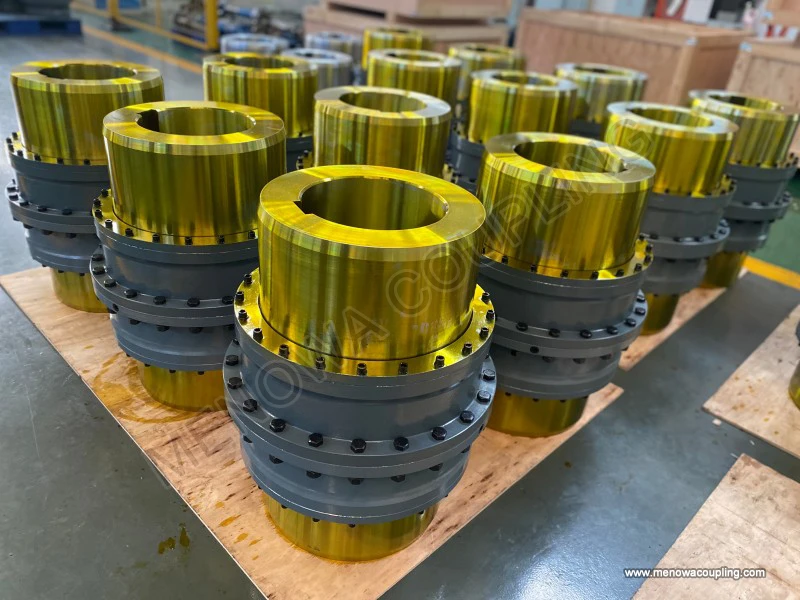
Internal gear sleeves, also known as coupling sleeves or gear rings, are the intermediate connecting components that bridge the two external gear hubs and realize synchronous rotation. A single gear type coupling is configured with one or two internal gear sleeves according to the structural form, and the internal wall of the sleeve is processed with complete internal gear teeth that match the external gear teeth of the hub in terms of tooth number, modulus and pressure angle. The external contour of the internal gear sleeve is mostly cylindrical or flanged cylindrical, with high overall structural rigidity, which can ensure that the relative position of internal gear teeth remains stable during high-speed rotation and avoid structural deformation affecting meshing accuracy. The core function of the internal gear sleeve is to connect the two separated external gear hubs into a whole, transmit the torque of the driving hub to the driven hub through the meshing of internal and external gear teeth, and realize the synchronous rotation of the two shafts.
The meshing fit relationship between internal gear sleeves and external gear hubs determines the misalignment compensation ability of the coupling. The reserved reasonable meshing gap between internal and external gear teeth allows the external gear hubs to produce tiny axial sliding, radial offset and angular deflection relative to the internal gear sleeve during operation. This flexible meshing state can well compensate the installation deviation of the equipment shaft and the position deviation generated by mechanical vibration, thermal expansion and contraction during long-term operation. Compared with straight tooth matching structure, the combination of crowned external teeth and straight internal teeth adopted by mainstream internal gear sleeves can maximize the compensation range of misalignment, while maintaining uniform tooth surface contact stress and reducing the abrasion degree of gear teeth. In addition, the integral forging and precision machining process of internal gear sleeves ensures high surface finish of gear teeth, reduces friction resistance during meshing operation, and effectively improves the transmission efficiency of the coupling.
Fastening bolt assemblies are indispensable auxiliary fastening components of gear type couplings, mainly used to lock and fix the split internal gear sleeves or connect the flanges of two half-coupling structures to ensure the overall structural tightness of the coupling. For the split sleeve type gear coupling, the internal gear sleeve is divided into two symmetrical half-ring structures, and the bolt assemblies penetrate the reserved bolt holes on the sleeve flange to tightly combine the two half-sleeves, so that the internal gear teeth can fully wrap and mesh with the external gear teeth of the hub. The bolts are usually made of high-strength alloy materials, with excellent tensile strength and shear resistance, which can withstand the centrifugal force and vibration impact generated by high-speed operation, preventing sleeve loosening, displacement or separation.
The assembly precision of bolt assemblies has a crucial impact on the operating state of the coupling. The tightening torque of each bolt needs to be kept uniform, which can avoid local stress concentration caused by inconsistent fastening force, prevent the sleeve from deformation and eccentric wear of gear teeth, and ensure the coaxiality of the two shafts during operation. In the long-term operation process, the bolt assembly can resist the alternating load and mechanical vibration of the transmission system, maintain the stable assembly state of all coupling components, and avoid transmission failure caused by structural loosening. At the same time, the standard bolt structure is convenient for daily disassembly, assembly and maintenance, reducing the maintenance difficulty of mechanical equipment.
Sealing components are key parts to ensure the long-term stable operation of gear type couplings, mainly including sealing rings, gaskets and end cover sealing parts, which are installed at the matching gaps between the two ends of the internal gear sleeve and the external gear hub. The internal meshing area of gear type couplings needs to be filled with lubricating grease or lubricating oil to reduce gear meshing friction and wear, and the core function of sealing components is to form a closed lubrication cavity inside the coupling to prevent the leakage of internal lubricants. Meanwhile, the sealing structure can effectively block external dust, metal debris, moisture and corrosive media from entering the gear meshing area, avoiding abrasive wear, gear tooth corrosion and lubricant deterioration caused by external impurities.
The structural design of sealing components needs to adapt to the flexible movement characteristics of gear couplings. Since there is relative tiny displacement between the internal gear sleeve and the external gear hub during operation, the sealing parts must have certain elasticity and wear resistance to ensure that the sealing performance is not damaged during repeated small-scale displacement. High-quality sealing components can maintain stable sealing effect under high-speed rotation, variable load and certain temperature change conditions, prolong the service life of internal lubricants, and reduce the frequency of equipment maintenance. Once the sealing components age, deform or fail, lubricant leakage and impurity invasion will occur, which will accelerate the wear of gear teeth, reduce transmission efficiency, and even cause gear tooth jamming and transmission failure in severe cases.
Lubrication auxiliary parts are supporting functional components that guarantee the optimal working state of gear type couplings, mainly including lubrication holes, grease injection nozzles and internal lubrication storage cavities. The lubrication holes are usually reserved on the outer wall of the internal gear sleeve, matching with the grease injection nozzles, which is convenient for regular quantitative injection of lubricants during equipment operation. The internal closed cavity formed by the cooperation of the sleeve, hub and sealing components can store a certain amount of lubricating medium, so that the meshing surfaces of internal and external gear teeth can be fully covered by lubricants during operation.
Lubrication auxiliary parts work together with sealing components to build a complete internal lubrication system of the coupling. The lubricant forms a uniform oil film on the gear meshing surface, which can convert dry friction between gear teeth into fluid friction, greatly reduce friction coefficient and wear loss, and improve the transmission efficiency and service life of the coupling. In addition, the flowing lubricant can take away the heat generated by gear meshing friction and tiny metal debris generated by wear, playing a role in heat dissipation and cleaning the working area. Reasonable lubrication structure design ensures that the gear coupling can maintain stable working performance under high-speed and heavy-load conditions, avoid overheating deformation of components and premature wear failure, and improve the overall operational reliability of the transmission system.
In addition to the above main components, some gear type couplings are also equipped with limit auxiliary structures such as positioning check rings and buffer gaskets according to the structural design. The positioning check rings are installed at the matching end of the hub and the sleeve, which can limit the excessive axial displacement of the external gear hub, ensure the meshing range of internal and external gear teeth is within the optimal design interval, and avoid meshing dislocation and tooth surface impact caused by excessive displacement. The buffer gaskets are arranged at the flange connection of the sleeve, which can absorb part of vibration and impact load during operation, reduce the rigid collision between components, and further improve the operation stability and mute effect of the coupling.
All parts of the gear type coupling form a mutually restrictive and cooperative organic whole. The external gear hubs undertake torque input and output, the internal gear sleeve realizes torque transmission and misalignment compensation, the fastening components ensure structural stability, the sealing and lubrication parts guarantee long-term reliable operation of the meshing pair, and the auxiliary structures optimize the overall operating performance. The structural parameters, machining precision and assembly quality of each part jointly determine the comprehensive performance of the gear coupling. In industrial application, the failure of gear type couplings is mostly caused by the damage or aging of individual parts, such as sealing failure leading to lubricant deterioration, bolt loosening leading to structural instability, and gear tooth wear leading to reduced transmission accuracy.
Understanding the structural characteristics and functional principles of each part of the gear type coupling is of great significance for equipment operation and maintenance. In daily use, targeted inspection and maintenance of key components can effectively reduce the failure rate of the coupling, extend its service life, and ensure the long-term stable and efficient operation of the entire mechanical transmission system. With the continuous upgrading of industrial manufacturing technology, the structural design of each part of gear type couplings is constantly optimized, towards higher precision, stronger load-bearing capacity, better compensation performance and longer service life, providing more reliable basic support for the stable operation of various heavy-duty mechanical equipment.
Post Date: May 25, 2026
https://www.menowacoupling.com/china-coupling/parts-of--gear-type-coupling.html
Products
Tags
Supply
Related Articles
Maintenance of Curved Tooth Coupling
Curved tooth coupling, also widely known as crowned gear coupling, remains one of the most widely adopted positive-locking flexible transmission components across global heavy-duty industrial markets, thanks to its outstanding torque capacity, multi-directional misalignment compensation and stable torsional rigidity und…Gear Type Coupling Supplier
xIn the complex and interconnected system of modern industrial transmission machinery, gear type couplings stand out as one of the most indispensable core components, undertaking the critical task of torque transmission, shaft misalignment compensation, and mechanical operation stabilization for various heavy-duty and h…Structure of Gear Type Coupling
Gear type coupling is a widely used flexible mechanical transmission component designed to connect two rotating shafts in mechanical systems, realizing stable torque and rotational motion transmission while compensating for various shaft misalignments generated during equipment operation and installation. Its structural…Coaxiality of Gear Type Coupling
Gear type couplings serve as fundamental mechanical transmission components widely applied in industrial power transmission systems, primarily responsible for connecting two rotating shafts to transmit torque, rotational speed, and mechanical power between driving and driven equipment. Coaxiality, as a core geometric an…Material of Curved Tooth Coupling
Curved tooth couplings have emerged as one of the most reliable and versatile mechanical transmission components in the global industrial machinery sector, serving as a core connecting unit for shaft torque transmission in heavy-duty, high-speed, and misalignment-tolerant operating environments. The unique curved tooth …Characteristics of Curved Tooth Coupling
In the global industrial transmission equipment market, curved tooth couplings have emerged as a core universal transmission component, widely adopted in heavy-duty machinery, energy equipment, marine engineering, and mining industries across all regional markets. Differing from traditional straight tooth gear couplings…
 WeChat
 WhatsApp