Dimensions of Curved Tooth Coupling
Global industrial development across diversified manufacturing sectors continues to push steady market expansion for curved tooth couplings, whose unique curved crowned tooth geometry distinguishes them from conventional straight-tooth gear couplings and enables outstanding comprehensive mechanical performance to match complex transmission demands worldwide. From mature industrial economies in Europe and North America to fast-growing emerging manufacturing markets across Southeast Asia, Latin America, Middle East and Africa, market demands for standard and dimension-customized curved tooth couplings maintain stable year-on-year growth, driven by continuous capacity expansion of heavy industry, energy equipment, mineral exploitation facilities and large-scale process production lines. The core competitiveness of curved tooth couplings in global trade largely originates from rational dimension parameter design, standardized size grading and targeted dimensional adjustment for differentiated working conditions, making dimensional specification research and scientific model selection the core premise for global buyers to confirm procurement specifications and ensure long-term stable equipment operation. In the international machinery component supply chain, dimensional parameters directly decide mounting compatibility with host equipment shafts, torque load bearing limit, allowable misalignment compensation range and maximum allowable rotating speed, which further determines product matching rate across cross-regional equipment standards without relying on regional certification restrictions, thus supporting smooth cross-border circulation of curved tooth coupling products in global industrial markets.
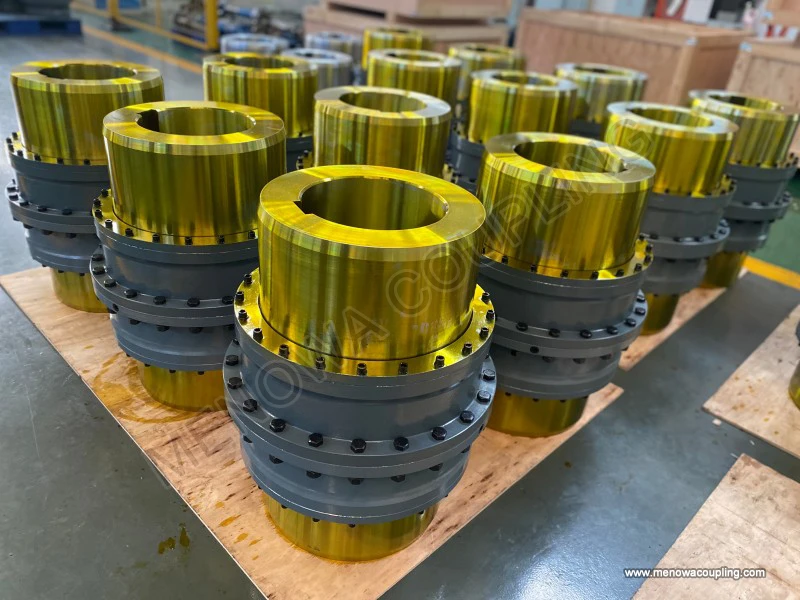
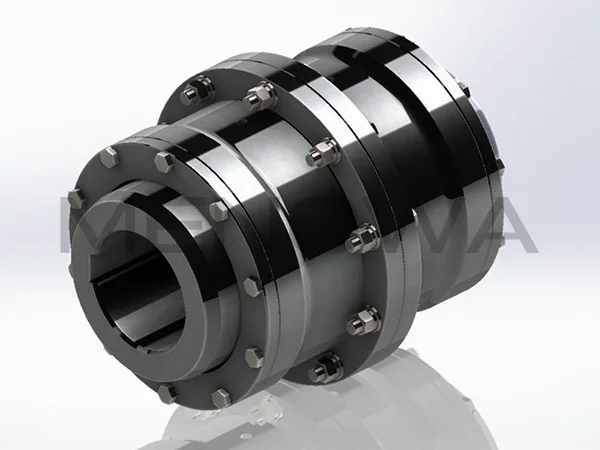
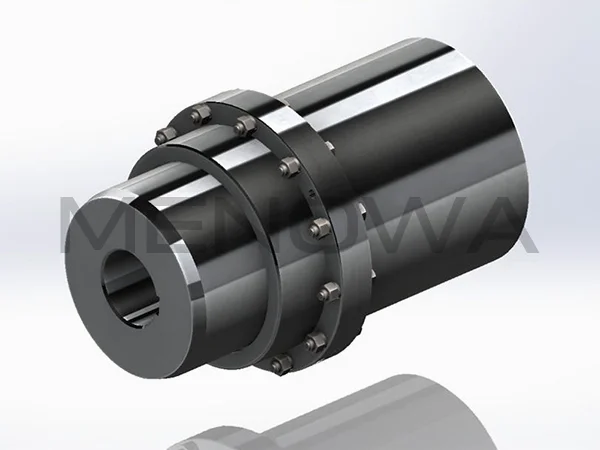
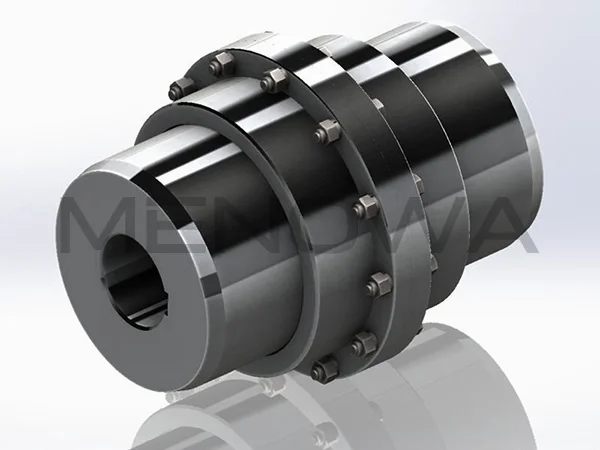
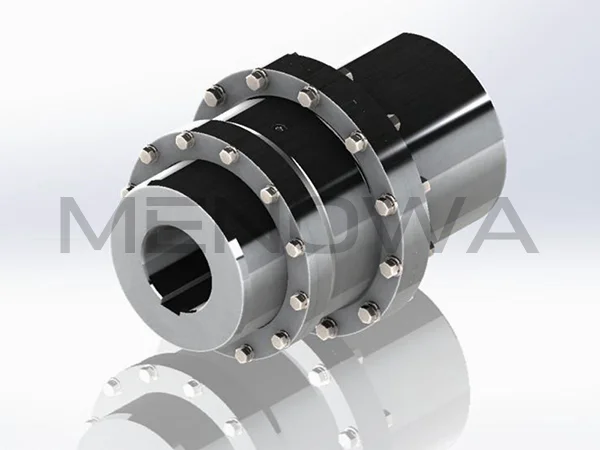
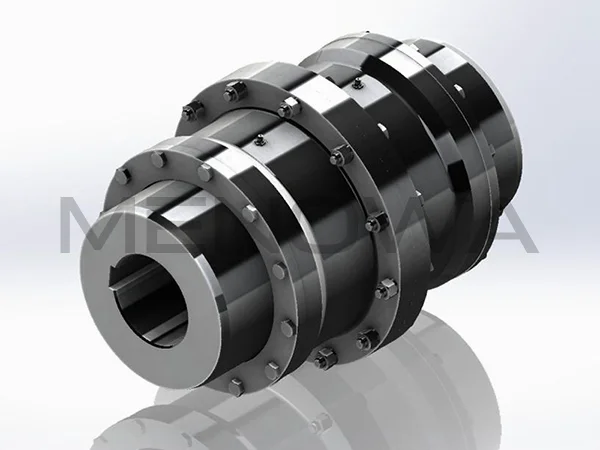
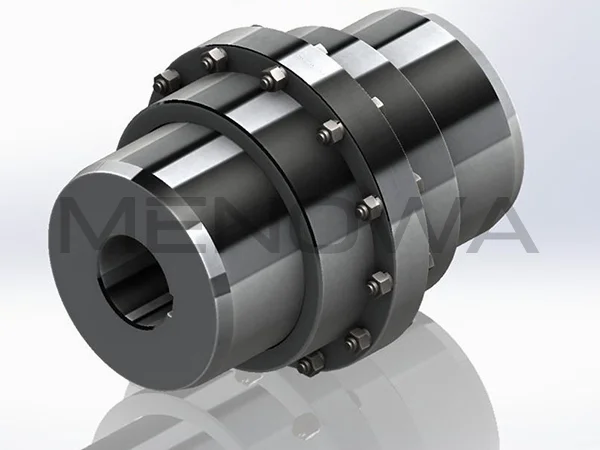
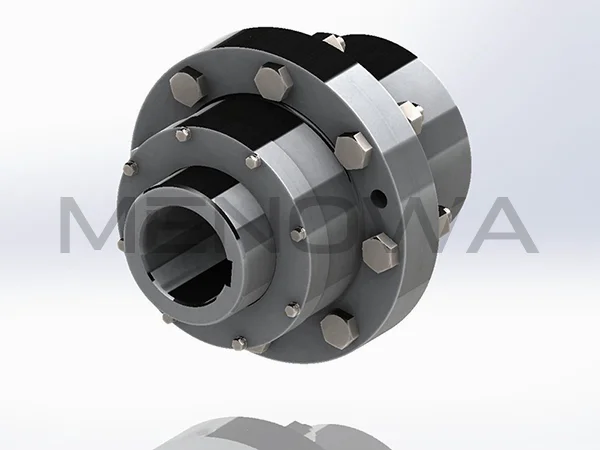
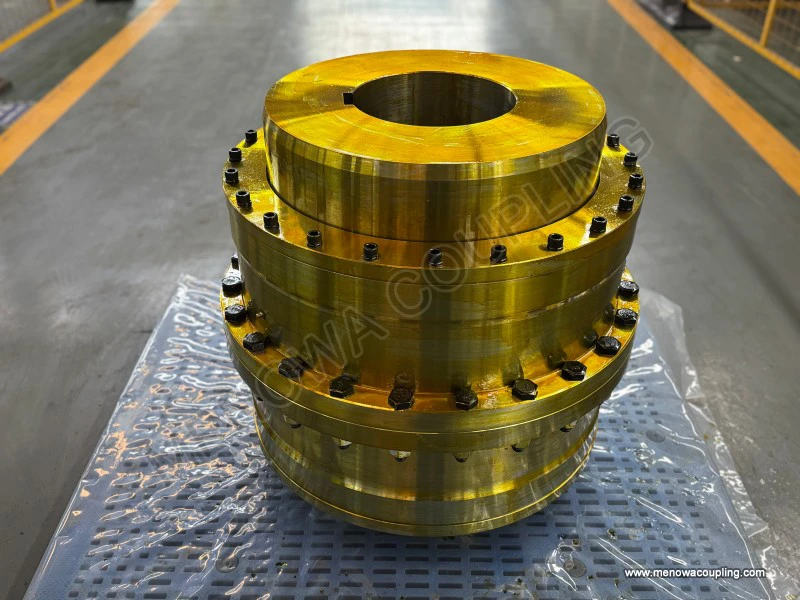
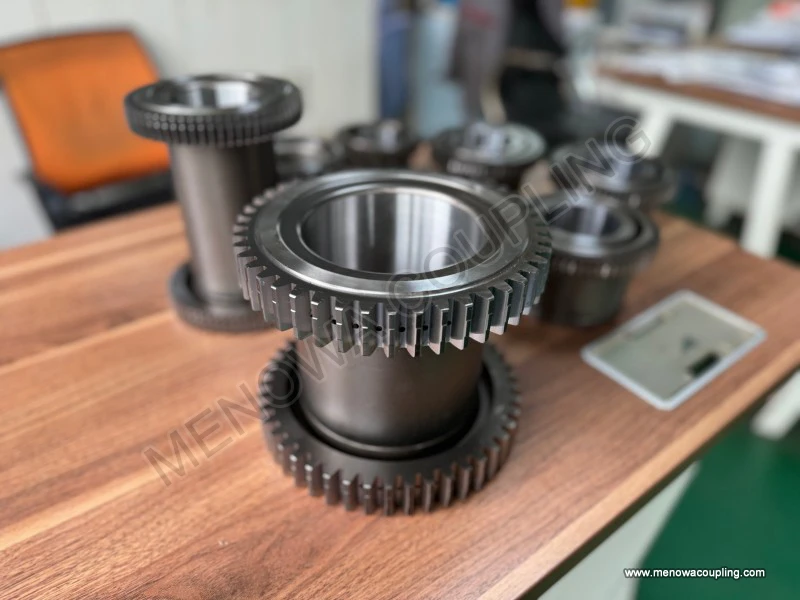
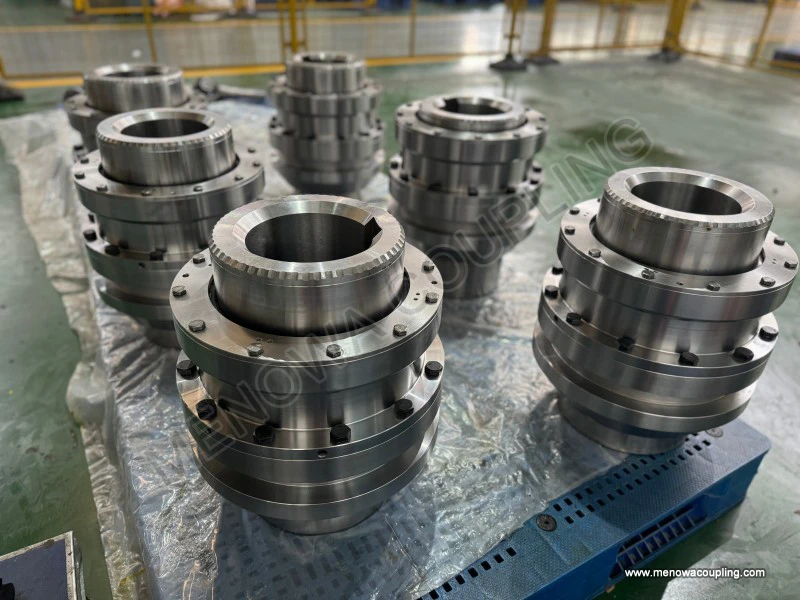
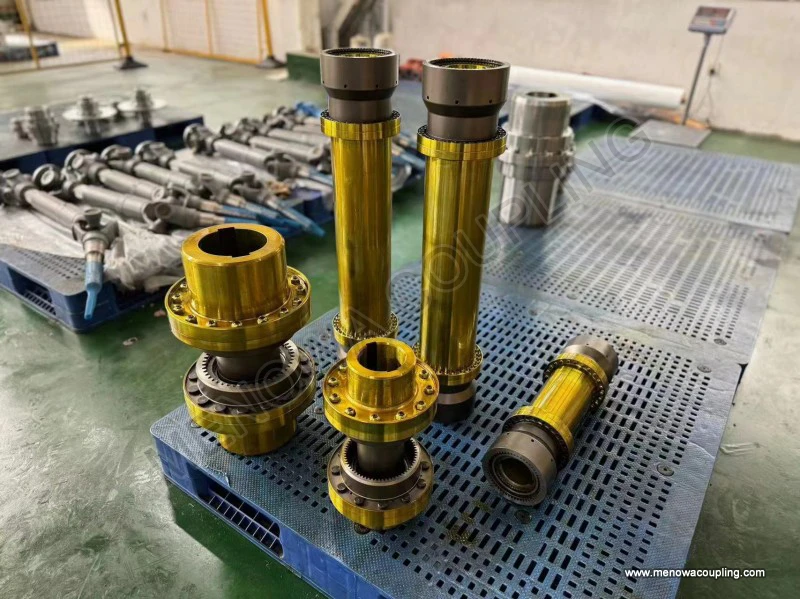
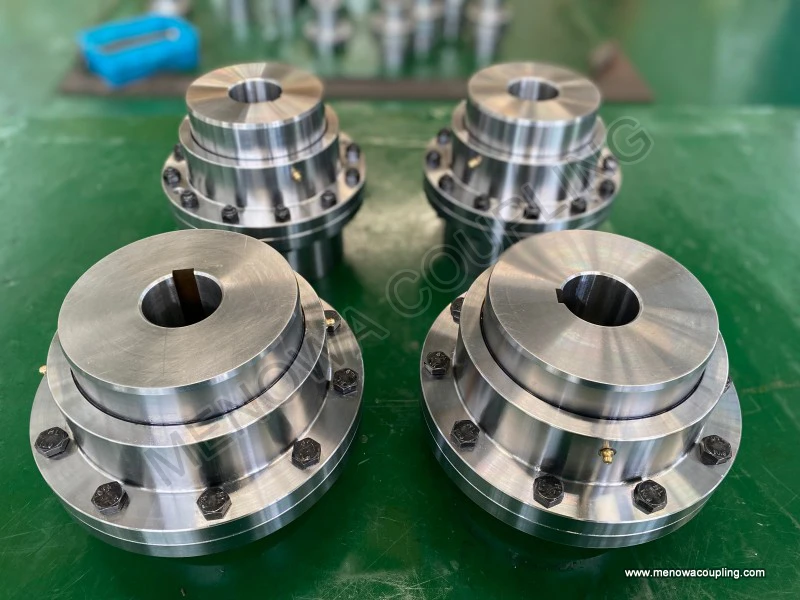
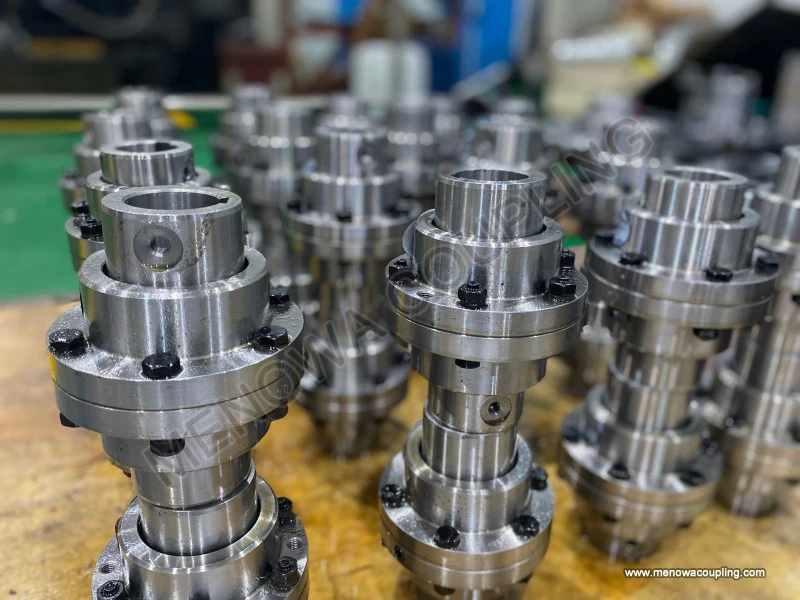
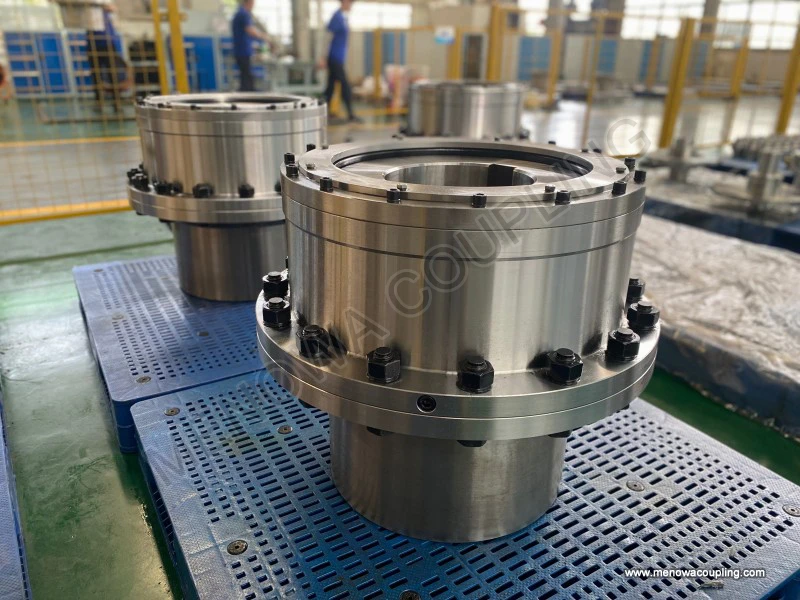
Basic dimensional composition of curved tooth couplings centers on core geometric parameters that define overall structural size and load capacity, covering outer diameter of inner gear sleeve, outer tooth hub outer diameter, effective tooth meshing width, inner bore diameter for shaft installation, total assembly length, tooth profile curvature radius, tooth modulus, total tooth quantity and tooth root fillet radius, each dimension interlocks to affect overall mechanical performance and application boundary of finished couplings. Outer bore diameter is the most fundamental matching dimension for field installation, as it needs precise tolerance coordination with driving and driven equipment shaft diameters; inconsistent inner bore dimension often leads to loose interference assembly or forced press-fit damage to shaft and coupling inner hole during on-site installation, one of the most frequent after-sales matching problems in global cross-border coupling transactions. Effective tooth width directly correlates with torque transmission limit of couplings: wider meshing tooth surface distributes contact pressure evenly on curved tooth flank under heavy load, while excessively narrow tooth width causes concentrated tooth surface stress and premature fatigue abrasion under alternating shock load, so dimension matching of tooth width is adjusted synchronously along with rated torque grading in international universal size series. Curvature radius of outer crowned tooth is a proprietary dimensional feature of curved tooth couplings differing from ordinary gear couplings, and this arc dimension controls maximum allowable angular misalignment between two connected shafts; larger tooth curvature radius improves angular displacement compensation ability yet moderately reduces effective meshing area, requiring designers to balance dimensional configuration according to preset misalignment value in practical working conditions. Meanwhile, overall assembled outer diameter and total installation length restrict space layout of host equipment transmission cabin, a key dimensional index reviewed by global engineering procurement teams during early equipment design phase to reserve reasonable installation space for coupling assembly and later regular lubrication maintenance. Apart from fixed standard dimensional series widely circulated in international market, non-standard dimensional customized orders account for nearly one third of global curved tooth coupling trade volume, mainly targeting special equipment with non-universal shaft aperture and limited installation space in marine propulsion, large metallurgical rolling mill and customized heavy-duty mining machinery projects across various continents.
Global market segmentation of curved tooth couplings forms differentiated dimensional demand characteristics corresponding to regional industrial structure differences. European and North American mature industrial markets prioritize medium and large-sized standard dimensional curved tooth couplings with precise dimensional tolerance control, mostly supporting thermal power generation unit auxiliary transmission, large petrochemical compressor set and high-end metallurgical continuous rolling production line equipment; local end users in these regions put forward strict requirements on dimensional consistency of batch products to realize standardized replacement and quick maintenance of spare parts, while small-size compact dimensional curved tooth couplings are mainly used for high-speed pump set, precision industrial fan and medium-sized automation production line auxiliary transmission equipment. Southeast Asia, Middle East and Latin America emerging industrial markets witness rapid demand growth of medium and heavy-duty oversized dimensional curved tooth couplings, fueled by continuous investment in open-pit mining projects, cement raw material processing base construction and crude oil onshore drilling equipment expansion; working conditions in these areas feature severe dust erosion, frequent impact load and large installation deviation caused by on-site foundation settlement, so purchasers tend to select couplings with appropriately widened effective tooth width and optimized tooth curvature dimension to enhance anti-shock performance and misalignment adaptability of finished products. Ocean-going shipbuilding industry scattered across global coastal economies demands specially optimized dimensional curved tooth couplings for main propulsion shaft and auxiliary cabin pump transmission, whose overall length dimension is adjusted to adapt segmented intermediate shaft layout of ship cabin, and inner bore dimension is matched with marine high-strength alloy shaft customized size, forming an independent non-standard dimensional coupling subdivision market with stable long-term procurement demand. In recent years, global new energy industry development, including onshore and offshore wind power supporting generator transmission, gradually spawns dedicated medium-sized curved tooth coupling dimensional specifications, with lightweight optimized outer diameter and shortened assembly length to fit compact nacelle internal space layout of wind turbine equipment, further enriching global dimensional grading system of curved tooth couplings and driving continuous product iteration of international coupling manufacturers.
Scientific selection of curved tooth couplings starts from accurate torque calculation relying on mature industry formulas, which serves as the fundamental basis to lock core dimensional specifications including tooth modulus, tooth width and overall outer diameter in subsequent size confirmation. The primary basic formula to calculate theoretical operating torque from equipment rated power and rotating speed is expressed as T₀=9549×P/n, in which T₀ represents theoretical nominal torque measured in Newton-meter, P stands for driving power in kilowatt and n means rated rotating speed per minute of transmission system; this formula is universally adopted by global mechanical design engineers for preliminary torque estimation across different industrial fields without regional unit conversion obstacles. Considering unstable load fluctuation, startup instantaneous impact and environmental vibration interference in actual operation, design calculation torque Tc needs to multiply theoretical torque by working condition service factor KA, forming core selection formula Tc=T₀×KA; value range of KA varies according to load property: KA takes 1.0~1.5 for uniform stable load equipment such as ordinary circulating water pump and constant-speed fan, 1.8~2.8 for intermittent alternating load machinery including mining crusher and cement mixer, and 3.0~4.5 for heavy-duty frequent startup shock load devices like steel rolling mill main transmission and large excavator power output end, different KA values directly push selection of couplings with enlarged tooth width and increased outer diameter dimension under high service coefficient conditions to meet enhanced load bearing requirements. After confirming calculated torque, contact stress checking formula of curved tooth flank guides fine adjustment of core dimensional parameters, the simplified checking formula σH=Z×Tc/(b×dm²) defines σH as tooth surface contact stress, Z total tooth number of coupling, b effective meshing tooth width and dm reference circle diameter of outer tooth hub; when calculated contact stress exceeds allowable material contact stress of selected coupling blank, designers increase reference circle diameter dm or expand effective tooth width b to optimize dimensional configuration and reduce unit tooth surface pressure, avoiding premature tooth surface pitting corrosion and abrasion under long-term continuous operation. Besides torque-related formulas, maximum allowable rotating speed checking indirectly limits coupling outer diameter dimension, as excessive outer diameter causes excessive centrifugal force under ultra-high rotating speed and damages internal sealing structure and lubrication environment of couplings; empirical constraint formula nd≤[nd] restricts product dimension design, n is actual working rotating speed and [nd] is allowable speed-diameter product specified by different dimensional series of curved tooth couplings, effectively preventing oversized dimension couplings applied in high-speed transmission occasions beyond mechanical limit.
Apart from formula-based torque calculation and dimensional confirmation, multiple non-numerical selection precautions closely related to dimension matching need full consideration in global purchasing and equipment design practice to eliminate hidden troubles caused by improper dimensional selection after installation. First, confirm actual measured shaft diameter of driving end and driven end equipment on site rather than only referring to nominal parameter of equipment manual, as manufacturing tolerance of host equipment shaft leads to subtle dimensional deviation; measured shaft bore size decides finished coupling inner hole processing dimension, and small-difference dimensional adjustment via keyway width and depth parameter avoids forced assembly leading to shaft bending deformation or coupling inner hole cracking under load. Second, comprehensively collect actual preset misalignment data of transmission system including radial offset value, angular deflection degree and axial floating displacement between two connecting shafts, these displacement parameters determine optimal outer tooth curvature radius dimension of selected curved tooth coupling; selecting small curvature dimension couplings for large preset angular misalignment occasions will cause sharp tooth edge extrusion and accelerated abrasion, while oversized curvature dimension products applied in near-alignment transmission waste installation space and increase unnecessary equipment cost caused by excessive overall outer diameter dimension. Third, check reserved installation space length and radial space of equipment transmission cabin before finalizing coupling overall dimension, for limited radial space compels selecting compact outer diameter dimensional series even if calculated torque allows larger-size couplings, meanwhile insufficient axial reserved space requires customized shortened total assembly length dimension by adjusting inner gear sleeve structural design without reducing effective tooth meshing width and load capacity. Fourth, fully evaluate long-term working environmental factors including ambient temperature range, corrosive medium concentration and floating dust particle size; couplings used in high-temperature smelting workshop and chemical corrosive atmosphere appropriately increase tooth root fillet radius dimension during dimensional design to reduce thermal stress concentration and improve corrosion resistance of tooth root part, while couplings applied in heavy dust open-pit mining environment adopt slightly enlarged outer gear sleeve wall thickness dimension to promote sealing structure stability and block external impurity invasion into internal meshing tooth space. Fifth, match auxiliary installation component dimension synchronously when selecting main coupling dimension, such as key connection size corresponding to inner bore dimension, end cover fixing flange diameter matching inner gear sleeve outer diameter, mismatched auxiliary part dimension delays on-site assembly progress and influences overall transmission concentricity after installation, a common detail error easily ignored by international procurement engineers in cross-regional order confirmation.
Wide-ranging application scenarios of dimension-classified curved tooth couplings cover almost all heavy-load mechanical transmission fields across global industries, and different application environments precisely correspond to targeted dimensional specification grouping formed through long-term market verification. In global power generation industry including thermal power, hydropower and onshore wind power projects, large-dimension curved tooth couplings with big outer diameter and wide effective tooth width are installed between steam turbine, water turbine and matching generator main shaft to bear ultra-high steady torque transmitted by power host equipment; thermal expansion of long-distance transmission shaft caused by unit long-time operation generates regular axial and angular displacement, and optimized tooth curvature dimension of curved tooth couplings perfectly compensates such variable misalignment, becoming irreplaceable standard transmission component for medium and large-sized power generation sets worldwide. Global petroleum and natural gas exploitation industry applies diversified dimensional curved tooth couplings in onshore drilling rig power end, offshore platform booster compressor and crude oil gathering pipeline delivery pump transmission; small compact dimensional products serve for small auxiliary pump unit on drilling platform, while super-large customized dimension couplings connect heavy-duty drilling rotary table main transmission with diesel engine output shaft, enduring strong instantaneous impact load generated during drill bit rock breaking operation under complex downhole geological conditions. Metallurgical industry spanning steel hot rolling, cold rolling and non-ferrous metal smelting production lines relies on graded medium and oversized curved tooth couplings of various dimensions: ultra-wide tooth width dimension products are configured for rough rolling mill main transmission enduring periodic heavy impact load, and medium standard dimension couplings match finishing mill auxiliary driving equipment with relatively stable load fluctuation, variable dimensional grouping adapts different rolling process load changes of global metallurgical enterprises from small batch specialty steel processing to large-scale bulk steel continuous production. Global mining industry scattered in mineral-rich continents such as Australia, Africa and South America installs multi-specification curved tooth couplings on underground ore crusher, long-distance belt conveyor driving roller and large mine hoist transmission system; working conditions feature severe vibration, frequent overload startup and foundation deformation after long-term equipment operation, so most selected couplings adopt appropriately expanded tooth width and optimized curvature dimension to enhance anti-fatigue performance and misalignment tolerance under harsh mining environment. Cement and building materials manufacturing industry worldwide uses medium standard dimensional curved tooth couplings for raw material ball mill, clinker rotary kiln auxiliary transmission and finished cement bulk mixer power connection, continuous alternating load from material grinding and mixing requires coupling dimension to ensure uniform tooth surface stress distribution and extend service cycle to reduce production downtime loss caused by frequent spare part replacement. Marine and shipbuilding industry adopts customized non-standard dimension curved tooth couplings for cargo ship main propulsion engine to stern propeller intermediate shaft connection and cabin various auxiliary pump set transmission; limited cabin installation space pushes designers to shorten overall assembly length dimension while guaranteeing tooth meshing width to satisfy torque transmission demand under narrow space constraint, and special anti-corrosion optimized dimension configuration adapts high-humidity salt fog marine working environment. Besides heavy-duty core industrial fields, medium and small standard dimension curved tooth couplings gradually expand application into large construction machinery including hydraulic excavator main pump transmission, concrete mixer power connection and road roller drive system, as well as large-scale centralized heating circulating pump, industrial high-pressure fan and large refrigeration compressor supporting transmission equipment across global urban infrastructure projects, further expanding dimensional application coverage of curved tooth coupling products in international market.
Continuous evolution of global industrial manufacturing technology keeps promoting iterative upgrading of curved tooth coupling dimensional design standards and market supply structure, with modern precision machining technology enabling more refined dimensional tolerance control of core tooth profile parameters and enriching subdivision of standard dimensional series to cover more marginal customized application demands. Global downstream industrial equipment upgrading toward high-power, high-speed and compact layout drives two opposite dimensional development trends of curved tooth couplings: on one hand, ultra-large dimension customized couplings keep breaking size limit to match oversized new energy equipment and super-large mineral processing unit transmission needs emerging in global emerging markets; on the other hand, lightweight miniaturized dimensional optimized products gradually replace partial traditional medium-size coupling specifications for high-precision automation equipment and compact new energy auxiliary equipment across Europe and North America high-end manufacturing market, forming two differentiated dimensional development directions pulling bidirectional market demand growth of global curved tooth coupling industry. Meanwhile, cross-regional mechanical standard integration progress in international trade gradually unifies basic dimensional marking rules of curved tooth couplings including inner bore grading, tooth modulus standard series and overall length classification, effectively reducing dimensional matching barrier in cross-border procurement between different continental markets and accelerating product circulation efficiency in global coupling supply chain; international buyers gradually form standardized purchasing logic of confirming required dimension parameter first via torque formula calculation and working condition analysis before placing formal order, which further highlights the core status of dimensional specification research and scientific selection in global curved tooth coupling market development. With ongoing expansion of global heavy industry investment and continuous advancement of new energy and equipment manufacturing sector in various countries, future market demand for rationally dimension-designed curved tooth couplings will maintain steady upward trend, and continuous optimization of dimensional design scheme according to diversified global working condition characteristics remains the core development direction for coupling product upgrading and international market share expansion of related manufacturing enterprises.
Post Date: Jun 4, 2026
https://www.menowacoupling.com/china-coupling/dimensions-of-curved-tooth-coupling.html
Products
Tags
Supply
Related Articles
Parts of Curved Tooth Coupling
Curved tooth couplings stand as one of the most reliable and widely adopted mechanical transmission components in the global industrial machinery sector, renowned for their superior torque transmission capacity, flexible misalignment compensation, and durable structural performance. As global industrialization continues…Classification of Curved Tooth Coupling
Classification and Application Analysis of Curved Tooth Coupling in Global Industrial MarketsIn the global industrial transmission system, curved tooth couplings have emerged as one of the most critical flexible transmission components, widely adopted in heavy-duty machinery, precision industrial equipment, and large-sc…Gear Type Coupling Wholesale
Gear type couplings stand as one of the most reliable and versatile mechanical transmission components in modern industrial machinery, serving a core role in connecting rotating shafts and transmitting torque across diverse heavy-duty and high-precision operating scenarios. As industrial manufacturing continues to scale…Uses of Gear Type Coupling
Gear type couplings stand as one of the most robust and versatile mechanical transmission components in modern industrial machinery, serving as a critical connecting element between rotating shafts in countless mechanical systems. Engineered with a unique structure of meshing internal and external gear pairs, these coup…Dimensions of Gear Type Coupling
Gear type couplings stand as fundamental flexible transmission components widely applied in industrial mechanical systems, primarily tasked with transmitting rotational torque between adjacent drive and driven shafts while accommodating minor shaft misalignments generated by mechanical operation, assembly errors, and st…Size Chart of Curved Tooth Coupling
The global industrial transmission component market has maintained steady expansion alongside the continuous upgrading of industrial manufacturing, intelligent equipment iteration, and the vigorous development of heavy industry sectors worldwide. As a core high-efficiency power transmission component, curved tooth coupl…
 WeChat
 WhatsApp