Gear Type Coupling Supply
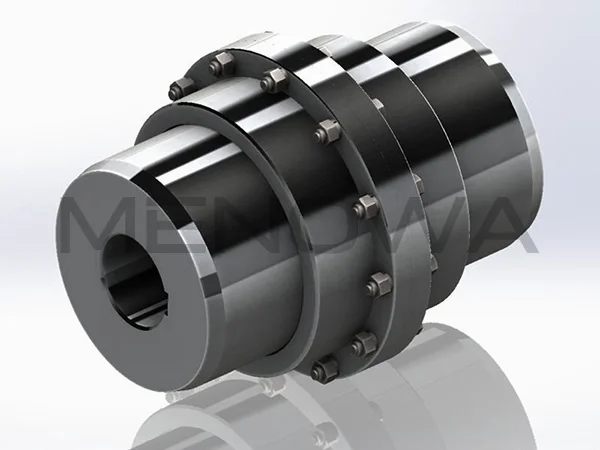
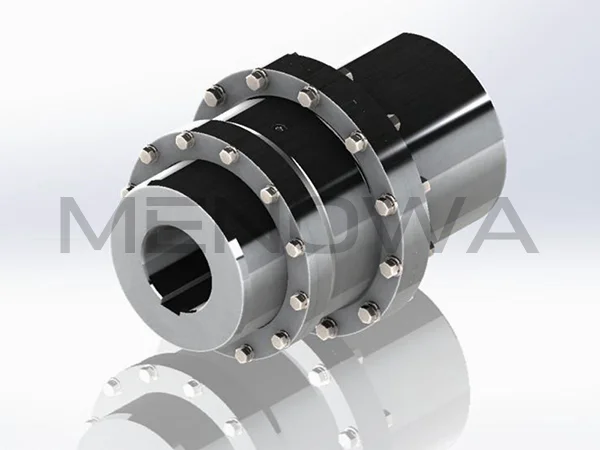
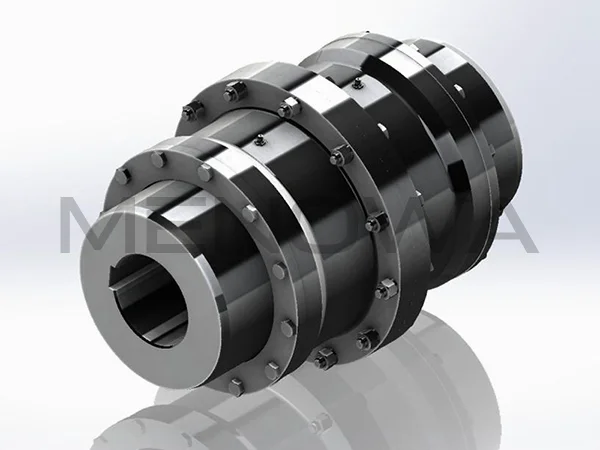
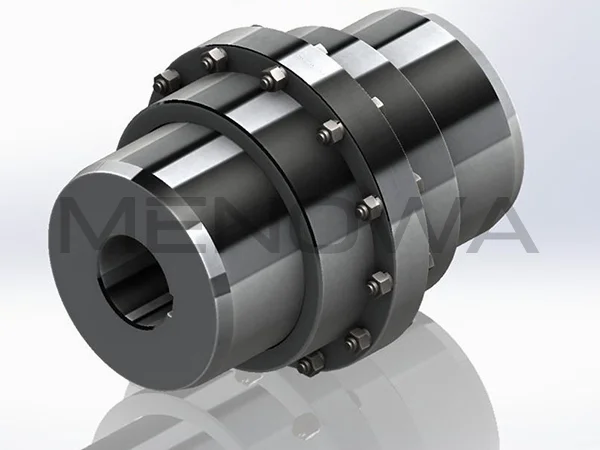
Gear type couplings stand as one of the most reliable and high-performance mechanical components designed for torque transmission and shaft connection across diverse industrial mechanical systems. As a core component in power transmission machinery, these specialized couplings are engineered to connect two rotating shafts, steadily transferring rotational torque and motion while effectively accommodating minor misalignments that inevitably occur during equipment installation and long-term operational processes. Unlike flexible couplings that rely on elastic deformation for compensation, gear type couplings belong to the rigid flexible coupling category, combining exceptional torsional rigidity with controlled displacement compensation capabilities, making them uniquely suited for heavy-load, high-speed, and continuous-duty industrial working conditions. The stable performance and durable structure of gear type couplings have made them a fundamental part of modern mechanical transmission systems, supporting the normal operation of a wide range of industrial equipment and ensuring the efficiency and safety of mechanical power transmission processes.
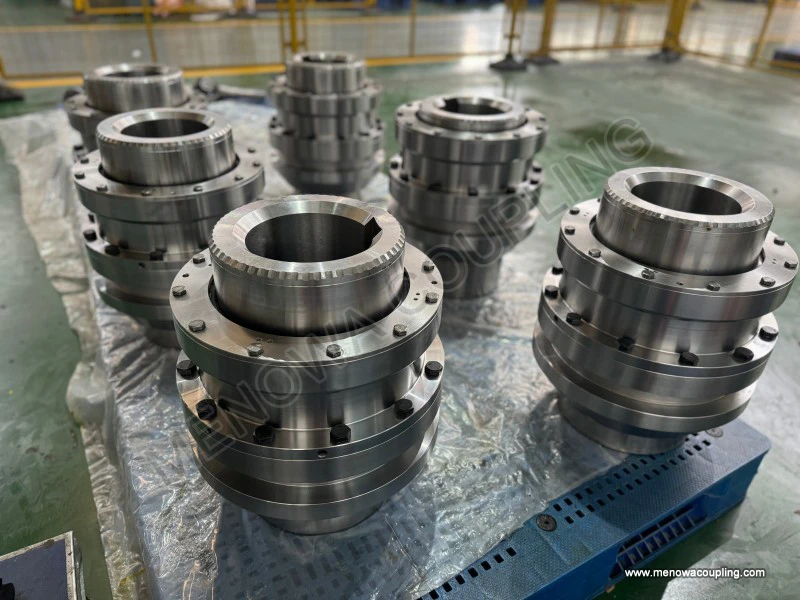
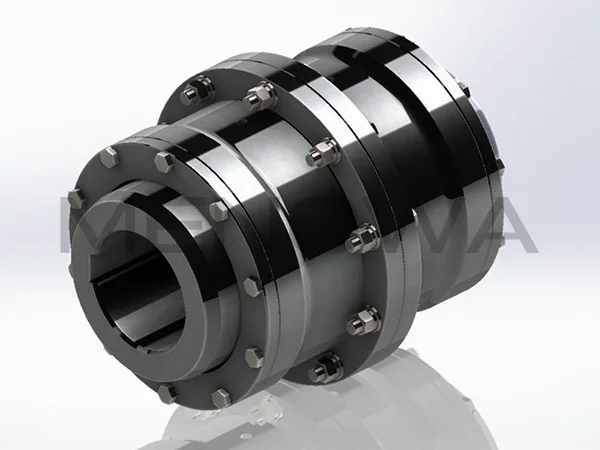
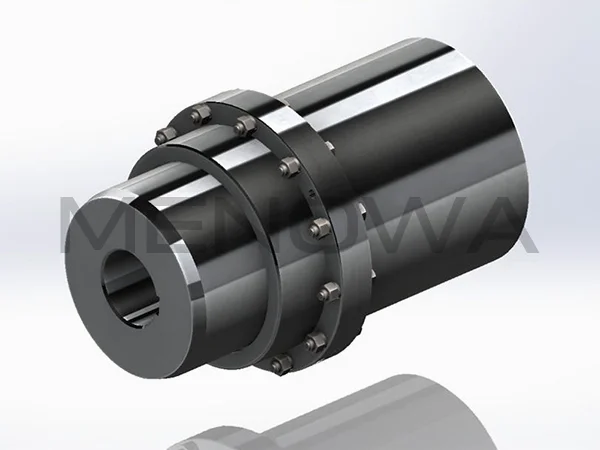
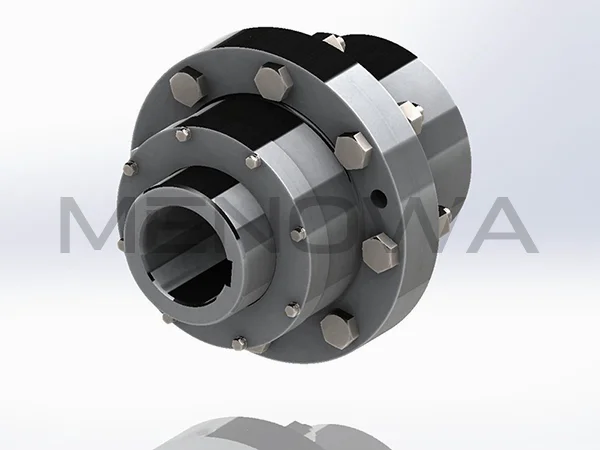
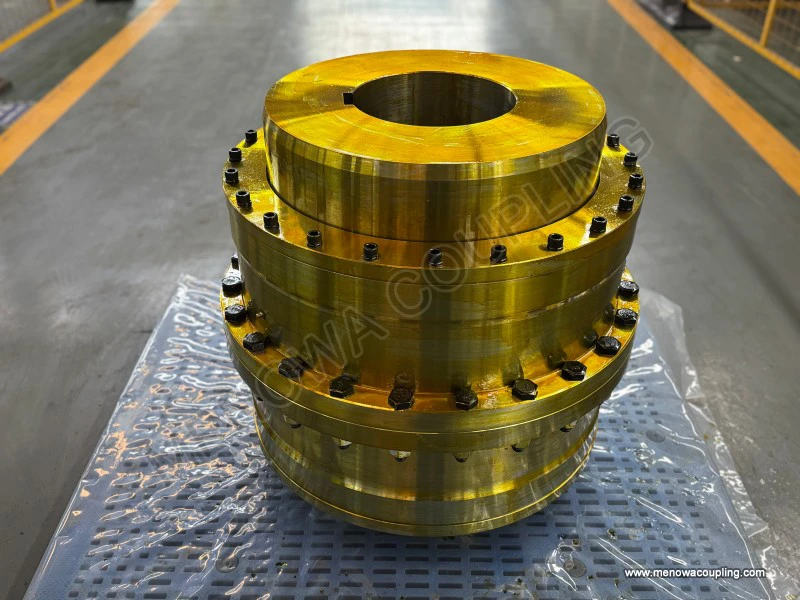
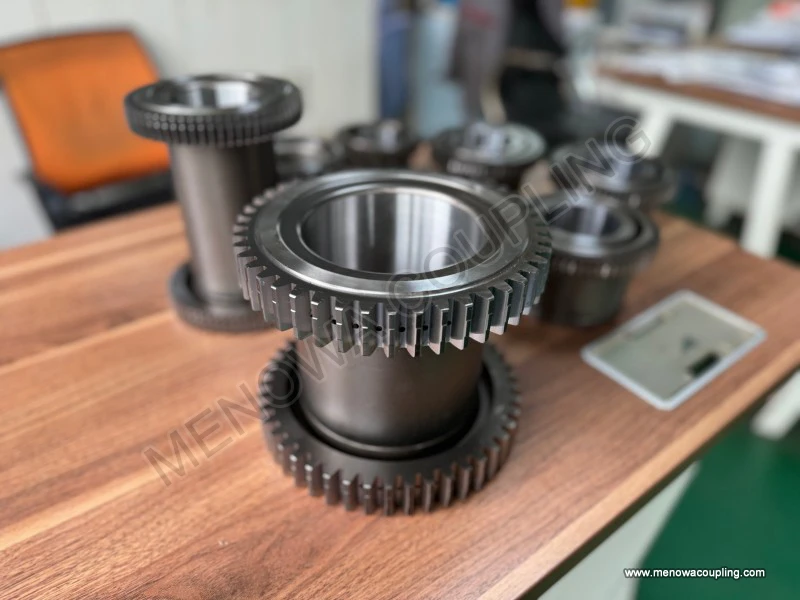
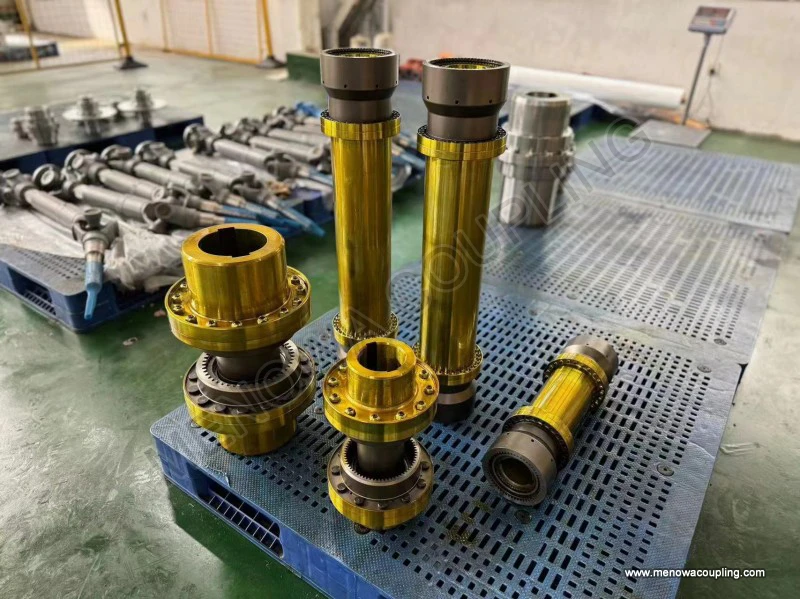
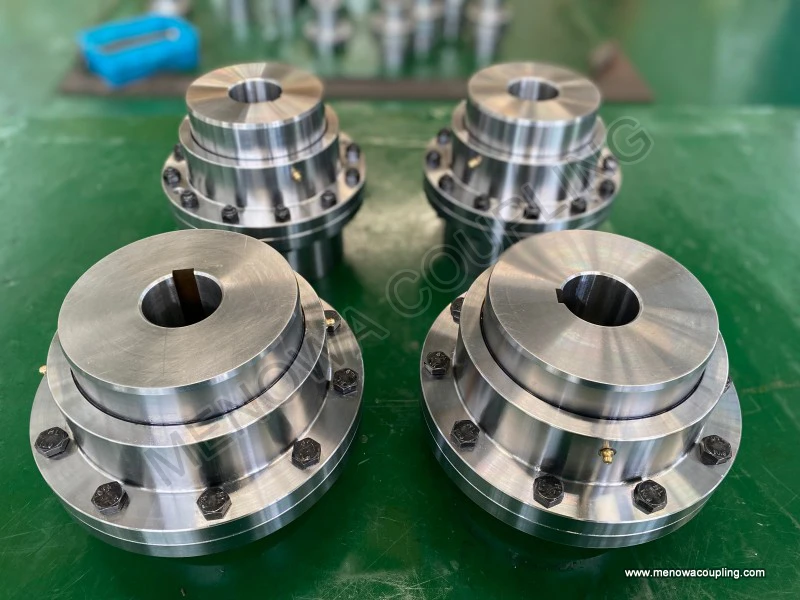
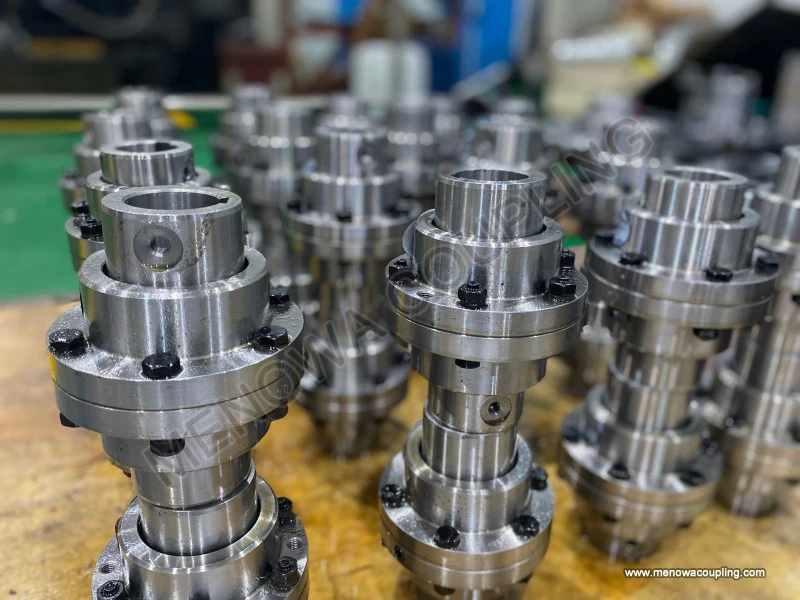
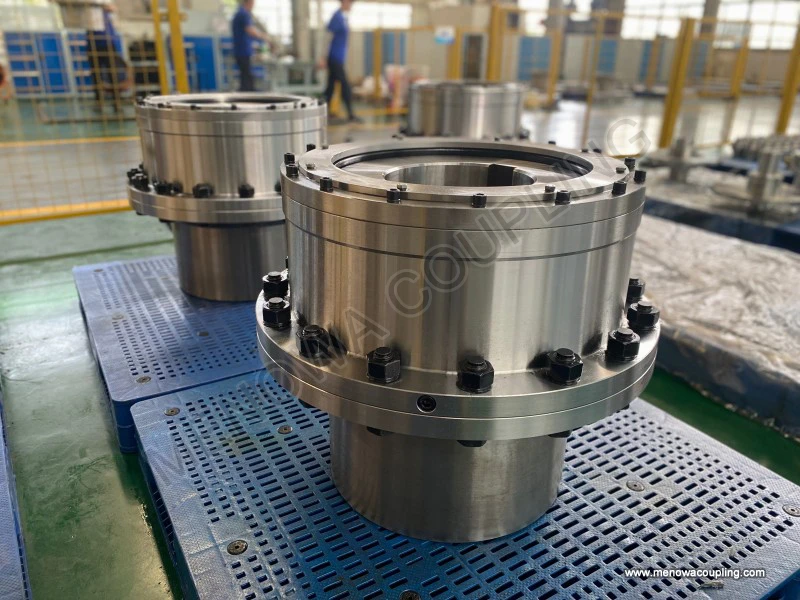
The basic structural composition of gear type couplings is simple and scientific, consisting mainly of two external gear hubs installed on the driving and driven shafts respectively and a shared internal gear sleeve that meshes with the external gears. Some integrated structural designs integrate the sleeve and end cover into a single component, optimizing overall structural compactness while maintaining stable meshing performance. The core working principle of the coupling lies in the precise meshing between internal and external gear teeth. When the driving shaft operates, it drives the external gear hub to rotate, and the meshing force between gear teeth transmits torque and rotational motion to the internal gear sleeve, which further drives the driven shaft to rotate synchronously, realizing uninterrupted power transmission between the two shafts. To adapt to shaft misalignment and reduce operational wear, the external gear teeth are processed with a special crowning curve structure along the tooth length direction. This optimized tooth profile design eliminates stress concentration at the contact points of gear teeth during operation, allowing the coupling to flexibly adapt to radial deviation, axial displacement, and angular misalignment between the two connected shafts without affecting the overall power transmission efficiency.
The inherent performance advantages of gear type couplings lay a solid foundation for their widespread industrial application. First and foremost, these couplings feature extremely high power density and torque transmission capacity. Under the same installation space and dimensional specifications, gear type couplings can bear far greater load torque than most other types of couplings, enabling them to adapt to heavy-duty working scenarios that require large torque output. Their excellent torsional rigidity ensures almost no torsional deformation during power transmission, maintaining high-precision synchronous rotation of the two shafts and avoiding power loss and transmission accuracy deviation caused by elastic deformation. Secondly, the multi-directional misalignment compensation capability is a key functional highlight of gear type couplings. Mechanical equipment inevitably produces installation errors during assembly, and long-term operation will also cause slight shaft position deviation due to equipment vibration, component wear, and foundation settlement. The special tooth profile and meshing structure of gear couplings can effectively absorb and compensate for these tiny displacements, reducing additional mechanical stress on shafts, bearings, and other core components, and greatly extending the overall service life of mechanical equipment.
In terms of operational stability and environmental adaptability, gear type couplings demonstrate outstanding comprehensive performance. The all-metal rigid structure enables them to operate stably in harsh working environments such as high temperature, low temperature, dust, and humidity, with strong resistance to external environmental interference. Compared with couplings using elastic polymer components, gear type couplings will not age, deform or fail due to temperature changes or long-term fatigue extrusion, maintaining consistent transmission performance throughout the service cycle. Additionally, the structural design of gear couplings reserves reasonable backlash between meshing gear teeth, which can effectively buffer instantaneous impact loads generated during equipment start-up, shutdown, and load mutation. This buffering effect reduces mechanical vibration and impact noise in the transmission system, avoids instantaneous overload damage to equipment components, and improves the overall operational stability of the mechanical system.
Lubrication and sealing performance are crucial factors determining the service life and operational reliability of gear type couplings, and they are also key considerations in the supply and selection process. The meshing surfaces of internal and external gear teeth rely on continuous lubrication to reduce sliding friction and wear during relative movement. High-quality gear type coupling products are equipped with reliable sealing structures, which can stably store lubricating grease inside the meshing area for a long time, while effectively isolating external dust, impurities, and corrosive media from entering the tooth meshing gap. Good sealing performance prevents lubricant deterioration and leakage, ensures long-term effective lubrication of gear teeth, and avoids abrasive wear and corrosion failure caused by impurity entry. In the supply system of gear type couplings, products with optimized sealing and lubrication structures are always the mainstream choice for industrial users, as they can significantly reduce daily maintenance frequency and lower long-term operational costs of equipment.
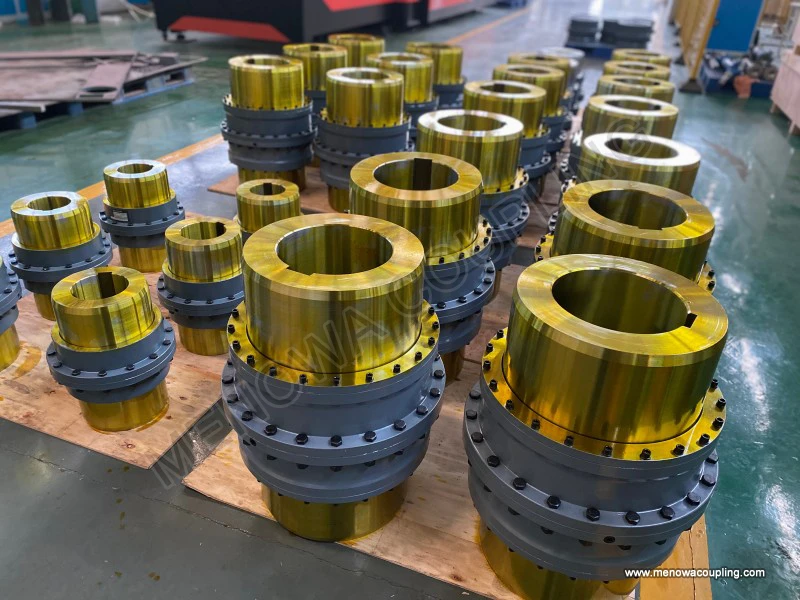
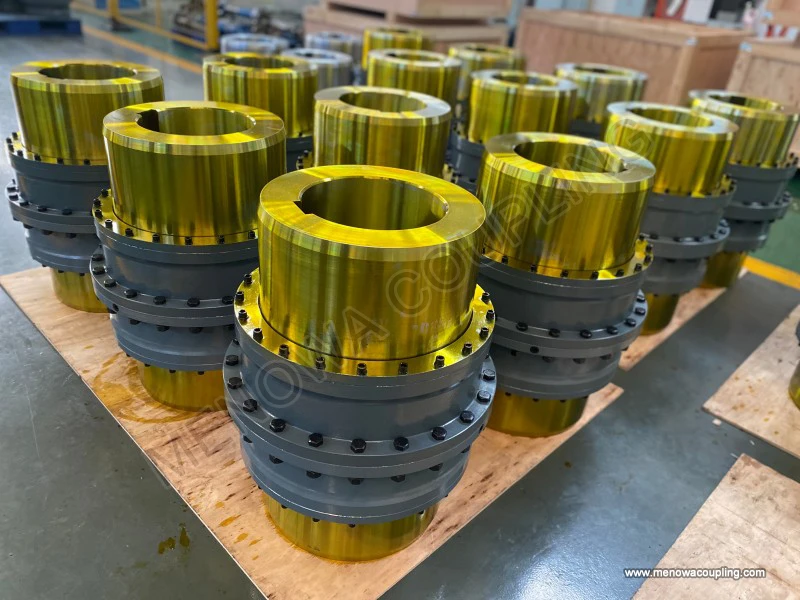
The industrial supply of gear type couplings focuses on matching diversified application scenarios and standardized performance quality. Different industrial fields and equipment types have differentiated requirements for coupling specifications, structural forms, and performance parameters. In heavy industrial fields such as metallurgical rolling equipment, mining transmission devices, and large-scale material conveying machinery, users tend to select gear type couplings with large torque resistance and high structural strength to cope with long-term heavy-load continuous operation. In mechanical systems such as industrial pumps, compressors, and ventilation equipment that require high-speed stable operation, couplings with balanced precision and low vibration characteristics are more favored. For limited installation space scenarios, compact integrated gear coupling structures are supplied to meet the installation and layout requirements of miniaturized and integrated equipment. The diversified product spectrum in the gear coupling supply market can fully cover the personalized needs of different industries, working conditions, and equipment specifications, realizing precise matching between products and application scenarios.
Quality control in the gear type coupling supply chain runs through the entire production and processing process, directly determining the operational safety and service life of the product. Excellent gear coupling products adopt high-strength alloy steel materials with good toughness, wear resistance, and fatigue resistance. Through precision machining processes such as gear hobbing, tooth surface finishing, and heat treatment, the gear teeth achieve high dimensional accuracy and surface hardness. Strict processing precision control ensures uniform meshing of internal and external gear teeth, stable stress distribution during operation, and no local excessive wear or tooth surface fatigue damage. In addition, the structural rationality of the coupling hub and sleeve, the uniformity of material texture, and the stability of heat treatment quality are all key indicators for supply quality screening. Standardized production and quality inspection mechanisms ensure that each batch of supplied gear couplings has consistent performance, stable quality, and reliable operational safety, avoiding equipment failures caused by product quality differences.
In actual industrial operation and maintenance management, the advantages of gear type couplings in economy and practicability are fully reflected. Thanks to the all-metal rigid structure and high-precision processing technology, the failure rate of gear couplings in the service cycle is extremely low, and there is no need for frequent replacement of vulnerable parts like elastic couplings. Daily maintenance only requires regular inspection of sealing integrity and lubrication status, with low maintenance difficulty and cost. The long service life of qualified gear coupling products effectively reduces equipment downtime caused by component failure, improves the continuous operation rate of industrial production lines, and creates stable economic benefits for industrial production. At the same time, the standardized structural design of mainstream gear couplings in the market facilitates convenient installation, disassembly, and replacement, reducing the time cost of equipment maintenance and after-sales replacement, which is highly in line with the efficient operation needs of modern industrial production.
With the continuous upgrading of modern industrial machinery towards high speed, high load, and high precision, the market demand for gear type couplings is also constantly evolving and upgrading. The industrial supply of gear couplings is gradually developing towards higher precision, stronger load resistance, longer service life, and more diversified structural forms. Continuous optimization of tooth profile design, material formula, and processing technology further improves the misalignment compensation ability, transmission efficiency, and environmental adaptability of gear couplings. Meanwhile, customized supply services have become an important part of the gear coupling supply system. For special working conditions such as ultra-high speed, ultra-heavy load, and strong corrosion, targeted structural optimization and product customization can be carried out to meet the special operational requirements of non-standard mechanical equipment.
In the entire mechanical power transmission industry, gear type couplings occupy an irreplaceable core position by virtue of their superior comprehensive performance. Their unique combination of high rigidity, high torque transmission capacity, multi-dimensional misalignment compensation, strong environmental adaptability, and low maintenance cost makes them applicable to almost all industrial scenarios involving shaft power transmission. From large-scale heavy industrial equipment to medium and small-sized precision mechanical transmission systems, gear type couplings can provide stable and reliable connection and transmission support. The standardized and diversified supply system ensures that industrial users can quickly obtain matching high-quality products, providing a solid guarantee for the stable and efficient operation of various mechanical equipment. As industrial machinery technology continues to progress, gear type coupling products and supply services will also continue to iterate and improve, continuously adapting to the new development needs of modern industrial transmission systems and maintaining their important application value in the field of mechanical transmission.
Post Date: May 26, 2026
https://www.menowacoupling.com/china-coupling/gear-type-coupling-supply.html
Products
Tags
Supply
Related Articles
Specification of Curved Tooth Coupling
In the global industrial transmission equipment market, curved tooth couplings have emerged as one of the most reliable and versatile mechanical transmission components, occupying a core position in heavy-duty power transmission systems across various industrial sectors worldwide. With the continuous advancement of glob…Components of Curved Tooth Coupling
In the global industrial transmission market, curved tooth couplings have emerged as one of the most indispensable core mechanical components for high-torque, high-speed, and misalignment-tolerant shaft connection systems. Widely adopted in heavy manufacturing, energy production, marine engineering, mining, and precisio…Gear Type Coupling Fabrication
Gear type coupling fabrication is a sophisticated and systematic manufacturing process focused on producing robust, flexible mechanical transmission components that connect rotating shafts to transmit torque while accommodating minor axial, radial, and angular misalignments. As a core component in mechanical transmissio…Maintenance of Gear Type Coupling
Gear type couplings serve as indispensable mechanical transmission components in industrial mechanical systems, widely applied in shaft connection scenarios of various rotating equipment to transmit torque, compensate for minor shaft displacement deviations, and buffer mechanical vibration generated during equipment ope…Working Principle of Gear Type Coupling
A gear type coupling is a mechanical device specifically designed to connect two rotating shafts, enabling the efficient transmission of torque and rotational motion while accommodating a certain degree of misalignment between the shafts. Unlike rigid couplings that require precise alignment to function properly, gear t…Barrel Gear Coupling Sleeves
Barrel gear coupling sleeves stand as essential structural and functional components within modern mechanical power transmission systems, serving as the central connecting medium that bridges driving and driven shafts across a vast range of industrial machinery and rotating equipment. In every mechanical setup that reli…
 WeChat
 WhatsApp