Gear Type Coupling Supplier
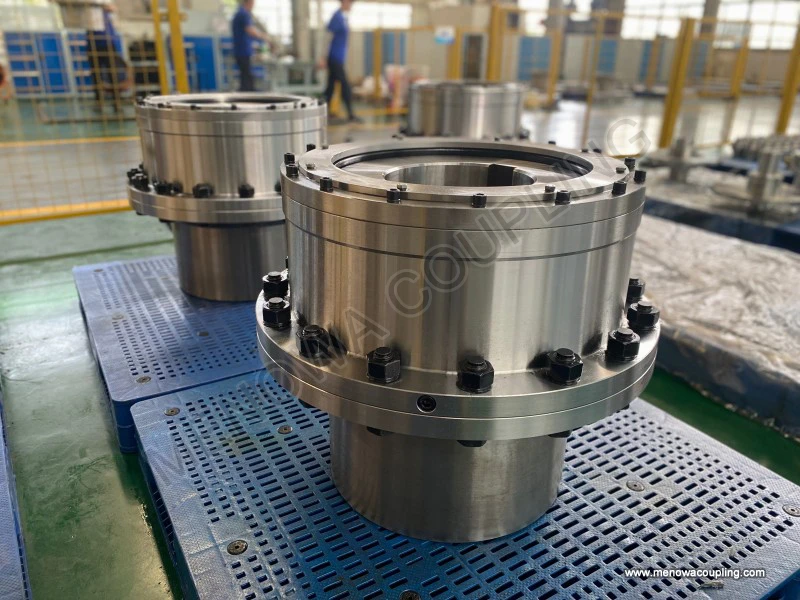
xIn the complex and interconnected system of modern industrial transmission machinery, gear type couplings stand out as one of the most indispensable core components, undertaking the critical task of torque transmission, shaft misalignment compensation, and mechanical operation stabilization for various heavy-duty and high-speed equipment. As a key link connecting upstream mechanical component manufacturing and downstream industrial equipment operation, professional gear type coupling suppliers play a pivotal role in supporting the stable operation, efficiency improvement, and service life extension of industrial production lines. Different from ordinary mechanical parts suppliers, qualified gear type coupling suppliers focus not only on the standardized production of basic components but also on customized adaptation, structural optimization, and full-cycle technical support, solving various transmission pain points in complex working conditions for diverse industrial users.
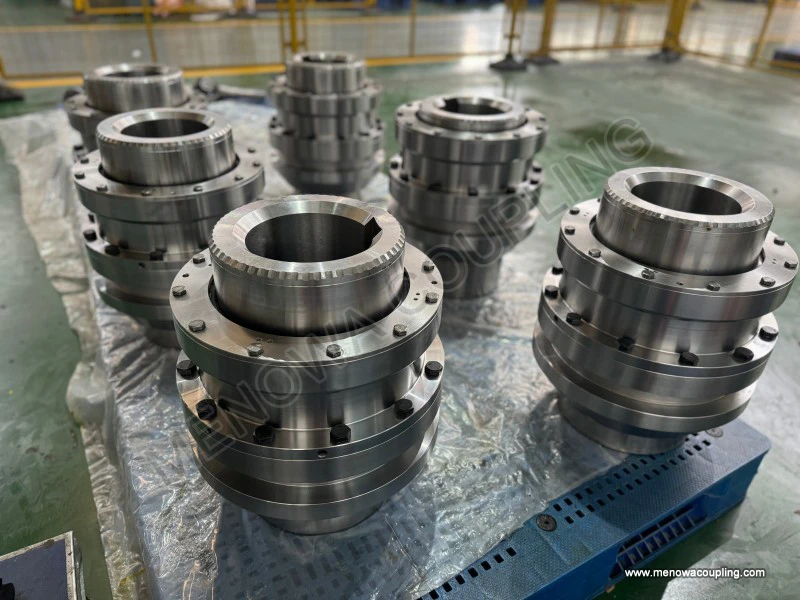
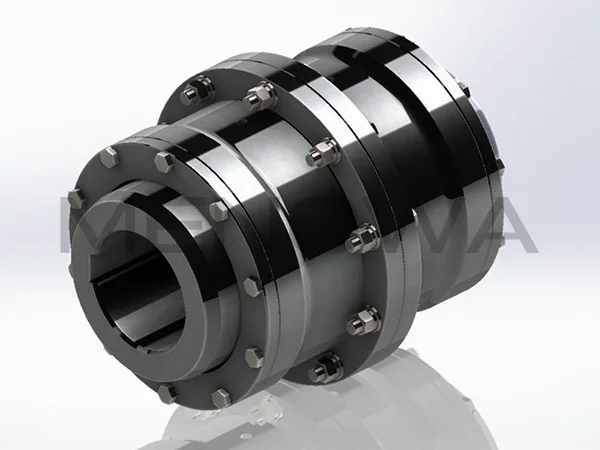
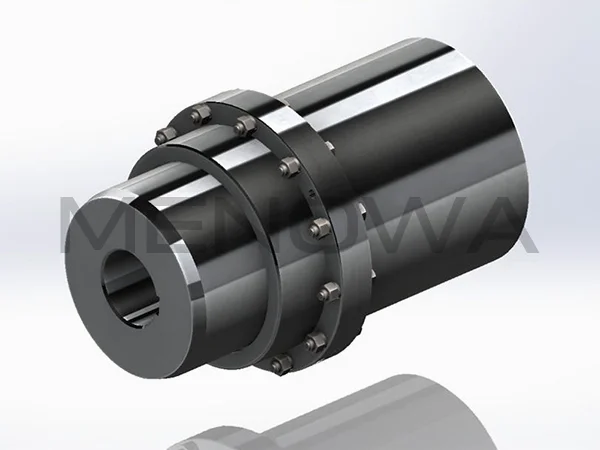
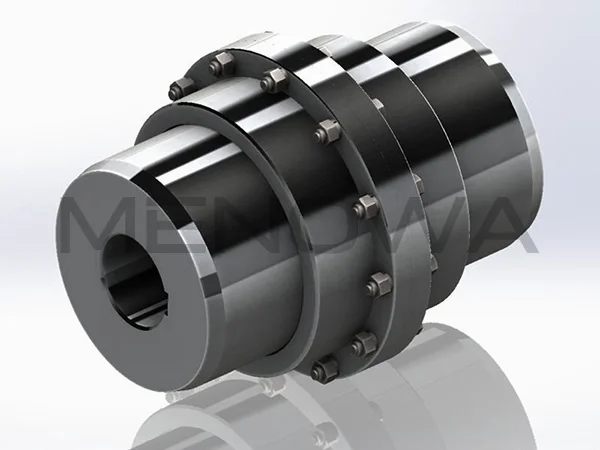
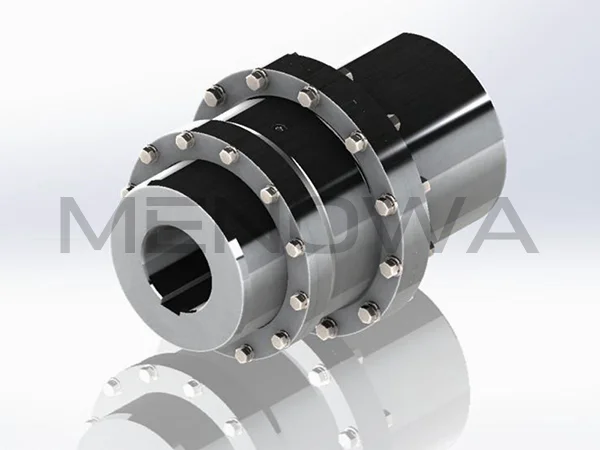
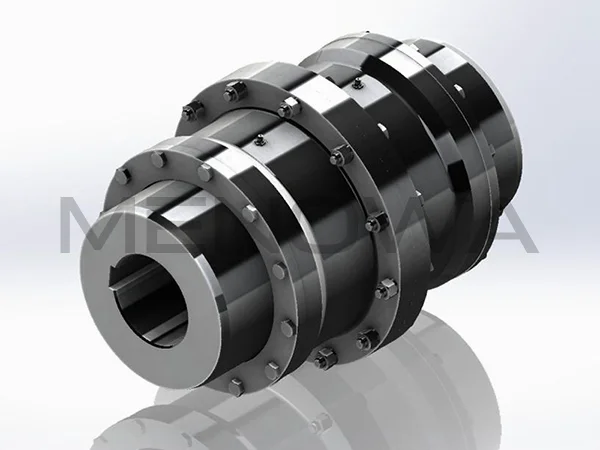
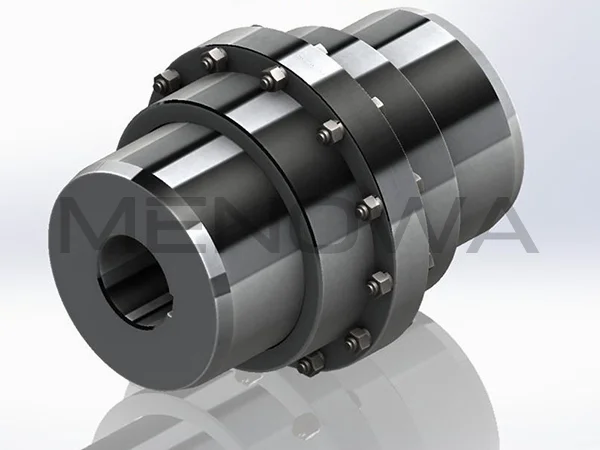
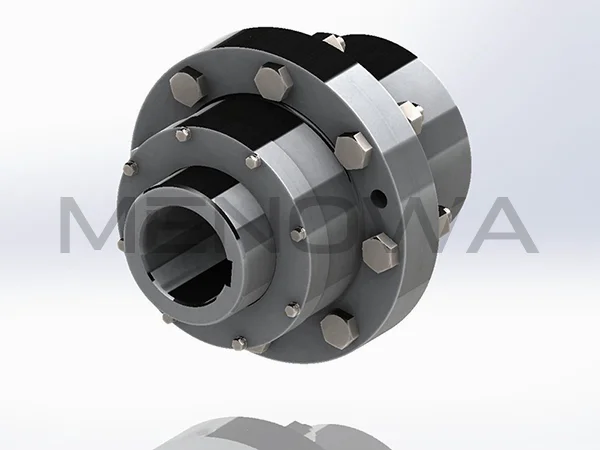
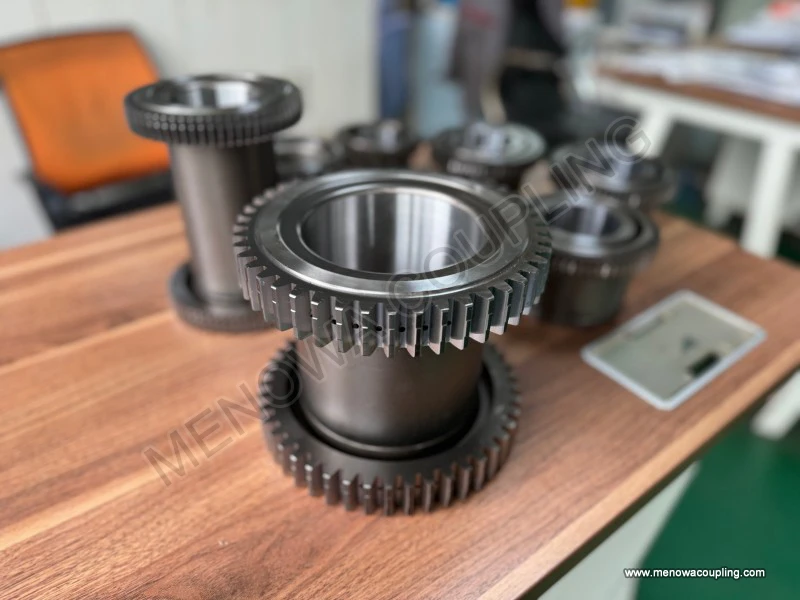
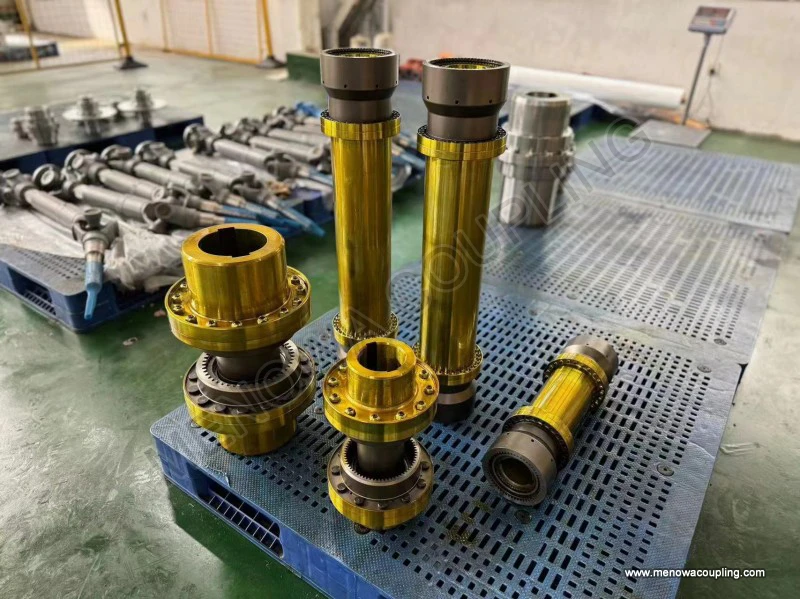
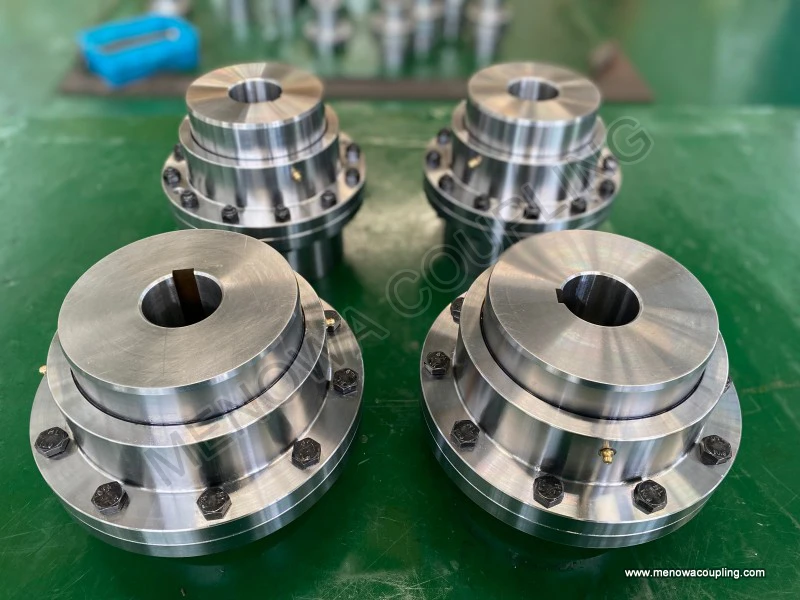
Gear type couplings rely on the meshing fit of internal and external gear teeth to transmit power, a structural principle that endows them with unique advantages unmatched by other flexible couplings in heavy-load transmission scenarios. The core working mechanism lies in the special crowned tooth profile design of external gears, which can produce flexible displacement and angle adjustment during the meshing process with internal gear sleeves. This structural feature enables the coupling to effectively compensate for angular misalignment, radial deviation, and axial displacement between two connected shafts that inevitably occur during equipment installation and long-term operation. In actual industrial scenarios, shaft misalignment caused by equipment installation errors, thermal expansion and contraction of metal components under continuous operation, foundation slight settlement, and mechanical vibration is unavoidable, and uncompensated misalignment will directly lead to intensified gear tooth wear, increased transmission vibration, additional load on bearings, and even premature failure of the entire transmission system. Professional gear type coupling suppliers fully consider these practical industrial pain points in product design and production, optimizing tooth profile curvature, gear meshing clearance, and overall structural rigidity to ensure that the coupling can maintain stable and efficient power transmission while tolerating a certain range of shaft displacement, greatly reducing the failure rate of mechanical transmission parts.
The product performance advantages of gear type couplings determine their wide applicability in multiple industrial fields, and also put forward higher requirements for the comprehensive strength of suppliers. Compared with elastic couplings, gear type couplings have smaller radial dimensions, higher torsional rigidity, and stronger heavy-load bearing capacity, and can stably transmit large torque under low-speed and high-load operating conditions. Meanwhile, through precision dynamic balance processing, they can also adapt to high-speed rotating equipment operation scenarios, achieving low-vibration and low-noise power transmission. This dual applicability for both heavy-load low-speed and high-speed light-load working conditions makes gear type couplings widely used in metallurgical rolling equipment, mining crushing and conveying machinery, power generation transmission systems, petrochemical production equipment, port handling machinery, and large engineering machinery. Facing the differentiated working condition requirements of different industries, excellent gear type coupling suppliers do not adopt a single standardized production mode, but carry out targeted optimization in product structure, material selection, and process design according to the operating environment of terminal equipment.
Material selection is the foundation of determining the service performance and durability of gear type couplings, and it is also a core competitive advantage of professional suppliers. Different working environments have distinct requirements for component toughness, hardness, wear resistance, and fatigue resistance. For mining and metallurgical equipment that operates continuously under heavy shock loads, suppliers will select high-strength alloy steel materials with good impact resistance and overall rigidity, and through integral forging and heat treatment processes such as quenching and tempering, improve the structural toughness of the coupling body, avoid brittle fracture under instantaneous impact load, and ensure stable operation under long-term alternating load. For petrochemical and marine equipment that faces humid, corrosive, and high-temperature working environments, suppliers will optimize surface treatment processes, adopting anti-corrosion coating, oxidation resistance treatment, and surface hardening technologies to enhance the environmental adaptability of gear teeth and hub structures, delay oxidation corrosion and wear aging, and extend the service life of components in harsh environments. For high-speed precision transmission equipment such as power generation turbines, suppliers focus on improving the uniformity of material texture and processing precision, reducing component inertia and transmission backlash, ensuring the stability and precision of high-speed power transmission, and avoiding power loss and vibration noise caused by uneven meshing.
Processing precision is the key factor affecting the transmission efficiency and stability of gear type couplings, and mature processing technology and precise quality control systems are essential capabilities of reliable suppliers. The core precision indicators of gear type couplings are concentrated on gear tooth profile accuracy, meshing clearance uniformity, hub coaxiality, and overall dimensional tolerance. Slight deviations in processing accuracy will lead to uneven gear meshing, local stress concentration, increased friction and wear, and reduced transmission efficiency in the operation process. Professional gear type coupling suppliers adopt advanced numerical control processing equipment and integrated processing technology to complete the integral forming of gear hubs and sleeves, avoiding assembly errors caused by split processing. In the tooth processing link, precision gear cutting and grinding processes are used to ensure the smoothness of the tooth surface and the accuracy of the crowned tooth profile, so that each gear tooth can bear force evenly during meshing, eliminate edge wear caused by partial contact, and reduce friction loss during power transmission. At the same time, suppliers will conduct strict dimensional inspection and dynamic balance testing on finished products to ensure that each batch of couplings meets the operating precision requirements of industrial equipment, effectively reducing mechanical vibration and extending the service life of matching bearings and other supporting components.
In addition to high-quality product manufacturing, professional application solution capability is an important part of the service system of excellent gear type coupling suppliers. Most industrial users often face confusion in model selection and matching in the actual equipment transformation and maintenance process. Improper selection will lead to insufficient load-bearing capacity of the coupling, excessive vibration during operation, or premature wear and failure, which will affect the continuous operation of the production line. Experienced suppliers have long-term accumulated industrial application experience, and can provide targeted selection guidance and scheme optimization according to key parameters such as equipment operating power, rotating speed, load type, misalignment range, and operating environment. For production lines with frequent start-stop and alternating impact loads, suppliers will recommend enhanced structural designs with higher fatigue resistance and load redundancy; for long-distance transmission shaft systems, they will optimize the spacer structure of couplings to adapt to different shaft end spacing requirements; for continuous operating industrial equipment, they will prioritize products with better lubrication retention performance and lower maintenance frequency. This personalized solution service can help users avoid matching errors, maximize the operating efficiency of equipment, and reduce unnecessary equipment failure and maintenance costs.
Lubrication and sealing performance optimization is another key research and development direction of gear type coupling suppliers, and also a key link to improve product stability and reduce later maintenance costs. The meshing operation of internal and external gear teeth of gear type couplings requires continuous lubrication to reduce sliding friction and wear between tooth surfaces. Poor sealing performance will lead to lubricant leakage, dust and impurities entering the meshing gap, resulting in accelerated tooth surface wear, increased transmission resistance, and even gear tooth jamming in severe cases. Excellent suppliers continuously optimize the sealing structure design of couplings, adopting multi-channel sealing and dust-proof structures to effectively isolate external dust, moisture, and corrosive substances, and lock internal lubricants to ensure long-term stable lubrication of gear meshing parts. At the same time, combined with different operating temperature and load conditions, suppliers will match suitable lubrication schemes and guide users in daily lubrication maintenance, avoiding component aging and failure caused by dry friction, and greatly reducing the frequency of equipment shutdown maintenance and replacement of spare parts.
With the continuous upgrading of modern industrial equipment towards high efficiency, energy saving, and intelligence, the product research and development and production concepts of gear type coupling suppliers are also constantly iterating and upgrading. Traditional gear coupling products have problems such as large transmission backlash, heavy structural weight, and single adaptation scenario, which are difficult to meet the precision and lightweight requirements of new industrial equipment. Forward-looking suppliers keep pace with industrial development trends, carry out structural optimization and lightweight design on the premise of ensuring load-bearing performance, reduce the moment of inertia of couplings, improve transmission sensitivity, and better adapt to the precision control requirements of automated production equipment. At the same time, through finite element stress analysis and mechanical simulation testing, suppliers simulate various extreme working conditions such as heavy load, high speed, and alternating impact, optimize the stress distribution of key parts of the coupling, eliminate structural stress concentration points, further improve the overall stability and fatigue resistance of products, and meet the higher operating standards of modern intelligent manufacturing equipment.
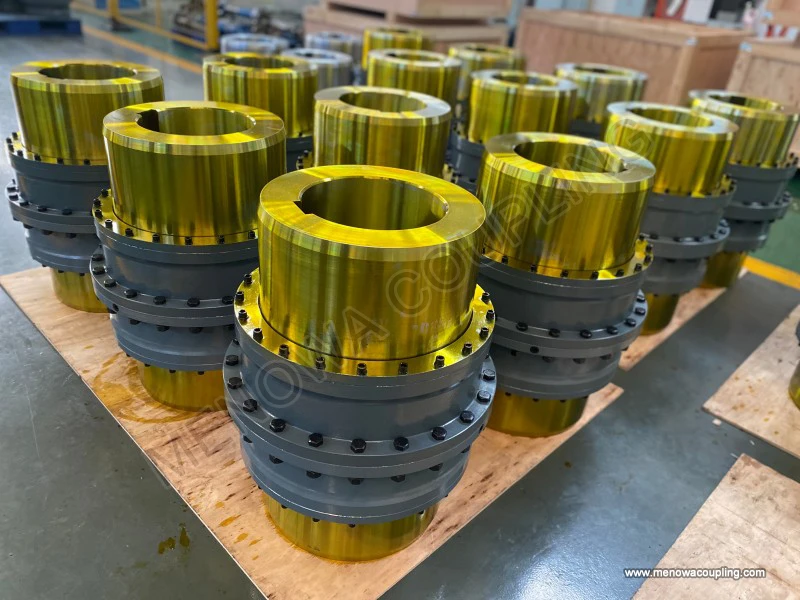
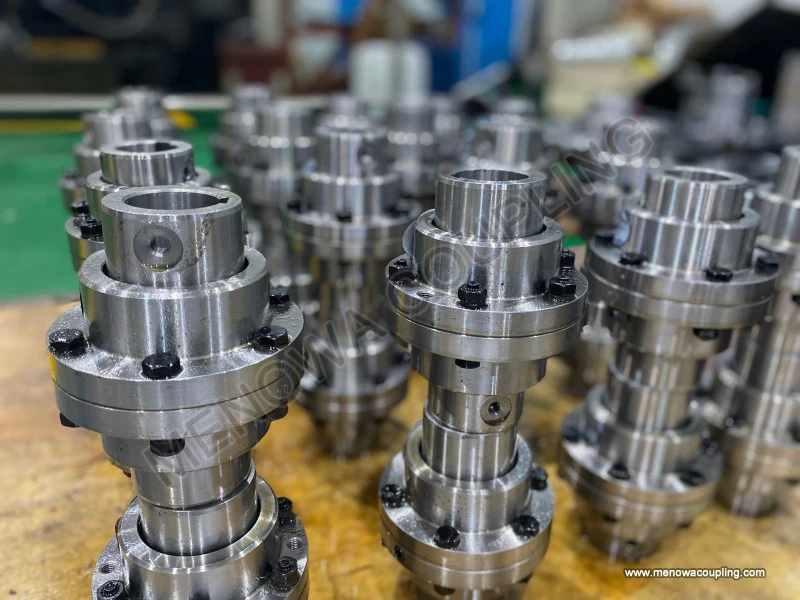
The stable supply capacity and perfect after-sales service system are important guarantees for gear type coupling suppliers to serve industrial users for a long time. Industrial production has the characteristics of continuity and batchness, and users have high requirements for the timeliness of product supply and the consistency of batch product quality. Reliable suppliers have standardized production workshops, complete production equipment, and scientific production scheduling systems, which can realize stable batch production while ensuring product quality consistency, avoiding quality fluctuations caused by manual operation differences, and meeting the centralized procurement and batch matching needs of large industrial enterprises. In terms of after-sales service, professional suppliers provide full-cycle technical support including installation guidance, operation debugging, fault analysis, and maintenance guidance. For problems encountered during equipment operation, the technical team can quickly provide professional solution suggestions, help users eliminate hidden equipment troubles in time, reduce production shutdown losses, and create stable and reliable transmission guarantees for user production lines.
In the entire industrial transmission supply chain, gear type coupling suppliers are not only simple component producers, but also important technical supporters of industrial equipment stable operation. The quality of couplings directly affects the operating efficiency, failure rate, and service life of the entire mechanical transmission system, and even relates to the continuous and stable production of the entire industrial production line. With the continuous development of industrial modernization, the working conditions of mechanical equipment are becoming more diverse and complex, and the performance requirements for gear type couplings in terms of load bearing, misalignment compensation, environmental adaptation, and precision stability are constantly improving. Excellent gear type coupling suppliers will continue to take technological innovation and process optimization as the core, continuously improve product performance and service level, tailor more targeted transmission component solutions for different industrial scenarios, help all walks of life reduce equipment operating costs, improve production efficiency, and provide solid basic component support for the stable operation and high-quality development of modern industrial systems.
Post Date: May 25, 2026
https://www.menowacoupling.com/china-coupling/gear-type-coupling-supplier.html
Products
Tags
Supply
Related Articles
Material of Curved Tooth Coupling
Curved tooth couplings have emerged as one of the most reliable and versatile mechanical transmission components in the global industrial machinery sector, serving as a core connecting unit for shaft torque transmission in heavy-duty, high-speed, and misalignment-tolerant operating environments. The unique curved tooth …Characteristics of Curved Tooth Coupling
In the global industrial transmission equipment market, curved tooth couplings have emerged as a core universal transmission component, widely adopted in heavy-duty machinery, energy equipment, marine engineering, and mining industries across all regional markets. Differing from traditional straight tooth gear couplings…Gear Type Coupling Supply
Gear type couplings stand as one of the most reliable and high-performance mechanical components designed for torque transmission and shaft connection across diverse industrial mechanical systems. As a core component in power transmission machinery, these specialized couplings are engineered to connect two rotating shaf…Types of Gear Type Coupling
Gear type couplings stand as one of the most robust and reliable flexible coupling solutions in modern industrial mechanical transmission systems, widely utilized for connecting rotating shafts to transmit torque while compensating for various shaft misalignments during equipment operation. Unlike rigid couplings that r…Components of Gear Type Coupling
Gear type couplings are essential mechanical transmission components widely applied in heavy-duty industrial mechanical systems, serving as key connecting structures for rotating shafts in power transmission equipment. Classified as rigid flexible couplings, they rely on the precise meshing of internal and external gear…Parts of Curved Tooth Coupling
Curved tooth couplings stand as one of the most reliable and widely adopted mechanical transmission components in the global industrial machinery sector, renowned for their superior torque transmission capacity, flexible misalignment compensation, and durable structural performance. As global industrialization continues…
 WeChat
 WhatsApp