Components of Curved Tooth Coupling
In the global industrial transmission market, curved tooth couplings have emerged as one of the most indispensable core mechanical components for high-torque, high-speed, and misalignment-tolerant shaft connection systems. Widely adopted in heavy manufacturing, energy production, marine engineering, mining, and precision industrial equipment across international markets, this type of flexible coupling stands out from conventional straight-tooth gear couplings due to its optimized curved tooth profile, superior load-bearing capacity, and excellent adaptive performance. The overall structural composition of curved tooth couplings directly determines their mechanical performance, service life, and environmental adaptability, while standardized selection logic and targeted application matching further expand their application scope in diversified global industrial scenarios. In-depth analysis of their core components, working principles, scientific selection methods, and typical application scenarios is essential for global industrial enterprises to optimize transmission system design and improve equipment operational stability.
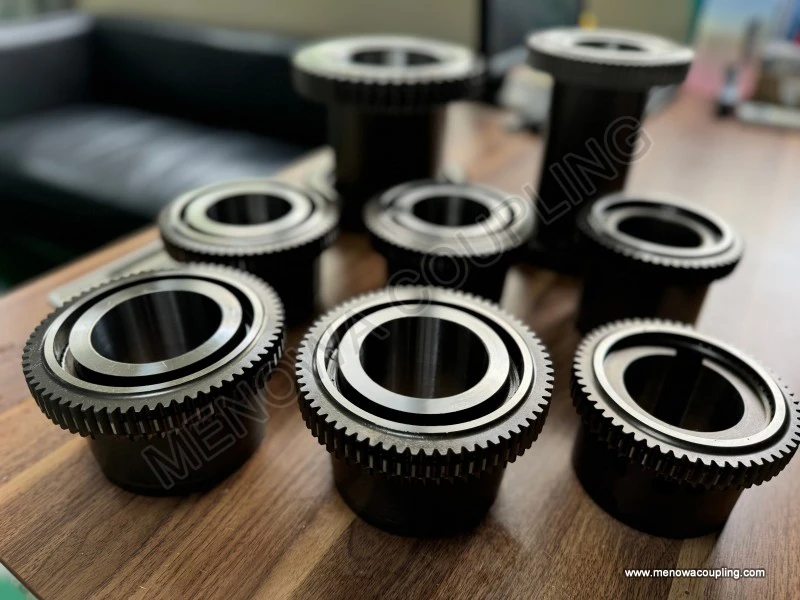
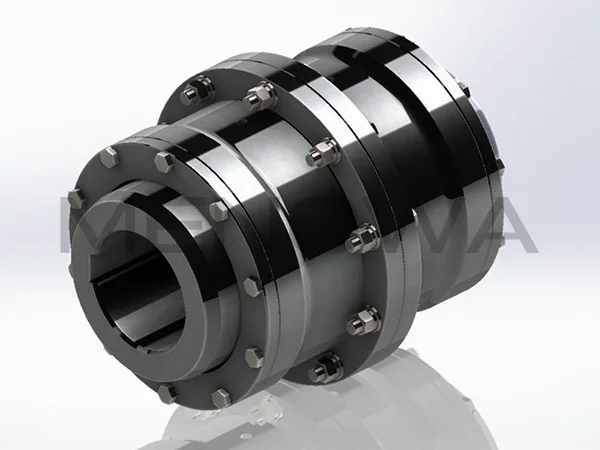
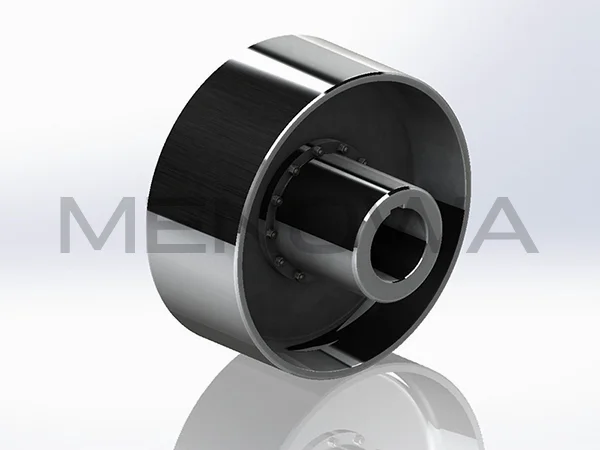
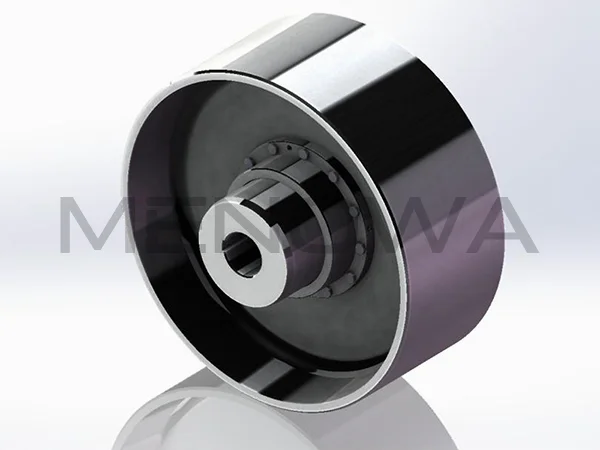
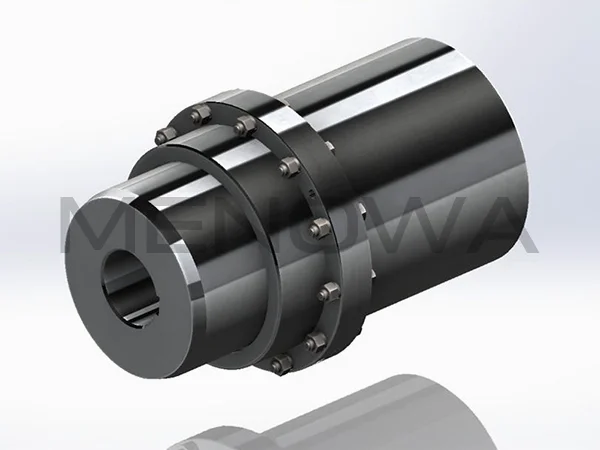
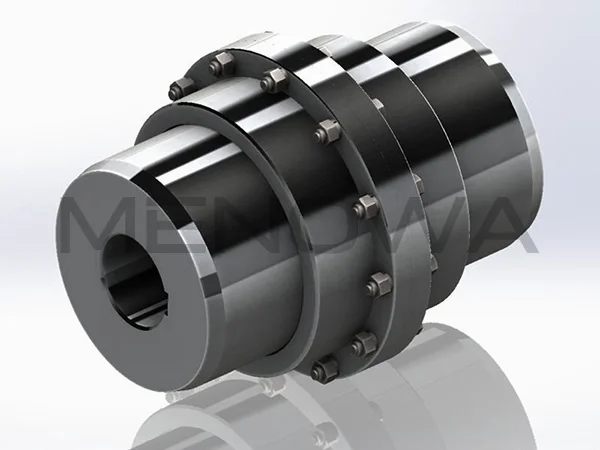
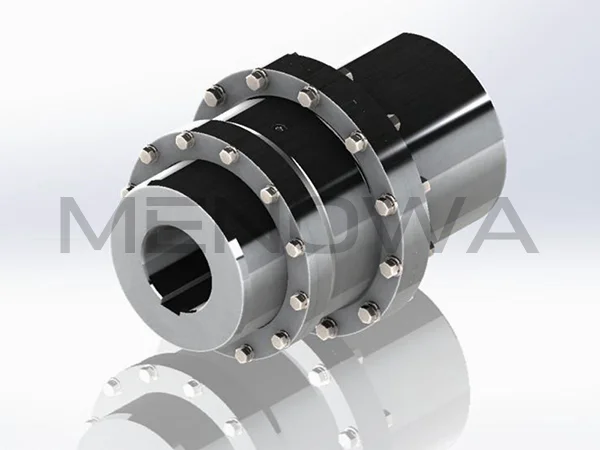
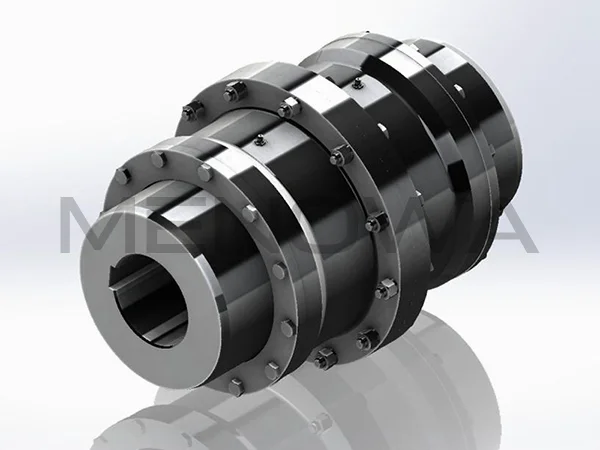
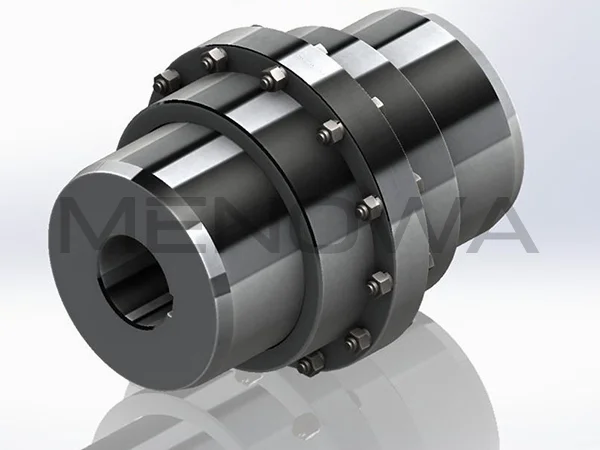
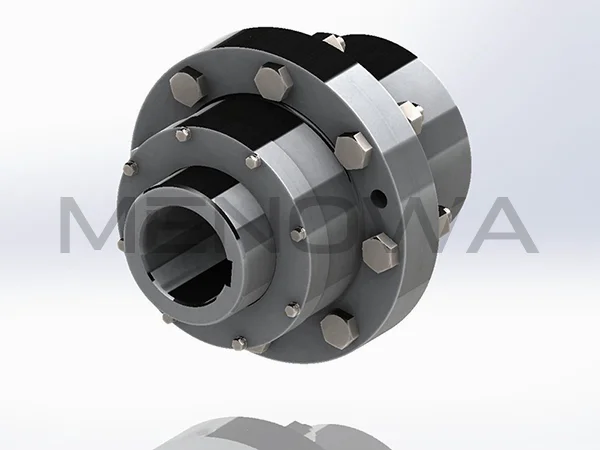
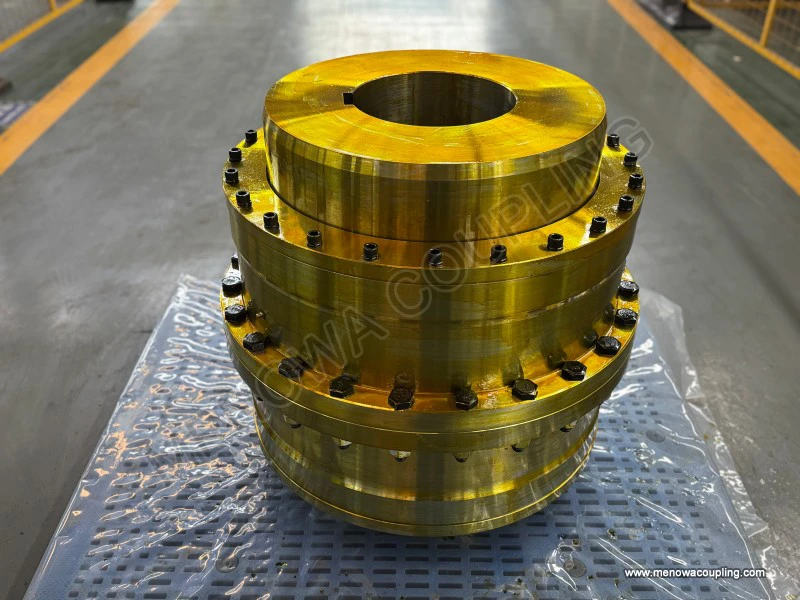
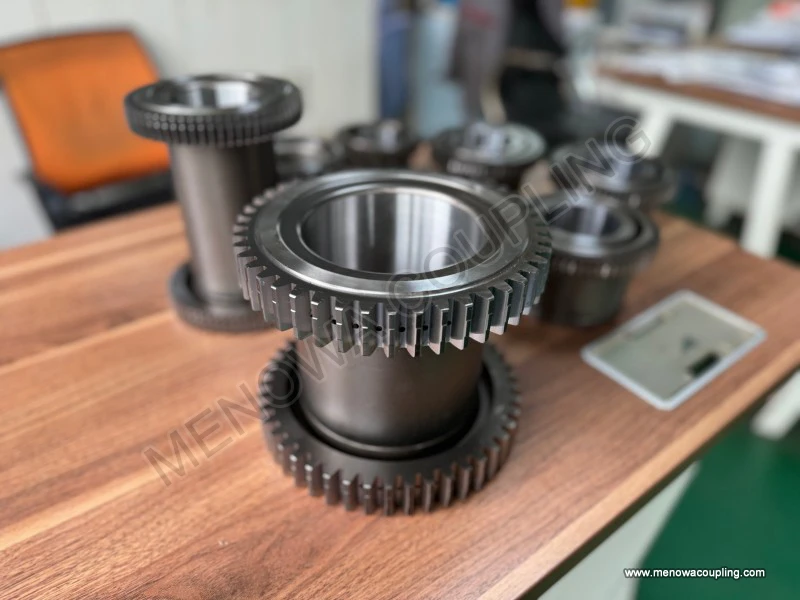
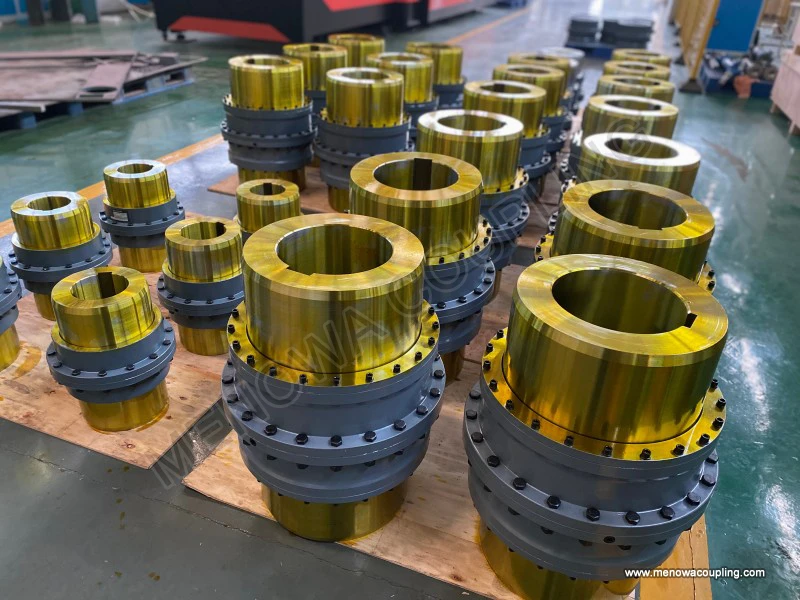
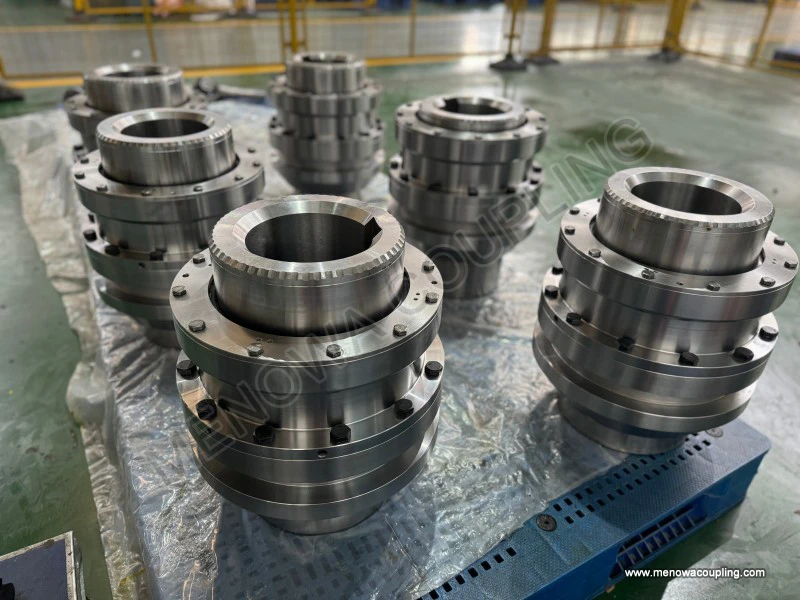
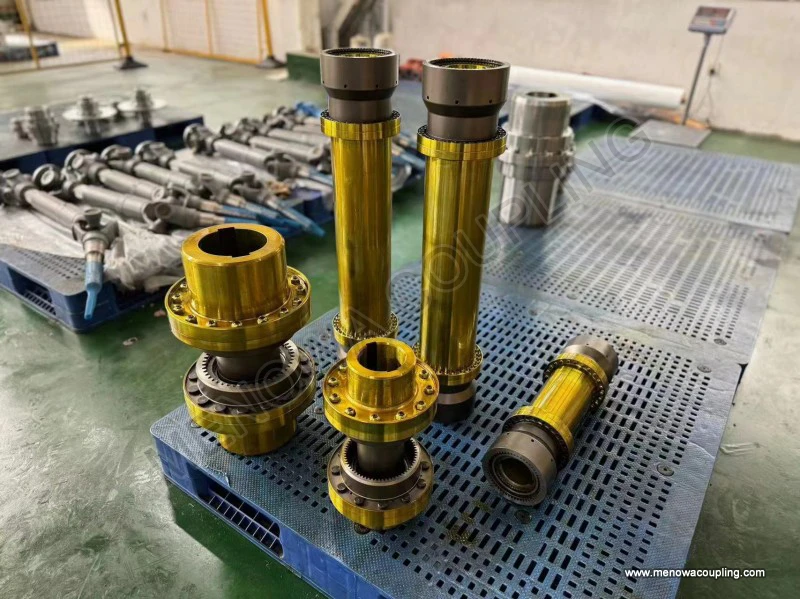
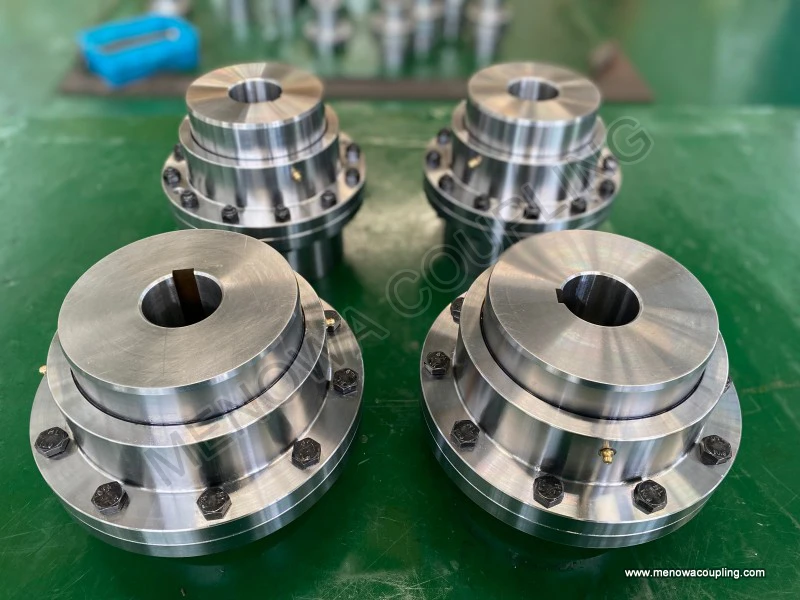
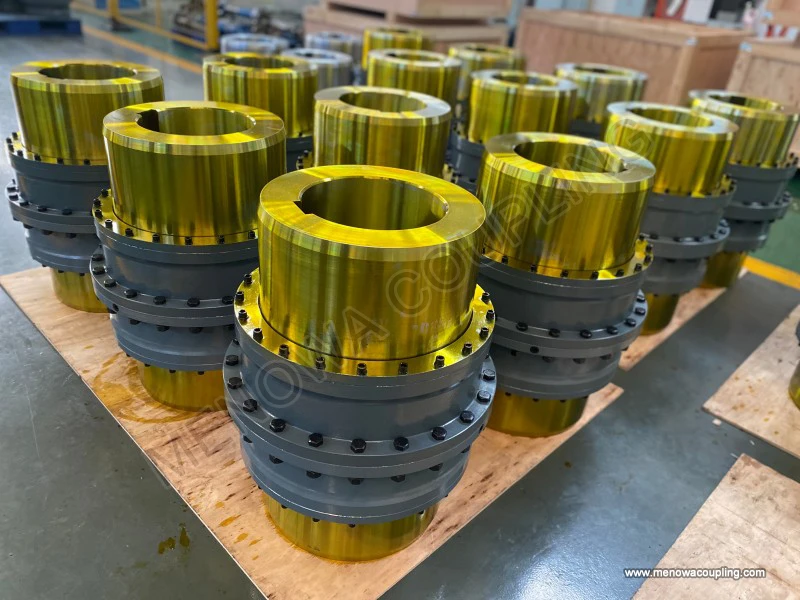
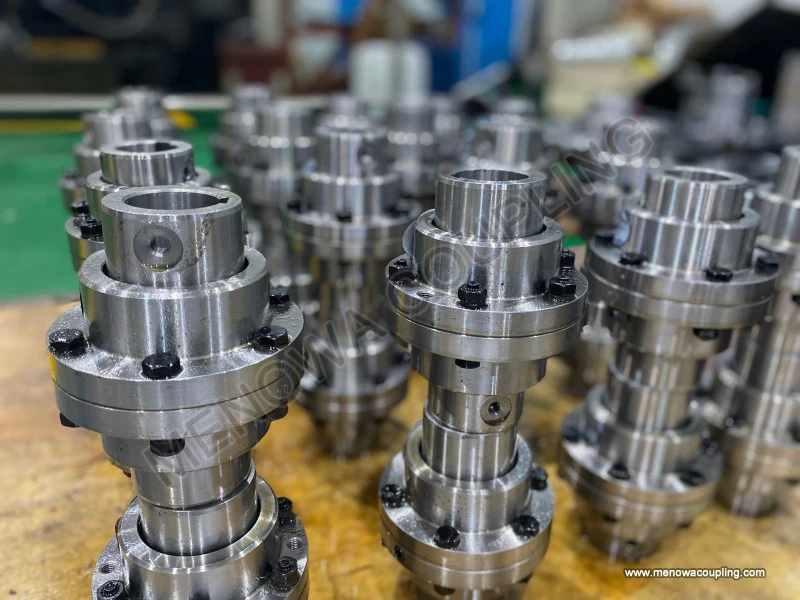
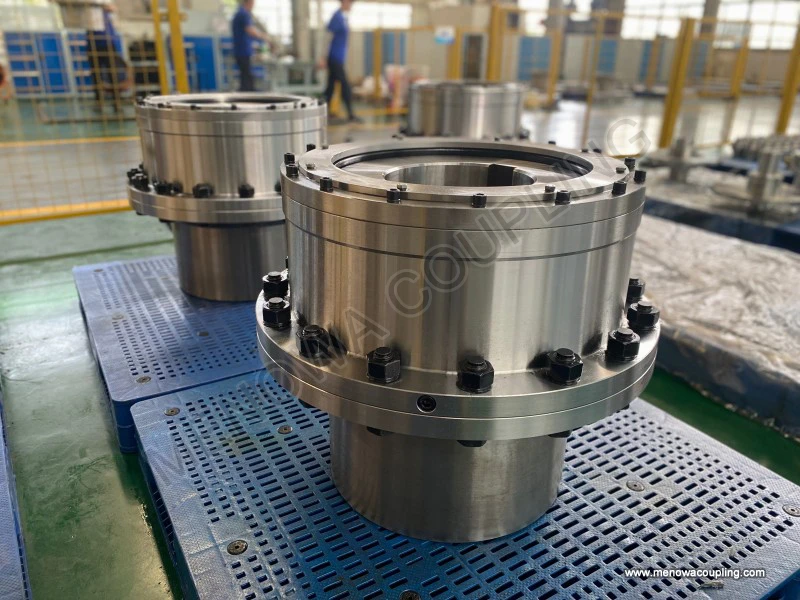
The complete structure of a curved tooth coupling consists of several core collaborative components, each undertaking independent mechanical functions and forming a highly integrated transmission system through precise assembly. The primary structural parts include outer curved tooth sleeves, inner gear hubs, sealing components, fasteners, and lubrication auxiliary structures. Different from traditional gear couplings with straight tooth profiles, the outer teeth of the curved tooth coupling adopt a spherical curved design, with the spherical center located on the central axis of the gear shaft. This unique tooth profile structure is the core reason for its excellent misalignment compensation capability. The outer curved tooth sleeve is the key movable component of the coupling, which can produce reasonable displacement and angle deviation during equipment operation, effectively buffering the mechanical stress caused by shaft misalignment. The inner gear hub is matched with the outer curved tooth sleeve through tooth surface engagement, undertaking the core torque transmission task. The inner gear tooth profile is designed with a corresponding curved fit structure, which can increase the contact area of the tooth surface, avoid local stress concentration, and significantly improve the overall load-bearing limit of the coupling compared with ordinary gear couplings.
Sealing components are vital auxiliary structures that ensure the long-term stable operation of curved tooth couplings, especially in complex and harsh industrial environments prevailing in the international market. These components mainly include rubber sealing rings and metal retaining rings, which work together to form a closed internal space for the coupling. On the one hand, the sealing structure can lock the internal lubricating grease or lubricating oil to prevent lubricant loss caused by high-speed rotation and mechanical vibration, ensuring continuous lubrication of the meshing tooth surfaces and reducing friction and wear. On the other hand, it can effectively block external dust, moisture, corrosive media, and granular impurities from entering the meshing gap, avoiding tooth surface abrasion, corrosion, and jamming failures. Fastening components such as high-strength connecting bolts and positioning pins are responsible for fixing the relative positions of the coupling components, ensuring that no structural loosening occurs under high torque impact and long-term cyclic operation. The lubrication auxiliary structure includes reserved grease injection holes and oil storage grooves, which facilitate regular lubrication maintenance in global on-site operation and adapt to the standardized maintenance workflow of industrial equipment in various regions.
The rational selection of curved tooth couplings is the premise to give full play to their structural performance, and international industrial transmission industries have formed a set of universal scientific selection formulas and judgment criteria. The core selection parameter is the calculated torque of the coupling, and the basic selection formula is Tc = K × Tn. In this formula, Tc represents the calculated torque required for the coupling selection, Tn refers to the rated torque of the transmission system under standard operating conditions, and K is the working condition safety factor. The value of K is dynamically adjusted according to different international application scenarios and working conditions. For stable operating equipment with uniform load and continuous operation such as conventional power generation fans and water pumps, the safety factor is usually set between 1.2 and 1.5. For equipment with intermittent operation and slight load fluctuation such as general processing machinery and material handling equipment, the safety factor ranges from 1.5 to 2.0. For heavy-load impact equipment with frequent start-stop and severe load fluctuation such as mining crushers, marine propulsion systems, and oil and gas drilling machinery, the safety factor needs to be increased to 2.0 to 3.0 to ensure the coupling can withstand instantaneous peak torque and mechanical impact.
On the basis of torque calculation, multiple key indicators need to be comprehensively verified to complete scientific selection applicable to global market scenarios. The first is the maximum allowable rotational speed. Each specification of curved tooth coupling has a fixed limit rotational speed determined by structural size and material characteristics. The actual operating speed of the equipment must be lower than the limit speed to avoid structural vibration, tooth surface fatigue damage and performance attenuation caused by excessive centrifugal force during high-speed operation. The second is the misalignment compensation capacity, including angular misalignment, radial misalignment and axial misalignment. The curved tooth structure enables the coupling to adapt to larger angular deviation than traditional couplings, which can cope with shaft position deviation caused by equipment installation errors, thermal expansion and contraction of metal components, and foundation slight deformation in long-term operation. In international marine and power generation equipment scenarios, axial misalignment caused by thermal deformation is particularly common, making the misalignment compensation performance a core selection indicator.
Shaft diameter matching and installation space constraints are also key factors in global market selection. The inner hole size and keyway specification of the coupling hub must precisely match the equipment transmission shaft diameter to ensure zero relative sliding during torque transmission and avoid transmission efficiency reduction and shaft abrasion caused by mismatched assembly. At the same time, the overall outer diameter and axial length of the coupling need to adapt to the installation space of different equipment. For compact automated production equipment and precision machine tool systems in European and American high-end manufacturing markets, small-size, low-inertia curved tooth couplings are preferred; for heavy industrial equipment in mining, energy and marine fields, large-specification high-load couplings are selected to meet the requirements of high-power transmission.
Curved tooth couplings have extremely wide universal application scenarios in the global industrial market, covering low-speed heavy-load, high-speed precision, and harsh environment operation fields, and their structural advantages can be perfectly matched with diversified industrial needs. In the power generation industry, they are widely used in the shaft connection of gas turbines, steam turbines and generator sets. The power generation system requires stable and continuous torque transmission, and the curved tooth coupling’s low vibration, low wear and strong misalignment resistance can adapt to the long-term continuous operating state of power equipment, effectively reducing equipment failure rate and improving the operational stability of power stations.
In the marine engineering field favored by the global shipping industry, curved tooth couplings are core components of ship propulsion systems, connecting ship main engines and propeller shafts. The marine operating environment is complex and variable, with hull jitter, water flow impact and structural thermal deformation easily causing shaft misalignment. The excellent adaptive compensation performance of curved tooth couplings can absorb multi-directional misalignment deviations, stably transmit high power torque, and ensure the continuous and reliable operation of ship power systems during long-distance navigation. In addition, their good sealing and corrosion resistance can adapt to humid and salt-spray marine environments, extending the service life of transmission components.
The mining and mineral processing industry is another major application market for curved tooth couplings. Mining equipment such as crushers, conveyors and rotary drilling rigs often operates with heavy loads, frequent impact and harsh working conditions, accompanied by severe load fluctuation and mechanical vibration. The curved tooth coupling’s large tooth surface contact area and high load-bearing capacity can resist instantaneous impact torque, while its flexible buffering performance can absorb vibration and reduce the fatigue loss of equipment transmission components. In global open-pit mining and underground mining projects, this type of coupling has become the preferred transmission component for heavy-duty material conveying and crushing equipment due to its high durability and low maintenance frequency.
In the field of petrochemical and oil and gas energy development, curved tooth couplings are applied to drilling rigs, extraction equipment and pipeline delivery pump sets. Energy development equipment usually operates in complex environments such as field exposure and variable temperature conditions, requiring transmission components to have strong environmental adaptability and stable extreme working condition performance. Curved tooth couplings can maintain stable transmission efficiency under low temperature, high temperature and dusty conditions, and their reliable sealing structure prevents internal lubrication failure caused by external medium interference, meeting the long-term operation needs of oil and gas exploration and production equipment.
In high-end precision manufacturing fields such as industrial precision machine tools and automated processing equipment, the application advantages of curved tooth couplings are reflected in high-precision and low-loss transmission. The optimized curved tooth meshing structure can eliminate transmission clearance, ensure synchronous and accurate rotation of driving and driven shafts, and meet the precision positioning and processing requirements of CNC machine tools and automated production lines. At the same time, its low moment of inertia characteristic can adapt to high-speed start-stop and frequent speed regulation operation of precision equipment, improving the overall processing efficiency and precision of automated production systems.
With the continuous upgrading of global industrial manufacturing technology, the market demand for curved tooth couplings is also evolving towards high precision, high durability and lightweight integration. In the selection and application process of international projects, in addition to basic torque, speed and dimensional parameters, more attention is paid to the matching degree between coupling performance and equipment full-cycle operation conditions. Reasonable selection based on scientific formulas and working condition characteristics, combined with standardized installation and regular lubrication maintenance, can maximize the structural advantages of curved tooth couplings, reduce equipment operating costs, and provide stable and reliable transmission support for various industrial mechanical systems in the global market. As a mature and efficient transmission component, curved tooth couplings will continue to maintain irreplaceable application value in global heavy industry, precision manufacturing, new energy and marine engineering fields with their unique structural design and excellent comprehensive performance.
Post Date: Jun 3, 2026
https://www.menowacoupling.com/china-coupling/components-of-curved-tooth-coupling.html
Products
Tags
Supply
Related Articles
Parts of Curved Tooth Coupling
Curved tooth couplings stand as one of the most reliable and widely adopted mechanical transmission components in the global industrial machinery sector, renowned for their superior torque transmission capacity, flexible misalignment compensation, and durable structural performance. As global industrialization continues…Classification of Curved Tooth Coupling
Classification and Application Analysis of Curved Tooth Coupling in Global Industrial MarketsIn the global industrial transmission system, curved tooth couplings have emerged as one of the most critical flexible transmission components, widely adopted in heavy-duty machinery, precision industrial equipment, and large-sc…Gear Type Coupling Wholesale
Gear type couplings stand as one of the most reliable and versatile mechanical transmission components in modern industrial machinery, serving a core role in connecting rotating shafts and transmitting torque across diverse heavy-duty and high-precision operating scenarios. As industrial manufacturing continues to scale…Uses of Gear Type Coupling
Gear type couplings stand as one of the most robust and versatile mechanical transmission components in modern industrial machinery, serving as a critical connecting element between rotating shafts in countless mechanical systems. Engineered with a unique structure of meshing internal and external gear pairs, these coup…Dimensions of Gear Type Coupling
Gear type couplings stand as fundamental flexible transmission components widely applied in industrial mechanical systems, primarily tasked with transmitting rotational torque between adjacent drive and driven shafts while accommodating minor shaft misalignments generated by mechanical operation, assembly errors, and st…Size Chart of Curved Tooth Coupling
The global industrial transmission component market has maintained steady expansion alongside the continuous upgrading of industrial manufacturing, intelligent equipment iteration, and the vigorous development of heavy industry sectors worldwide. As a core high-efficiency power transmission component, curved tooth coupl…
 WeChat
 WhatsApp