Gear Type Coupling Price
Gear type couplings stand as one of the most versatile and widely adopted mechanical transmission components in modern industrial machinery, serving as a critical link between rotating shafts to ensure stable torque transfer while accommodating unavoidable shaft deviations during equipment operation. Unlike rigid coupling structures that demand ultra-precise shaft alignment and offer zero flexibility, gear type couplings integrate ingenious meshing gear mechanisms to balance high torque transmission capacity and adaptive misalignment compensation, making them indispensable in heavy-duty mechanical systems across diverse industrial sectors. The overall value and market positioning of gear type couplings are shaped by a combination of structural design, material configuration, processing precision, functional performance, and service adaptability, with multiple interrelated factors jointly defining their comprehensive cost performance in industrial matching applications.
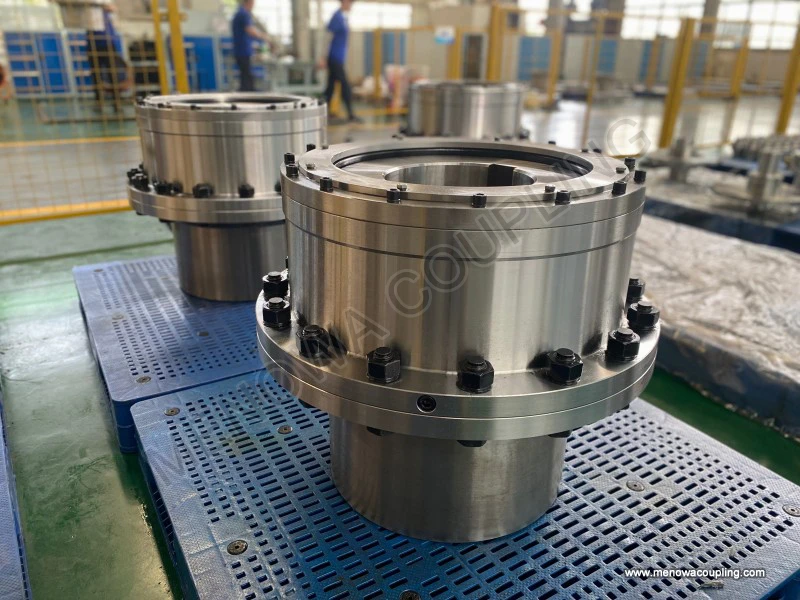
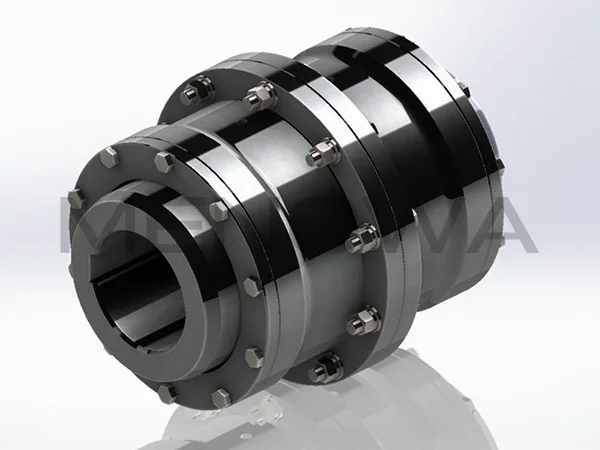
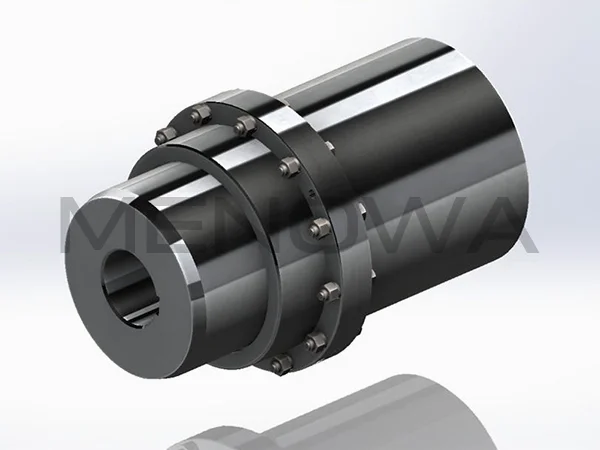
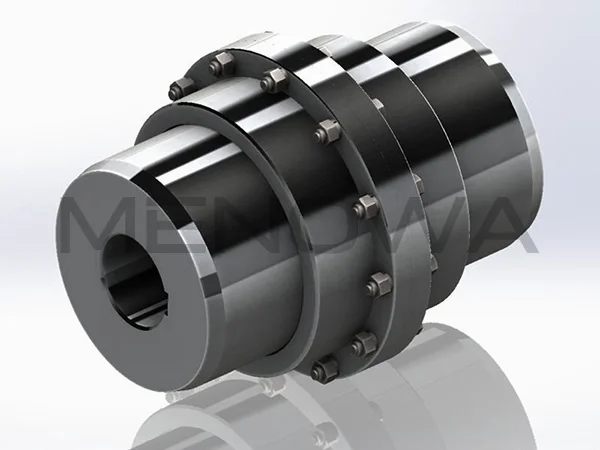
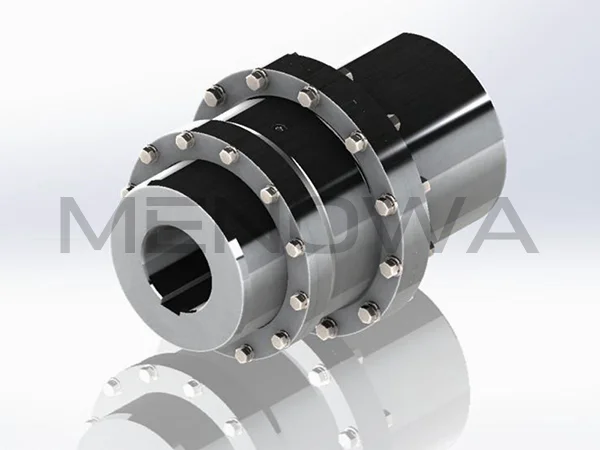
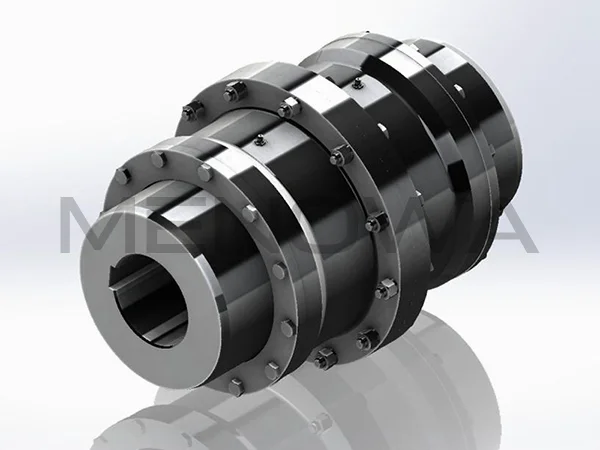
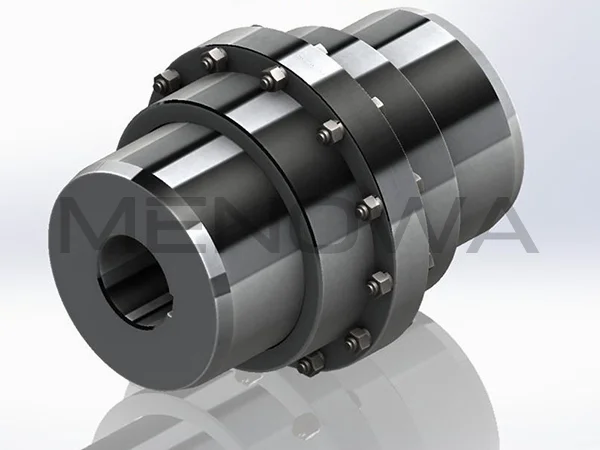
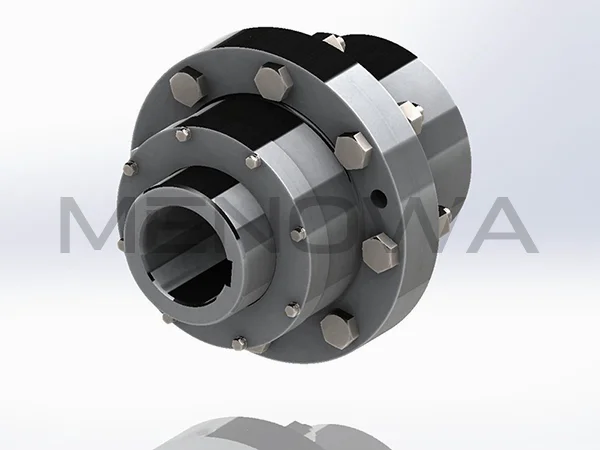
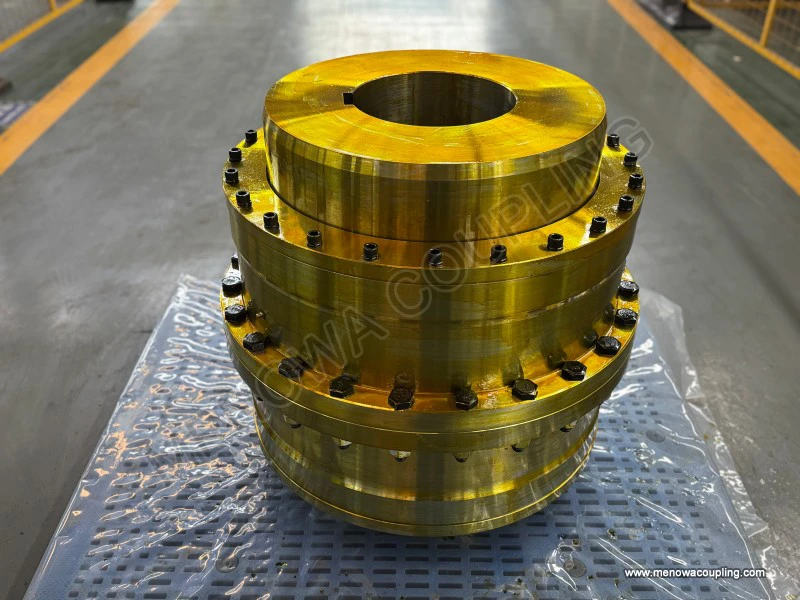
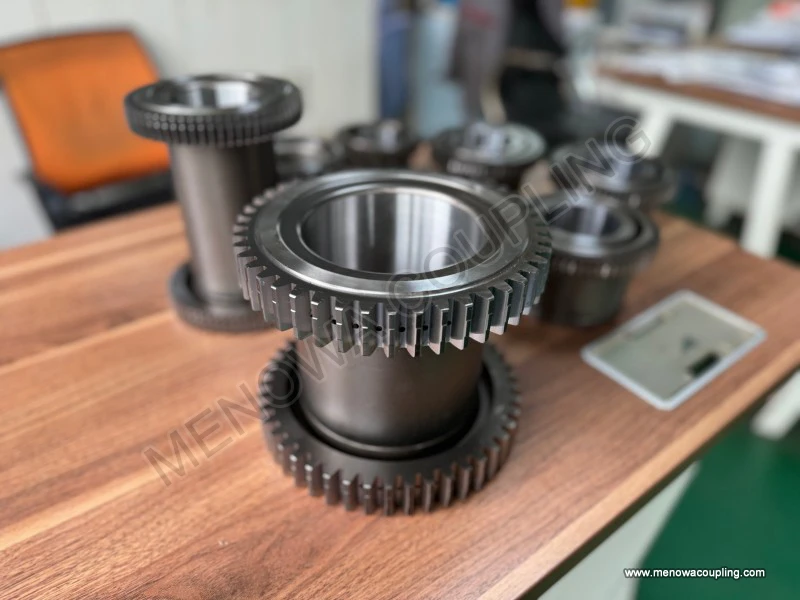
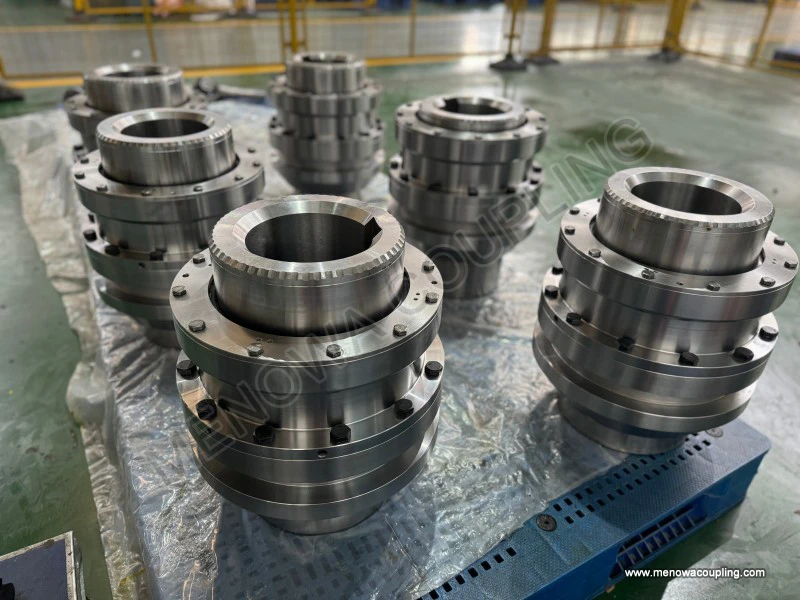
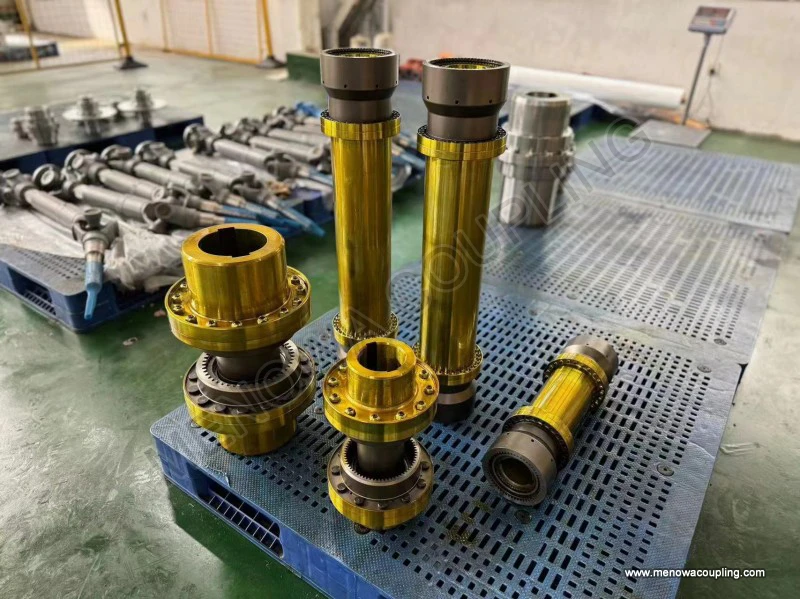
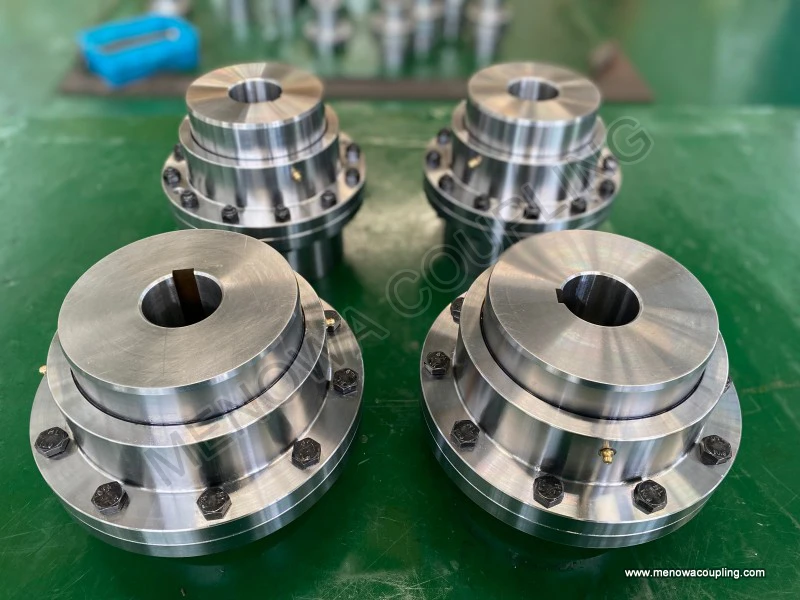
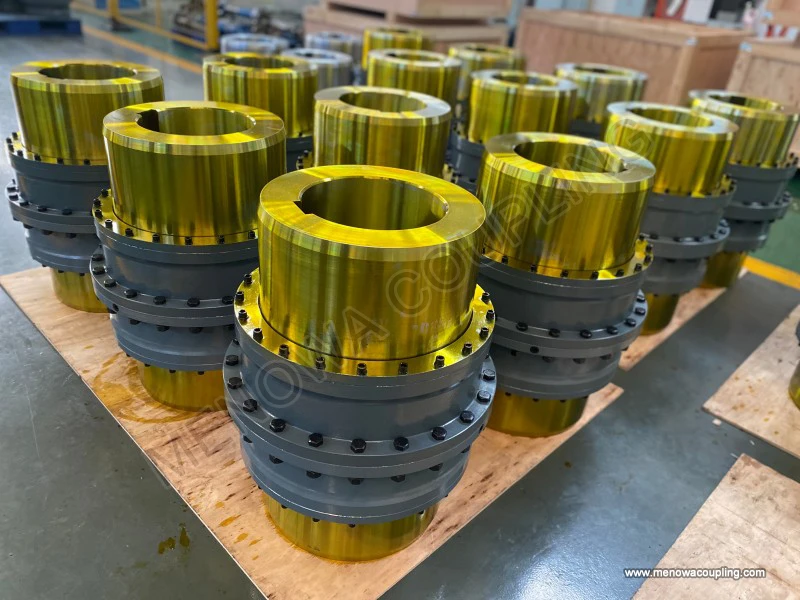
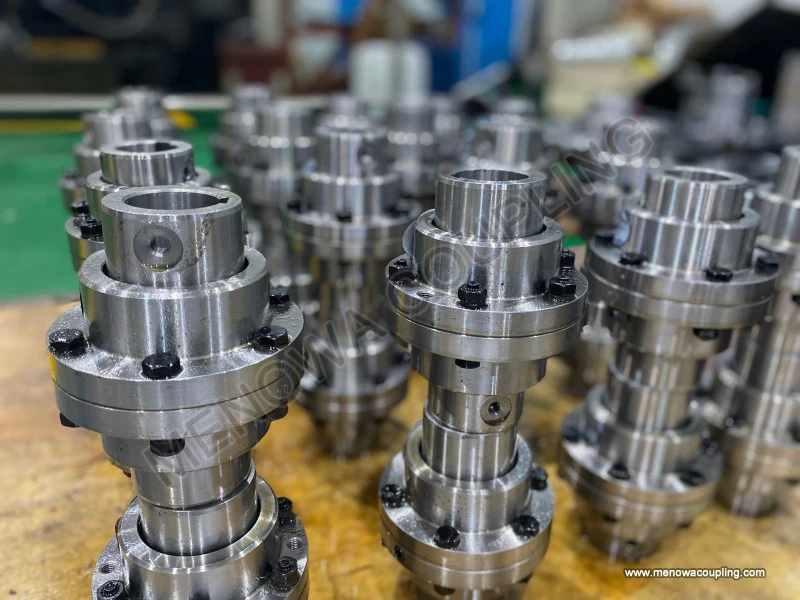
The basic structural composition of gear type couplings lays the foundation for their core performance and application value, consisting primarily of two shaft hubs with external gear teeth and a central sleeve with internal gear teeth that engages with the external gears. The paired meshing structure between internal and external gears forms the core working unit of the coupling, while auxiliary structures including sealing components and lubrication chambers ensure long-term stable operation of the meshing parts. Most conventional gear type couplings adopt a crowned tooth profile design, where the curved surface of external gear teeth effectively optimizes the contact state between meshing teeth. This structural improvement eliminates the problem of local edge stress concentration caused by minor shaft misalignment, enabling uniform load distribution on the tooth surface during torque transmission. Such a structural feature not only enhances the mechanical stability of the coupling but also extends the effective service life of key components, becoming a key indicator that distinguishes high-quality gear type couplings from ordinary transmission connecting parts.
In actual mechanical operation scenarios, shaft misalignment is an almost inevitable phenomenon caused by installation errors, equipment vibration, thermal expansion and contraction of metal components, and long-term operational wear. Gear type couplings possess excellent multi-directional misalignment compensation capabilities, which can adapt to angular deviation, parallel radial deviation, and axial displacement between two connected rotating shafts. When angular misalignment occurs between shafts, the crowned tooth structure allows the meshing contact point to shift freely along the tooth surface curve, maintaining continuous and stable torque output without generating additional mechanical resistance. For axial displacement caused by thermal expansion of equipment components during high-load operation, the reserved tooth side gaps of gear type couplings provide sufficient movable space to avoid axial extrusion stress between shafts. The adaptive compensation for various misalignment states effectively reduces the operating load of the entire transmission system, lowers the wear rate of bearings, shafts and other core mechanical parts, and greatly improves the overall operational stability of the equipment.
Material selection is a decisive factor affecting the comprehensive performance and application value of gear type couplings, and different metal materials directly determine the structural strength, wear resistance, fatigue resistance and environmental adaptability of the product. High-performance gear type couplings are usually manufactured from high-strength alloy steel materials that undergo standardized forging and heat treatment processes. Forging processing optimizes the internal metal fiber structure of the material, eliminating internal pores and impurities, and significantly improving the overall compactness and structural toughness of the coupling. Subsequent quenching and tempering treatments enhance the surface hardness and core toughness of gear teeth, enabling the components to withstand long-term high-load torque impact and frequent start-stop vibration. In contrast, ordinary low-cost gear type couplings often adopt common carbon steel with simple processing, which has limited surface hardness and poor fatigue resistance, prone to tooth surface wear, deformation and even tooth breakage after long-term heavy-load operation. The difference in material grade and processing technology directly leads to distinct differences in service life, operational stability and maintenance cycle of gear type couplings in practical applications, forming an important dimension of product differentiation in the market.
Processing precision and manufacturing craftsmanship further differentiate the quality and practical value of gear type couplings, with the dimensional accuracy of gear teeth, surface finish of meshing parts, and coaxiality of hub components all affecting the overall working performance. High-precision processing ensures that the tooth spacing, tooth profile curvature and tooth side gaps of internal and external gears maintain consistent and reasonable standards, enabling uniform meshing of all tooth surfaces during operation and avoiding partial overload caused by individual tooth stress concentration. Fine grinding treatment on the gear tooth surface reduces surface roughness, minimizes friction resistance during relative sliding of meshing teeth, and lowers power loss and heat generation during equipment operation. In addition, precise machining of the shaft hole and keyway of the coupling hub ensures tight matching with the connected shaft, eliminating relative rotation and micro-vibration between components during high-speed operation. Poor processing precision will lead to uneven meshing gaps, increased friction and wear, obvious vibration and noise during equipment operation, and even accelerated aging of the entire transmission system, resulting in higher comprehensive operating costs for enterprises in the long run.
Lubrication and sealing performance are key auxiliary indicators that affect the long-term operational reliability of gear type couplings, and also constitute an important part of product quality differences. The meshing parts of gear type couplings require continuous lubrication to reduce dry friction between tooth surfaces, alleviate wear, and dissipate heat generated by friction during high-load operation. High-quality gear type couplings are equipped with closed sealing structures, which can effectively lock internal lubricating grease, prevent lubricant leakage, and isolate external dust, moisture and corrosive impurities from entering the meshing area. Good sealing performance avoids lubricant failure caused by external pollution, ensures long-term effective lubrication of gear teeth, and reduces the frequency of manual refueling and maintenance. Inferior products often have simple sealing structures with poor tightness, which are prone to lubricant loss and dust accumulation. Long-term operation under poor lubrication conditions will cause severe abrasion and corrosion of gear teeth, rapidly reduce transmission efficiency, and even lead to sudden equipment failure and shutdown, bringing unnecessary production losses to users.
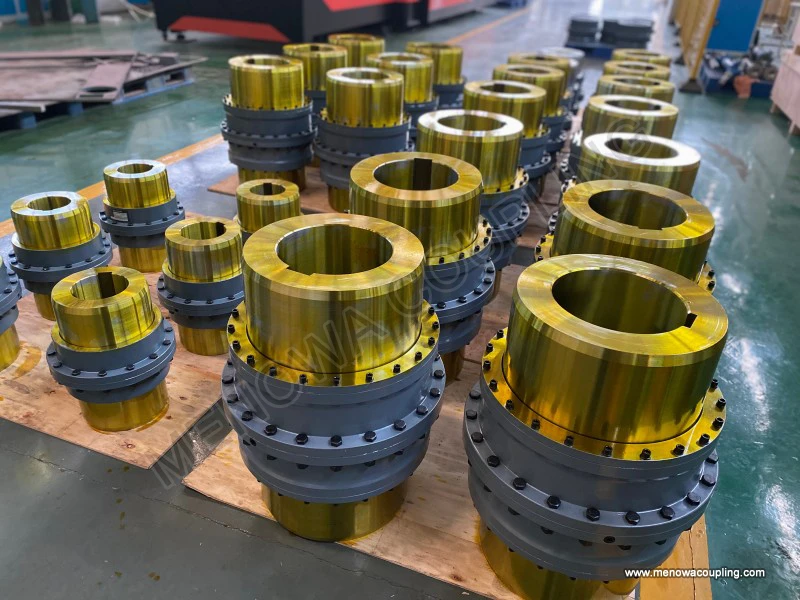
The adaptability of gear type couplings to different working conditions is an important embodiment of their comprehensive value, and their structural characteristics enable them to cope with various complex industrial operation environments. In low-speed and heavy-load working scenarios such as metallurgical rolling equipment, mining conveying machinery, and large hoisting equipment, gear type couplings can stably transmit large torque and withstand frequent impact loads, maintaining stable power output under long-term continuous operation. In medium and high-speed operation environments such as power generation equipment and chemical transmission devices, high-precision balanced gear type couplings can effectively reduce rotational vibration and noise, ensuring smooth and efficient operation of the transmission system. Meanwhile, optimized structural designs enable some gear type couplings to adapt to harsh environments including high temperature, low temperature and mild corrosion, with good environmental resistance and structural stability. The wide working condition adaptability makes gear type couplings applicable to almost all heavy mechanical transmission fields, and different customized designs for working conditions also form differentiated product value levels in the market.
The service life and maintenance cost of gear type couplings are core factors that users focus on when selecting products, and are also important components of their overall cost performance. High-quality gear type couplings with excellent materials and precise processing have strong wear resistance and fatigue resistance, with stable performance in long-term continuous operation, low failure rate, and long service cycle. Their reliable operation reduces the frequency of equipment shutdown maintenance, improves the continuous operation efficiency of production lines, and indirectly saves a large amount of production and maintenance costs for enterprises. In terms of daily maintenance, products with good sealing and lubrication systems have simple maintenance procedures, requiring only regular inspection of sealing integrity and lubricant status, with low maintenance difficulty and cost. In contrast, low-grade gear type couplings have short service life and high failure probability, requiring frequent component replacement and equipment debugging. The frequent shutdown maintenance not only increases the direct replacement cost of parts but also affects the continuous production rhythm of enterprises, resulting in higher comprehensive use cost in the whole life cycle.
Market demand characteristics and industrial application trends also subtly influence the value positioning of gear type couplings. With the continuous upgrading of industrial intelligent manufacturing and large-scale mechanical equipment, the market has put forward higher requirements for the precision, stability, durability and customization of gear type couplings. More industrial scenarios require couplings to support high-precision transmission, long-term trouble-free operation and adaptive matching of special working conditions, which promotes the continuous upgrading of product design, material technology and processing technology. Standardized conventional gear type couplings are suitable for general conventional working conditions, with mature manufacturing processes and stable market supply. Customized products optimized for special working conditions such as ultra-heavy load, ultra-high speed and extreme temperature environments need targeted structural improvement and process adjustment, with higher technical threshold and manufacturing difficulty, thus having higher comprehensive use value. Meanwhile, the improvement of industrial energy-saving and environmental protection requirements also promotes the optimization of gear type coupling structures, reducing friction power loss and improving transmission efficiency, further enhancing the comprehensive application value of high-quality products.
In the actual selection process, users need to comprehensively judge the matching degree of gear type couplings with their own equipment working conditions, rather than simply pursuing low initial matching cost. The comprehensive value of gear type couplings runs through the whole process of equipment installation, operation, maintenance and replacement. Products with excellent comprehensive performance can effectively protect the transmission system and core components of mechanical equipment, reduce operational failures and maintenance costs, and improve the overall operational efficiency and service life of equipment. Products with simple manufacturing and low comprehensive performance may save initial procurement cost, but they are prone to various operational problems in the later stage, bringing higher hidden costs and production risks. Therefore, the core of selecting gear type couplings is to balance performance, stability, service life and maintenance cost, and select products with optimal cost performance according to actual working condition requirements, so as to ensure the long-term stable and efficient operation of mechanical transmission systems.
Post Date: May 25, 2026
https://www.menowacoupling.com/china-coupling/gear-type-coupling-price.html
Products
Tags
Supply
Related Articles
Barrel Gear Coupling Sleeves
Barrel gear coupling sleeves stand as essential structural and functional components within modern mechanical power transmission systems, serving as the central connecting medium that bridges driving and driven shafts across a vast range of industrial machinery and rotating equipment. In every mechanical setup that reli…Diagram of Curved Tooth Coupling
The diagram of curved tooth coupling intuitively presents the structural layout, meshing logic and spatial assembly relationship of this mainstream flexible transmission component, serving as a core technical reference for design optimization, model selection, installation and maintenance in the global industrial machin…Gear Type Coupling Factory
Gear type couplings stand as one of the most reliable and widely adopted power transmission components in modern industrial mechanical systems, serving as a critical bridge between rotating shafts in diverse heavy-duty and high-precision equipment. As a professional gear type coupling manufacturing facility, we focus on…Material of Gear Type Coupling
Gear type couplings stand as one of the most reliable and widely adopted power transmission components in modern mechanical systems, renowned for their high torque transmission capacity, compact structural design, and excellent tolerance to shaft misalignment. The overall performance, service lifespan, and operational s…Diagram of Gear Type Coupling
A gear type coupling is a crucial mechanical component widely utilized in industrial transmission systems to connect two rotating shafts, enabling the efficient transfer of torque while accommodating minor misalignments that may occur during operation. Unlike rigid couplings that require precise alignment between shafts…Gear Type Coupling For Sale
A gear type coupling is a versatile and robust mechanical device designed to connect two rotating shafts, enabling the efficient transmission of torque while accommodating a certain degree of misalignment between the shafts. This type of coupling is widely recognized for its ability to handle heavy loads and harsh opera…
 WeChat
 WhatsApp