Uses of Flexible Diaphragm Coupling
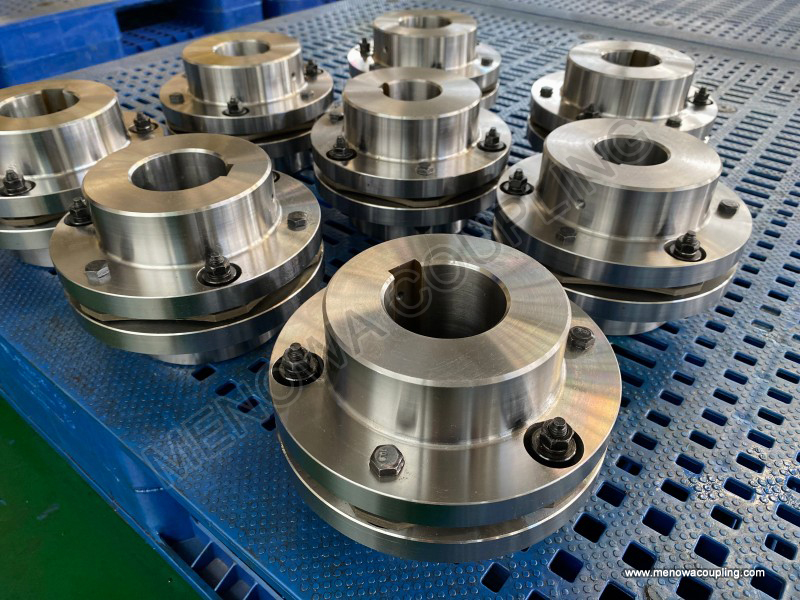
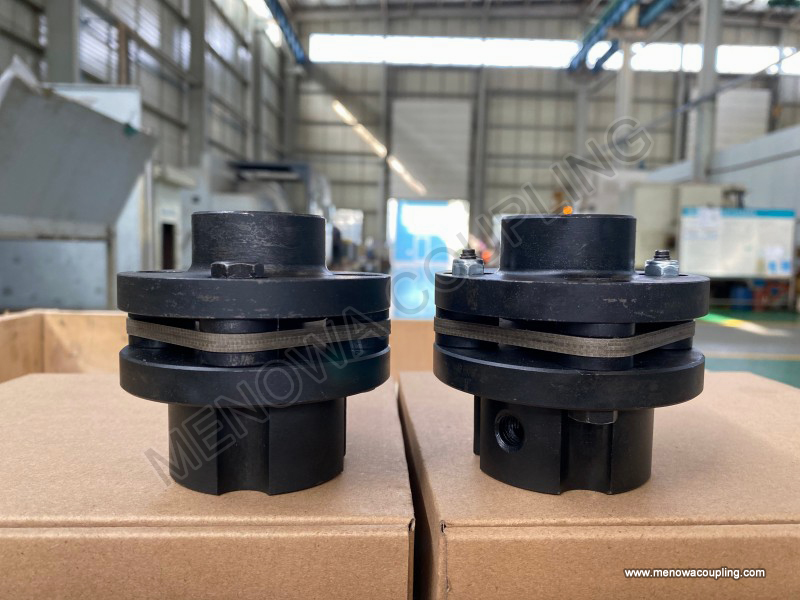
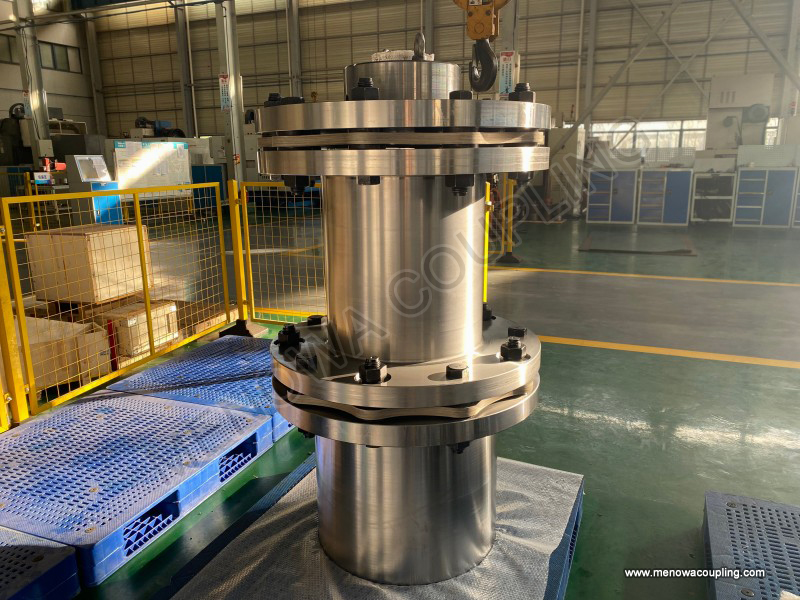
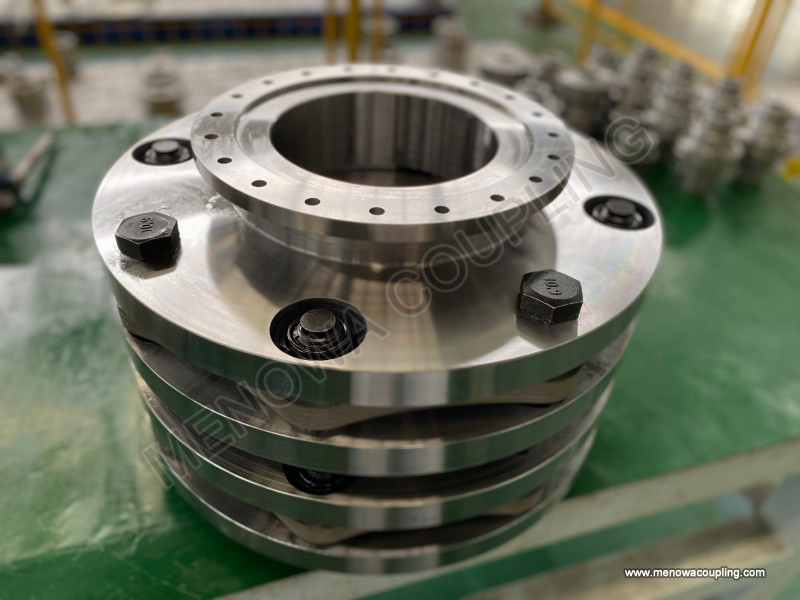
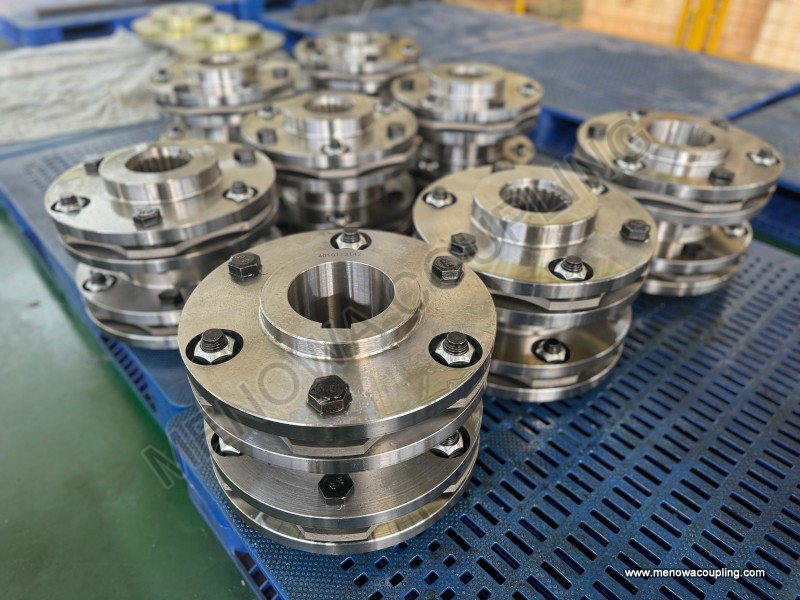
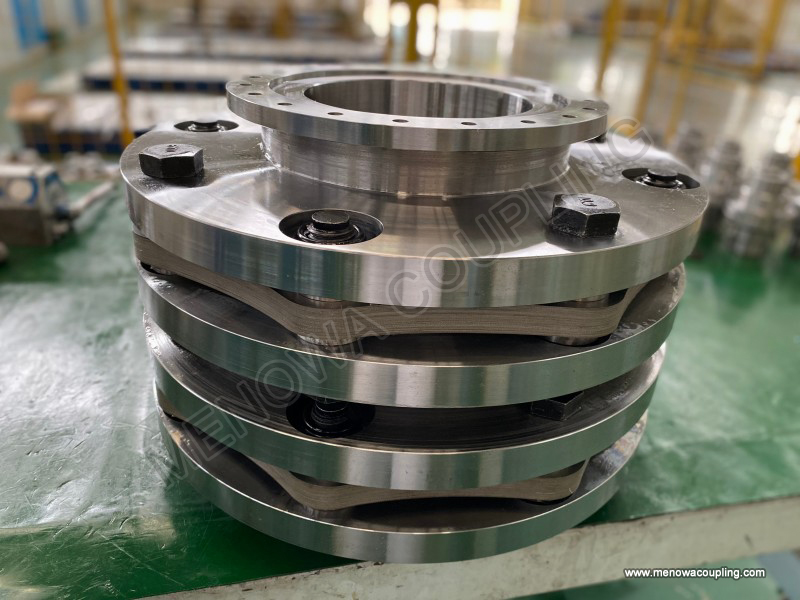
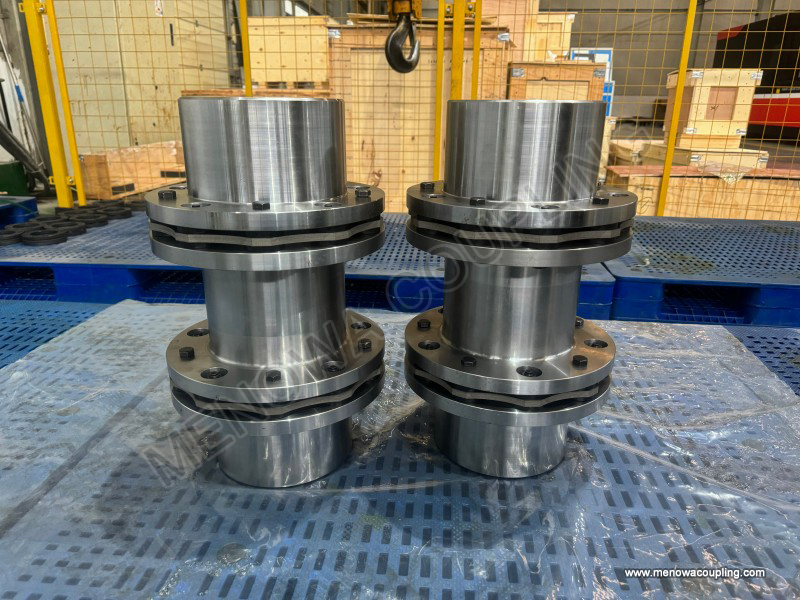
In modern mechanical transmission systems, the stable connection and efficient torque transmission between rotating shafts are the core guarantees for the normal operation of all kinds of mechanical equipment. As a high-performance metal flexible transmission component, flexible diaphragm coupling has gradually become an indispensable key part in industrial manufacturing, energy power, aerospace and many other fields by virtue of its unique elastic deformation working principle and excellent comprehensive mechanical properties. Different from traditional rigid couplings and ordinary elastic couplings that rely on rubber or spring deformation, flexible diaphragm couplings complete torque transmission through the elastic deformation of thin metal diaphragms, and can synchronously compensate multiple types of shaft misalignment generated during equipment operation. This unique working mechanism endows it with irreplaceable application value in complex and harsh working conditions, making it widely used in high-speed, high-precision, high-load and corrosion-prone mechanical transmission scenarios.
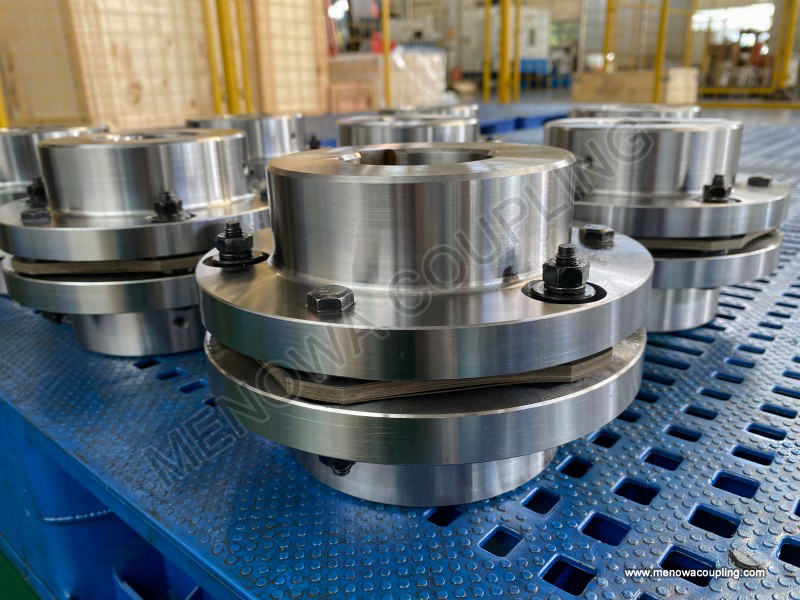
The core functional advantages of flexible diaphragm couplings lay the foundation for their diverse industrial applications. First of all, this type of coupling has outstanding misalignment compensation capability. During the long-term operation of mechanical equipment, the rotating shafts of driving and driven components are inevitably affected by installation errors, equipment vibration, thermal expansion and contraction, and foundation settlement, resulting in axial displacement, angular deflection and radial offset between shafts. These subtle misalignments will produce additional bending stress and friction resistance on the transmission shaft system, which will accelerate the wear of bearings and shaft parts, reduce transmission efficiency, and even cause equipment failure in severe cases. The metal diaphragm of flexible diaphragm coupling can produce tiny elastic deformation in multiple directions, which can effectively absorb and compensate the above various misalignments, eliminate additional mechanical stress of the shaft system, and maintain the stability of the transmission state. Secondly, it has excellent high-speed operation adaptability. The overall structure of flexible diaphragm coupling is compact and symmetrical, with low rotational inertia and good dynamic balance performance. There is no flexible vulnerable parts such as rubber sleeves and springs that are easy to age and deform, so it can maintain stable operation under long-term high-speed rotation conditions, effectively suppress mechanical vibration and noise generated during high-speed transmission, and avoid resonance problems that may damage equipment. In addition, this coupling has strong environmental adaptability. Made of high-strength metal materials, it can resist the erosion of high temperature, low temperature, acid and alkali corrosive media, and is not prone to aging, deformation and damage in harsh working environments, realizing long-term maintenance-free operation and greatly reducing the operation and maintenance cost of mechanical equipment.
The energy and power industry is one of the most important application fields of flexible diaphragm couplings, covering thermal power generation, new energy power generation, gas turbine transmission and other core scenarios. In power generation equipment such as steam turbines and gas turbines, the equipment needs to run continuously for a long time under high temperature and high-speed working conditions. The shaft system will produce obvious thermal expansion displacement with the change of operating temperature, and the traditional coupling is difficult to adapt to the real-time displacement change, which is easy to cause shaft system vibration and power transmission fluctuation. Flexible diaphragm couplings can flexibly compensate the axial and angular displacement caused by thermal growth of the shaft system, ensure the stable and continuous transmission of high-power torque, and maintain the efficient operation of power generation units. In wind power generation systems, the transmission link between wind turbine blades and generators needs to bear alternating loads caused by unstable wind speed. The elastic deformation characteristics of flexible diaphragm couplings can buffer and absorb alternating impact loads, protect the precision transmission structure inside the generator, reduce the failure rate of wind power equipment, and improve the overall power generation stability. At the same time, in various generator sets and power transmission equipment, this coupling can also reduce the vibration transmission between the prime mover and the generator, avoid the vibration mutual interference of each component of the unit, and create a stable operating environment for high-power power transmission equipment.
Petroleum, chemical and process manufacturing industries also rely heavily on the reliable performance of flexible diaphragm couplings. In chemical production scenarios, most of the fluid transmission equipment such as chemical pumps and delivery pumps need to transport corrosive, high-temperature and viscous media for a long time. The operating environment is harsh, and the equipment shaft system is easy to be affected by medium corrosion and temperature change to produce displacement and vibration. Flexible diaphragm couplings with corrosion-resistant metal structure can adapt to the corrosive working environment of chemical workshops, stably transmit torque for high-power chemical pumps, and compensate the shaft misalignment caused by equipment operation and environmental changes, ensuring the continuous operation of chemical fluid transmission lines. In petroleum exploitation and transportation equipment, whether it is underground mining power transmission equipment or ground oil pipeline delivery devices, they all need to bear complex impact loads and variable torque. The good toughness and fatigue resistance of flexible diaphragm couplings enable them to resist long-term alternating load impact, avoid transmission failure caused by fatigue damage of coupling parts, and ensure the stability of petroleum exploitation and transportation operations. In addition, in compressor equipment widely used in process industry, including screw compressors and reciprocating compressors, the frequent start and stop and alternating operation of equipment will produce obvious vibration and shaft displacement. Flexible diaphragm couplings can effectively isolate vibration, reduce the vibration transmission between the compressor and the matching power equipment, improve the operation precision of the compressor, and ensure the stable compression and transportation of industrial gas.
In the field of precision mechanical manufacturing and machine tool equipment, the high precision and high stability characteristics of flexible diaphragm couplings are fully exerted. Modern CNC machine tools, precision grinding machines, milling machines and other processing equipment have extremely high requirements on the transmission accuracy and positioning accuracy of the shaft system. Tiny transmission errors or shaft vibration will directly affect the dimensional accuracy and surface quality of processed parts. Flexible diaphragm couplings realize torque transmission through metal diaphragm elastic deformation, with almost no transmission gap and tiny deformation error, which can maintain high-precision synchronous rotation of the driving and driven shafts, effectively ensure the micrometer-level positioning accuracy of machine tool feed axis and spindle rotation accuracy. At the same time, the coupling can absorb the subtle vibration generated during the high-speed operation of the machine tool, avoid the tool vibration and workpiece jitter caused by transmission vibration, and significantly improve the processing quality and surface finish of mechanical parts. In addition, in automated production equipment such as precision conveying machinery and robotic arm transmission systems, flexible diaphragm couplings can adapt to frequent forward and reverse rotation and variable speed operation, maintain stable transmission accuracy under complex motion states, and meet the high-precision transmission requirements of intelligent manufacturing equipment.
Aerospace and high-end transportation fields put forward ultra-high requirements for equipment lightweight, high reliability and high environmental adaptability, and flexible diaphragm couplings have become the preferred transmission components for many core equipment by virtue of their excellent comprehensive performance. In aerospace equipment such as aircraft auxiliary power units and aero-engine transmission systems, the equipment needs to work in extreme environments such as high altitude, low temperature and high temperature alternation, and the transmission system requires lightweight design to reduce the overall load of the aircraft. Flexible diaphragm couplings have compact structure and light weight while ensuring high torque transmission capacity, which can effectively reduce the overhanging load of equipment bearings and optimize the overall stress state of the transmission system. At the same time, its excellent high and low temperature resistance and fatigue resistance can adapt to the extreme temperature change environment of aerospace operation, ensure the long-term stable operation of the transmission system, and meet the high reliability requirements of aerospace equipment. In helicopter rotor transmission systems, the coupling needs to bear continuous alternating impact loads during flight. The elastic buffering performance of flexible diaphragm couplings can absorb impact vibration in the transmission process, protect the core transmission structure of the rotor, and ensure the flight safety and operation stability of helicopters. In high-speed ship power transmission systems, this coupling can resist the vibration and impact caused by ship navigation and water flow fluctuation, compensate the shaft displacement caused by hull deformation and equipment operation, and maintain the efficient transmission of ship power systems.
In heavy machinery and mining metallurgy industry, flexible diaphragm couplings undertake the heavy-load torque transmission task. Mining machinery, metallurgical rolling equipment, heavy conveyor equipment and other devices often work in high-load, dusty and high-vibration working environments, and the transmission system needs to bear huge torque and frequent impact loads. Flexible diaphragm couplings have high torque transmission capacity and strong structural rigidity, which can stably transmit heavy-load torque for heavy machinery and avoid transmission slipping and failure under high-load conditions. At the same time, in the long-term high-vibration working environment of mines and metallurgical workshops, the coupling can continuously compensate the shaft misalignment caused by equipment vibration and foundation deformation, reduce the wear of shaft system parts and bearing friction loss, and extend the service life of heavy machinery and equipment. In metallurgical rolling production, the continuous operation of rolling mills requires the transmission system to maintain high stability. The good vibration reduction performance of flexible diaphragm couplings can suppress the resonance of rolling equipment, ensure the continuity and stability of rolling production, and improve the production efficiency of metallurgical processing.
Compared with other traditional coupling products, the application advantages of flexible diaphragm couplings in various industries are very prominent, which also explains their wide popularity in modern industrial transmission. Different from gear couplings which are easy to wear and have large transmission noise, and rubber elastic couplings which are easy to aging and fail in high and low temperature environments, flexible diaphragm couplings have no wearing parts, no need for regular replacement and maintenance, and have a long service life. Their metal elastic structure is not affected by temperature changes and chemical corrosion in most industrial environments, and can maintain stable transmission performance for a long time. In addition, their small rotational inertia and fast response speed make them more suitable for variable speed and frequent start-stop equipment, which can effectively improve the dynamic response performance of the mechanical transmission system and optimize the overall operating efficiency of the equipment.
With the continuous upgrading of modern industrial equipment towards high speed, high precision and high reliability, the application scenarios of flexible diaphragm couplings are constantly expanding. In emerging fields such as new energy equipment and intelligent automation production, higher requirements are put forward for the stability, precision and service life of mechanical transmission components. Flexible diaphragm couplings can well adapt to the development trend of modern machinery manufacturing by virtue of their excellent misalignment compensation, vibration reduction, high-speed resistance and corrosion resistance. In the future, with the continuous optimization of material performance and structural design, flexible diaphragm couplings will be further applied in more high-end precision equipment and extreme working condition scenarios, providing more reliable basic guarantee for the stable operation of modern mechanical transmission systems. As a key basic component of mechanical transmission, its diverse application values will continue to be explored and exerted, and play an indispensable role in promoting the high-quality development of industrial manufacturing industry.
Post Date: May 25, 2026
https://www.menowacoupling.com/china-coupling/uses-of-flexible-diaphragm-coupling.html
Products
Tags
Related Articles
Specification of Flexible Diaphragm Coupling
Flexible diaphragm couplings represent a pivotal category of metal elastic transmission components widely adopted in high-precision mechanical power transmission systems, serving the core function of connecting driving and driven shafts to achieve stable torque transmission while accommodating inevitable shaft misalignm…Classification of Flexible Diaphragm Coupling
Flexible diaphragm couplings are essential components in modern mechanical transmission systems, designed to connect two shafts while compensating for relative displacements caused by manufacturing errors, installation deviations, thermal expansion, or operational vibrations. Unlike rigid couplings that require precise …Flexible Diaphragm Coupling Factory
A flexible diaphragm coupling factory is a specialized manufacturing facility dedicated to producing high-performance flexible diaphragm couplings, which are essential mechanical components used to connect two rotating shafts in various industrial applications. These couplings play a critical role in transmitting torque…Flexible Diaphragm Coupling Manufacture
Flexible diaphragm couplings stand as critical components in modern power transmission systems, bridging driving and driven shafts while accommodating misalignment, absorbing vibration, and ensuring efficient torque delivery across diverse industrial scenarios. The manufacture of these precision components integrates ma…Types of Diaphragm Coupling
Diaphragm couplings stand as a vital category of flexible metal couplings widely utilized in modern mechanical power transmission systems, designed to connect driving and driven shafts while delivering stable torque transfer and accommodating various forms of shaft misalignment through the elastic deformation of metal d…Structure of Flexible Diaphragm Coupling
Flexible diaphragm coupling serves as a vital mechanical transmission component widely applied in high-precision and high-speed mechanical transmission systems, relying on elastic deformation of metal diaphragm components to realize torque transmission and shaft misalignment compensation. Different from traditional flex…
 WeChat
 WhatsApp