Characteristics of Flexible Diaphragm Coupling
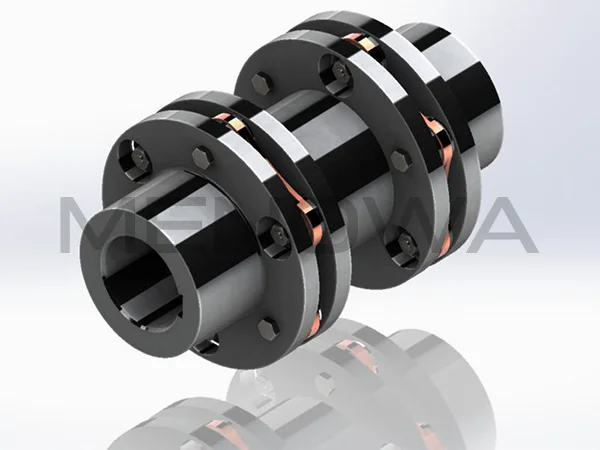
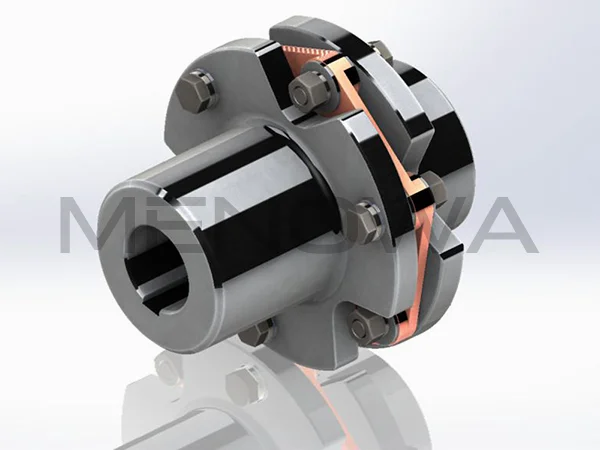
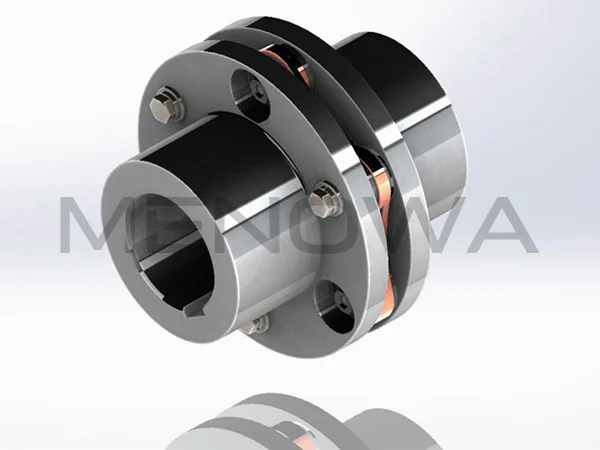
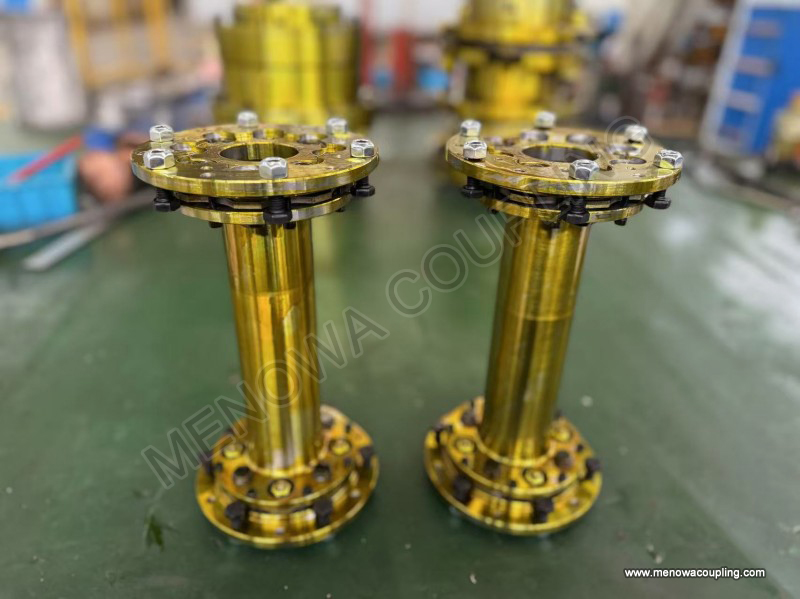
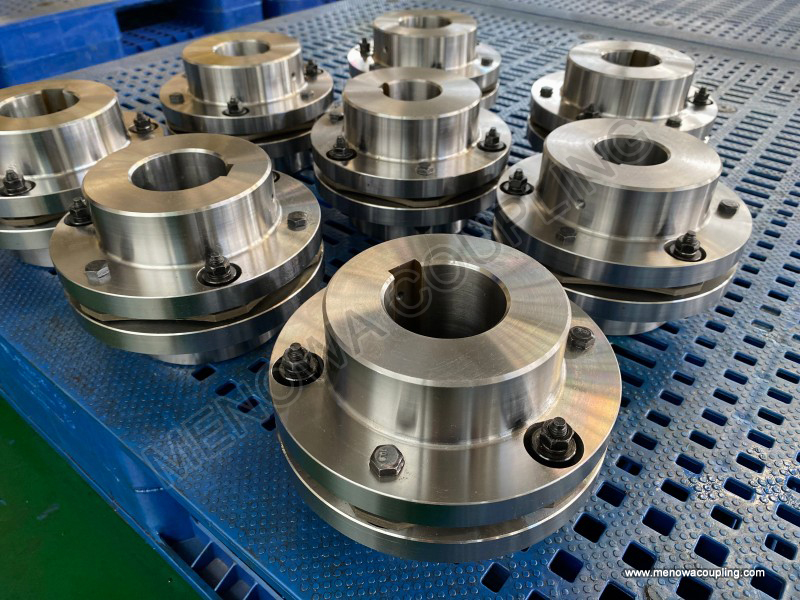
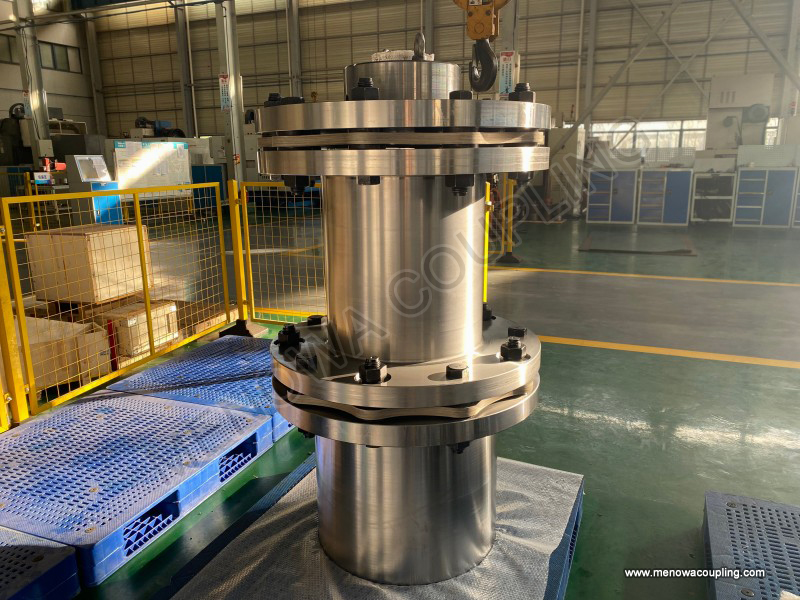
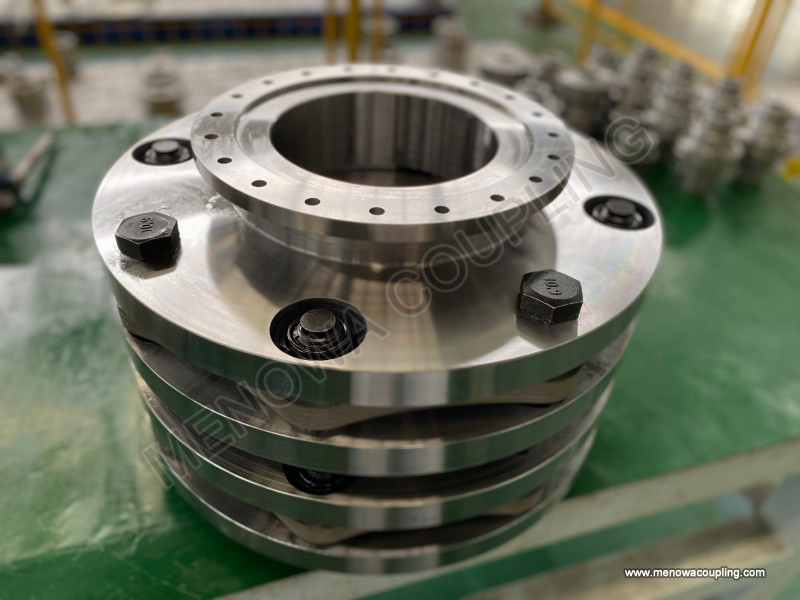
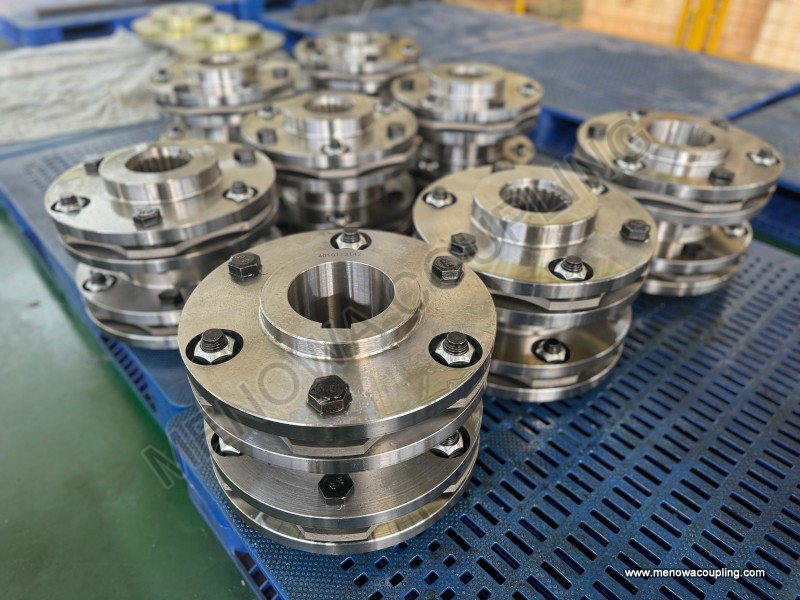
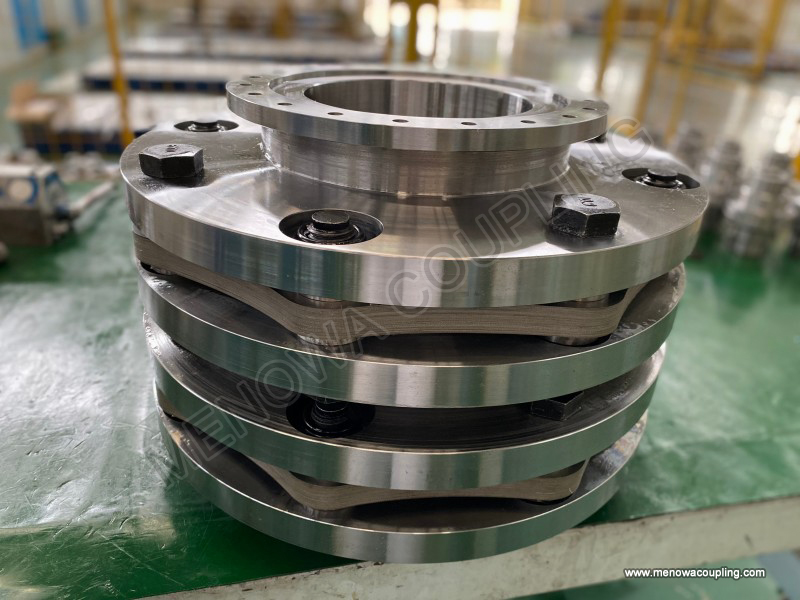
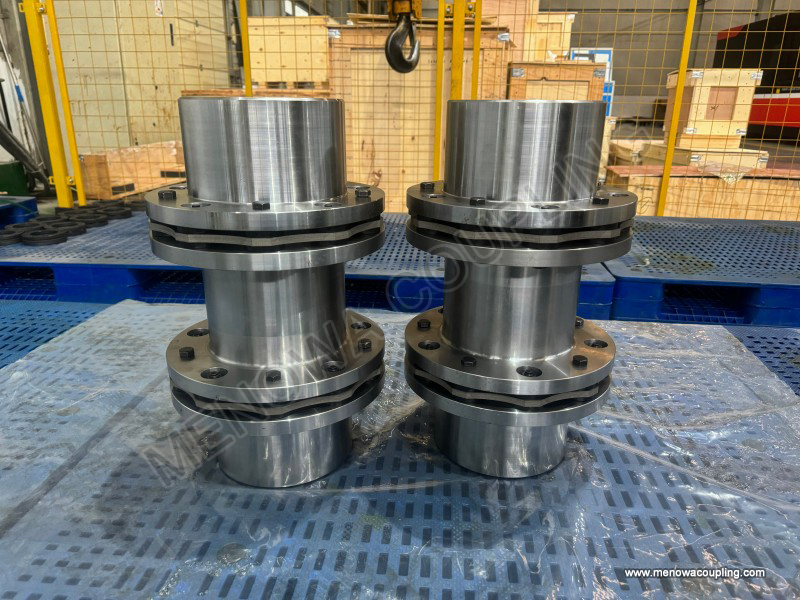
A flexible diaphragm coupling is a high-performance flexible coupling that uses metal elastic elements to connect two rotating shafts in industrial machinery, enabling efficient torque transmission while accommodating various types of misalignment between the shafts. Unlike many other coupling types that rely on rubber or plastic elastomers or require continuous lubrication, this coupling uses thin, flexible metal diaphragms as the core elastic component, which gives it unique advantages in terms of performance, reliability, and adaptability. Composed of two flanges, a set of diaphragms, and fasteners, the flexible diaphragm coupling is designed to transmit torque from the driving shaft to the driven shaft through the elastic deformation of the diaphragms, while compensating for axial, radial, and angular displacements caused by manufacturing errors, installation deviations, load deformation, and temperature changes during operation. The diaphragms, usually made of high-strength stainless steel or alloy steel thin plates stacked together, are connected to the two flanges in a staggered manner using bolts, ensuring a tight and stable connection without rotational clearance. This structural design not only ensures high transmission accuracy but also simplifies the overall structure, making the coupling lightweight, compact, and easy to install and maintain.
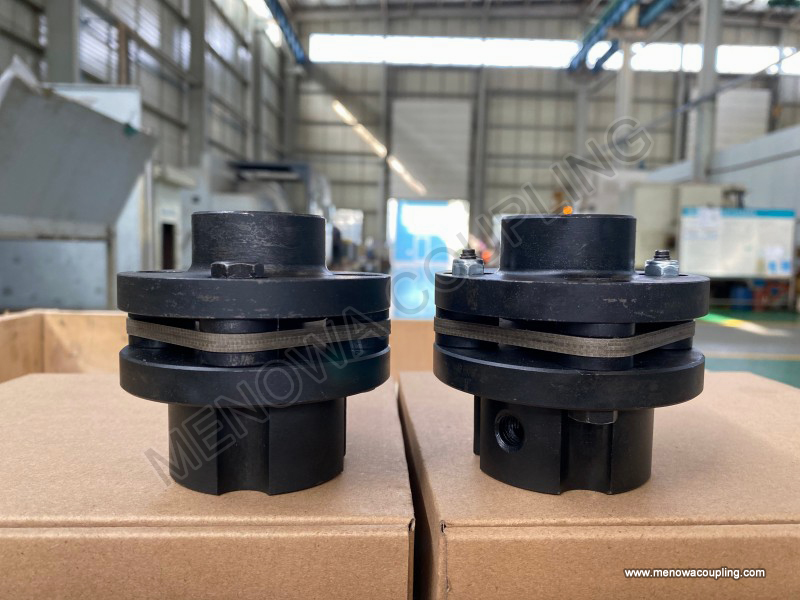
One of the most prominent characteristics of the flexible diaphragm coupling is its high-precision transmission capability. Thanks to the zero-rotation clearance design between the diaphragms and the flanges, there is no relative sliding or backlash during torque transmission, which allows the coupling to accurately transmit speed and torque. The transmission efficiency of this type of coupling can reach as high as 99.86%, which is significantly higher than that of many traditional couplings such as gear couplings. This high efficiency and precision make it particularly suitable for applications that require strict motion control and positioning accuracy, such as servo systems, precision machine tools, and other high-end equipment. In precision machining, for example, the flexible diaphragm coupling can ensure that the torque is transmitted stably and accurately, avoiding errors caused by transmission clearance, thus improving the processing accuracy of the workpiece. Moreover, the zero-clearance design also enhances the response speed of the motion control system, making it more sensitive to changes in the driving signal and improving the overall performance of the equipment.
Another key characteristic of the flexible diaphragm coupling is its excellent misalignment compensation capability. During the operation of industrial equipment, due to factors such as manufacturing errors, installation inaccuracies, thermal expansion of the shafts, and deformation under load, the two connected shafts often have relative displacements in axial, radial, and angular directions. The flexible diaphragms of the coupling can undergo elastic deformation to compensate for these displacements, thereby reducing the additional stress on the shafts, bearings, and other components, and extending the service life of the entire transmission system. Compared with gear couplings, the flexible diaphragm coupling has a stronger angular displacement compensation capability, which can reach about 1.5 degrees, twice that of traditional gear couplings. In terms of radial displacement compensation, the reaction force generated by the flexible diaphragm coupling is smaller, and it has greater flexibility, which can better adapt to the dynamic changes of the equipment during operation. This compensation capability is particularly important in large-scale equipment such as steam turbines and gas turbines, where thermal expansion of the shafts during operation can lead to significant axial and angular displacements, and the flexible diaphragm coupling can effectively absorb these displacements to ensure stable operation of the equipment.
The flexible diaphragm coupling also exhibits excellent environmental adaptability, making it suitable for a variety of harsh working environments. The diaphragms are made of high-strength metal materials with good corrosion resistance, which can operate stably in corrosive media such as acids and alkalis. This makes it an ideal choice for industries with harsh chemical environments, such as the chemical and petrochemical industries. In addition, the coupling has a wide temperature resistance range, generally from -80℃ to +300℃, which allows it to work normally in both extremely low and high-temperature environments. Whether in the low-temperature working conditions of refrigeration equipment or the high-temperature environment of industrial furnaces, the flexible diaphragm coupling can maintain stable performance without being affected by temperature changes. Furthermore, the coupling does not require lubrication during operation, which avoids the problem of oil pollution and makes it suitable for industries with high cleanliness requirements, such as the food, pharmaceutical, and semiconductor industries. The absence of lubrication also reduces maintenance work and costs, as there is no need to regularly add lubricants or replace worn lubrication components.
In terms of dynamic performance, the flexible diaphragm coupling has significant advantages in vibration absorption and noise reduction. The metal diaphragms can absorb and dampen the vibration generated during the operation of the equipment, reducing the vibration transmitted between the shafts and the impact on the bearing load. This not only improves the stability of the equipment operation but also reduces the noise generated during operation, generally keeping the noise below 65dB(A), which creates a more comfortable working environment. The strong impact resistance of the coupling is another notable feature; its peak torque carrying capacity can reach twice the rated value, which enables it to withstand sudden load impacts and avoid damage to the coupling and related components. This makes the flexible diaphragm coupling suitable for applications with unstable loads, such as crushers, conveyors, and other heavy machinery, where sudden load changes often occur.
The structural design of the flexible diaphragm coupling also contributes to its long service life and easy maintenance. The use of high-strength metal materials for the diaphragms and flanges ensures good wear resistance and fatigue resistance, enabling the coupling to operate stably for a long time under high-speed and heavy-load conditions. The simple and compact structure makes the coupling easy to install and disassemble; in some designs with intermediate shafts, the coupling can be disassembled without moving the main equipment, which greatly reduces the maintenance time and labor intensity. In addition, the coupling has no easily worn components such as gears or bearings, which further reduces the frequency of maintenance and replacement, lowering the overall operating cost of the equipment. During routine maintenance, only regular inspection of the bolts and diaphragms for looseness or damage is required, which is simple and convenient.
Due to its excellent comprehensive performance, the flexible diaphragm coupling is widely used in various industries, playing an important role in ensuring the stable and efficient operation of equipment. One of the main application industries is the energy industry, including power generation, oil and gas extraction, and renewable energy. In thermal power plants, flexible diaphragm couplings are used to connect steam turbines and generators, compensating for the axial and angular displacements caused by thermal expansion of the shafts during operation, and ensuring efficient torque transmission. In gas-fired power plants, the coupling is used in combined-cycle power generation systems to handle the high speeds and vibrations of gas turbines, maintaining stable operation of the equipment. In the oil and gas industry, the coupling is used in centrifugal pumps, reciprocating compressors, and agitators in oil refineries and ethylene plants, where it can resist the corrosion of crude oil and chemical media and operate stably in high-temperature and high-pressure environments. In renewable energy fields such as wind power and solar power, the flexible diaphragm coupling is used in wind turbine generators and solar tracking systems, ensuring reliable torque transmission and adapting to the dynamic working conditions of renewable energy equipment.
The aerospace and defense industry is another important application field for flexible diaphragm couplings. Due to their lightweight, compact design, high reliability, and high precision, these couplings are widely used in aircraft engines, helicopter main rotor transmission systems, and auxiliary systems. In aircraft engines, the coupling needs to transmit high torque under high-speed and high-temperature conditions while compensating for small displacements caused by engine vibration, and the flexible diaphragm coupling can meet these strict requirements. In military vehicles and marine propulsion systems, the coupling can resist shock and vibration, ensuring stable power transmission in harsh environments such as battlefields and sea conditions. The high reliability and strong environmental adaptability of the flexible diaphragm coupling make it an indispensable component in the aerospace and defense industry, where equipment performance and safety are of utmost importance.
The process industry, including the chemical, pharmaceutical, and food industries, also relies heavily on flexible diaphragm couplings. In the chemical industry, the coupling is used in high-power chemical pumps, such as sulfuric acid transfer pumps, and agitators, which operate in corrosive environments. The corrosion resistance and no-lubrication design of the coupling avoid oil pollution and ensure the purity of chemical products. In the pharmaceutical industry, where cleanliness requirements are extremely high, the flexible diaphragm coupling is used in mixing equipment, centrifuges, and other machinery, as it does not produce oil pollution and can maintain a clean working environment, ensuring the quality of pharmaceutical products. In the food industry, the coupling is used in food processing equipment such as mixers, conveyors, and packaging machines, where it can operate stably in clean environments and avoid contamination of food products.
The high-end equipment manufacturing industry, including CNC machine tools, robotics, and precision instruments, is another key application field. CNC machine tools require high-precision torque transmission to ensure the accuracy of machining, and the flexible diaphragm coupling's zero-clearance design and high transmission efficiency make it an ideal choice for connecting the feed axis and spindle of CNC machine tools. In robotics, the coupling is used in the joints of industrial robots, transmitting torque accurately while compensating for small displacements caused by robot movement, ensuring the flexibility and precision of robot operations. In precision instruments such as MRI machines and centrifuges, the flexible diaphragm coupling's low vibration and high stability ensure the accuracy of the instruments' measurements and operations.
The heavy machinery industry, including mining, construction, and metallurgy, also widely uses flexible diaphragm couplings. In mining equipment such as crushers, conveyors, and drilling rigs, the coupling can withstand heavy loads and abrasive conditions, absorbing vibration and reducing the impact on equipment components. In steel mills, the coupling is used in rolling mills, blast furnaces, and other equipment, operating in high-temperature, dusty environments while maintaining stable performance. The strong impact resistance and misalignment compensation capability of the coupling make it suitable for the harsh working conditions of heavy machinery, extending the service life of the equipment and reducing maintenance costs.
In addition to the above industries, the flexible diaphragm coupling is also used in the HVAC and refrigeration industry, marine propulsion, and other fields. In the HVAC industry, the coupling is used in chillers, cooling towers, and fans, dampening vibrations and ensuring quiet and efficient operation. In marine propulsion systems, the coupling connects the ship's engine to the propeller shaft, compensating for hull flex and misalignment at sea, ensuring stable power transmission and the safety of the ship's navigation. In the automotive industry, the coupling is used in electric vehicle drive systems, where its high efficiency, low vibration, and compact design are suitable for the requirements of electric vehicles for lightweight and high performance.
It is worth noting that although the flexible diaphragm coupling has many advantages, it also has certain limitations. For example, its torsional elasticity is relatively low, and its buffering and shock absorption performance is not as good as that of some couplings with rubber elastomers. In addition, its overload capacity is relatively weak, so it is necessary to select the appropriate model and specification according to the actual working conditions to avoid damage caused by overloading. However, these limitations do not affect its wide application in various industries, as its advantages in precision, reliability, and environmental adaptability far outweigh its shortcomings.
In summary, the flexible diaphragm coupling is a high-performance metal elastic flexible coupling with characteristics such as high-precision transmission, excellent misalignment compensation capability, strong environmental adaptability, good vibration absorption and noise reduction performance, long service life, and easy maintenance. These characteristics make it widely used in various industries, including energy, aerospace and defense, process industry, high-end equipment manufacturing, heavy machinery, HVAC and refrigeration, and marine propulsion. With the continuous development of industrial technology, the performance requirements for couplings are becoming higher and higher, and the flexible diaphragm coupling, with its unique advantages, will continue to play an important role in the industrial transmission system, promoting the development and progress of various industries.
Post Date: Apr 27, 2026
https://www.menowacoupling.com/china-coupling/characteristics-of-flexible-diaphragm-coupling.html
Products
Tags
Related Articles
Flexible Diaphragm Coupling Factory
A flexible diaphragm coupling factory is a specialized manufacturing facility dedicated to producing high-performance flexible diaphragm couplings, which are essential mechanical components used to connect two rotating shafts in various industrial applications. These couplings play a critical role in transmitting torque…Flexible Diaphragm Coupling Manufacture
Flexible diaphragm couplings stand as critical components in modern power transmission systems, bridging driving and driven shafts while accommodating misalignment, absorbing vibration, and ensuring efficient torque delivery across diverse industrial scenarios. The manufacture of these precision components integrates ma…Types of Diaphragm Coupling
Diaphragm couplings stand as a vital category of flexible metal couplings widely utilized in modern mechanical power transmission systems, designed to connect driving and driven shafts while delivering stable torque transfer and accommodating various forms of shaft misalignment through the elastic deformation of metal d…Structure of Flexible Diaphragm Coupling
Flexible diaphragm coupling serves as a vital mechanical transmission component widely applied in high-precision and high-speed mechanical transmission systems, relying on elastic deformation of metal diaphragm components to realize torque transmission and shaft misalignment compensation. Different from traditional flex…Coaxiality of Flexible Diaphragm Coupling
Coaxiality is a critical geometric parameter that directly determines the performance, reliability, and service life of flexible diaphragm couplings. As a high-performance flexible coupling widely used in various industrial fields, the flexible diaphragm coupling relies on the elastic deformation of the diaphragm to com…Flexible Diaphragm Coupling Supplier
In the realm of mechanical power transmission, flexible diaphragm couplings stand out as a critical component that ensures efficient, reliable, and precise torque transfer between rotating shafts. As a dedicated supplier of these essential mechanical parts, we focus on delivering high-quality flexible diaphragm coupling…
 WeChat
 WhatsApp