Classification of Flexible Diaphragm Coupling
Flexible diaphragm couplings are essential components in modern mechanical transmission systems, designed to connect two shafts while compensating for relative displacements caused by manufacturing errors, installation deviations, thermal expansion, or operational vibrations. Unlike rigid couplings that require precise alignment, flexible diaphragm couplings utilize the elastic deformation of thin diaphragm plates to absorb axial, radial, and angular misalignments, ensuring smooth power transmission without the need for lubrication or maintenance. The classification of these couplings is primarily based on structural characteristics, connection methods, diaphragm configurations, application scenarios, and material types, each category offering unique advantages and适配 specific operational requirements. Understanding the different classifications is crucial for selecting the appropriate coupling for a given mechanical system, as it directly impacts transmission efficiency, operational stability, and service life.
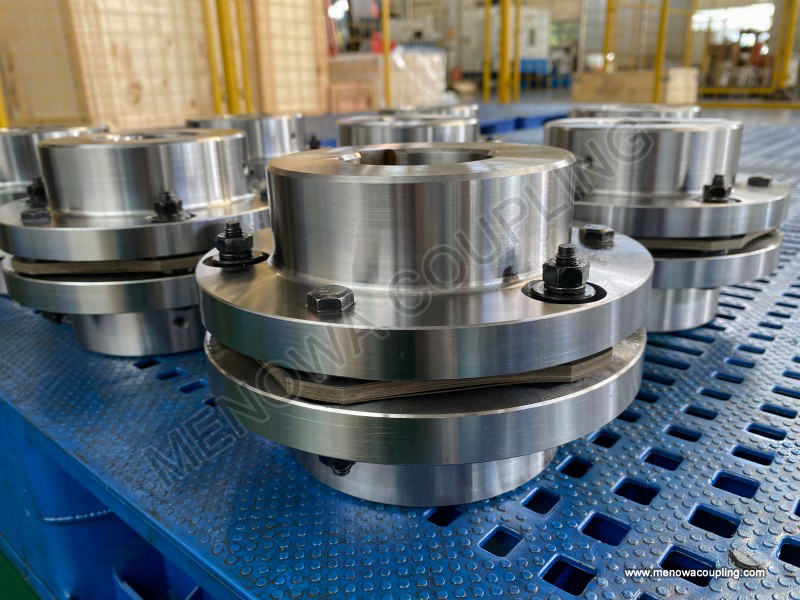
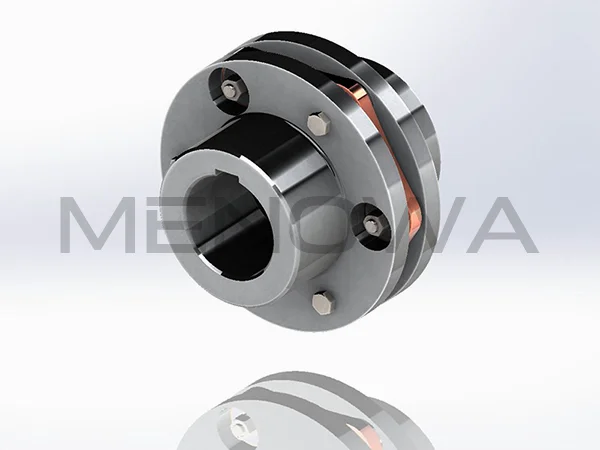
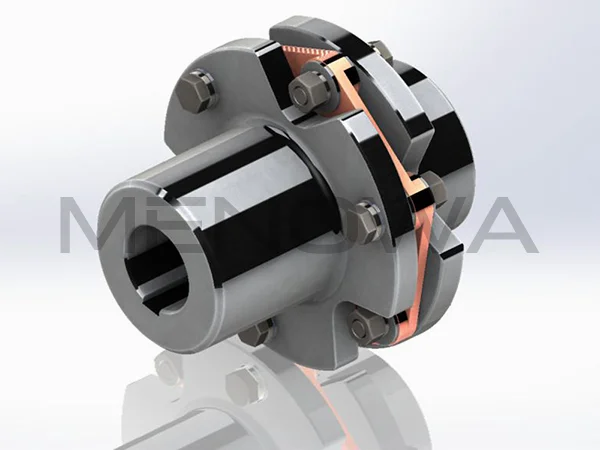
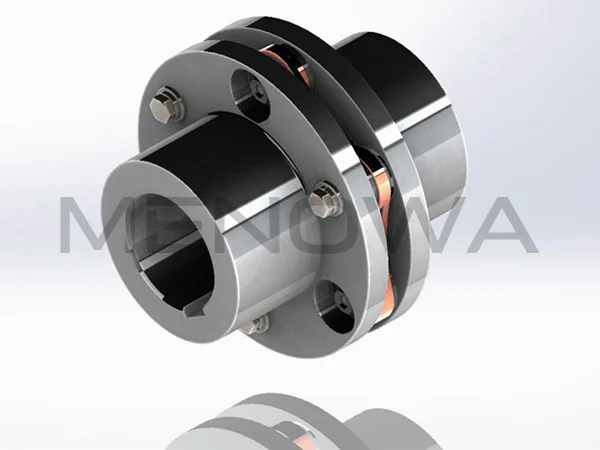
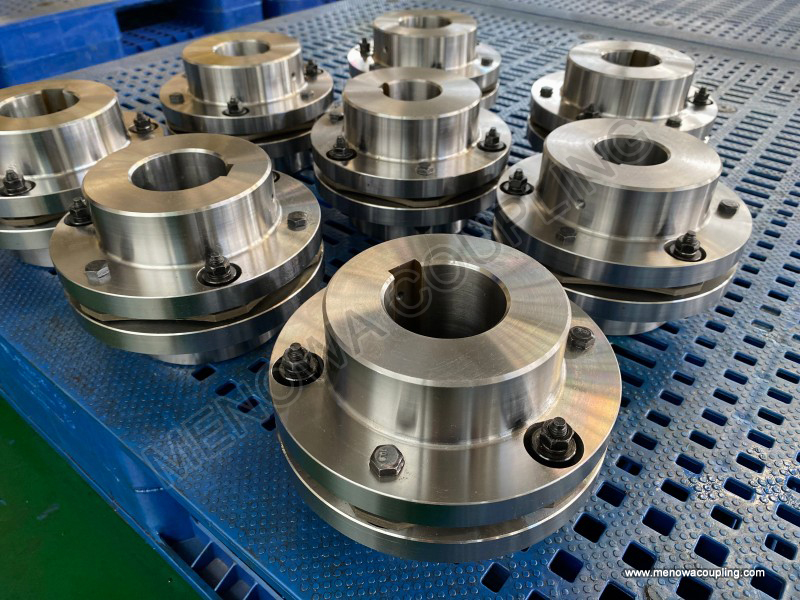
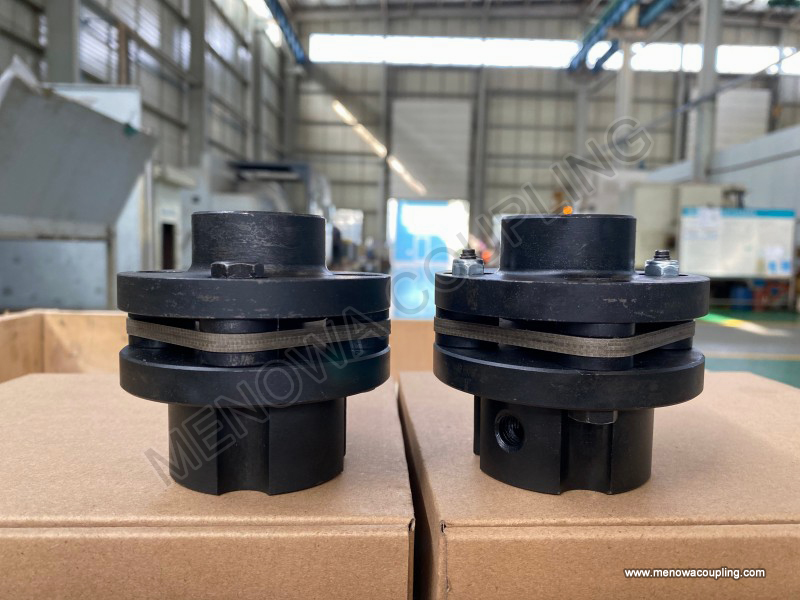
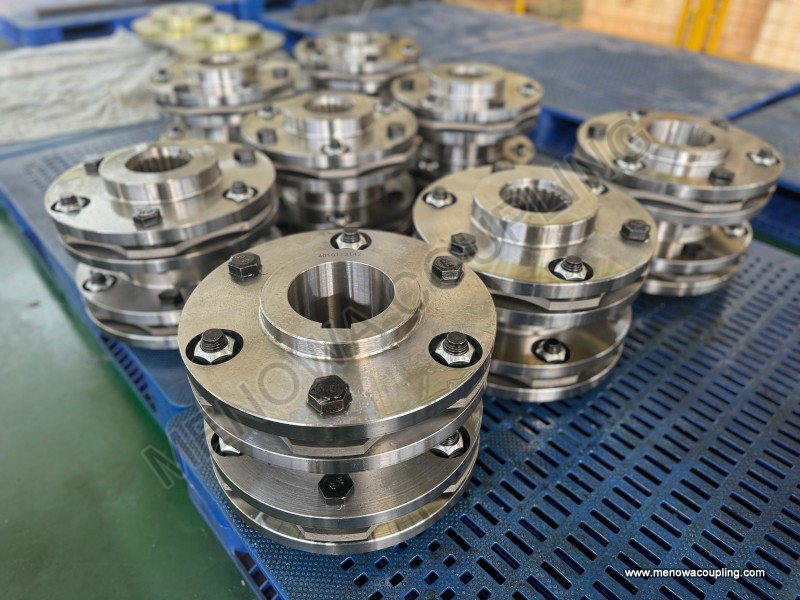
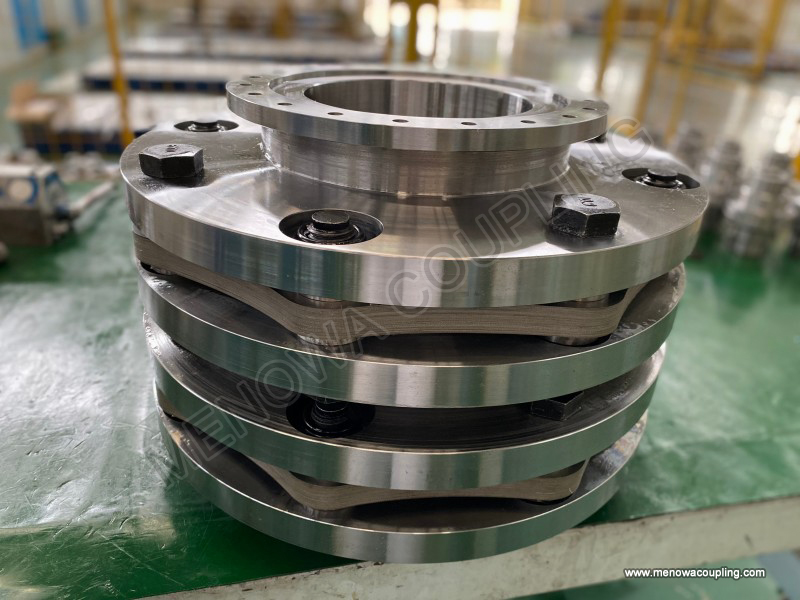
One of the most fundamental classifications of flexible diaphragm couplings is based on the number of diaphragm sets, which directly influences their ability to compensate for misalignments and adapt to different working conditions. Single-diaphragm couplings, as the name suggests, consist of a single set of diaphragm plates connected between two shaft sleeves. These couplings are relatively simple in structure, with a compact design that makes them suitable for applications where space is limited and the required misalignment compensation is moderate. The single diaphragm set is typically made of thin, high-strength metal sheets, often with evenly distributed bolt holes around the circumference to connect the two shaft sleeves. Due to their simplified structure, single-diaphragm couplings exhibit high torsional stiffness, making them ideal for precision transmission systems where minimal torsional backlash is required, such as in small motors, precision pumps, and light-duty machinery. However, their ability to compensate for angular and radial misalignments is limited compared to multi-diaphragm designs, as the single diaphragm can only bend in one direction, leading to higher stress concentrations under large misalignments. This makes single-diaphragm couplings more suitable for工况 where the shafts are relatively well-aligned and the operational loads are stable.
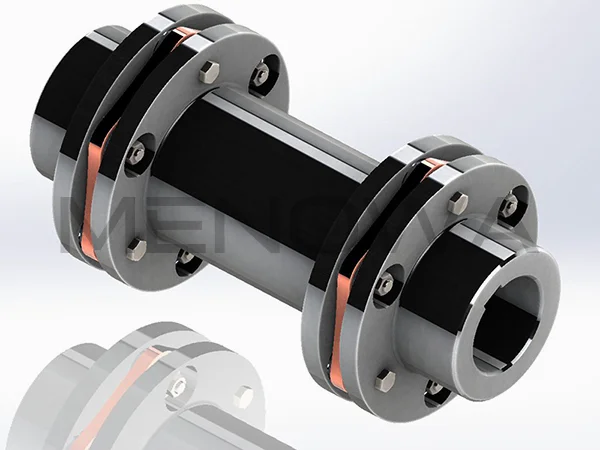
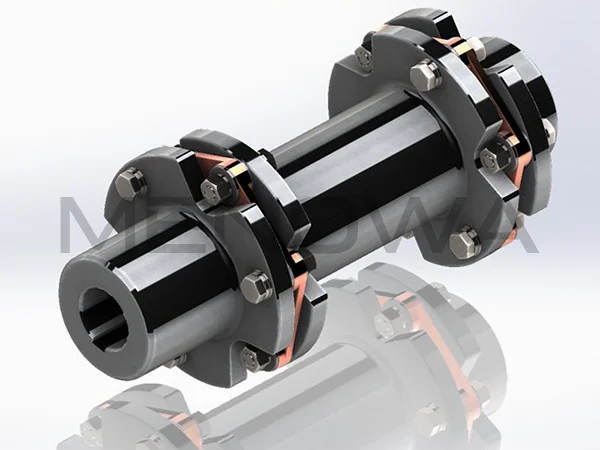
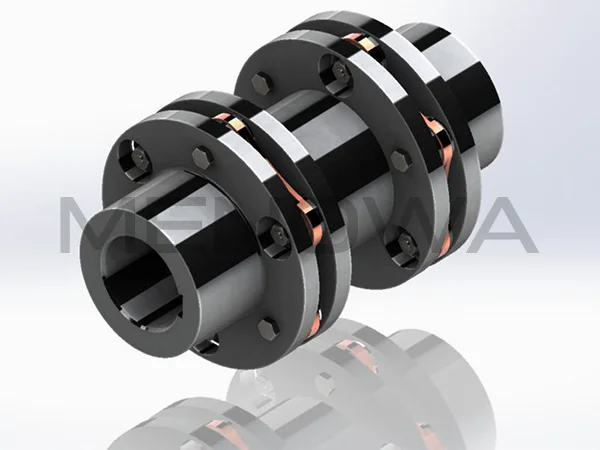
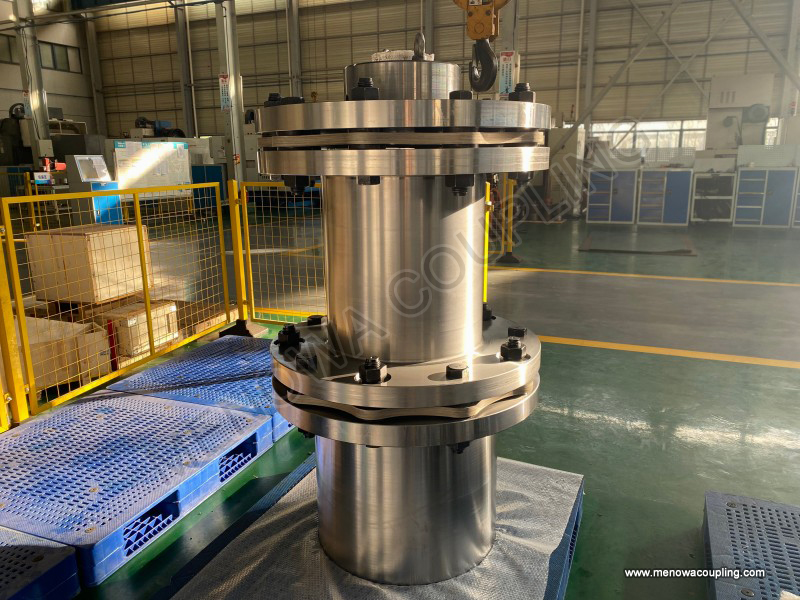
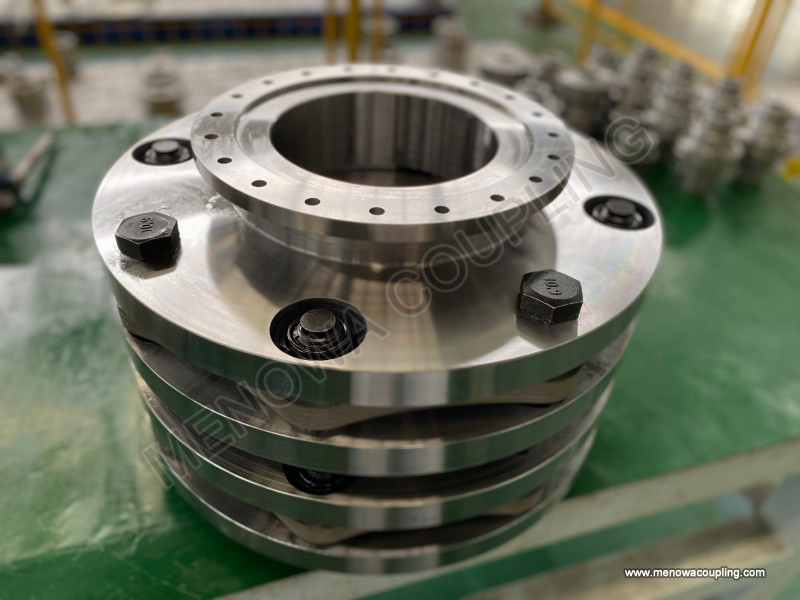
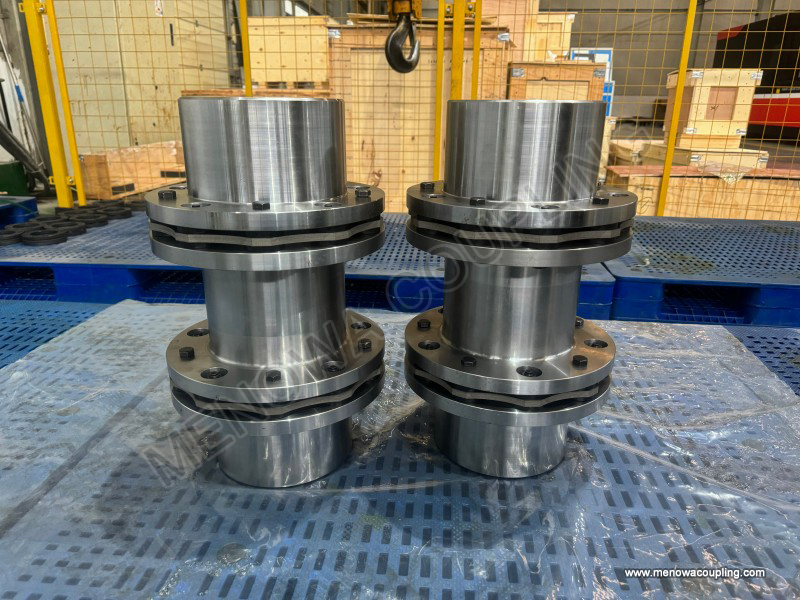
In contrast, multi-diaphragm couplings feature two or more sets of diaphragm plates separated by a central spacer or adapter. The addition of multiple diaphragm sets significantly enhances the coupling’s ability to compensate for axial, radial, and angular misalignments, as each diaphragm set can bend independently in different directions, reducing stress concentrations and improving overall flexibility. The central spacer, which connects the diaphragm sets, also helps to isolate vibrations and distribute the transmitted torque evenly across the diaphragms. Multi-diaphragm couplings are commonly used in heavy-duty machinery, high-speed rotating equipment, and systems where significant misalignments are inevitable, such as in power generation units, large pumps, compressors, and industrial turbines. The multi-diaphragm design also provides greater tolerance to thermal expansion, as the diaphragms can absorb the axial displacement caused by temperature changes without transferring excessive stress to the connected shafts. Additionally, multi-diaphragm couplings often have a longer service life than single-diaphragm models, as the torque and stress are distributed across multiple diaphragms, reducing wear and fatigue on individual components.
Another key classification criterion is the connection method between the diaphragm coupling and the shafts, which determines the ease of installation, disassembly, and the level of connection strength. Keyway connection is one of the most common methods, where a key is inserted into a groove (keyway) machined into both the coupling hub and the shaft, ensuring a secure fit that transmits torque effectively. This connection method is simple to implement, cost-effective, and widely used in general industrial applications, such as in fans, conveyors, and ordinary motors. However, the keyway can create stress concentrations on the shaft, which may limit its use in high-torque or high-speed applications where shaft integrity is critical. Additionally, the keyway connection requires precise machining of both the shaft and the coupling hub to ensure a proper fit, and it may not be suitable for shafts that cannot be modified with a keyway, such as hollow shafts or shafts with limited diameter.
Shrink fit connection, also known as interference fit connection, is another popular method that involves heating the coupling hub to expand its inner diameter, sliding it onto the shaft, and allowing it to cool and contract, creating a tight, friction-based connection. This method eliminates the need for keyways, reducing stress concentrations on the shaft and providing a more uniform torque transmission. Shrink fit connections are ideal for high-torque, high-speed applications, such as in marine propulsion systems, large turbines, and heavy-duty gearboxes, where a secure, backlash-free connection is essential. However, this method requires specialized heating equipment and careful control of the heating and cooling process to avoid damaging the coupling or the shaft. It also makes disassembly more difficult, as the hub must be reheated to expand and release the shaft, which can be time-consuming and costly in some cases.
Taper sleeve connection is a versatile connection method that uses a tapered sleeve to secure the coupling hub to the shaft. The tapered sleeve is inserted into a corresponding tapered hole in the coupling hub, and as the sleeve is tightened with bolts, it expands to create a tight fit between the hub and the shaft. This method offers the advantage of easy installation and disassembly, as the bolts can be loosened to release the tapered sleeve, making it suitable for equipment that requires frequent maintenance or component replacement, such as in printing machinery, textile equipment, and packaging machines. Taper sleeve connections also provide good centering accuracy, ensuring that the coupling is properly aligned with the shaft, which is crucial for reducing vibrations and extending the service life of the coupling and connected equipment. Additionally, this method can be used with both solid and hollow shafts, making it highly adaptable to different mechanical configurations.
External clamping connection is a relatively simple and convenient method that uses clamping bolts to secure the coupling hub to the shaft without the need for keyways, shrink fitting, or tapered sleeves. The coupling hub is split into two halves, which are clamped around the shaft using bolts, creating a friction-based connection that transmits torque. This method is ideal for applications where the shaft cannot be modified (such as in retrofitted equipment) or where quick installation and disassembly are required, such as in temporary machinery or test rigs. External clamping connections also cause minimal damage to the shaft, as they do not require machining or heating, making them suitable for delicate or precision shafts. However, their torque-carrying capacity is generally lower than that of keyway or shrink fit connections, so they are more commonly used in light-duty applications, such as small pumps, fans, and electric motors.
Flexible diaphragm couplings can also be classified based on their structural design, which includes solid hub, split hub, and hollow hub configurations. Solid hub couplings have a one-piece hub design, which provides high structural rigidity and torque-carrying capacity, making them suitable for heavy-duty applications where maximum strength is required. The solid hub is typically machined from a single piece of metal, ensuring uniform material properties and minimal stress concentrations. However, solid hub couplings are more difficult to install and disassemble, as they require the shaft to be slid through the hub, which can be challenging in systems where the shaft is fixed or has limited axial movement.
Split hub couplings, on the other hand, have a hub that is split into two or more halves, which are joined together with bolts around the shaft. This design allows for easy installation and disassembly without the need to move the connected equipment or slide the shaft through the hub, making them ideal for applications where space is limited or where frequent maintenance is required. Split hub couplings are commonly used in industrial machinery, such as pumps, compressors, and conveyors, where downtime must be minimized. The split design also allows for slight adjustments to the hub size, making it easier to accommodate minor variations in shaft diameter. However, split hub couplings may have slightly lower torsional stiffness than solid hub models, as the split joint can introduce a small amount of backlash if not properly tightened.
Hollow hub couplings are designed with a hollow center, which allows them to be mounted on hollow shafts or to accommodate other components, such as shafts with internal wiring or fluid passages. This design is particularly useful in applications where weight reduction is important, such as in aerospace, automotive, and robotic systems, where every gram of weight can impact performance. Hollow hub couplings also offer better heat dissipation than solid hub models, as the hollow center allows for air circulation, reducing the risk of overheating during high-speed operation. However, their torque-carrying capacity is generally lower than that of solid hub couplings, so they are more suitable for light to medium-duty applications.
Material type is another important factor in classifying flexible diaphragm couplings, as the material of the diaphragms and hubs directly impacts their performance, durability, and suitability for different environments. Stainless steel is the most commonly used material for diaphragm plates, due to its high strength, corrosion resistance, and ability to withstand high temperatures. Stainless steel diaphragms are suitable for a wide range of applications, including those in harsh environments such as chemical processing plants, marine applications, and high-temperature industrial processes. They can withstand temperatures ranging from -20°C to 250°C, making them versatile and reliable for most industrial needs. Additionally, stainless steel diaphragms have excellent fatigue resistance, allowing them to withstand repeated elastic deformations without failure, which is crucial for long-term operational stability.
Aluminum alloy is another popular material for diaphragm couplings, particularly for applications where weight reduction is a priority. Aluminum alloy couplings are lightweight, have good thermal conductivity, and offer sufficient strength for light to medium-duty applications. They are commonly used in automotive, aerospace, and robotic systems, where weight savings can improve fuel efficiency, reduce inertia, and enhance overall performance. However, aluminum alloy diaphragms have lower corrosion resistance and temperature tolerance than stainless steel, making them less suitable for harsh or high-temperature environments. They are also more prone to fatigue failure under heavy loads or frequent misalignments, so they are typically used in applications with stable loads and minimal misalignments.
Titanium alloy is a high-performance material used for diaphragm couplings in extreme applications, such as aerospace, military, and high-temperature industrial processes. Titanium alloy offers exceptional strength-to-weight ratio, high corrosion resistance, and the ability to withstand temperatures up to 500°C, making it ideal for applications where performance and durability are critical. However, titanium alloy is significantly more expensive than stainless steel or aluminum alloy, which limits its use to high-end applications where the benefits outweigh the cost. Titanium alloy diaphragms are commonly used in jet engines, spacecraft, and advanced industrial turbines, where high speed, high torque, and extreme environmental conditions are present.
In addition to these primary classifications, flexible diaphragm couplings can also be categorized based on their application scenarios, which include general industrial, high-speed, heavy-duty, precision, and corrosive environment applications. General industrial couplings are designed for standard operating conditions, with moderate torque and misalignment requirements, and are widely used in fans, pumps, conveyors, and ordinary motors. High-speed couplings are specifically designed to operate at high rotational speeds, typically above 3000 rpm, and feature balanced designs to minimize vibrations and ensure stability. These couplings are commonly used in turbines, compressors, and high-speed motors, where even small imbalances can cause significant damage.
Heavy-duty couplings are designed to transmit large torques, often exceeding 1,000,000 N·m, and are used in large industrial machinery such as power generation units, marine propulsion systems, and heavy-duty gearboxes. These couplings typically feature multi-diaphragm designs, solid hubs, and high-strength materials to withstand the extreme loads and stresses associated with heavy-duty operation. Precision couplings are designed for applications where high transmission accuracy is required, such as in machine tools, robotics, and precision measuring equipment. These couplings have minimal torsional backlash, high torsional stiffness, and excellent centering accuracy, ensuring that the transmitted motion is precise and consistent.
Corrosion-resistant couplings are designed to operate in harsh environments where they are exposed to chemicals, moisture, or saltwater, such as in chemical processing plants, marine applications, and wastewater treatment facilities. These couplings typically use stainless steel or titanium alloy diaphragms and hubs, and may feature special coatings to enhance corrosion resistance. They are also designed to prevent the accumulation of corrosive substances, ensuring long-term reliability and performance.
It is important to note that many flexible diaphragm couplings combine features from multiple classifications, making them versatile and adaptable to a wide range of applications. For example, a multi-diaphragm coupling may use a taper sleeve connection and stainless steel diaphragms, making it suitable for heavy-duty, high-misalignment applications in corrosive environments. Similarly, a split hub, single-diaphragm coupling with an external clamping connection may be used in light-duty, space-constrained applications where easy installation and disassembly are required. The key to selecting the right coupling is to carefully evaluate the specific requirements of the application, including torque capacity, misalignment compensation needs, operating speed, environmental conditions, and installation constraints.
In summary, the classification of flexible diaphragm couplings is a comprehensive system that considers structural design, connection methods, material types, and application scenarios. Each classification category offers unique advantages and limitations, and understanding these differences is essential for selecting the most appropriate coupling for a given mechanical system. Single-diaphragm couplings are ideal for precision, light-duty applications with minimal misalignments, while multi-diaphragm couplings are better suited for heavy-duty, high-misalignment applications. Connection methods such as keyway, shrink fit, taper sleeve, and external clamping each offer different levels of strength, ease of installation, and adaptability. Material choices, including stainless steel, aluminum alloy, and titanium alloy, determine the coupling’s durability, temperature tolerance, and corrosion resistance. By carefully considering these factors, engineers and designers can select a flexible diaphragm coupling that optimizes transmission efficiency, ensures operational stability, and extends the service life of the entire mechanical system.
Post Date: May 19, 2026
https://www.menowacoupling.com/china-coupling/classification-of-flexible-diaphragm-coupling.html
Products
Tags
Related Articles
Dimensions of Flexible Diaphragm Coupling
The flexible diaphragm coupling is a high-performance metal elastic flexible coupling that plays a crucial role in connecting two rotating shafts in industrial machinery, enabling efficient torque transmission while accommodating various types of misalignment between the shafts. Unlike many other coupling types that rel…Parts of Flexible Diaphragm Coupling
A flexible diaphragm coupling stands as a vital mechanical transmission component widely adopted in high-precision and high-speed industrial transmission systems, serving the core purpose of connecting driving and driven shafts to achieve stable torque transmission while compensating for diverse shaft misalignments gene…Flexible Diaphragm Coupling Wholesale
In the realm of industrial power transmission, the flexible diaphragm coupling stands out as a critical component that bridges the gap between rotating shafts, ensuring efficient, reliable, and precise power transfer across a wide range of applications. As industries continue to evolve and demand higher performance from…Flexible Diaphragm Coupling Exporter
In the global industrial transmission system, flexible diaphragm couplings have become an indispensable core component, widely used in various fields that require high-precision, high-reliability torque transmission. As a professional exporter focusing on flexible diaphragm couplings, we are committed to providing high-…Specification of Flexible Diaphragm Coupling
Flexible diaphragm couplings represent a pivotal category of metal elastic transmission components widely adopted in high-precision mechanical power transmission systems, serving the core function of connecting driving and driven shafts to achieve stable torque transmission while accommodating inevitable shaft misalignm…Flexible Diaphragm Coupling Factory
A flexible diaphragm coupling factory is a specialized manufacturing facility dedicated to producing high-performance flexible diaphragm couplings, which are essential mechanical components used to connect two rotating shafts in various industrial applications. These couplings play a critical role in transmitting torque…
 WeChat
 WhatsApp