Parts of Curved Tooth Coupling
Curved tooth couplings stand as one of the most reliable and widely adopted mechanical transmission components in the global industrial machinery sector, renowned for their superior torque transmission capacity, flexible misalignment compensation, and durable structural performance. As global industrialization continues to advance, with heavy industry, intelligent manufacturing, and engineering machinery sectors expanding rapidly across emerging and mature markets worldwide, the global demand for curved tooth couplings maintains a steady upward trend. This mechanical component features a unique curved tooth geometric structure that distinguishes it from conventional straight-tooth couplings, enabling more uniform load distribution, stronger impact resistance, and broader environmental adaptability, making it indispensable in high-load, high-precision, and continuous-operation industrial scenarios. The global market for curved tooth couplings presents a diversified development pattern, with mature markets in Europe, North America, and Oceania focusing on high-precision and long-service-life product demands, while emerging markets in Southeast Asia, South America, Africa, and Central Asia show surging demand for cost-effective and heavy-duty models driven by infrastructure construction and industrial upgrading.
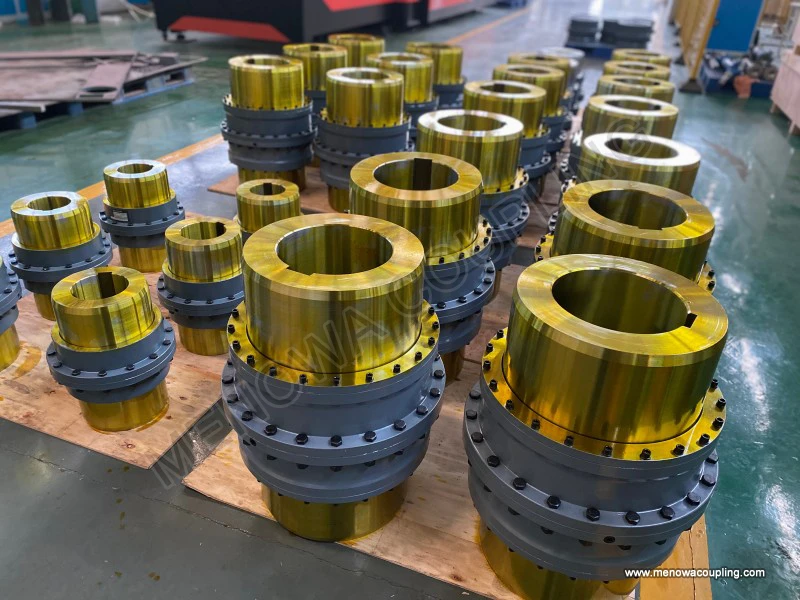
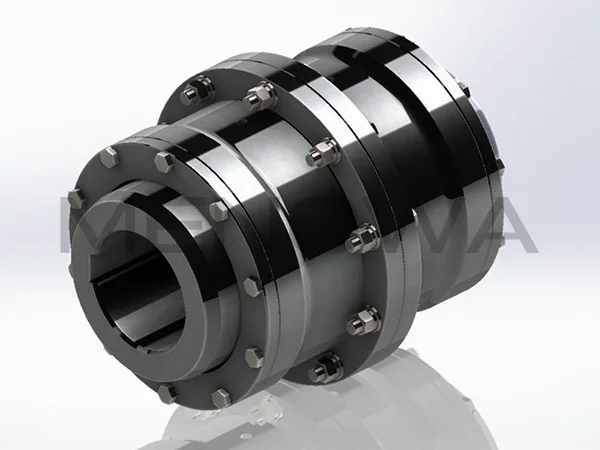
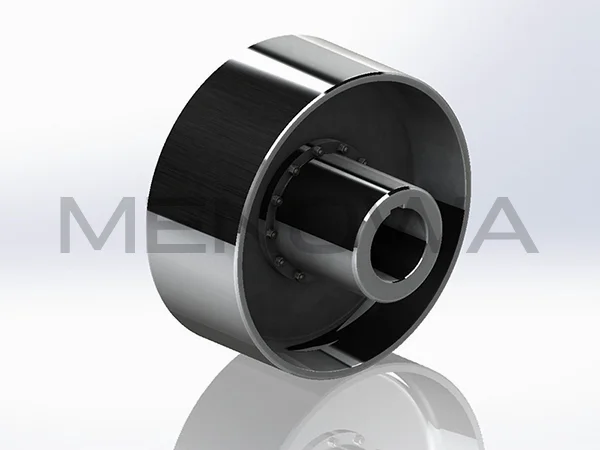
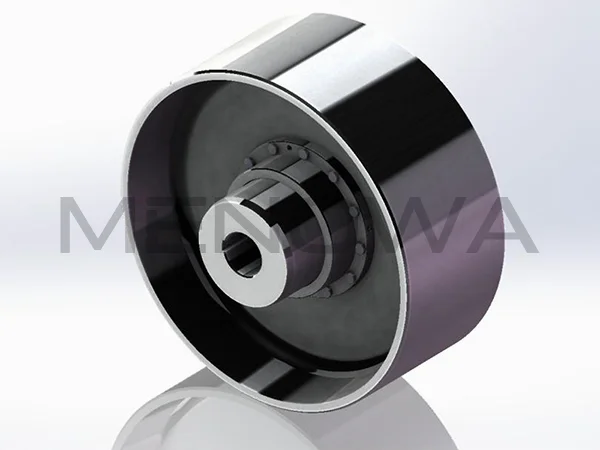
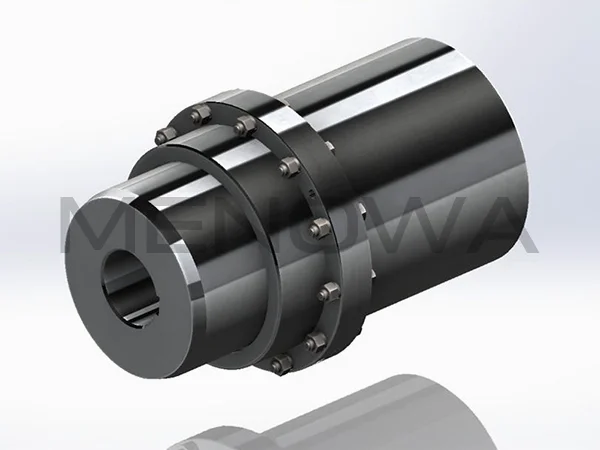
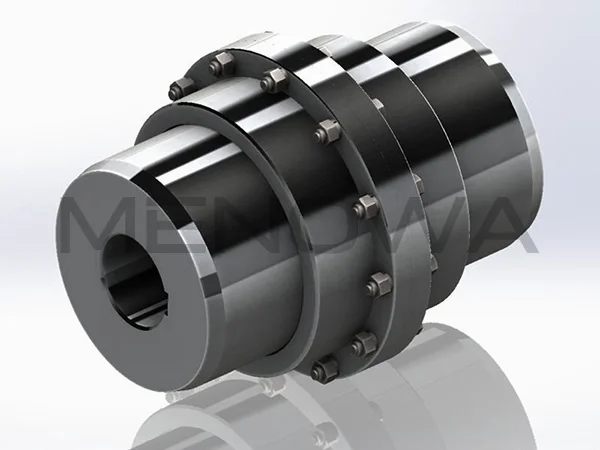
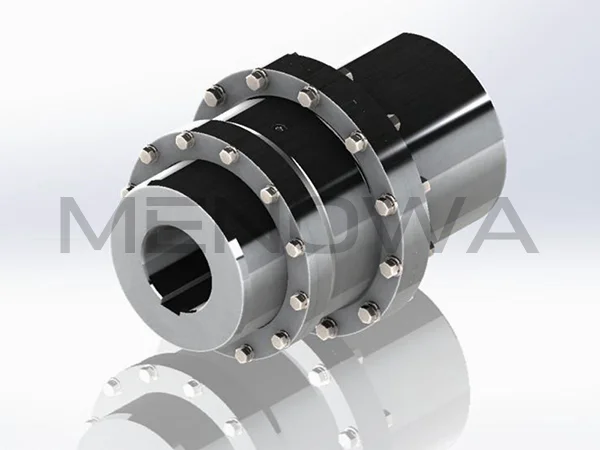
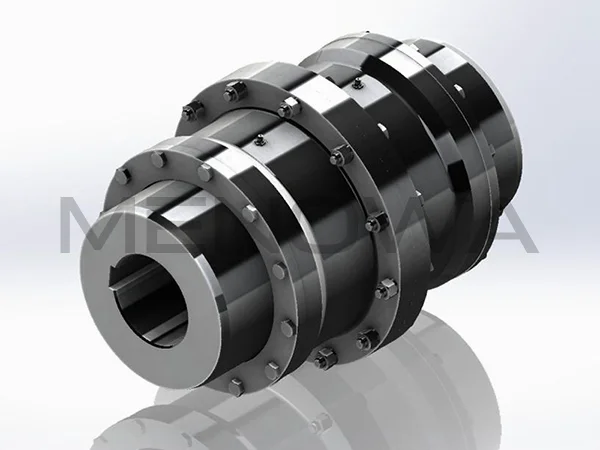
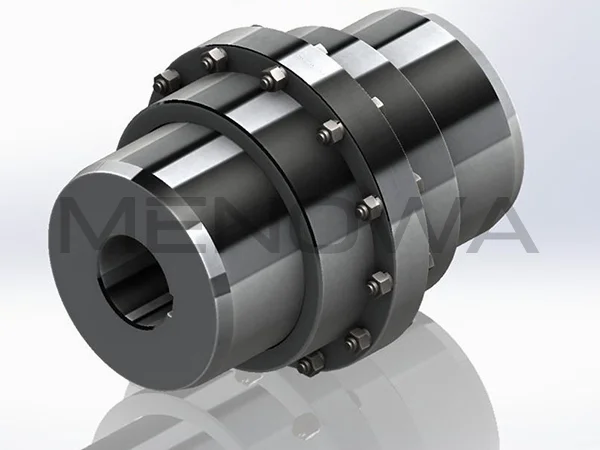
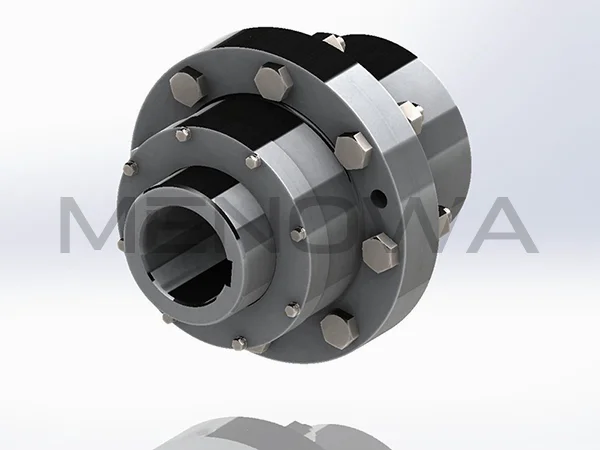
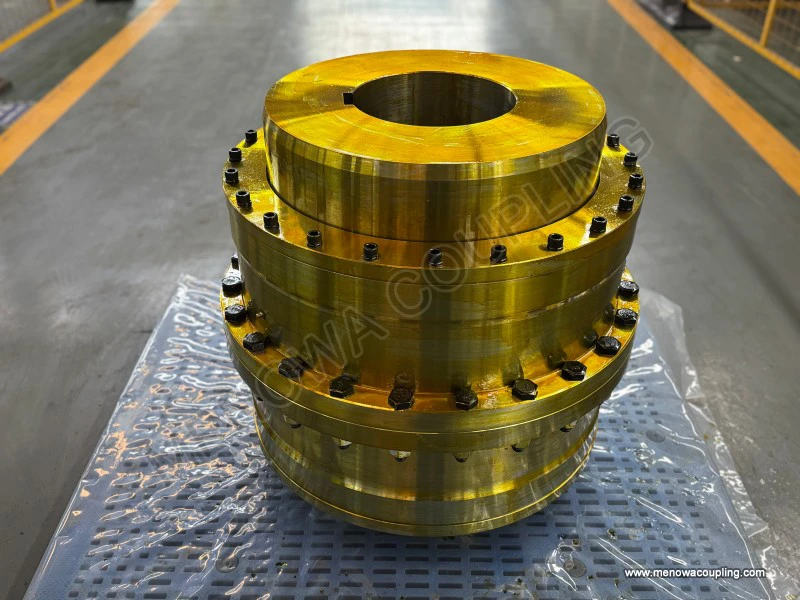
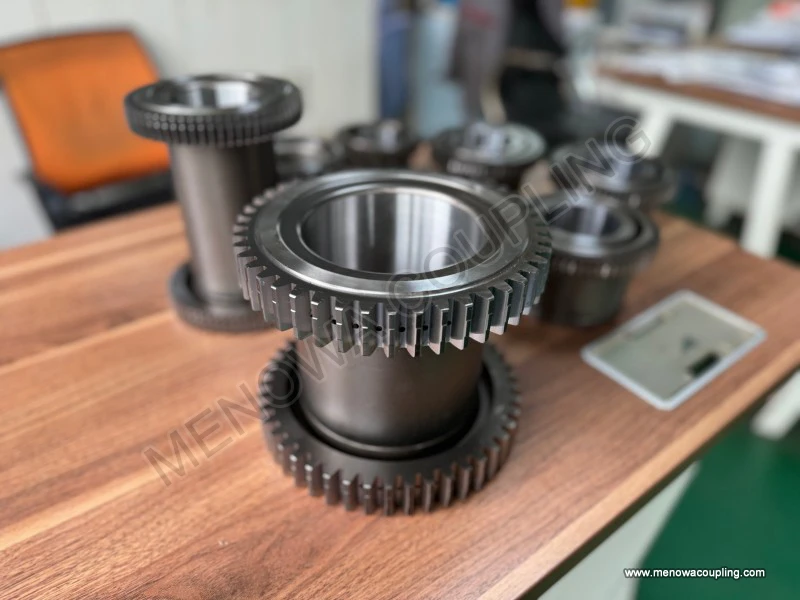
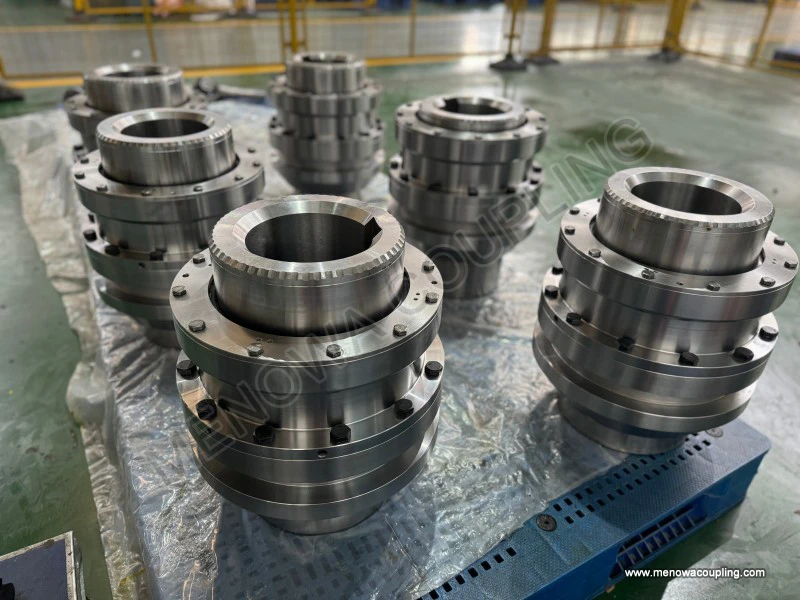
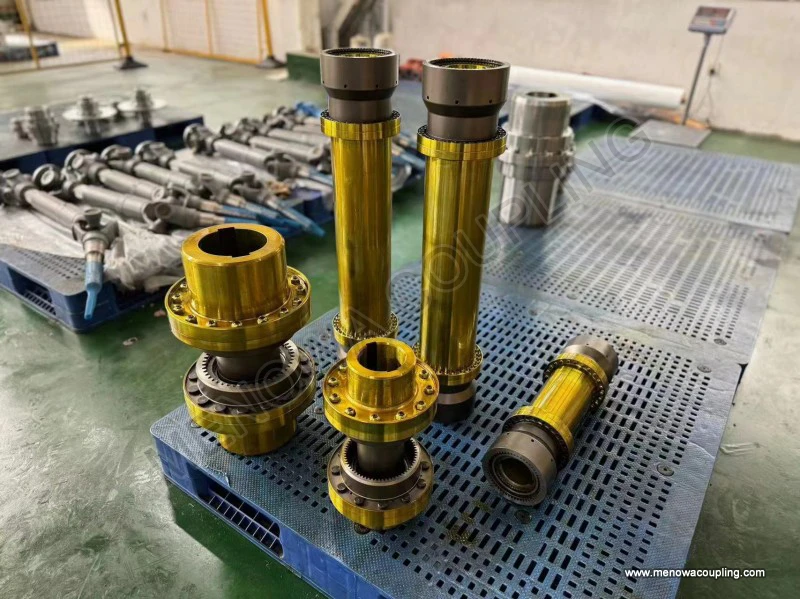
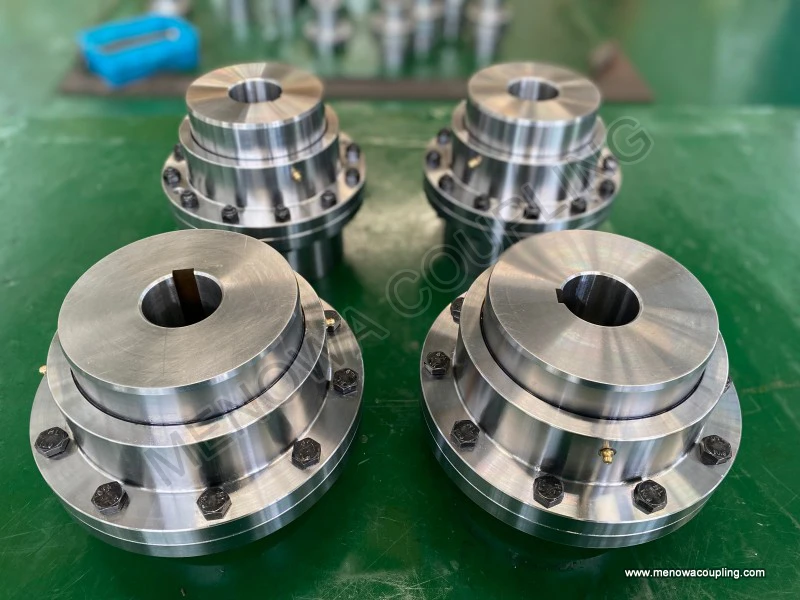
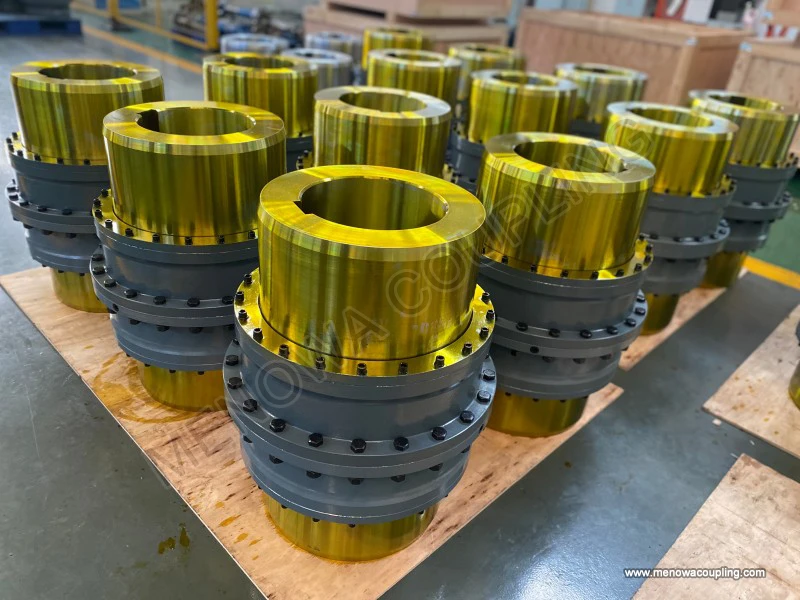
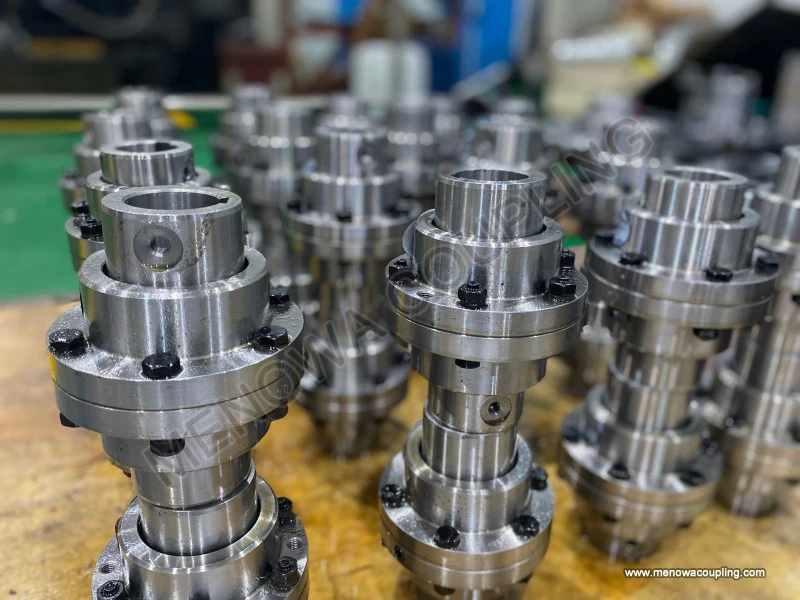
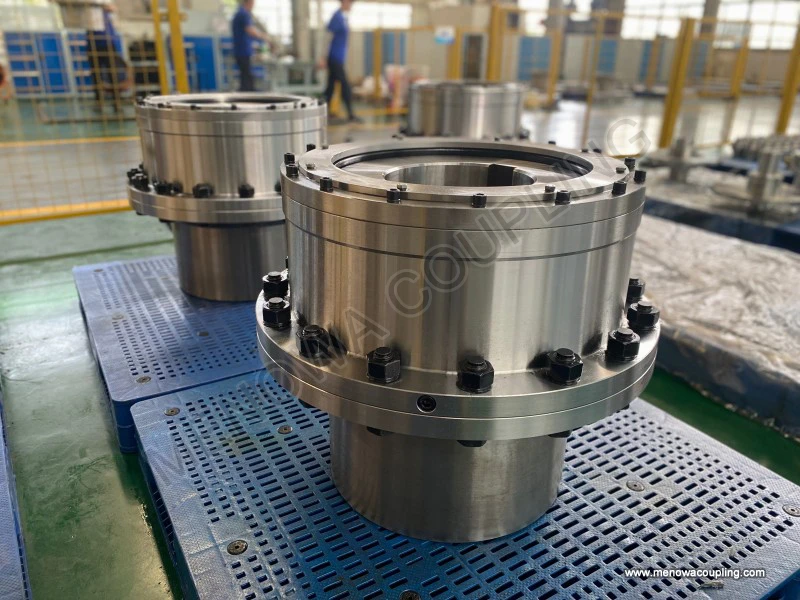
The core structural parts of curved tooth couplings constitute the foundation of their excellent mechanical properties, and each component undertakes independent and coordinated functional responsibilities in the power transmission process. The primary structural components include two symmetrical coupling half hubs with curved outer teeth, an inner tooth sleeve matched with the outer teeth, fastening connecting parts, and auxiliary buffer and limit structures. Different from traditional gear couplings with straight tooth profiles, the outer teeth of curved tooth couplings adopt a spherical curved design, with the spherical center aligned with the coupling’s central axis, and the reserved tooth gap is reasonably expanded compared with ordinary models. This structural improvement allows the tooth surface to achieve multi-point uniform contact during operation rather than linear contact, effectively dispersing instantaneous impact load and reducing local tooth surface wear and fatigue loss. The inner tooth sleeve is processed with high-precision internal tooth grooves that fit perfectly with the curved outer teeth, ensuring stable torque transmission while retaining sufficient deformation space for misalignment compensation. Fastening components, including high-strength bolts and positioning pins, fix the relative position of the two half couplings and the tooth sleeve, avoiding axial displacement and rotational deviation during high-speed operation. All core parts are mostly made of high-strength alloy steel through overall quenching and tempering and local tooth surface hardening treatment, which significantly improves surface hardness, wear resistance, and structural stability, adapting to long-term continuous operation under harsh industrial conditions.
In terms of global market development characteristics, the curved tooth coupling industry shows obvious regional demand differentiation and application scenario segmentation. In European and North American markets, the local manufacturing industry features high automation, high precision requirements, and strict equipment operation stability standards, so the market demand is mainly concentrated on high-precision curved tooth couplings with small backlash, low vibration, and long maintenance cycles. These regions have complete industrial supporting systems, and downstream applications focus on precision manufacturing equipment, automated production lines, and high-speed rotating machinery, putting forward higher requirements for the dimensional accuracy and operational stability of coupling parts. In contrast, emerging markets in Asia, Africa, and South America are dominated by infrastructure construction, mining development, and heavy industrial manufacturing, and the market demand leans more toward heavy-duty curved tooth couplings with large torque transmission capacity and strong misalignment adaptability. With the continuous transfer of global manufacturing capacity and the rapid development of local heavy industry in emerging economies, the market share of curved tooth couplings in these regions has increased year by year, becoming the main growth engine of the global industry. In addition, with the global emphasis on energy conservation and emission reduction and the upgrading of green manufacturing concepts, low-energy-consumption and low-wear curved tooth coupling products have gradually become the mainstream development direction of the global market, driving continuous structural optimization and technological iteration of product parts.
Scientific selection is the key to ensuring the stable operation and extended service life of curved tooth couplings, and the selection process needs to comprehensively consider working torque, rotational speed, shaft misalignment, working environment, and equipment operating cycle. The core selection formula runs through the entire model selection process to avoid equipment failure caused by improper model matching. The basic torque selection formula for curved tooth couplings is Tc = K × Tn, where Tc represents the calculated torque required for coupling selection, K represents the working condition coefficient, and Tn represents the rated torque of the equipment under standard operating conditions. The working condition coefficient K is the core parameter affecting selection, which needs to be determined according to different application scenarios and load characteristics. For stable load scenarios with continuous uniform operation such as conventional conveyor equipment and general processing machinery, the K value is usually selected in the range of 1.2 to 1.5; for medium-impact load scenarios with intermittent operation such as general mining machinery and construction equipment, the K value is controlled between 1.5 and 2.0; for heavy-impact and variable-load working conditions such as heavy rolling mills, large crushers, and high-power hoisting equipment, the K value needs to be increased to 2.0 to 3.0 to ensure that the coupling has sufficient load redundancy. After calculating the required calculated torque Tc, it is necessary to select a coupling model whose rated torque is not lower than the calculated torque, and simultaneously verify the maximum allowable rotational speed of the coupling to ensure that the operating speed of the equipment is within the safe speed range of the selected product.
In addition to the core torque formula, axial, angular, and radial misalignment compensation capacity verification is also an essential part of curved tooth coupling selection. The unique curved tooth structure enables the coupling to bear certain comprehensive misalignment during operation, but excessive misalignment will cause accelerated wear of tooth surfaces, increased operating vibration, and even early fatigue damage of structural parts. In the selection process, the actual installation misalignment of the equipment shaft must be measured accurately, and the model should be selected strictly according to the maximum allowable misalignment parameters of the coupling. Single-curved-tooth structures are suitable for low-torque and small misalignment working scenarios with limited installation space and small equipment operation vibration, while dual-curved-tooth structures are more applicable to heavy-duty working conditions requiring large angular and axial misalignment compensation, with stronger comprehensive deformation adaptability and load-bearing capacity. Meanwhile, the operating environment should not be ignored. For high-temperature, high-dust, humid, or corrosive working environments, it is necessary to select products with optimized surface treatment and improved structural tightness of parts to reduce the erosion and wear of external environmental factors on coupling core components and ensure long-term stable transmission performance.
Curved tooth couplings have extremely wide application coverage in global industrial scenarios, almost covering all mechanical equipment that needs torque transmission and shaft misalignment compensation. In the mining industry, they are widely used in core equipment such as mine crushers, belt conveyors, and underground tunneling machinery. The mining working environment is characterized by heavy load, frequent impact, and severe dust pollution, and the high torque resistance and good vibration damping performance of curved tooth couplings can effectively buffer instantaneous load impact during equipment operation and reduce the failure rate of transmission parts. In the metallurgical and steel industry, the couplings are applied to rolling mill equipment, steelmaking conveying machinery, and high-temperature processing equipment. The curved tooth structure can adapt to the slight shaft displacement and vibration generated by high-load operation of rolling mills, ensuring the continuity and stability of steel rolling production and avoiding production interruption caused by transmission failure. In the field of engineering machinery, they are matched with excavators, bulldozers, cranes, and other equipment, adapting to the complex working conditions of frequent starting, variable load, and uneven stress of engineering machinery.
In the chemical, pulp and paper, and water treatment industries, curved tooth couplings are applied to various pump bodies, fans, and stirring transmission equipment. These scenarios are mostly in humid and slightly corrosive environments, and the optimized structural design and material performance of curved tooth couplings can resist environmental erosion and maintain stable transmission efficiency for a long time. In addition, in agricultural machinery, port handling equipment, and power generation equipment fields, the product also has a large number of application cases. Agricultural machinery such as harvesters and tillers has complex and variable working loads, and the flexible compensation performance of curved tooth couplings can reduce mechanical wear caused by uneven ground and load fluctuation; port container handling machinery and bulk cargo conveying equipment need to operate continuously for a long time, and the durable parts structure and low maintenance characteristics of curved tooth couplings can effectively reduce equipment operation and maintenance costs; in thermal power, hydropower, and new energy power generation equipment, the couplings ensure the stable transmission of power generation units, reduce vibration and noise in the transmission process, and improve the overall operational efficiency of power generation equipment.
From the perspective of global market development trends, with the continuous progress of mechanical processing technology and the iterative upgrading of downstream industrial equipment, curved tooth coupling products are developing toward high precision, high efficiency, long service life, and lightweight structure. The optimization of core parts processing technology improves the matching accuracy of curved tooth surfaces, further reduces transmission backlash and operating vibration, and adapts to the development needs of intelligent and high-precision industrial equipment. At the same time, the promotion of new high-strength and wear-resistant materials further enhances the structural stability and environmental adaptability of coupling parts, extending the service life of products in harsh working conditions. The global market competition is gradually shifting from single price competition to comprehensive competition of product performance, structural optimization, and application customization. More and more market suppliers focus on customized product design according to the differentiated working conditions of different industries and regions, improving the matching degree between products and terminal equipment.
In the future, as global industrial construction continues to deepen and the downstream heavy industry and intelligent manufacturing industries continue to expand, the market demand for curved tooth couplings will maintain a stable growth trend. The technological upgrading of product parts, the optimization of selection systems, and the expansion of application scenarios will become the core driving force for the sustainable development of the global industry. For terminal users, standardized and scientific product selection based on working conditions and accurate parameter calculation can give full play to the structural advantages of curved tooth couplings, maximize equipment operation stability, reduce failure loss and maintenance costs, and create higher operational value for industrial production. The diversified structural characteristics and flexible application performance of curved tooth couplings will continue to make them a core transmission component indispensable in the global industrial machinery field, supporting the stable operation and efficient development of various industrial scenarios worldwide.
Post Date: Jun 26, 2026
https://www.menowacoupling.com/china-coupling/parts-of-curved-tooth-coupling.html
Products
Tags
Supply
Related Articles
Barrel Gear Coupling Sleeves
Barrel gear coupling sleeves stand as essential structural and functional components within modern mechanical power transmission systems, serving as the central connecting medium that bridges driving and driven shafts across a vast range of industrial machinery and rotating equipment. In every mechanical setup that reli…Diagram of Curved Tooth Coupling
The diagram of curved tooth coupling intuitively presents the structural layout, meshing logic and spatial assembly relationship of this mainstream flexible transmission component, serving as a core technical reference for design optimization, model selection, installation and maintenance in the global industrial machin…Gear Type Coupling Factory
Gear type couplings stand as one of the most reliable and widely adopted power transmission components in modern industrial mechanical systems, serving as a critical bridge between rotating shafts in diverse heavy-duty and high-precision equipment. As a professional gear type coupling manufacturing facility, we focus on…Material of Gear Type Coupling
Gear type couplings stand as one of the most reliable and widely adopted power transmission components in modern mechanical systems, renowned for their high torque transmission capacity, compact structural design, and excellent tolerance to shaft misalignment. The overall performance, service lifespan, and operational s…Diagram of Gear Type Coupling
A gear type coupling is a crucial mechanical component widely utilized in industrial transmission systems to connect two rotating shafts, enabling the efficient transfer of torque while accommodating minor misalignments that may occur during operation. Unlike rigid couplings that require precise alignment between shafts…Gear Type Coupling For Sale
A gear type coupling is a versatile and robust mechanical device designed to connect two rotating shafts, enabling the efficient transmission of torque while accommodating a certain degree of misalignment between the shafts. This type of coupling is widely recognized for its ability to handle heavy loads and harsh opera…
 WeChat
 WhatsApp