Gap Chart of Curved Tooth Coupling
Global industrial transformation across manufacturing, energy exploitation, heavy engineering and marine equipment has steadily lifted market demand for curved tooth coupling in cross-continental industrial supply chains over recent years, with gap chart becoming an indispensable technical reference for product matching, on-site installation inspection and regular equipment maintenance for global machinery designers, factory maintenance engineers and international procurement specialists from Europe, North America, Southeast Asia, Middle East and Oceania industrial markets. The gap chart of curved tooth coupling systematically records standardized tooth side clearance parameters under different specifications, working speed grades, load classifications and assembly tolerances, which directly determines the coupling’s capacity to compensate axial, radial and angular shaft misalignment, controls operational friction heat between internal and external curved tooth surfaces, and fundamentally influences long-term operational stability and service lifespan of complete transmission sets in diversified global industrial scenarios. As international industrial production gradually upgrades toward high-load, high-speed and low-failure operation standards, understanding data rules embedded inside curved tooth coupling gap chart turns into a core precondition to avoid improper model selection, premature tooth surface abrasion and unexpected production downtime for global end-users scattered in various industrial subdivisions.
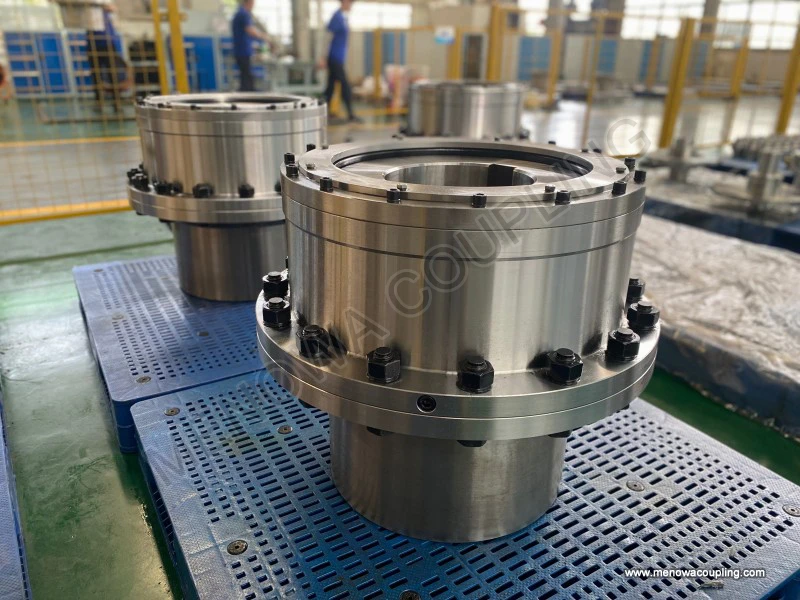
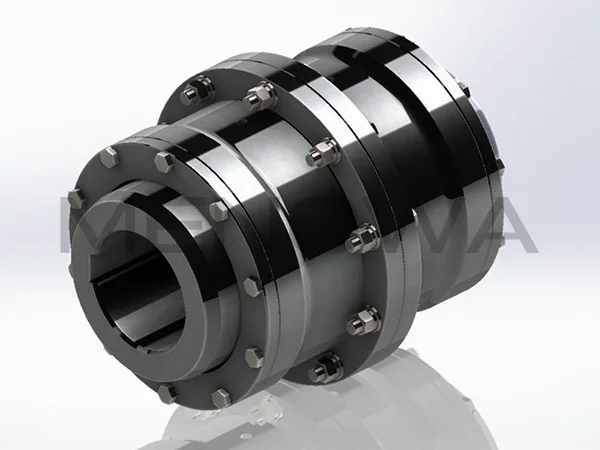
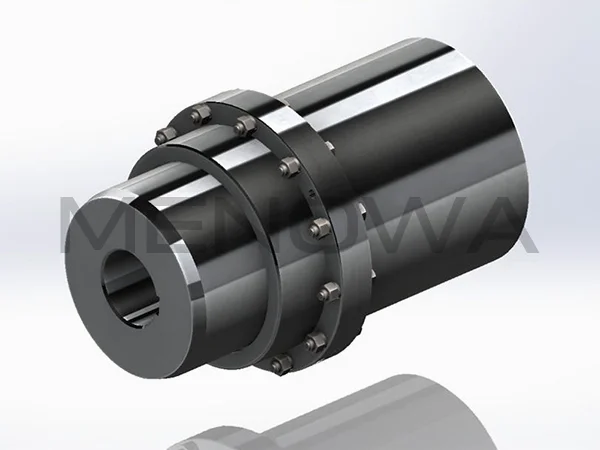
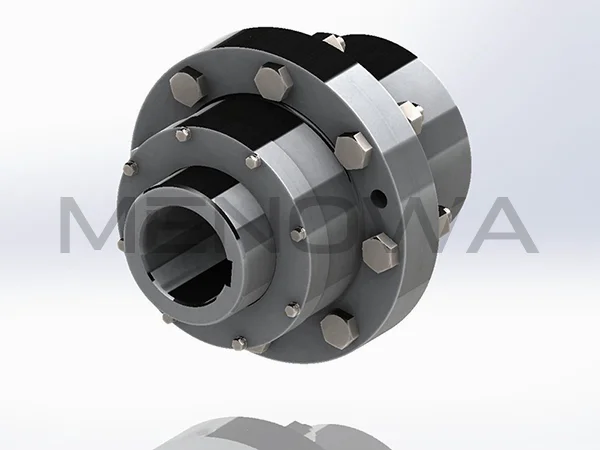
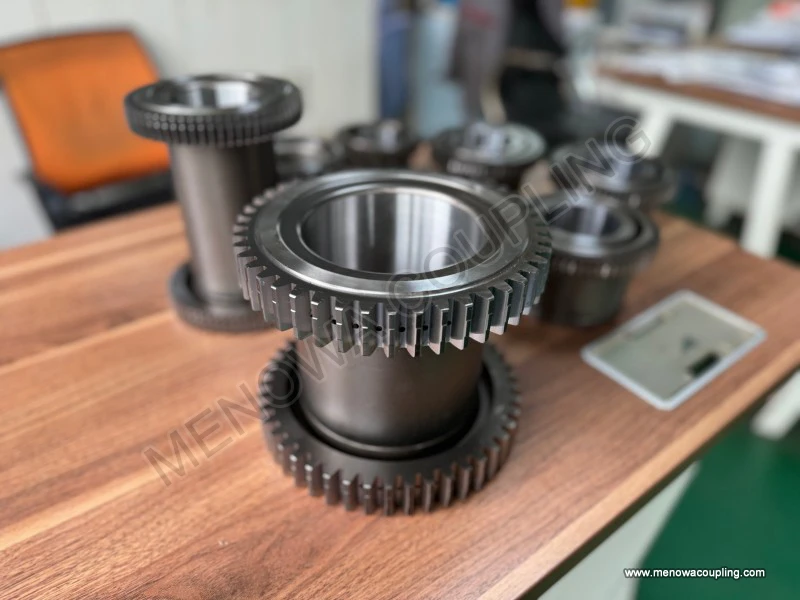
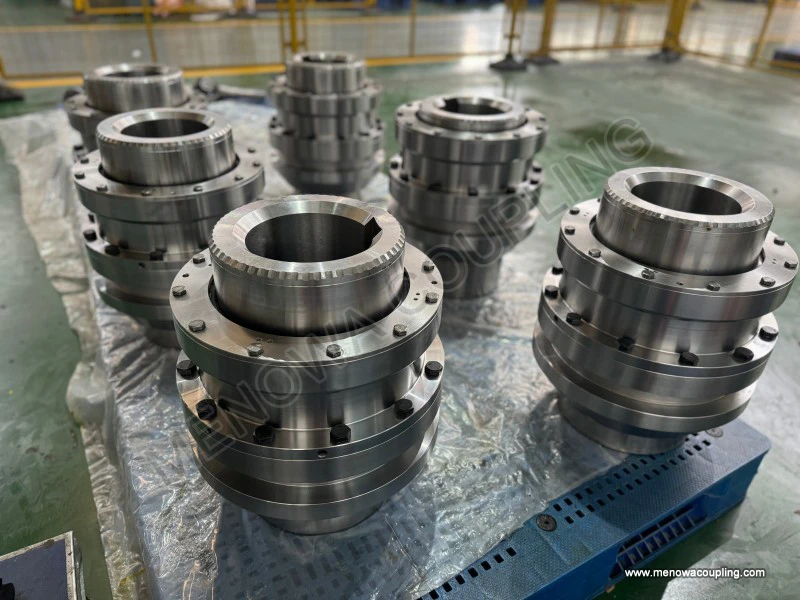
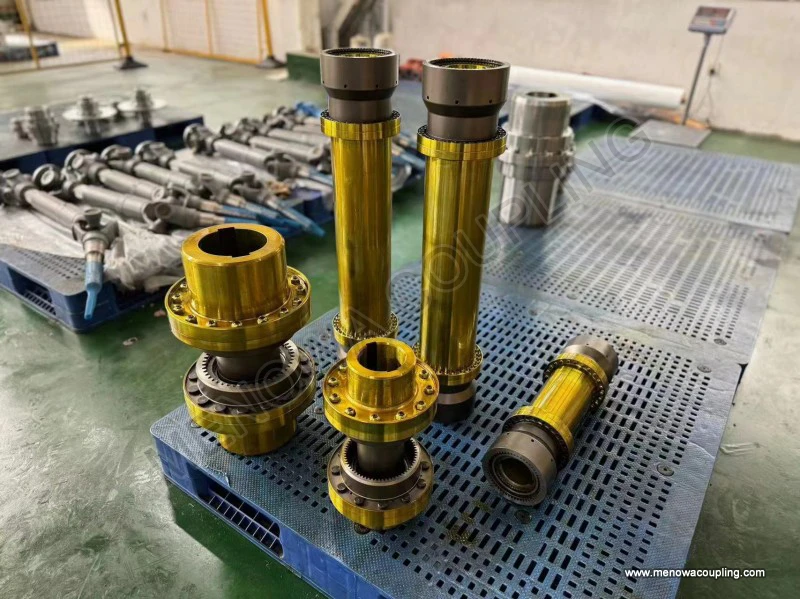
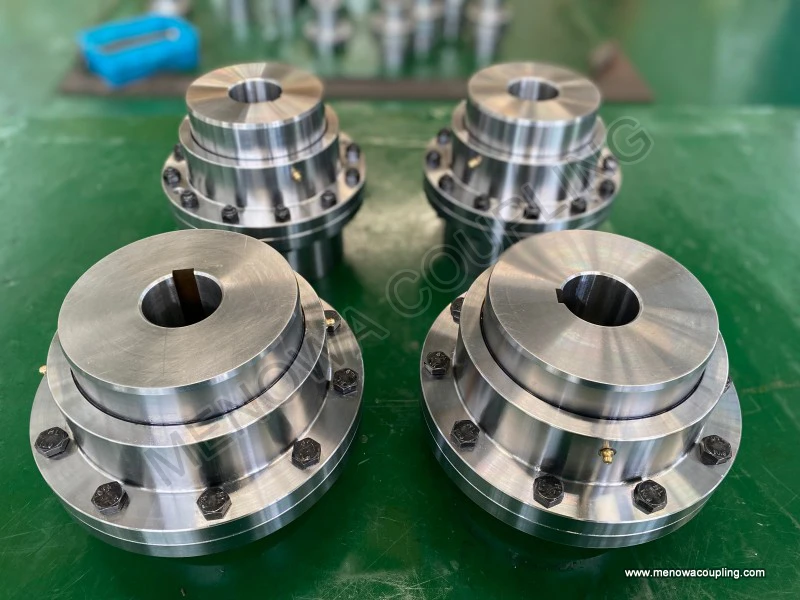
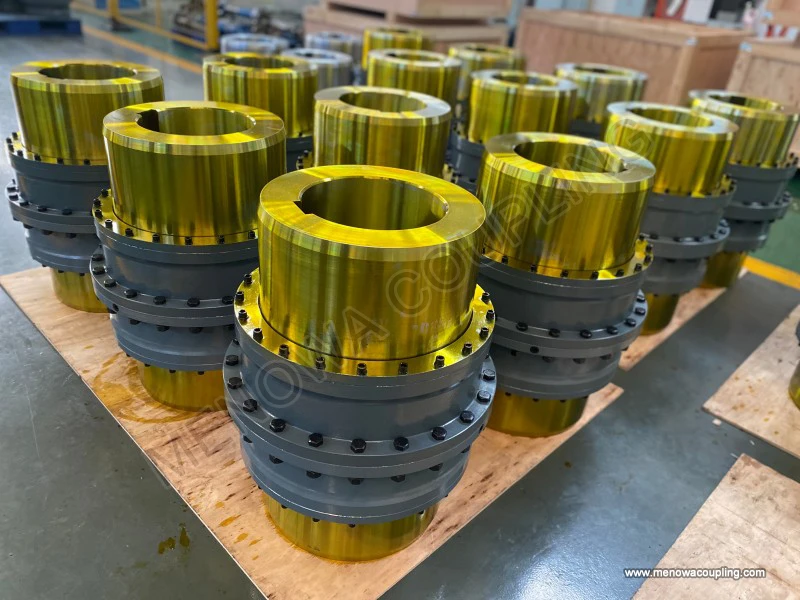
Curved tooth coupling distinguishes itself from conventional straight tooth gear coupling mainly through spherical crowned external tooth design, whose spherical center falls right on the central axis of outer gear sleeve; such unique curved tooth profile design reserves controllable tooth clearance quantified and summarized via standardized gap chart data, enabling far superior misalignment compensation performance compared with traditional toothed coupling variants. The gap chart arranges clearance values classified by nominal coupling diameter, rated torque range and peripheral rotating velocity, dividing clearance grades into minimum assembly clearance, rated working clearance and extreme operating allowance clearance three core intervals, each set of numerical indicators mapped to corresponding allowable compensation limit of three-dimensional shaft offset. In standard gap parameter specifications commonly adopted by global mechanical transmission industries, normal rated working tooth clearance supports angular shaft deflection ranging from 1.5 degrees to 2.5 degrees, while enlarged allowance clearance listed on gap chart can expand extreme angular compensation up to 6 degrees under transient heavy impact working circumstances, radial parallel displacement compensation covers 0.25mm to 0.5mm per unit specification, and axial floating compensation space is determined fully according to corresponding gap data marked on gap chart for every product serial size. During international bulk procurement and equipment renovation projects in global markets, engineering technicians firstly check gap chart matching status against actual on-site installation misalignment data; if practical required compensation space exceeds upper limit of standard rated clearance from gap chart, customized clearance adjustment based on gap chart baseline parameters will be arranged to modify curved tooth processing tolerance, preventing edge extrusion of tooth ends and concentrated contact stress which frequently cause early tooth surface crack and rapid component scrapping in global heavy-duty production lines.
From the perspective of global market segmentation, demand distribution of curved tooth coupling presents obvious regional differentiated characteristics closely linked to local dominant industrial layout, which indirectly changes practical application frequency and gap chart reference focus among different geographical markets. European industrial market dominated by precision machinery, chemical processing equipment and new energy power generation facilities mostly selects medium-small specification curved tooth coupling with narrow rated clearance recorded on gap chart, as local production equipment features compact installation layout, precise shaft assembly tolerance and continuous stable medium-load operation, requiring smaller tooth side gap to guarantee high transmission efficiency and low rotational backlash; North American market concentrates large procurement demand on oversized curved tooth coupling applied for mining crushing equipment, metallurgical hot rolling production lines and large offshore oil and gas exploitation machinery, these heavy-load working environments demand wider extreme allowance clearance specified on gap chart to absorb instantaneous impact torque and large shaft thermal expansion displacement generated from long-time uninterrupted high-intensity operation; Southeast Asian emerging manufacturing market including Indonesia, Vietnam and Thailand focuses on general industrial pump set, conveyor and small-sized cement processing machinery, choosing medium specification curved tooth coupling whose clearance data stays between European precision type and North American heavy-duty type on gap chart, balancing cost control and basic misalignment compensation needs for medium-load intermittent production; Middle East industrial market centers on desert oilfield extraction equipment, seawater desalination pump unit and large power generation gas turbine, harsh high-temperature, sand dust and occasional corrosive working environment makes end-users prioritize coupling variants with expanded working clearance from gap chart, wider tooth gap facilitates smooth circulation of high-temperature resistant lubricating grease and effectively avoids foreign granular impurity jamming between meshing tooth faces; Oceania market mainly purchases curved tooth coupling for mineral open-pit mining transportation system and coastal marine ship auxiliary propulsion equipment, referencing gap chart to pick corrosion-adapted clearance parameters resisting seawater erosion and outdoor temperature sharp fluctuation impact. Continuous growth of global wind power industry, cross-border automated production line construction and offshore engineering equipment export further drives year-by-year stable expansion of curved tooth coupling international market scale, pushing gap chart compilation standards to continuously optimize and unify across different regional industrial technical specifications worldwide.
Mastering scientific curved tooth coupling selection logic and corresponding core calculation formulas is another key content closely associated with gap chart application, improper parameter calculation leads to mismatched gap selection against gap chart data, triggering abnormal vibration, overheating and accelerated wear during practical equipment operation across all global application fields. The foundational selection calculation formula for rated transmission torque serves as the core calculation basis before checking gap chart matching parameters, the formula is written as Tc = K × Tn, where Tc stands for calculated design torque used for coupling specification selection, K represents service working condition coefficient determined by actual load fluctuation degree and startup frequency, Tn refers to nominal rated torque output from driving equipment such as motor, hydraulic reducer or internal combustion engine. The value range of working condition coefficient K varies with different industrial working modes commonly seen in global projects: stable continuous operation equipment like circulating water pump and fixed generator set takes K from 1.0 to 1.3; intermittent startup and moderate impact load machinery including common conveyor and general mixing equipment selects K between 1.4 and 1.8; heavy shock frequent loading devices such as mining crusher, steel rolling mill roughing unit and marine main propulsion transmission chooses K from 1.9 up to 2.5 according to real-time impact intensity, after finishing Tc calculation result, technicians check corresponding specification serial number from coupling parameter catalog then locate matched standard clearance data on gap chart of this specific model. Besides torque calculation formula, shaft misalignment checking formula cooperates with gap chart clearance data to verify compensation feasibility, the formula Δ=Δa+Δr+Δθ, Δ means total synthetic offset value of connected driving and driven shafts, Δa is practical axial displacement generated by component thermal expansion and installation error, Δr stands for real radial parallel offset, Δθ converts angular deflection into linear displacement value, after calculating total Δ value, contrast with maximum allowable compensation space converted from gap chart’s extreme allowance clearance, once calculated synthetic offset exceeds gap chart upper limit, either switch to next larger specification coupling with wider standard clearance or adopt intermediate floating shaft type curved tooth coupling whose gap chart reserves extra modified clearance space to satisfy excess compensation requirement. Additional peripheral linear velocity checking formula v=π×D×n/60 is essential for high-speed rotating equipment selection, D represents outer diameter of curved tooth sleeve, n is working rotational speed per minute, calculated linear velocity result decides which clearance grade from gap chart should be adopted: low linear velocity below 5m/s matches minimum assembly clearance on gap chart to reduce idle tooth clearance vibration, medium velocity ranging 5m/s to 25m/s uses standard rated working clearance as default parameter, high-speed operation exceeding 25m/s needs to pick enlarged allowance clearance listed on gap chart to release thermal expansion space of high-speed rotating tooth components and eliminate high-temperature clamping risk between meshing curved tooth surfaces.
Multiple detailed selection precautions need to be strictly followed combining gap chart technical indicators throughout global project procurement and on-site equipment transformation, these precautionary rules are summarized from countless international application failure cases accumulated across Europe, Americas and Asia industrial markets over decades of practical usage experience. First precaution focuses on environmental factor correction of gap chart standard clearance data, original gap chart parameters are formulated under normal indoor room temperature and clean dry working environment, when coupling works under continuous high temperature over 80℃, low temperature below minus 20℃ or corrosive medium including acid mist, brine and chemical volatile gas, reserved clearance from gap chart needs to increase 10% to 30% according to environment severity; high-temperature working causes metal tooth component thermal expansion which reduces actual effective tooth gap, properly expanded clearance based on gap chart baseline prevents tooth face locking after thermal expansion, while corrosive working condition easily generates rust scale on curved tooth surface, moderately enlarged clearance leaves space for rust accumulation without disturbing normal tooth meshing transmission. Second important selection precaution targets installation assembling accuracy matching with gap chart, during field assembly if mechanical processing error leads to inherent fixed shaft offset exceeding 50% of gap chart rated clearance’s allowable compensation limit, modification of connected shaft base or selection of customized clearance modified coupling is mandatory instead of forcing installation with standard specification product, forced assembly under insufficient clearance will make curved tooth bear persistent biased load, forming partial excessive wear and shortening coupling service life to less than one-third of design theoretical lifespan recorded by gap chart standard parameter testing data. Third precaution relates to lubrication mode coordination with gap chart clearance classification, small clearance grade specified on gap chart mostly matches permanent sealed long-life grease filling structure without periodic refueling design, medium and large rated clearance corresponds to open or semi-sealed structure requiring regular grease supplementation, ultra-wide extreme allowance clearance on gap chart is designed for circulating oil lubrication applied on ultra-heavy load high-power curved tooth coupling used in large metallurgy and offshore equipment, mismatched lubrication form against gap chart clearance grade leads to poor lubricant retention or excessive lubricant leakage, accelerating dry friction damage of curved tooth working surface. Fourth precaution emphasizes spare part interchangeability reference to gap chart in international after-sales maintenance, when purchasing replacement curved tooth coupling spare components across transnational supply chains, buyers must confirm gap chart serial code consistency between new spare parts and original installed coupling, different batch production with same nominal size may have slightly revised gap chart clearance data due to updated processing craft, inconsistent gap parameter results in assembly difficulty or abnormal operation after component replacement, which becomes a common hidden trouble in cross-border equipment maintenance projects worldwide.
Curved tooth coupling has achieved comprehensive coverage of application scenarios across nearly all mainstream global industrial categories, each application field puts forward differentiated gap chart parameter selection demands based on respective working load characteristics, operating environment and equipment structure features, forming diversified gap data application rules summarized by global mechanical engineering industry. In global heavy metallurgical industry including hot rolling production line, steel forging equipment and continuous casting transmission system, working condition features frequent heavy impact load, large thermal deformation of transmission shaft caused by high production ambient temperature and intermittent variable torque fluctuation, relevant curved tooth coupling mostly selects products adopting upper limit rated clearance or preliminary modified allowance clearance from gap chart, wider tooth gap absorbs instantaneous overload impact and large axial thermal expansion displacement of rolling mill main shaft, avoiding frequent coupling failure caused by overloaded tooth surface squeezing which brings huge shutdown loss to global steel production enterprises; mining industry covering open-pit mineral exploitation equipment, underground conveyor system and stone crushing machinery faces dusty working site, irregular impact load generated by uneven feeding raw material and severe outdoor temperature change, end-users tend to choose medium-wide clearance specification marked on gap chart, proper gap prevents mineral dust compacting inside tooth meshing space and reserves enough compensation space for vibration-induced shaft offset during equipment start-stop impact process. Global new energy power generation industry subdivided into land-based wind turbine main transmission system, hydropower generator unit and gas turbine generator set has distinct gap selection differences on gap chart: large-scale onshore and offshore wind power main shaft coupling works under long-time alternating wind load and variable speed rotation, adopts medium rated clearance from gap chart to balance vibration absorption and high-efficiency power transmission; fixed-speed hydropower generator set runs with stable continuous load and precise shaft assembly precision, picks minimum standard assembly clearance from gap chart to lower rotational power loss and improve overall unit generating efficiency; high-speed gas turbine transmission coupling operates under ultra-high peripheral linear velocity and high working temperature, must refer to gap chart high-speed dedicated enlarged allowance clearance parameter to cope with rapid thermal expansion of high-speed rotating curved tooth components. Oil and gas industrial applications spread over onshore drilling rig transmission set, offshore platform extraction pump and refining factory high-pressure compressor, working environment involves high-pressure, chemical medium corrosion and alternating load from fluid pressure fluctuation, corresponding curved tooth coupling chooses gap chart corrosion-adapted widened clearance grade, increased tooth gap slows down corrosion-induced tooth size shrinkage influence on normal meshing and facilitates lubricant resisting chemical medium erosion staying inside tooth gap steadily. Marine industrial field ranging from large cargo ship main propulsion transmission to shipboard auxiliary pump and deck lifting machinery needs coupling adapting to hull floating deformation-caused real-time shaft offset and seawater humid corrosive environment, gap chart marine dedicated clearance data with extra 15% to 20% reserved allowance becomes preferred selection standard for global shipbuilding procurement engineers, special gap setting offsets dynamic shaft displacement generated by ship body swinging during navigation and slows seawater corrosion damage of internal and external curved tooth meshing part. Conventional general industry such as municipal water treatment pump station, cement production mixing equipment, food processing conveyor and automated packaging machinery mostly applies medium-small specification curved tooth coupling matching standard intermediate clearance on gap chart, stable low-to-medium load and indoor relatively clean working environment make standard gap parameters fully satisfy daily operation demand, realizing optimal balance of equipment operational stability and overall procurement cost control for global small and medium-sized manufacturing factories.
With continuous advancement of global industrial intelligent manufacturing and high-end equipment localization upgrading in multiple emerging industrial economies, gap chart compiling standard of curved tooth coupling keeps iterative optimization to adapt new-type working condition requirements raised by newly developed industrial equipment, meanwhile international cross-regional technical communication unifies partial core gap parameter standards gradually to reduce cross-border model selection error caused by regional technical specification difference. Future global market development trend of curved tooth coupling will drive gap chart to add more subdivided environmental correction parameter tables including ultra-low temperature, high dust and special chemical corrosion working condition classification, further improving guidance accuracy of gap chart for global engineers’ selection and maintenance work; continuous innovation on curved tooth processing craft and new structural material application also promotes partial optimized gap parameter adjustment on updated version gap chart, helping curved tooth coupling better fit future high-efficiency, energy-saving and long-service-life development direction of global mechanical transmission industry. For global procurement personnel and mechanical design engineers, persistent in-depth research on gap chart internal data logic, proficient application of matching selection calculation formulas and strict implementation of categorized selection precautions according to diversified application scenarios will remain the core guarantee to realize scientific curved tooth coupling configuration, reduce unnecessary equipment operation failure and control post-operation maintenance expense across all international industrial markets in long run.
Post Date: Jun 4, 2026
https://www.menowacoupling.com/china-coupling/gap-chart-of-curved-tooth-coupling.html
Products
Tags
Supply
Related Articles
Material of Curved Tooth Coupling
Curved tooth couplings have emerged as one of the most reliable and versatile mechanical transmission components in the global industrial machinery sector, serving as a core connecting unit for shaft torque transmission in heavy-duty, high-speed, and misalignment-tolerant operating environments. The unique curved tooth …Characteristics of Curved Tooth Coupling
In the global industrial transmission equipment market, curved tooth couplings have emerged as a core universal transmission component, widely adopted in heavy-duty machinery, energy equipment, marine engineering, and mining industries across all regional markets. Differing from traditional straight tooth gear couplings…Gear Type Coupling Supply
Gear type couplings stand as one of the most reliable and high-performance mechanical components designed for torque transmission and shaft connection across diverse industrial mechanical systems. As a core component in power transmission machinery, these specialized couplings are engineered to connect two rotating shaf…Types of Gear Type Coupling
Gear type couplings stand as one of the most robust and reliable flexible coupling solutions in modern industrial mechanical transmission systems, widely utilized for connecting rotating shafts to transmit torque while compensating for various shaft misalignments during equipment operation. Unlike rigid couplings that r…Components of Gear Type Coupling
Gear type couplings are essential mechanical transmission components widely applied in heavy-duty industrial mechanical systems, serving as key connecting structures for rotating shafts in power transmission equipment. Classified as rigid flexible couplings, they rely on the precise meshing of internal and external gear…Parts of Curved Tooth Coupling
Curved tooth couplings stand as one of the most reliable and widely adopted mechanical transmission components in the global industrial machinery sector, renowned for their superior torque transmission capacity, flexible misalignment compensation, and durable structural performance. As global industrialization continues…
 WeChat
 WhatsApp