Specification of Curved Tooth Coupling
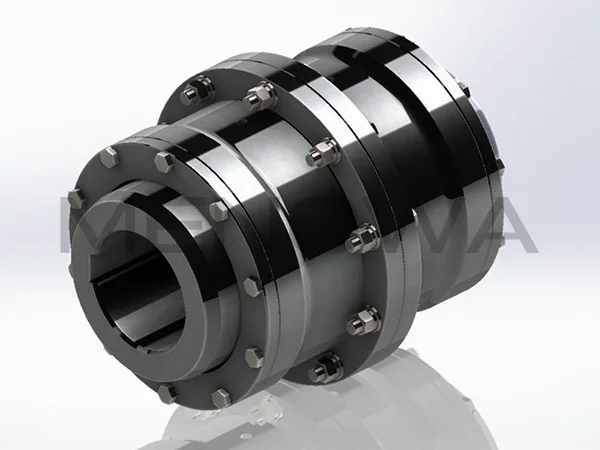
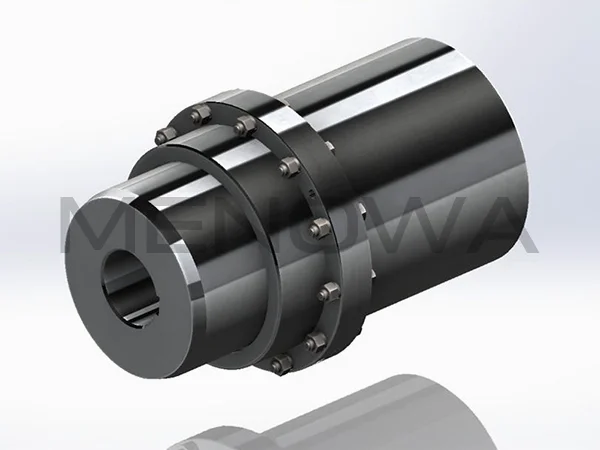
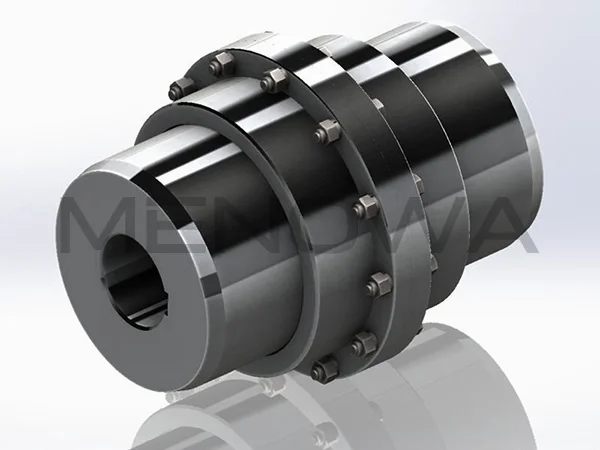
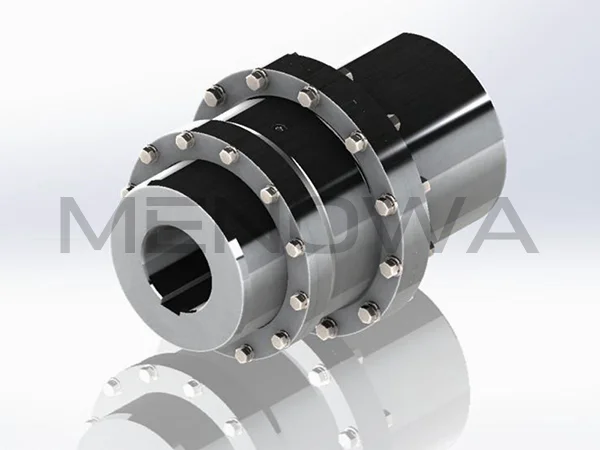
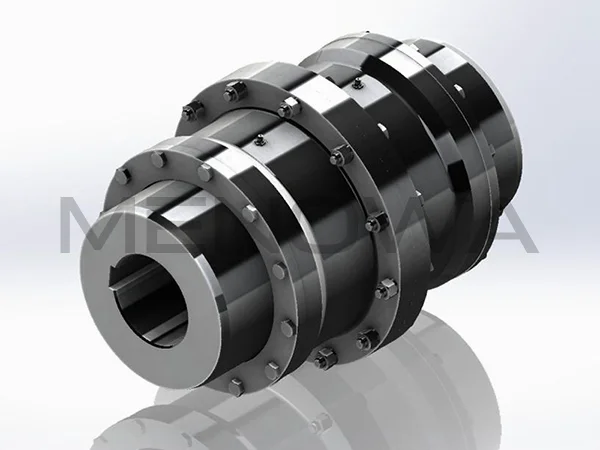
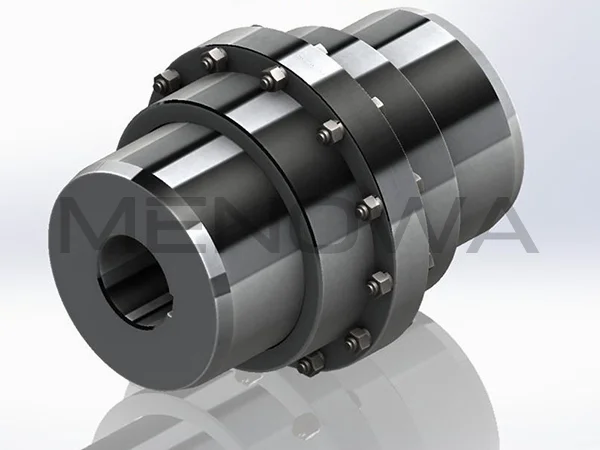
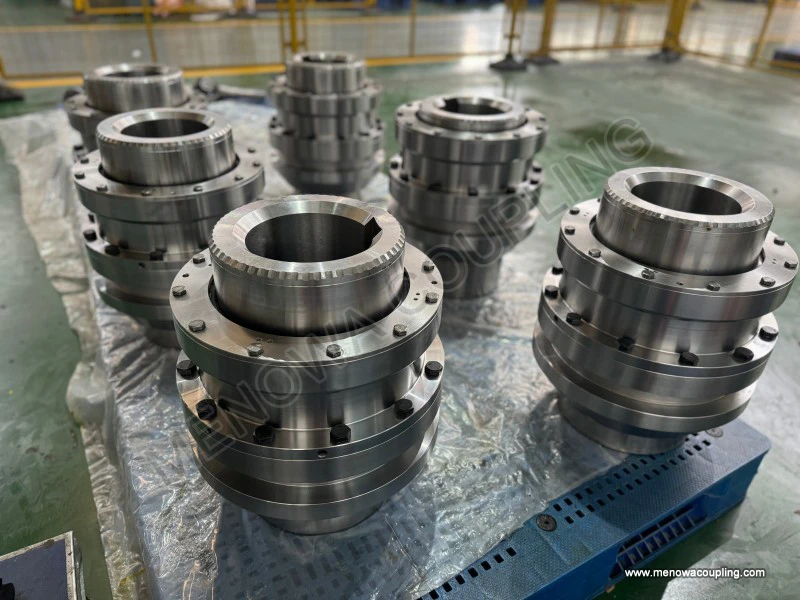
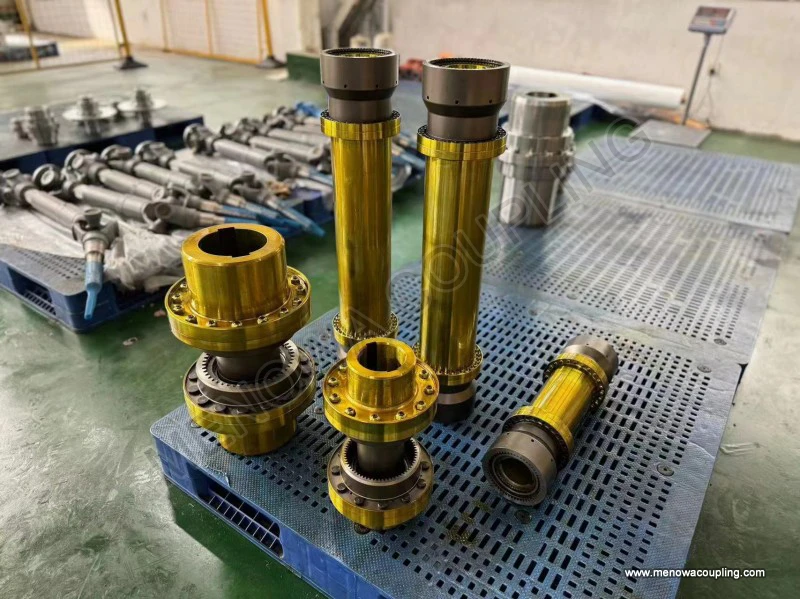
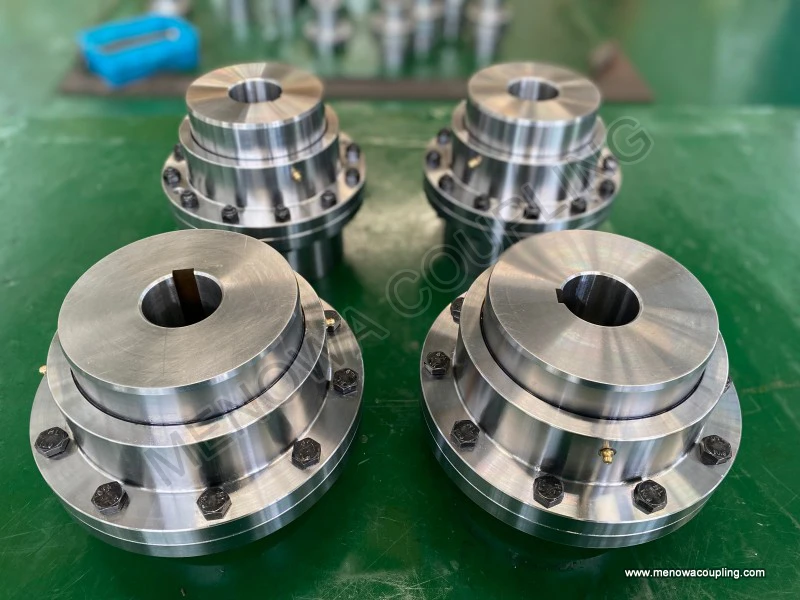
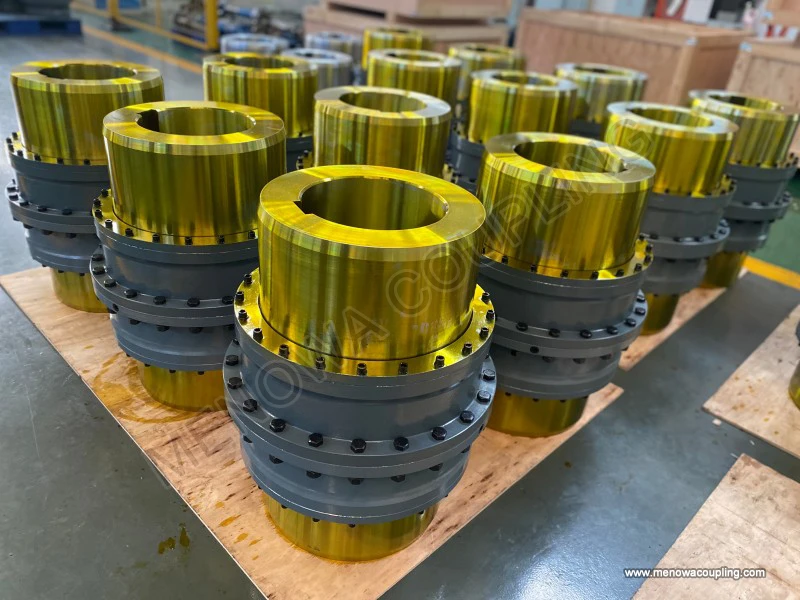
In the global industrial transmission equipment market, curved tooth couplings have emerged as one of the most reliable and versatile mechanical transmission components, occupying a core position in heavy-duty power transmission systems across various industrial sectors worldwide. With the continuous advancement of global industrialization, intelligent manufacturing, and large-scale engineering construction, the market demand for high-stability, high-load-bearing, and misalignment-compensating transmission parts has been rising steadily, making curved tooth couplings increasingly favored in international engineering matching, equipment upgrading, and cross-border mechanical supporting projects. Unlike traditional straight-tooth gear couplings and elastic couplings, curved tooth couplings adopt a unique curved tooth profile design, which fundamentally optimizes the meshing state of gear teeth during operation, effectively solving the problems of uneven load distribution, easy tooth edge wear, and poor misalignment adaptability of traditional coupling structures. This structural advantage enables curved tooth couplings to maintain efficient and stable power transmission under harsh working conditions such as high torque, high speed, frequent variable load, and multi-dimensional shaft misalignment, supporting their widespread application in global mining, metallurgy, petrochemical, power generation, marine engineering, and heavy machinery manufacturing industries.
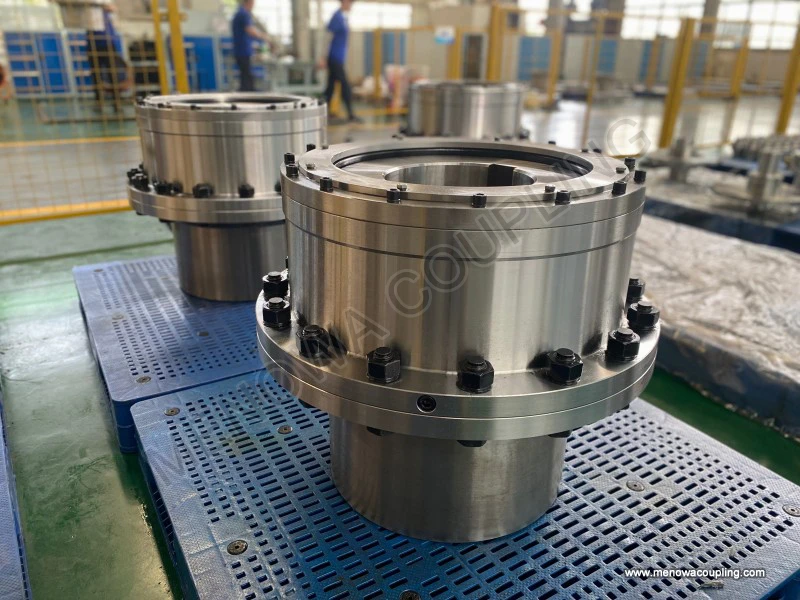
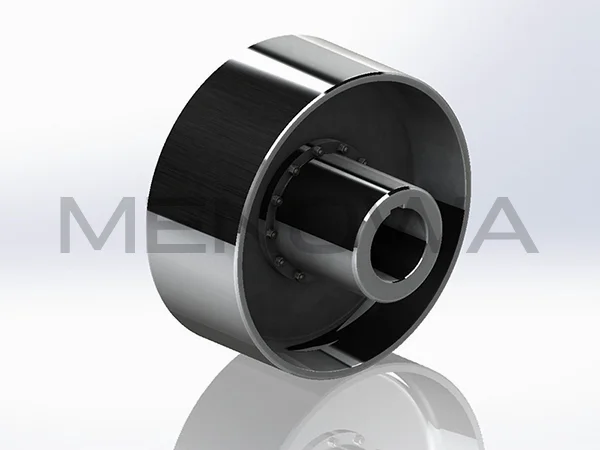
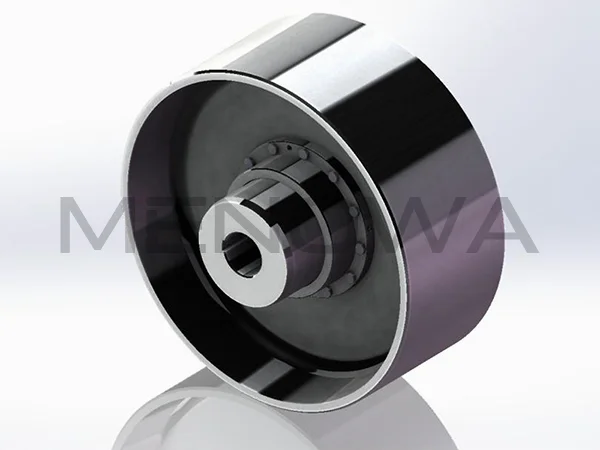
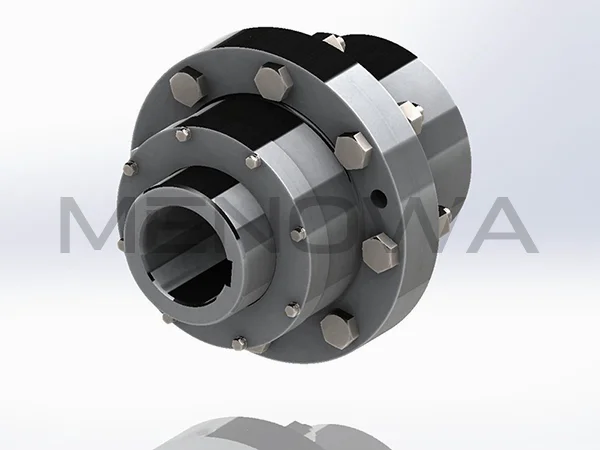
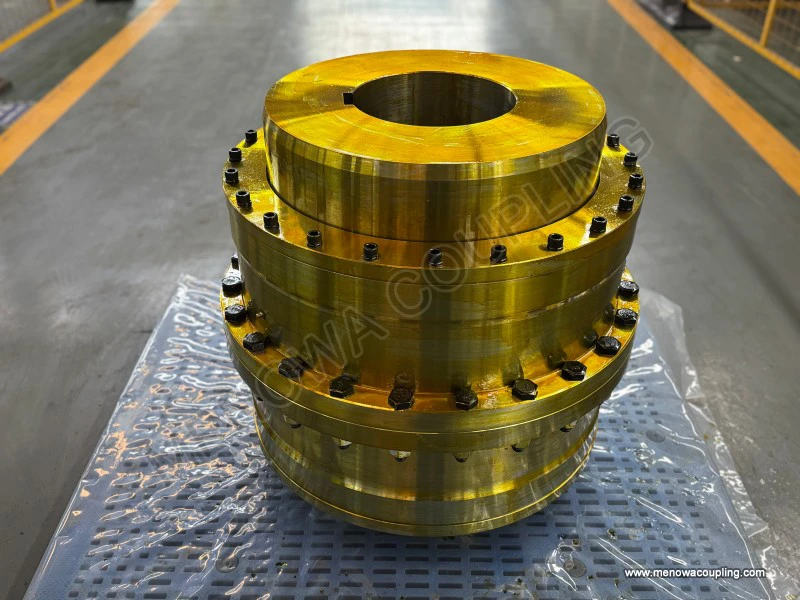
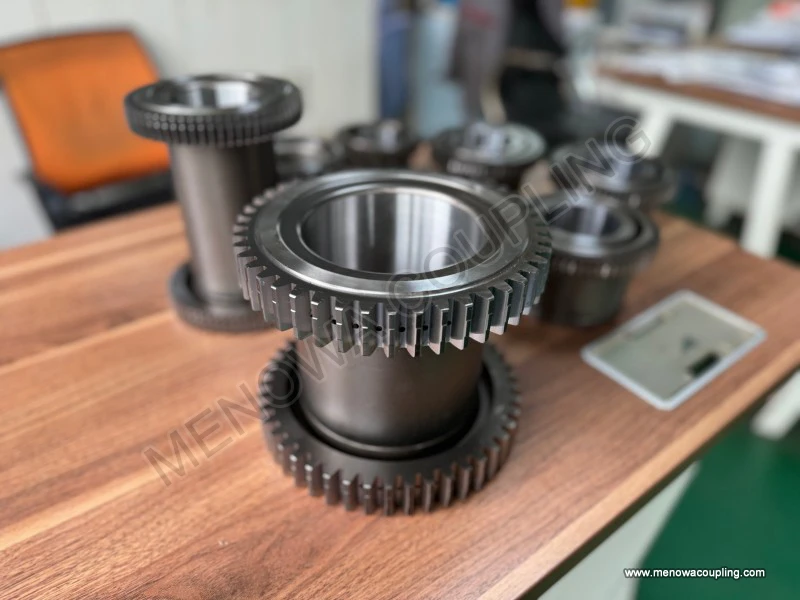
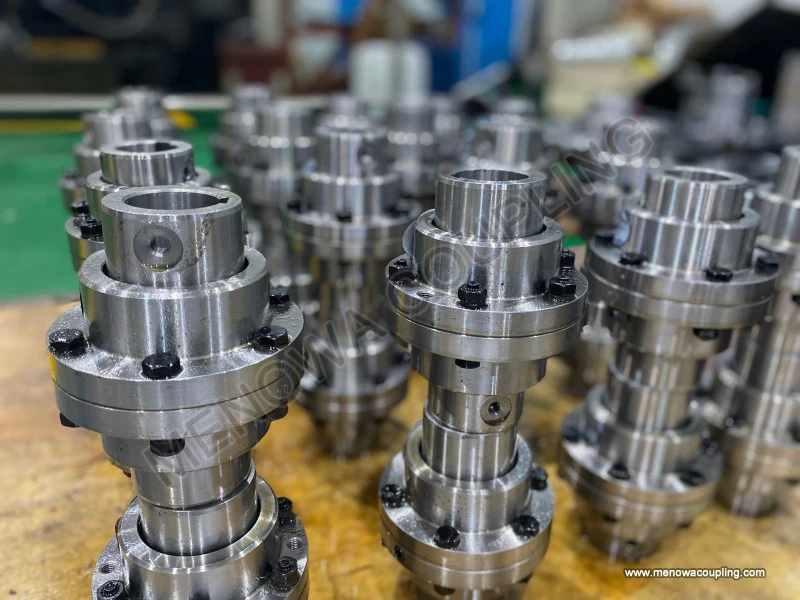
The core working principle of curved tooth couplings lies in the flexible meshing transmission formed by the cooperation of curved outer teeth on the hub and internal teeth on the sleeve. The specially polished curved tooth profile presents a smooth arc transition in both axial and radial directions. When the driving shaft rotates, the curved tooth hub drives the sleeve through surface contact meshing, and the gradual contact of the arc teeth avoids instantaneous impact and edge extrusion during meshing, realizing continuous and uniform transmission of torque and rotational speed. This structural design greatly reduces sliding friction and contact pressure between gear teeth, lowers operating vibration and noise, and significantly improves the overall operational stability and service life of the transmission system. In the global industrial market, this superior transmission performance makes curved tooth couplings an ideal replacement for traditional gear couplings, and their market penetration rate has been continuously improved in emerging industrial markets in Southeast Asia, Africa, and South America, as well as mature markets in Europe and North America. In particular, with the rapid development of large-scale complete equipment export business and international engineering contracting projects, the standardized and serialized curved tooth coupling products have formed a stable global market supply and demand system, becoming a key basic component supporting the normal operation of global heavy industrial equipment.
Curved tooth couplings are applicable to a wide range of working scenarios, covering almost all heavy-duty mechanical transmission links that require torque transmission, misalignment compensation, and long-term stable operation. In the metallurgical industry, they are widely used in rolling mills, smelting equipment, and material conveying machinery, adapting to high-temperature, high-load, and continuous operating working environments, and can resist impact load changes caused by frequent start-stop and variable-speed operation of metallurgical equipment. In the mining industry, the couplings match large mining conveyors, crushers, and hoisting equipment, stably transmitting huge torque while compensating for shaft displacement and vibration deviation generated by long-term operation of mining equipment, reducing equipment failure rates caused by transmission system errors. In the petrochemical field, they serve various chemical reaction kettles, pumping units, and compression equipment, adapting to continuous uninterrupted operating requirements and complex working conditions such as dust and slight corrosion on site. In the power industry, curved tooth couplings are applied to fan equipment, water pump units, and generator supporting transmission systems, ensuring high-speed and stable power transmission of power equipment and reducing energy loss in the transmission process. In addition, they also have important application value in marine engineering equipment, port handling machinery, construction machinery, and large agricultural equipment, showing strong environmental adaptability and working condition compatibility. It is worth noting that curved tooth couplings are more suitable for medium and high-speed heavy-load transmission scenarios compared with elastic couplings, and their rigid and flexible combined structural characteristics make them unable to replace elastic couplings in low-load and high-vibration-damping required scenarios, which is a key basis for international market users to select matching products.
Scientific selection is the core premise to ensure the efficient operation and service life of curved tooth couplings, and international industrial equipment design and application follow standardized selection formulas and calculation principles to avoid equipment matching errors caused by empirical selection. The core selection calculation is based on the rated transmission torque, which needs to comprehensively consider the basic torque of the equipment, working condition coefficient, and safety coefficient to determine the optimal coupling model. The basic selection formula is defined as Tc = T × K1 × K2, where Tc represents the calculated torque required for coupling selection, T represents the rated torque of the driving equipment, K1 represents the working condition coefficient, and K2 represents the safety coefficient. In the parameter definition, the rated torque T of the driving equipment is the stable output torque of the power source equipment under rated operating conditions, which is the basic data for selection calculation. The working condition coefficient K1 is determined according to the actual operating state of the equipment, with a value range of 1.2 to 3.0; for equipment with stable operation, no impact load, and continuous uniform operation, the value is 1.2 to 1.5; for equipment with frequent start-stop, variable load, and intermittent operation, the value is 1.8 to 2.2; for heavy impact load and harsh variable working conditions, the value is 2.5 to 3.0. The safety coefficient K2 is set based on equipment importance and service life requirements, with a conventional value range of 1.1 to 1.5; key core equipment with high operational stability requirements adopts a higher safety coefficient, while ordinary auxiliary equipment can adopt a lower safety coefficient. After calculating the calculated torque Tc, it is necessary to select a curved tooth coupling with a rated torque greater than or equal to Tc to ensure that the coupling can bear the maximum load in actual operation.
In addition to torque calculation, the matching of shaft diameter, rotation speed, and misalignment compensation range is also an essential part of the selection process. Each specification of curved tooth coupling has a fixed applicable shaft diameter range, and the actual shaft diameters of the driving and driven shafts must be within the standard matching range of the coupling to ensure assembly accuracy and transmission stability. In terms of rotation speed, each coupling model has a limit working speed, which is determined by the structural strength and dynamic balance performance of the product; when the equipment operating speed is close to the limit speed of the coupling, it is necessary to upgrade the model or optimize the dynamic balance treatment to avoid vibration and resonance problems caused by high-speed operation. In terms of misalignment compensation, the curved tooth structure can simultaneously compensate for angular misalignment, radial misalignment, and axial displacement generated during equipment operation. Conventional curved tooth couplings can adapt to angular misalignment within 1.5° to 3°, radial misalignment within 0.2mm to 0.8mm, and a certain range of axial telescopic displacement. In international engineering applications, it is necessary to measure the actual shaft misalignment of the equipment in advance and verify whether it matches the coupling’s compensation capacity, so as to eliminate transmission abrasion and equipment vibration caused by excessive misalignment.
In the international market application process, there are multiple key selection and use precautions that determine the long-term operating effect of curved tooth couplings. First of all, working condition adaptation screening must be done in advance. Although curved tooth couplings have strong load-bearing capacity, they are not suitable for ultra-low-speed frequent impact working conditions and ultra-high-precision zero-backlash transmission scenarios. For low-speed heavy-impact equipment, excessive instantaneous load will cause accelerated wear of curved tooth surfaces; for precision transmission equipment requiring zero backlash, the tiny meshing gap of gear couplings cannot meet the precision positioning requirements. Secondly, attention must be paid to the matching of use environment and product performance. In high-temperature, humid, dusty, or slightly corrosive working environments, it is necessary to select products with optimized surface treatment and structural sealing performance to avoid tooth surface corrosion, lubricant failure, and dust intrusion abrasion, which can effectively extend the service life of the coupling in harsh environments.
Thirdly, lubrication management is a key link affecting the operating performance of curved tooth couplings. The meshing transmission of curved teeth relies on lubricating media to reduce friction and wear. Good lubrication can ensure uniform load distribution on the tooth surface and reduce operating noise and vibration. In international industrial operation specifications, regular lubricant replacement and lubrication state inspection are required according to equipment operating intensity and environmental conditions. Long-term lack of lubrication will lead to dry friction of gear teeth, resulting in tooth surface scratch, wear and even tooth breakage failure, while excessive lubricant accumulation will cause heat dissipation blockage and affect high-speed operation stability. Fourthly, assembly accuracy control cannot be ignored. The installation coaxiality of the driving and driven shafts directly affects the service life of the coupling. Excessive installation deviation will cause the curved teeth to bear eccentric load for a long time, resulting in local accelerated wear of the tooth surface and premature failure of the coupling. After installation, it is necessary to calibrate the shaft deviation strictly in accordance with mechanical assembly standards to ensure that the misalignment is within the allowable compensation range of the product.
From the perspective of the global market development trend, the market demand for curved tooth couplings maintains a steady growth state. With the accelerated upgrading of global traditional industrial equipment and the rapid development of new energy equipment, intelligent engineering machinery, and large marine equipment, the demand for high-performance, long-life, and low-maintenance transmission couplings is continuously increasing. Curved tooth couplings, with their excellent comprehensive performance, have replaced part of the market share of straight-tooth gear couplings and ordinary elastic couplings, and their application scenarios are constantly expanding. In the international market competition, product serialization, structural optimization, and working condition adaptation have become the core development directions. The continuous optimization of curved tooth profile design and manufacturing technology further improves the load-bearing capacity and misalignment compensation performance of products, while the lightweight and high-strength structural design reduces the overall equipment energy consumption, making products more in line with the global energy-saving and high-efficiency industrial development trend.
In terms of market application differentiation, mature industrial markets in Europe and North America pay more attention to the stability, durability and low failure rate of couplings, and tend to select high-precision, high-strength serialized curved tooth coupling products for high-end precision heavy equipment and large engineering complete sets of equipment. Emerging markets in Asia, Africa and Latin America focus more on product cost performance and environmental adaptability, and the demand for universal and durable curved tooth couplings in basic industrial equipment and conventional engineering machinery is more prominent. This differentiated market demand promotes the continuous upgrading and iterative innovation of curved tooth coupling products in the global market, and also promotes the standardization and normalization of product selection, installation and use specifications in international industrial applications.
In actual international engineering matching, standardized selection and standardized use are the key to giving full play to the performance advantages of curved tooth couplings. Many equipment operation failures in global industrial projects are not caused by product quality problems, but by unreasonable model selection, non-standard installation and inadequate daily maintenance. Therefore, in the international market application system, mastering scientific selection formulas, clarifying scenario adaptation boundaries, and standardizing operation and maintenance management are essential prerequisites to ensure the long-term stable operation of curved tooth couplings. With the continuous progress of global mechanical manufacturing technology and the continuous expansion of industrial application scenarios, curved tooth couplings will further expand their market coverage in the global heavy-duty transmission field, and continuously adapt to the diversified and high-end development needs of global industrial transmission systems through structural optimization and performance upgrading, becoming an indispensable basic mechanical component in the global industrial supply chain.
Post Date: Jun 26, 2026
https://www.menowacoupling.com/china-coupling/specification-of-curved-tooth-coupling.html
Products
Tags
Supply
Related Articles
Maintenance of Curved Tooth Coupling
Curved tooth coupling, also widely known as crowned gear coupling, remains one of the most widely adopted positive-locking flexible transmission components across global heavy-duty industrial markets, thanks to its outstanding torque capacity, multi-directional misalignment compensation and stable torsional rigidity und…Gear Type Coupling Supplier
xIn the complex and interconnected system of modern industrial transmission machinery, gear type couplings stand out as one of the most indispensable core components, undertaking the critical task of torque transmission, shaft misalignment compensation, and mechanical operation stabilization for various heavy-duty and h…Structure of Gear Type Coupling
Gear type coupling is a widely used flexible mechanical transmission component designed to connect two rotating shafts in mechanical systems, realizing stable torque and rotational motion transmission while compensating for various shaft misalignments generated during equipment operation and installation. Its structural…Coaxiality of Gear Type Coupling
Gear type couplings serve as fundamental mechanical transmission components widely applied in industrial power transmission systems, primarily responsible for connecting two rotating shafts to transmit torque, rotational speed, and mechanical power between driving and driven equipment. Coaxiality, as a core geometric an…Material of Curved Tooth Coupling
Curved tooth couplings have emerged as one of the most reliable and versatile mechanical transmission components in the global industrial machinery sector, serving as a core connecting unit for shaft torque transmission in heavy-duty, high-speed, and misalignment-tolerant operating environments. The unique curved tooth …Characteristics of Curved Tooth Coupling
In the global industrial transmission equipment market, curved tooth couplings have emerged as a core universal transmission component, widely adopted in heavy-duty machinery, energy equipment, marine engineering, and mining industries across all regional markets. Differing from traditional straight tooth gear couplings…
 WeChat
 WhatsApp