Flexible Diaphragm Coupling Wholesale
In the realm of industrial power transmission, the flexible diaphragm coupling stands out as a critical component that bridges the gap between rotating shafts, ensuring efficient, reliable, and precise power transfer across a wide range of applications. As industries continue to evolve and demand higher performance from their machinery, the need for high-quality flexible diaphragm couplings has grown exponentially, making wholesale a practical and cost-effective solution for businesses of all sizes. Wholesale procurement of flexible diaphragm couplings not only offers significant advantages in terms of cost savings but also ensures a steady supply of essential components, supporting seamless production processes and minimizing downtime. This article delves into the key aspects of flexible diaphragm coupling wholesale, exploring the product’s core characteristics, applications, wholesale benefits, selection criteria, and maintenance tips, providing a comprehensive guide for businesses looking to source these components in bulk.
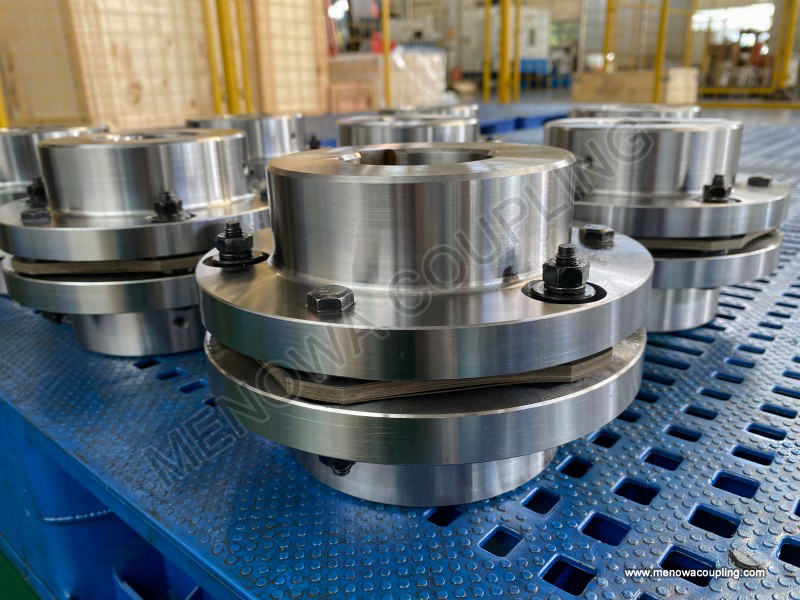
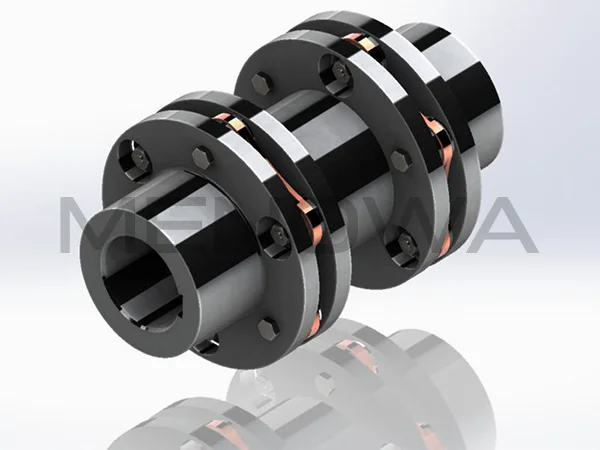
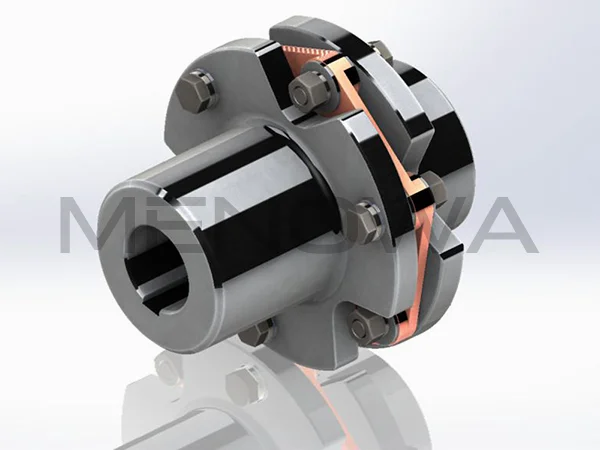
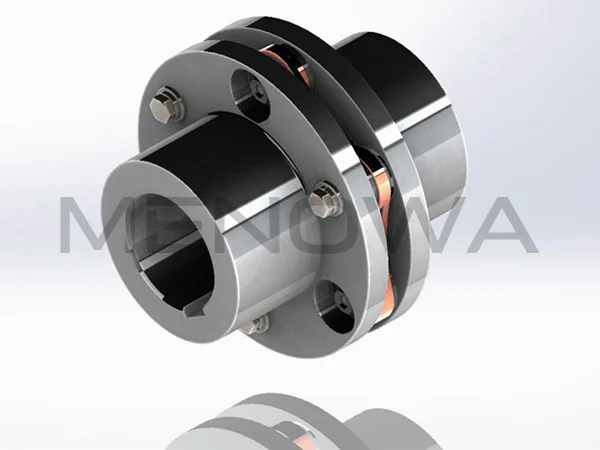
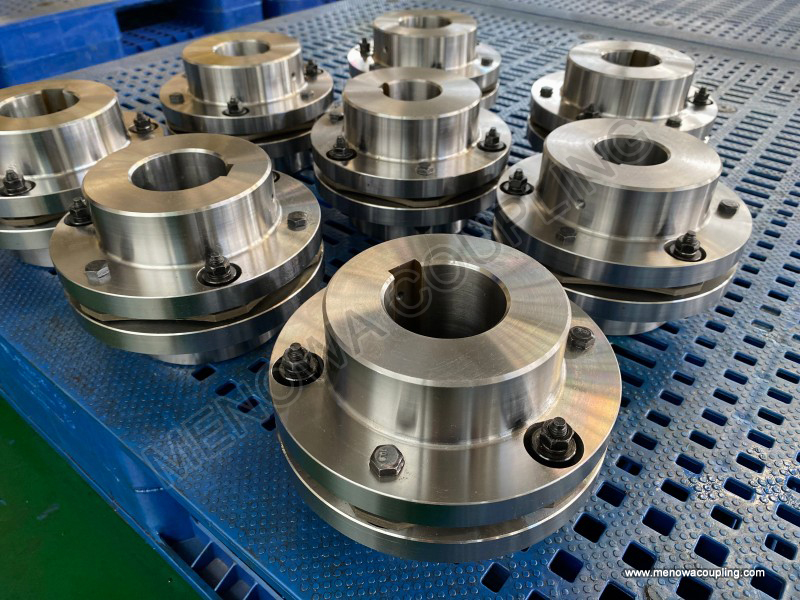
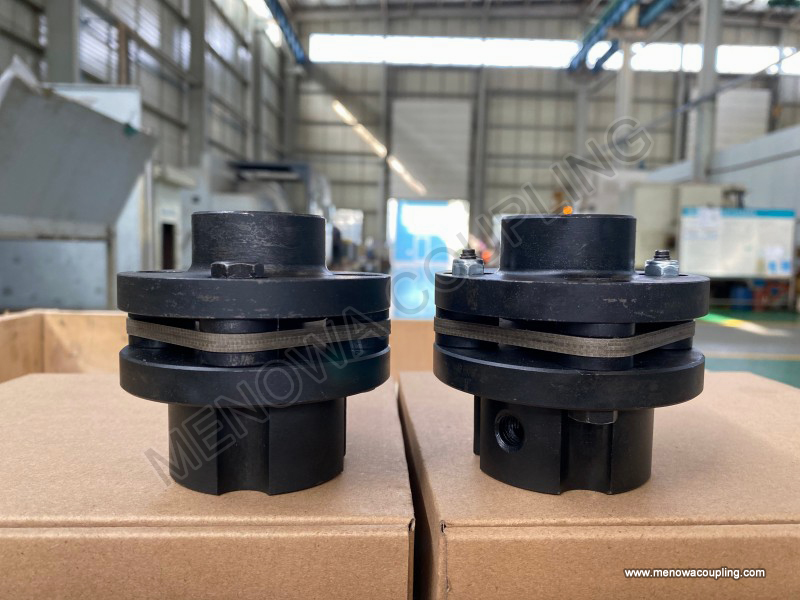
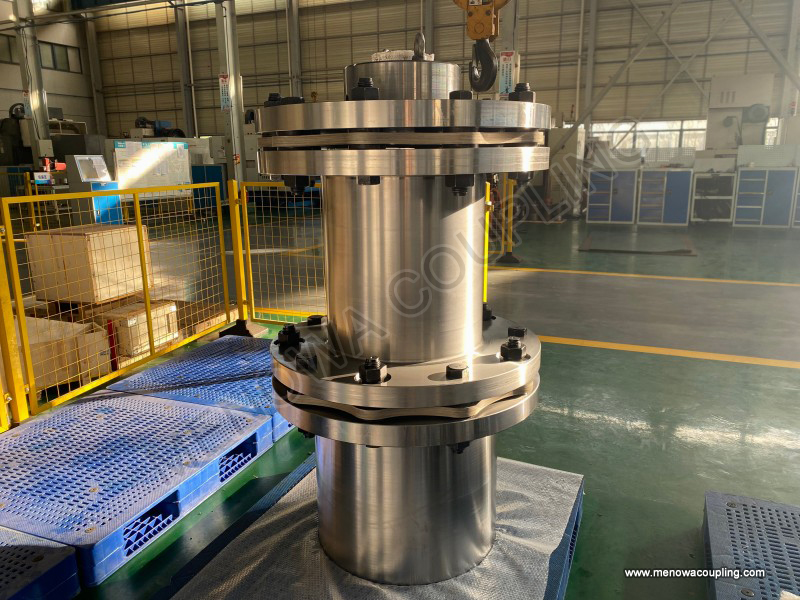
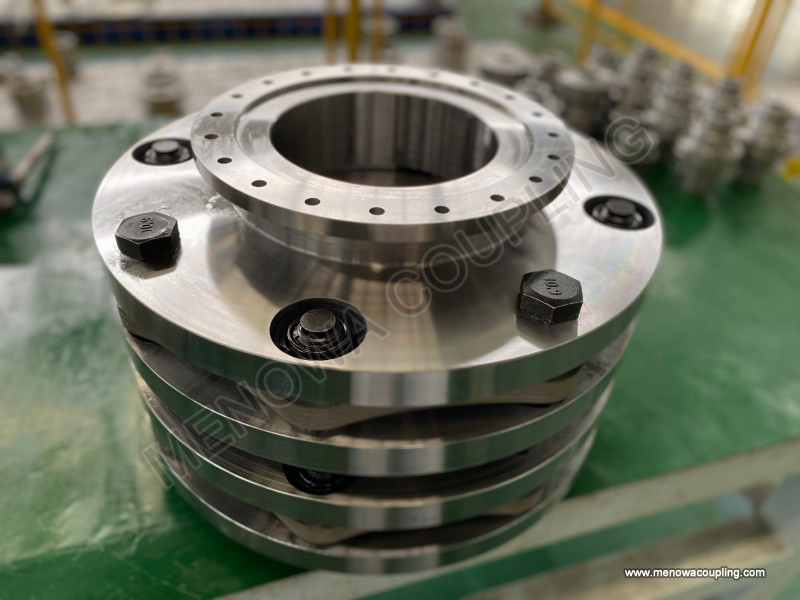
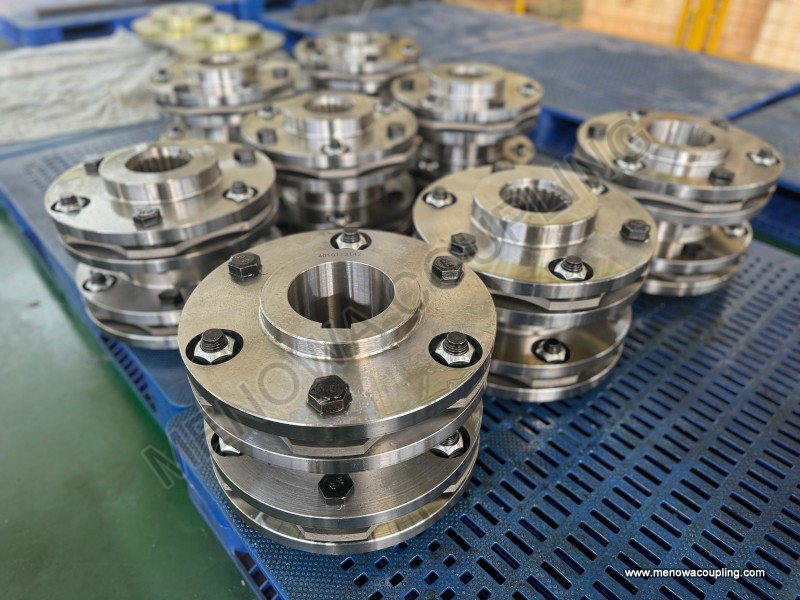
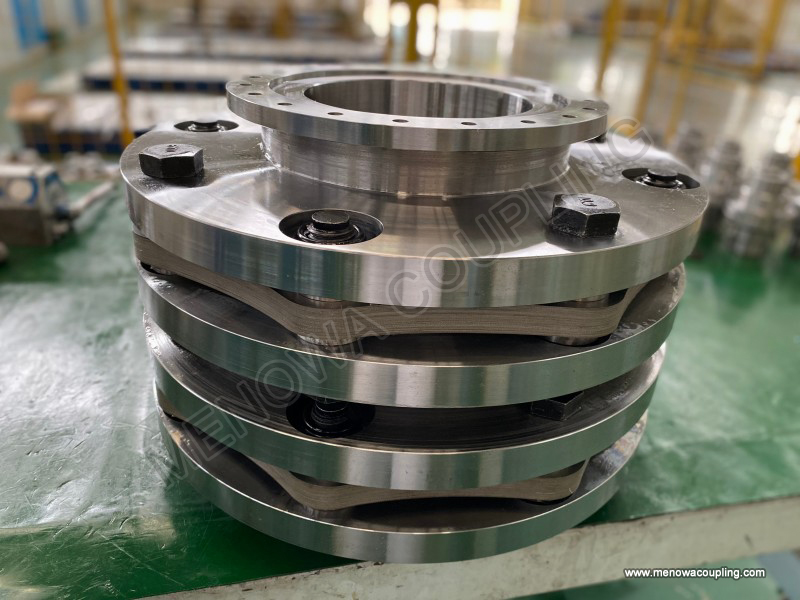
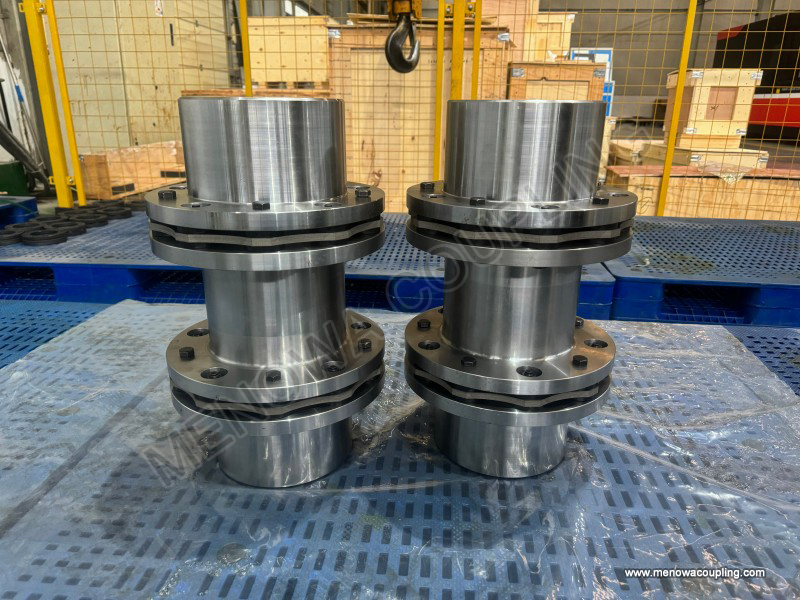
A flexible diaphragm coupling is a type of mechanical coupling that uses thin, flexible metal diaphragms to connect two shafts, allowing for the transmission of torque while compensating for misalignments between the shafts. Unlike other types of couplings that rely on rubber or elastic elements, the flexible diaphragm coupling uses metal diaphragms—typically made from high-strength materials such as stainless steel, titanium, or aluminum alloys—that deform elastically to accommodate axial, radial, and angular misalignments. This design eliminates the need for lubrication, as there are no moving parts that come into direct contact with each other, reducing maintenance requirements and eliminating the risk of lubricant leakage, which can be detrimental in clean or sensitive industrial environments. The metal diaphragms are usually arranged in a stack or series, with each diaphragm contributing to the overall flexibility and torque-carrying capacity of the coupling. This structure ensures that the coupling can handle high torque loads while maintaining precision, making it suitable for a wide range of industrial applications.
One of the most notable characteristics of flexible diaphragm couplings is their ability to transmit torque with minimal energy loss. The rigid connection between the diaphragms and the shaft hubs ensures that almost all the torque generated by the driving shaft is transferred to the driven shaft, resulting in high transmission efficiency. This efficiency is particularly important in industries where energy conservation is a priority, such as manufacturing, power generation, and automotive production. Additionally, the absence of backlash in flexible diaphragm couplings ensures precise motion control, making them ideal for applications that require high positional accuracy, such as robotics, CNC machinery, and precision manufacturing equipment. Unlike gear couplings, which may develop backlash over time due to wear, flexible diaphragm couplings maintain their precision even after long-term use, thanks to their solid, lubrication-free design.
The versatility of flexible diaphragm couplings is another key factor that makes them a popular choice in wholesale markets. These couplings are available in a wide range of sizes, configurations, and material options, allowing them to be tailored to meet the specific needs of different applications. For example, small-sized flexible diaphragm couplings are commonly used in precision instruments and small motors, while larger, heavy-duty models are designed for use in industrial machinery such as pumps, compressors, turbines, and conveyors. The material of the diaphragms can also be customized based on the application requirements: stainless steel diaphragms are ideal for corrosive environments, such as chemical processing plants, while titanium diaphragms are used in high-temperature applications, such as aerospace and automotive engines. This flexibility in design and material selection makes flexible diaphragm couplings suitable for use in virtually every industry, from food and beverage processing to oil and gas, and from renewable energy to medical equipment.
When it comes to wholesale procurement of flexible diaphragm couplings, businesses can benefit from a range of advantages that make this approach more practical and cost-effective than purchasing individual units. One of the primary benefits of wholesale is cost savings. By purchasing in bulk, businesses can negotiate lower unit prices, as wholesale suppliers often offer discounts for large orders. This is particularly beneficial for manufacturing companies, maintenance firms, and distributors that require a steady supply of couplings for their operations or to resell to end-users. Additionally, wholesale procurement allows businesses to maintain inventory levels, ensuring that they have the necessary components on hand when needed, reducing the risk of production delays due to component shortages. This is especially important in industries where downtime can result in significant financial losses, such as automotive manufacturing or power generation.
Another advantage of flexible diaphragm coupling wholesale is the ability to access a wide range of products from a single supplier. Reputable wholesale suppliers typically offer a comprehensive selection of couplings, including different sizes, configurations, and material options, allowing businesses to source all their coupling needs from one source. This simplifies the procurement process, reduces the number of suppliers a business needs to manage, and streamlines logistics and delivery. Additionally, wholesale suppliers often have the expertise to provide technical support and advice, helping businesses select the right coupling for their specific application. This technical support can be invaluable, especially for businesses that may not have in-house expertise in mechanical couplings, ensuring that they choose a product that meets their performance requirements and operates efficiently.
The applications of flexible diaphragm couplings are vast and varied, spanning across numerous industries and sectors. In the manufacturing industry, these couplings are used in a wide range of machinery, including CNC machines, lathes, milling machines, and conveyors, where precise torque transmission and misalignment compensation are essential. In the power generation sector, flexible diaphragm couplings are used to connect turbines, generators, and pumps, ensuring reliable power transmission in both traditional and renewable energy plants. For example, in wind turbines, flexible diaphragm couplings are used to connect the gearbox to the generator, accommodating the misalignments that occur due to wind loads and thermal expansion. In the automotive industry, these couplings are used in engine systems, transmissions, and drivetrains, where they provide reliable torque transmission while compensating for the misalignments between different components.
The chemical and petrochemical industry also relies heavily on flexible diaphragm couplings, as they are resistant to corrosive chemicals and can operate in high-temperature environments. These couplings are used in pumps, compressors, and mixers, where they ensure reliable performance even in harsh conditions. In the food and beverage industry, flexible diaphragm couplings are preferred due to their lubrication-free design, which eliminates the risk of lubricant contamination of food products. They are used in conveyor systems, mixers, and packaging machinery, ensuring hygienic and efficient operation. The medical equipment industry also uses flexible diaphragm couplings in precision instruments such as MRI machines, CT scanners, and surgical robots, where precise motion control and reliability are critical.
When selecting flexible diaphragm couplings for wholesale, there are several key factors that businesses need to consider to ensure they choose the right product for their needs. The first factor is the torque capacity of the coupling. The coupling must be able to handle the maximum torque generated by the driving shaft without failing or deforming. It is important to select a coupling with a torque rating that exceeds the maximum operating torque of the application to ensure safety and reliability. The second factor is the misalignment compensation capability. Different applications require different levels of axial, radial, and angular misalignment compensation, so it is important to select a coupling that can accommodate the specific misalignments present in the application. For example, applications with significant axial movement may require a coupling with a higher axial misalignment capacity, while applications with angular misalignment may require a coupling with a more flexible diaphragm design.
The material of the diaphragm is another important consideration. As mentioned earlier, stainless steel is suitable for corrosive environments, while titanium is ideal for high-temperature applications. Aluminum alloys are often used for lightweight applications where weight is a critical factor, such as in aerospace or automotive applications. The size and configuration of the coupling must also be compatible with the shafts it will connect, including the shaft diameter, length, and mounting style. It is important to ensure that the coupling’s hub size matches the shaft diameter, and that the mounting style (such as keyway, set screw, or clamp) is compatible with the existing machinery.
In addition to these factors, businesses should also consider the operating environment of the coupling. Factors such as temperature, humidity, dust, and chemical exposure can affect the performance and lifespan of the coupling. For example, couplings used in high-temperature environments may require special materials or designs to prevent thermal damage, while couplings used in dusty environments may require protective covers to prevent debris from entering the coupling and causing damage. It is also important to consider the operating speed of the application, as high-speed applications may require couplings with higher balance accuracy to prevent vibration and premature wear.
Proper maintenance is essential to ensure the long-term performance and reliability of flexible diaphragm couplings, which is an important consideration for businesses purchasing these components in wholesale. While flexible diaphragm couplings require less maintenance than other types of couplings, regular inspection and care are still necessary. Regular inspections should include checking the diaphragms for signs of wear, fatigue, or damage, such as cracks, tears, or deformation. If any damage is detected, the diaphragm should be replaced immediately to prevent coupling failure, which could lead to equipment damage or downtime. Additionally, the bolts and fasteners used to connect the coupling to the shafts should be checked regularly to ensure they are tight and secure, as loose fasteners can cause misalignment and reduce the coupling’s performance.
It is also important to ensure that the coupling is properly installed, as incorrect installation can lead to premature wear and failure. The shafts should be aligned as accurately as possible before installing the coupling, and the coupling should be mounted according to the manufacturer’s instructions. Proper alignment reduces the stress on the diaphragms, extending their lifespan and ensuring efficient power transmission. In addition, businesses should store their wholesale flexible diaphragm couplings in a clean, dry environment to prevent corrosion and damage. Couplings should be stored away from moisture, dust, and chemicals, and should be protected from physical damage during storage and transportation.
The future of flexible diaphragm coupling wholesale looks promising, as industries continue to demand higher performance, reliability, and efficiency from their machinery. Advancements in material technology are leading to the development of more durable and efficient diaphragms, such as composite materials that offer higher strength and flexibility than traditional metals. Additionally, the growing focus on renewable energy and sustainable manufacturing is driving the demand for flexible diaphragm couplings in wind turbines, solar power plants, and other green energy applications. As businesses increasingly recognize the benefits of wholesale procurement, the market for flexible diaphragm couplings is expected to grow, with more suppliers offering a wider range of products and services to meet the evolving needs of industries worldwide.
In conclusion, flexible diaphragm coupling wholesale is a practical and cost-effective solution for businesses looking to source high-quality power transmission components in bulk. These couplings offer numerous advantages, including high transmission efficiency, precise motion control, versatility, and low maintenance requirements, making them suitable for a wide range of industrial applications. By considering key factors such as torque capacity, misalignment compensation, material selection, and operating environment, businesses can select the right coupling for their needs and ensure reliable performance. With proper maintenance and care, flexible diaphragm couplings can provide long-term service, supporting seamless production processes and minimizing downtime. As industries continue to evolve, the demand for flexible diaphragm couplings is expected to grow, making wholesale procurement an essential strategy for businesses looking to stay competitive in today’s global market.
Post Date: May 19, 2026
https://www.menowacoupling.com/china-coupling/flexible-diaphragm-coupling-wholesale.html
Products
Tags
Related Articles
Specification of Flexible Diaphragm Coupling
Flexible diaphragm couplings represent a pivotal category of metal elastic transmission components widely adopted in high-precision mechanical power transmission systems, serving the core function of connecting driving and driven shafts to achieve stable torque transmission while accommodating inevitable shaft misalignm…Classification of Flexible Diaphragm Coupling
Flexible diaphragm couplings are essential components in modern mechanical transmission systems, designed to connect two shafts while compensating for relative displacements caused by manufacturing errors, installation deviations, thermal expansion, or operational vibrations. Unlike rigid couplings that require precise …Flexible Diaphragm Coupling Factory
A flexible diaphragm coupling factory is a specialized manufacturing facility dedicated to producing high-performance flexible diaphragm couplings, which are essential mechanical components used to connect two rotating shafts in various industrial applications. These couplings play a critical role in transmitting torque…Flexible Diaphragm Coupling Manufacture
Flexible diaphragm couplings stand as critical components in modern power transmission systems, bridging driving and driven shafts while accommodating misalignment, absorbing vibration, and ensuring efficient torque delivery across diverse industrial scenarios. The manufacture of these precision components integrates ma…Types of Diaphragm Coupling
Diaphragm couplings stand as a vital category of flexible metal couplings widely utilized in modern mechanical power transmission systems, designed to connect driving and driven shafts while delivering stable torque transfer and accommodating various forms of shaft misalignment through the elastic deformation of metal d…Structure of Flexible Diaphragm Coupling
Flexible diaphragm coupling serves as a vital mechanical transmission component widely applied in high-precision and high-speed mechanical transmission systems, relying on elastic deformation of metal diaphragm components to realize torque transmission and shaft misalignment compensation. Different from traditional flex…
 WeChat
 WhatsApp