Flexible Diaphragm Coupling Fabrication
Flexible diaphragm couplings are essential components in modern mechanical transmission systems, designed to connect two shafts while compensating for axial, radial, and angular misalignments, absorbing vibrations, and ensuring efficient power transfer. The fabrication of these couplings is a sophisticated process that requires precise control over material selection, machining operations, heat treatment, assembly, and quality inspection to meet the diverse performance requirements of various industrial applications. From the initial material selection to the final finishing touches, every step in the fabrication process plays a critical role in determining the coupling’s durability, reliability, and overall performance. This article explores the comprehensive fabrication process of flexible diaphragm couplings, highlighting the key techniques, considerations, and challenges involved in producing high-quality couplings that can withstand the demands of harsh operating environments.
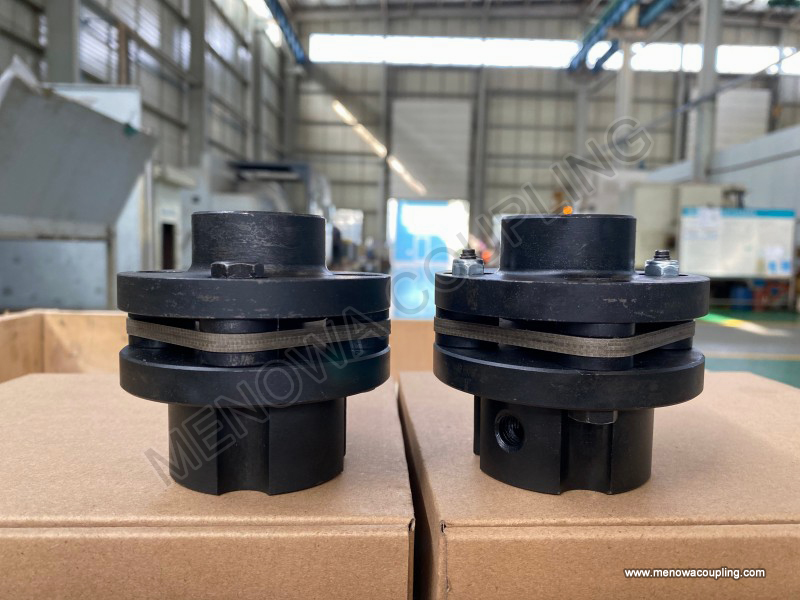
The foundation of a reliable flexible diaphragm coupling lies in the careful selection of materials, as the performance of the coupling is directly influenced by the mechanical properties of the materials used. The primary components of a flexible diaphragm coupling include the diaphragms, hubs, and intermediate shafts (if applicable), each requiring materials with specific characteristics to fulfill their respective functions. Diaphragms, the core flexible elements of the coupling, are typically made from thin, high-strength metal sheets that can undergo elastic deformation to compensate for misalignments without permanent damage. Common materials for diaphragms include stainless steel, alloy steel, and in some cases, high-strength aluminum alloys or non-metallic materials such as polytetrafluoroethylene (PTFE) and engineering plastics. Stainless steel, particularly grades like 304 and 316, is widely used for diaphragms due to its excellent corrosion resistance, high tensile strength, and good fatigue resistance, making it suitable for applications in harsh environments such as chemical processing, food production, and marine industries. Alloy steel, on the other hand, offers superior strength and toughness, making it ideal for high-load and high-torque applications in heavy machinery, power generation, and aerospace sectors. High-strength aluminum alloys are preferred for applications where weight reduction is critical, such as in aviation and high-speed precision machinery, as they provide a good balance of strength and lightweight properties. Non-metallic materials like PTFE are used in specialized applications requiring low friction, high chemical resistance, or electrical insulation, though they are less common than metal diaphragms due to their lower load-bearing capacity.
Hubs and intermediate shafts, which are responsible for connecting the coupling to the drive and driven shafts and transmitting torque, are typically made from high-strength carbon steel or alloy steel. These materials are chosen for their excellent mechanical strength, wear resistance, and machinability, ensuring that they can withstand the high torques and stresses encountered during operation. In some cases, hubs may be subjected to surface treatments such as nickel plating, zinc plating, or dacromet coating to enhance their corrosion resistance, particularly in outdoor or corrosive environments. The selection of materials is also influenced by the specific application requirements, such as operating temperature, load capacity, speed, and environmental conditions. For example, in high-temperature applications such as gas turbines or industrial furnaces, materials with high temperature resistance, such as nickel-based alloys, may be used to ensure the coupling can operate reliably at elevated temperatures. Similarly, in applications with high levels of vibration or shock, materials with good damping properties may be selected to reduce the impact on the coupling and the connected equipment.
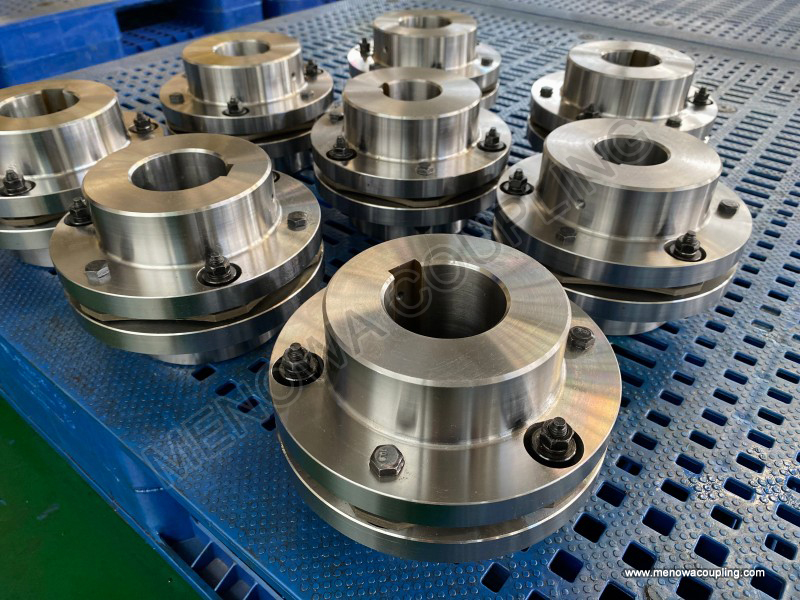
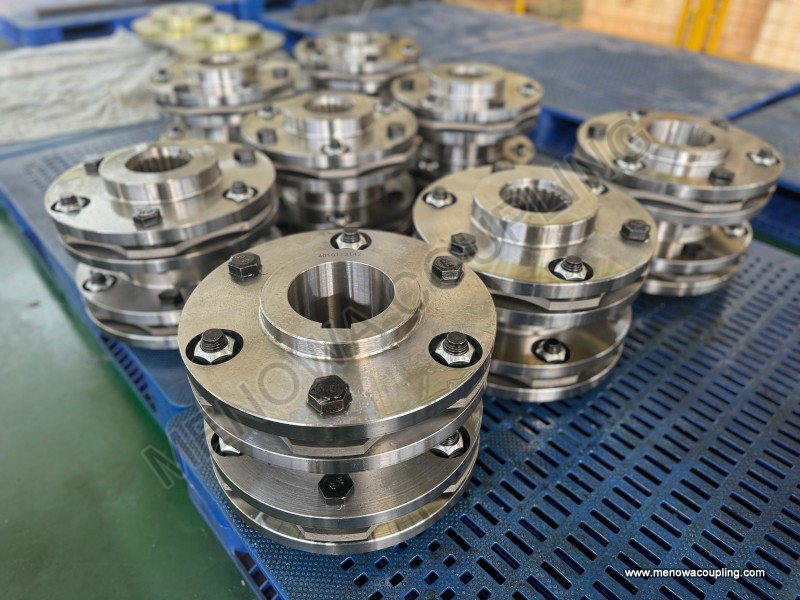
Once the materials have been selected, the fabrication process proceeds to the machining stage, where each component is precision-machined to meet the required dimensions and tolerances. Machining operations for flexible diaphragm couplings include turning, milling, drilling, grinding, and laser cutting, each tailored to the specific component and its design requirements. Hubs are typically machined using turning operations to achieve the required outer diameter, inner diameter, and length, with precise tolerances to ensure a secure fit with the drive and driven shafts. The inner bore of the hub is often machined with a keyway or spline to transmit torque effectively, requiring high precision to avoid backlash or misalignment. Milling operations are used to shape the flanges of the hubs, which are used to connect the diaphragms to the hubs via bolts or rivets. Drilling operations are performed to create holes in the flanges and diaphragms for fasteners, with strict control over hole size, spacing, and alignment to ensure proper assembly and load distribution.
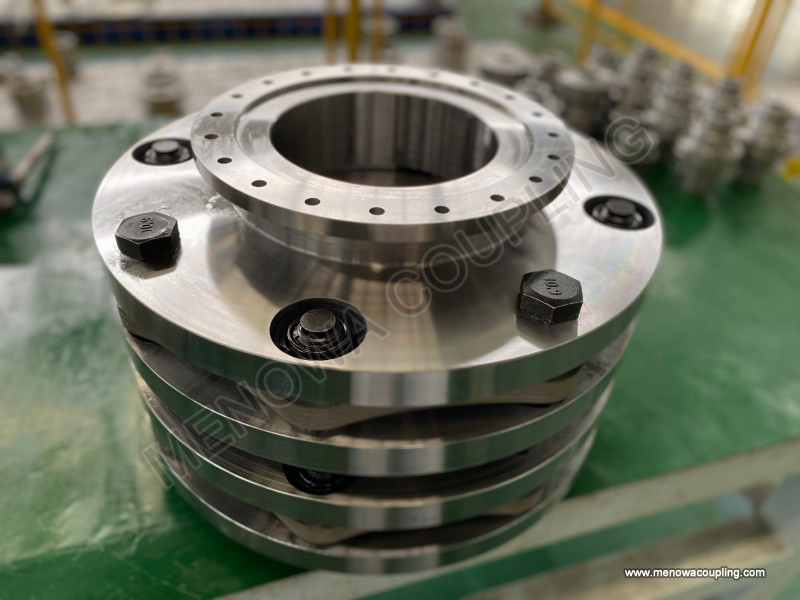
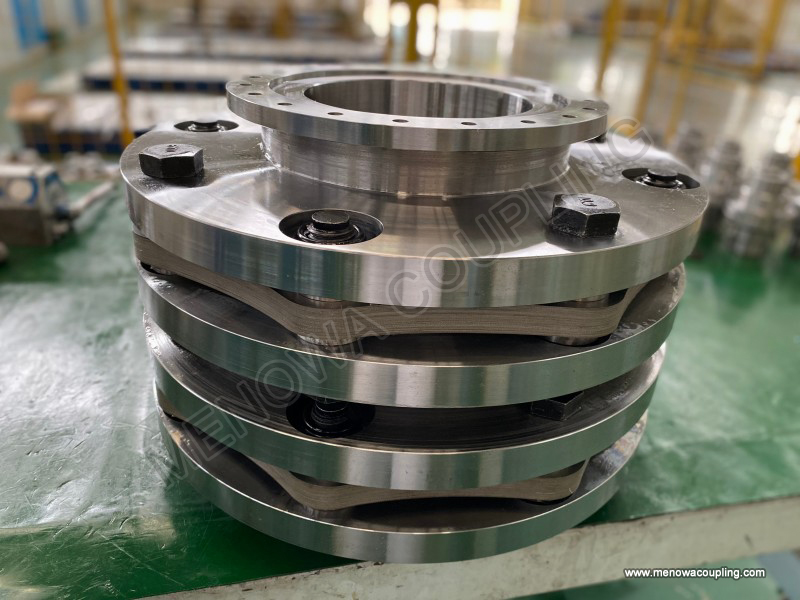
Diaphragm machining is a critical step that requires extreme precision, as the performance of the coupling depends heavily on the thickness, flatness, and geometry of the diaphragms. Diaphragms are typically cut from thin metal sheets using laser cutting or waterjet cutting, which offer high precision and minimal material waste. Laser cutting is preferred for most applications due to its ability to produce clean, precise cuts with tight tolerances, even for complex shapes. After cutting, the diaphragms may undergo grinding or polishing to achieve a smooth surface finish, which helps to reduce stress concentrations and improve fatigue resistance. The geometry of the diaphragms, including the number and shape of the slots or holes, is carefully designed to allow for maximum flexibility while maintaining sufficient strength to transmit torque. The slots or holes in the diaphragms are strategically placed to distribute stress evenly, preventing premature failure due to fatigue.
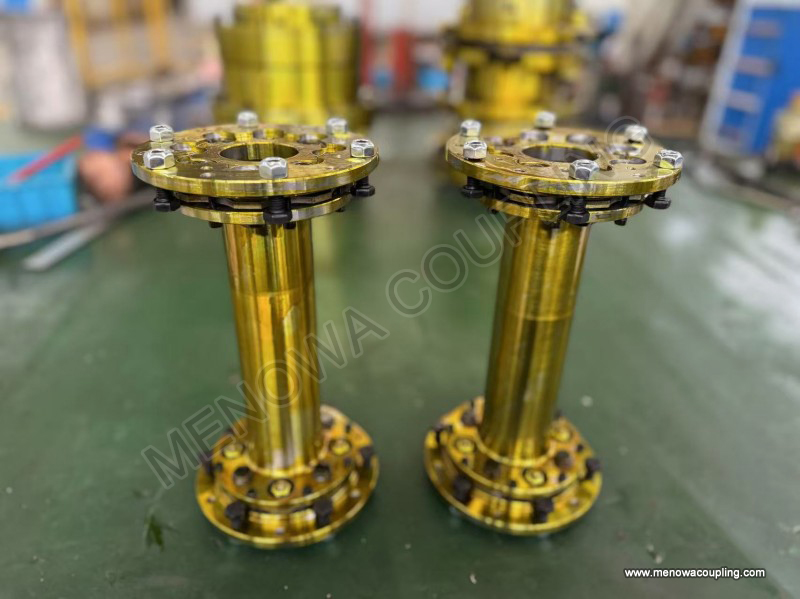
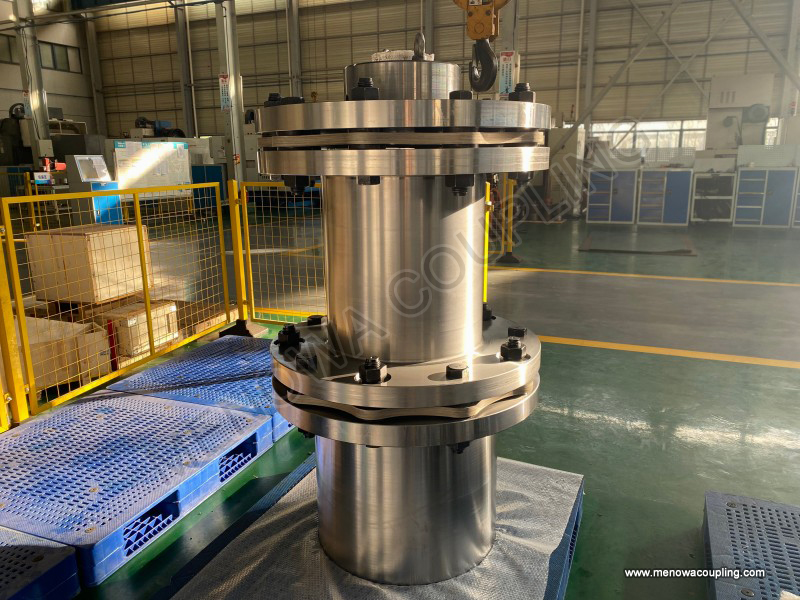
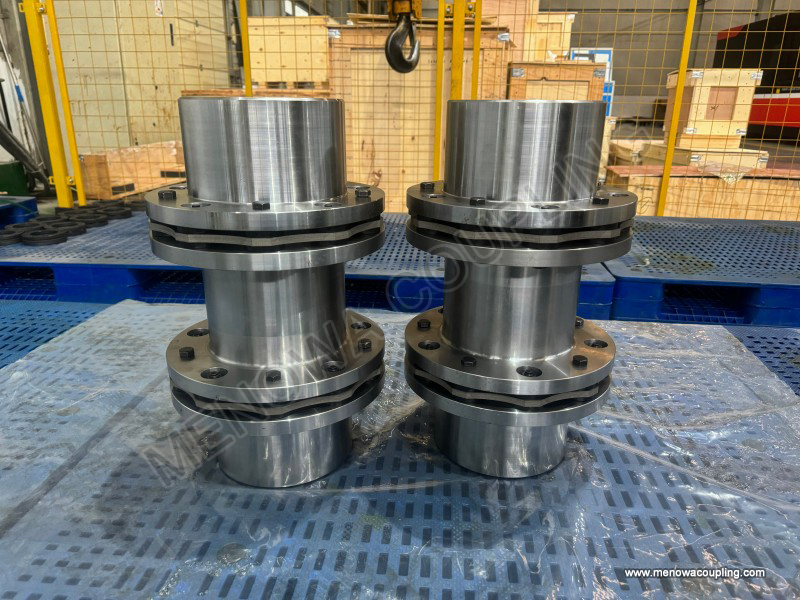
Intermediate shafts, if present in the coupling design, are machined using turning and milling operations to achieve the required length, diameter, and flange dimensions. The intermediate shaft serves to connect two sets of diaphragms, allowing for greater misalignment compensation, and must be machined with high precision to ensure that the diaphragms are properly aligned and loaded. Machining tolerances are critical in all components, as even small deviations from the design specifications can lead to misalignment, increased vibration, and premature failure of the coupling. For example, if the holes in the diaphragm and hub flanges are not perfectly aligned, the bolts will be subjected to additional stress, leading to bolt fatigue or diaphragm damage. To ensure precision, modern machining equipment such as computer numerical control (CNC) lathes, milling machines, and laser cutters are used, which offer high accuracy and repeatability. Quality control measures, such as coordinate measuring machines (CMMs), are used to verify the dimensions of machined components, ensuring they meet the required tolerances.
After machining, many components undergo heat treatment to enhance their mechanical properties, such as strength, hardness, and fatigue resistance. Heat treatment is particularly important for alloy steel components, as it can significantly improve their performance and durability. Common heat treatment processes include annealing, quenching, and tempering. Annealing is used to reduce internal stresses in the material, improve machinability, and enhance ductility. Quenching involves heating the material to a high temperature and then rapidly cooling it, which increases the hardness and strength of the material. Tempering is performed after quenching to reduce brittleness and improve toughness, balancing the hardness and ductility of the material. The specific heat treatment parameters, such as temperature, heating rate, and cooling rate, are carefully controlled based on the material type and the desired mechanical properties. For example, diaphragm materials may undergo a stress-relief annealing process to reduce residual stresses introduced during machining, which can improve their fatigue life. Hubs and intermediate shafts may undergo quenching and tempering to achieve the required hardness and strength to withstand high torques.
Surface treatment is another important step in the fabrication process, as it helps to protect the components from corrosion, wear, and environmental damage. The type of surface treatment depends on the material and the application environment. For steel components, common surface treatments include painting, powder coating, galvanizing, and nickel plating. Painting and powder coating provide a protective layer that prevents corrosion and improves the aesthetic appearance of the coupling. Galvanizing involves coating the component with a layer of zinc, which provides excellent corrosion resistance, particularly in outdoor or humid environments. Nickel plating offers good corrosion resistance and a smooth surface finish, making it suitable for applications where hygiene is important, such as food processing. For stainless steel components, passivation is often used to enhance their corrosion resistance by removing any free iron from the surface and forming a protective oxide layer. Surface treatment not only improves the durability of the coupling but also helps to extend its service life in harsh operating conditions.
The assembly process is a critical stage where all the machined and treated components are put together to form the final flexible diaphragm coupling. Assembly begins with the attachment of the diaphragms to the hubs. The diaphragms are typically secured to the hub flanges using high-strength bolts or rivets, which must be tightened to the specified torque to ensure a secure connection. The bolts are often equipped with lock washers or nylon inserts to prevent loosening during operation due to vibration. Care must be taken during assembly to ensure that the diaphragms are properly aligned and not subjected to preload or distortion, as this can affect their flexibility and fatigue life. If the coupling includes an intermediate shaft, the two sets of diaphragms are attached to the ends of the intermediate shaft, ensuring that the assembly is balanced and aligned.
During assembly, it is important to check the alignment of the components to ensure that the coupling can compensate for misalignments effectively. Misalignment during assembly can lead to increased stress on the diaphragms, resulting in premature failure. To ensure proper alignment, assembly technicians use tools such as dial indicators or laser alignment devices to verify the alignment of the hubs and intermediate shaft. The assembly process also includes checking the clearance between the components to ensure that there is no interference during operation. Any excess material or burrs from machining are removed to prevent friction or wear between the components. Once the assembly is complete, the coupling is subjected to a series of tests to verify its performance and reliability.
Quality inspection is an integral part of the fabrication process, conducted at every stage to ensure that the coupling meets the required design specifications and performance standards. Incoming material inspection is performed to verify the chemical composition and mechanical properties of the raw materials, ensuring they meet the specified requirements. Machined components are inspected using CMMs, dial indicators, and other precision measuring tools to check dimensions, tolerances, and surface finish. Heat-treated components are inspected to verify their hardness and microstructure, ensuring that the heat treatment process was performed correctly. Surface treatments are inspected to ensure that the coating is uniform and free from defects such as cracks, bubbles, or peeling.
After assembly, the final coupling undergoes a series of performance tests to evaluate its functionality and reliability. Balance testing is a critical test for flexible diaphragm couplings, particularly those used in high-speed applications. Imbalances in the coupling can cause excessive vibration, which can damage the coupling and the connected equipment. Balance testing is performed using a dynamic balancing machine, which measures the imbalance and allows for the correction of any discrepancies by adding or removing material from the coupling. Torque testing is another important test, which verifies the coupling’s ability to transmit the specified torque without failure. The coupling is subjected to increasing levels of torque until it reaches the design limit, ensuring that it can withstand the maximum load encountered during operation. Misalignment compensation testing is performed to verify the coupling’s ability to compensate for axial, radial, and angular misalignments, ensuring that it operates smoothly even when the shafts are not perfectly aligned.
Vibration testing is also conducted to evaluate the coupling’s ability to absorb vibrations and reduce noise. The coupling is mounted on a test rig and subjected to various vibration frequencies, with sensors used to measure the vibration levels transmitted through the coupling. This test helps to ensure that the coupling does not amplify vibrations, which can lead to premature failure of the connected equipment. Additionally, leak testing may be performed for couplings used in hydraulic or pneumatic applications to ensure that there are no leaks in the assembly. All test results are documented, and any couplings that do not meet the required standards are rejected or reworked.
The fabrication of flexible diaphragm couplings also involves addressing various challenges to ensure consistent quality and performance. One of the main challenges is maintaining tight tolerances during machining, particularly for diaphragms, which are thin and prone to deformation. To overcome this, manufacturers use advanced machining equipment and techniques, such as CNC machining and laser cutting, which offer high precision and repeatability. Another challenge is ensuring that the diaphragms have sufficient fatigue resistance, as they are subjected to repeated elastic deformation during operation. This requires careful material selection, precise machining, and proper heat treatment to minimize stress concentrations and improve fatigue life. Environmental factors, such as corrosion and temperature extremes, also pose challenges, requiring the use of appropriate materials and surface treatments to ensure the coupling can operate reliably in harsh conditions.
In recent years, advancements in manufacturing technology have led to improvements in the fabrication process of flexible diaphragm couplings. The use of computer-aided design (CAD) and computer-aided manufacturing (CAM) software has allowed for more precise design and machining of components, reducing errors and improving efficiency. Additive manufacturing, or 3D printing, is also being explored for the fabrication of diaphragms and other components, offering greater design flexibility and the ability to produce complex shapes that are difficult to achieve with traditional machining methods. Additionally, the use of advanced materials, such as composite materials, is being investigated to further improve the performance of flexible diaphragm couplings, offering higher strength, lighter weight, and better corrosion resistance.
The application of flexible diaphragm couplings spans a wide range of industries, including automotive, aerospace, power generation, chemical processing, food and beverage, and manufacturing. Each industry has specific requirements for the coupling, such as high speed, high torque, corrosion resistance, or precision alignment, which influence the fabrication process. For example, in the aerospace industry, couplings must be lightweight, high-strength, and able to operate in extreme temperature conditions, requiring the use of advanced materials and precision machining. In the chemical processing industry, couplings must be corrosion-resistant to withstand harsh chemicals, requiring the use of stainless steel or other corrosion-resistant materials. In the manufacturing industry, couplings must be reliable and durable to ensure continuous operation, requiring strict quality control and testing.
Proper maintenance and handling of flexible diaphragm couplings are also important to ensure their long service life, and these considerations are often integrated into the fabrication process. Manufacturers may provide guidelines for installation, maintenance, and inspection to help users ensure that the coupling operates correctly. For example, proper alignment during installation is critical to prevent premature failure, and manufacturers may provide alignment tools or instructions to assist with this process. Additionally, regular inspection of the coupling, including checking for signs of wear, corrosion, or damage to the diaphragms, can help to identify potential issues before they lead to failure.
In conclusion, the fabrication of flexible diaphragm couplings is a complex and precise process that requires careful attention to detail at every stage. From material selection to machining, heat treatment, assembly, and quality inspection, each step plays a critical role in determining the performance, reliability, and durability of the coupling. By using advanced materials, precision machining techniques, and strict quality control measures, manufacturers can produce flexible diaphragm couplings that meet the diverse needs of various industrial applications. As technology continues to advance, the fabrication process will continue to evolve, leading to even more efficient, reliable, and high-performance couplings that can withstand the ever-increasing demands of modern mechanical transmission systems. The ongoing focus on innovation and quality in fabrication ensures that flexible diaphragm couplings remain an essential component in ensuring efficient and reliable power transfer in a wide range of industries.
Post Date: May 19, 2026
https://www.menowacoupling.com/china-coupling/flexible-diaphragm-coupling-fabrication.html
Products
Tags
Related Articles
Structure of Flexible Diaphragm Coupling
Flexible diaphragm coupling serves as a vital mechanical transmission component widely applied in high-precision and high-speed mechanical transmission systems, relying on elastic deformation of metal diaphragm components to realize torque transmission and shaft misalignment compensation. Different from traditional flex…Coaxiality of Flexible Diaphragm Coupling
Coaxiality is a critical geometric parameter that directly determines the performance, reliability, and service life of flexible diaphragm couplings. As a high-performance flexible coupling widely used in various industrial fields, the flexible diaphragm coupling relies on the elastic deformation of the diaphragm to com…Flexible Diaphragm Coupling Supplier
In the realm of mechanical power transmission, flexible diaphragm couplings stand out as a critical component that ensures efficient, reliable, and precise torque transfer between rotating shafts. As a dedicated supplier of these essential mechanical parts, we focus on delivering high-quality flexible diaphragm coupling…Characteristics of Flexible Diaphragm Coupling
A flexible diaphragm coupling is a high-performance flexible coupling that uses metal elastic elements to connect two rotating shafts in industrial machinery, enabling efficient torque transmission while accommodating various types of misalignment between the shafts. Unlike many other coupling types that rely on rubber …What is Shim Pack Coupling
In the vast and interconnected field of mechanical power transmission systems, the reliable connection between rotating shafts stands as one of the most foundational and functionally critical elements for the stable operation of all types of industrial machinery and mechanical equipment. Every rotating mechanical device…Types of Flexible Diaphragm Coupling
Types of Flexible Diaphragm CouplingFlexible diaphragm couplings are essential mechanical transmission components designed to connect two rotating shafts while compensating for various forms of shaft misalignment, absorbing vibration, and ensuring precise and efficient torque transmission in mechanical systems. Unlike r…
 WeChat
 WhatsApp