Flexible Diaphragm Coupling Price
In the realm of industrial power transmission, flexible diaphragm couplings stand out as a critical component, valued for their ability to connect two rotating shafts while compensating for misalignments, absorbing minor vibrations, and ensuring efficient torque transfer. As businesses across various industries—from manufacturing and automotive to aerospace and energy—seek reliable and durable coupling solutions, the topic of flexible diaphragm coupling price naturally becomes a key consideration. However, understanding the factors that influence this price is far more complex than simply requesting a quotation; it requires a deep dive into the design, materials, manufacturing processes, and market dynamics that collectively shape the cost of these essential components. Unlike standard mechanical parts with fixed price tags, flexible diaphragm couplings are often tailored to specific application requirements, meaning their price is inherently variable and dependent on a multitude of interrelated factors.
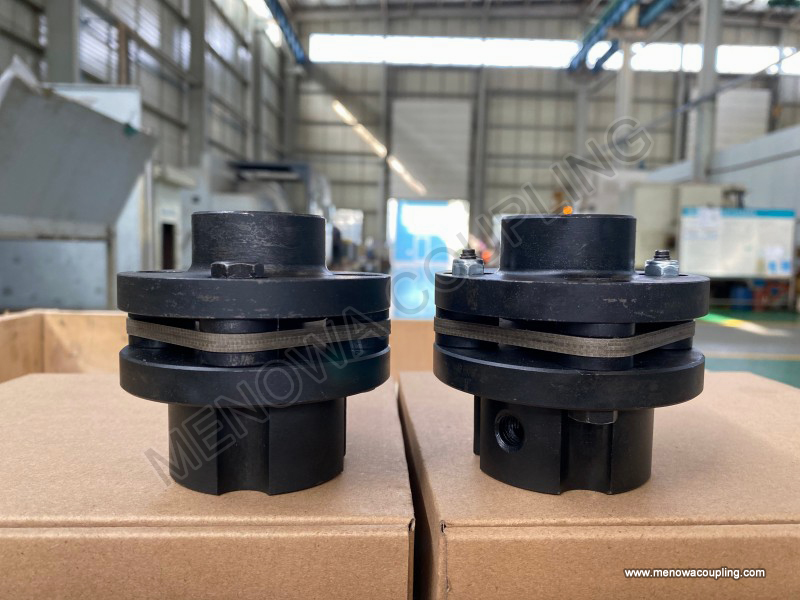
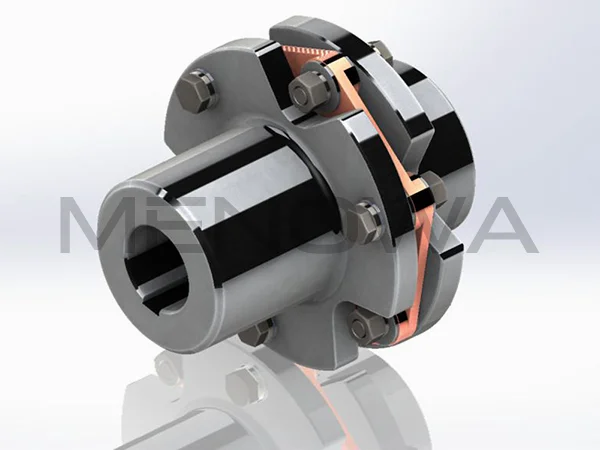
One of the primary determinants of flexible diaphragm coupling price is the choice of materials, as the performance and durability of the coupling are directly tied to the quality and type of materials used in its construction. The diaphragm itself, the core elastic element of the coupling, is typically made from thin metal sheets that must balance flexibility with high tensile strength. Common materials for diaphragms include stainless steel, carbon steel, and in some cases, specialized alloys such as titanium or nickel-based alloys. Each material offers distinct properties that make it suitable for specific operating conditions, and these differences in material composition directly impact the cost. For instance, stainless steel diaphragms are favored for their corrosion resistance and ability to withstand moderate temperatures, making them ideal for applications in chemical processing or marine environments. However, stainless steel is more expensive than carbon steel, which is a more cost-effective option for general industrial use where corrosion is not a primary concern. Specialized alloys, on the other hand, are used in high-temperature or high-stress applications, such as aerospace or gas turbine systems, and their premium price reflects their enhanced performance characteristics and the complexity of their production.
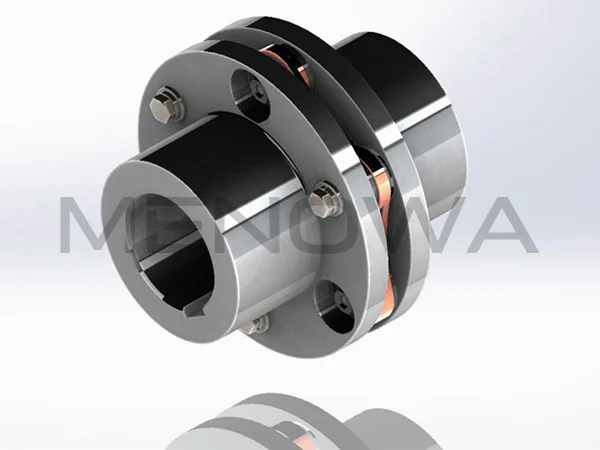
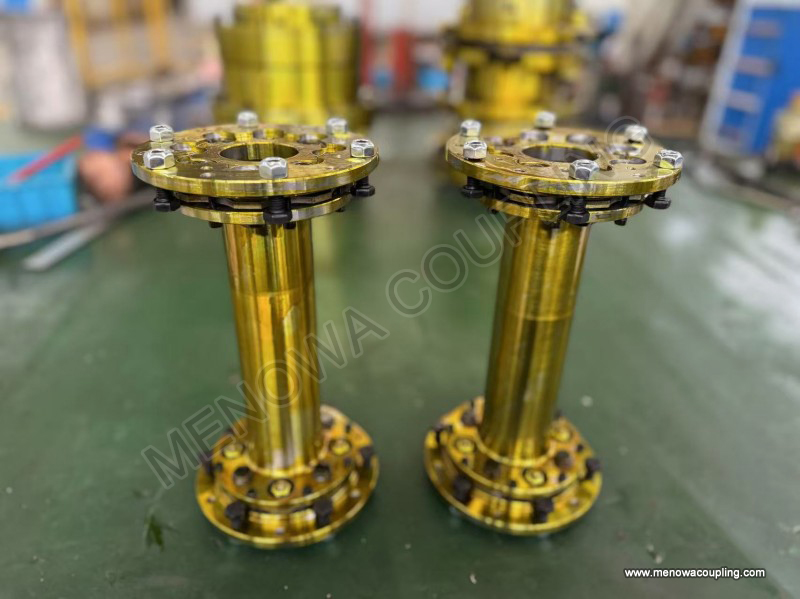
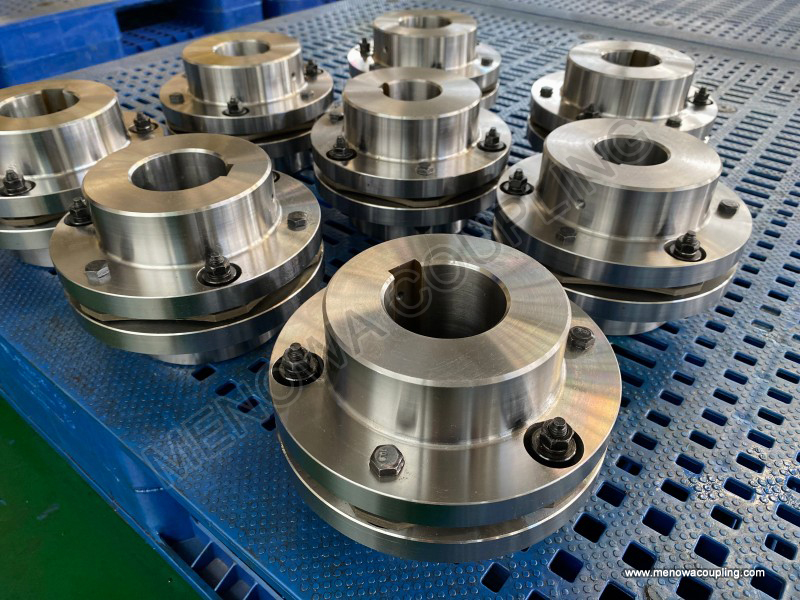
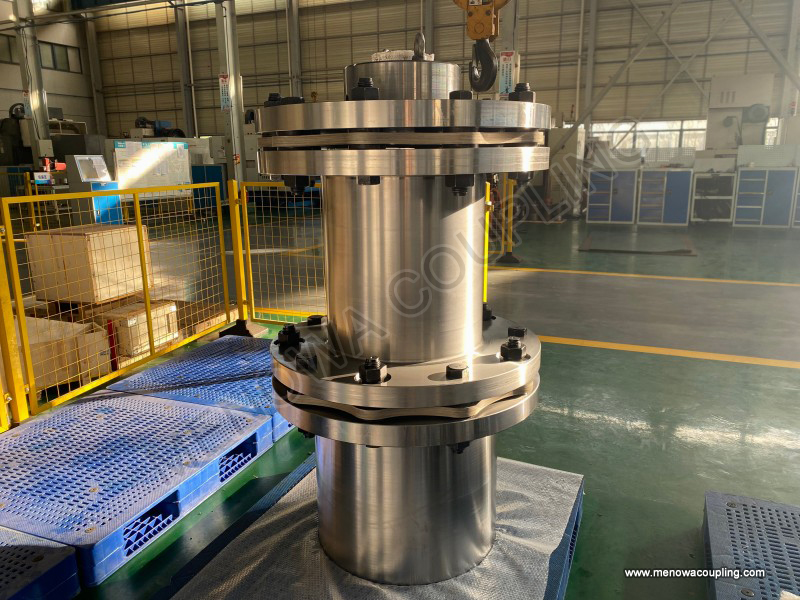
Beyond the diaphragm, the other components of the flexible diaphragm coupling—including the hubs, bolts, and intermediate sleeves—also contribute to the overall price. Hubs, which connect the coupling to the shafts, are often made from materials such as steel, aluminum, or cast iron. Aluminum hubs are lightweight and suitable for high-speed applications but are more expensive than cast iron hubs, which are heavier but more cost-effective for low to medium speed operations. The size and design of the hubs also play a role: larger hubs required for high-torque applications use more material and involve more complex machining, leading to higher costs. Bolts and fasteners, though small, are critical for ensuring the coupling’s integrity, and high-strength bolts made from alloy steel are often required to withstand the forces generated during operation, adding to the overall cost compared to standard bolts.
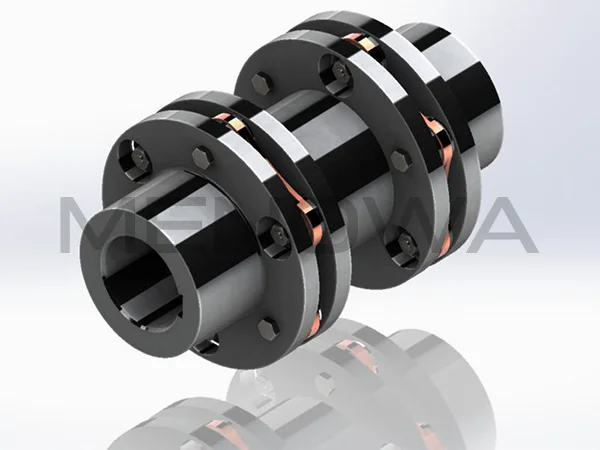
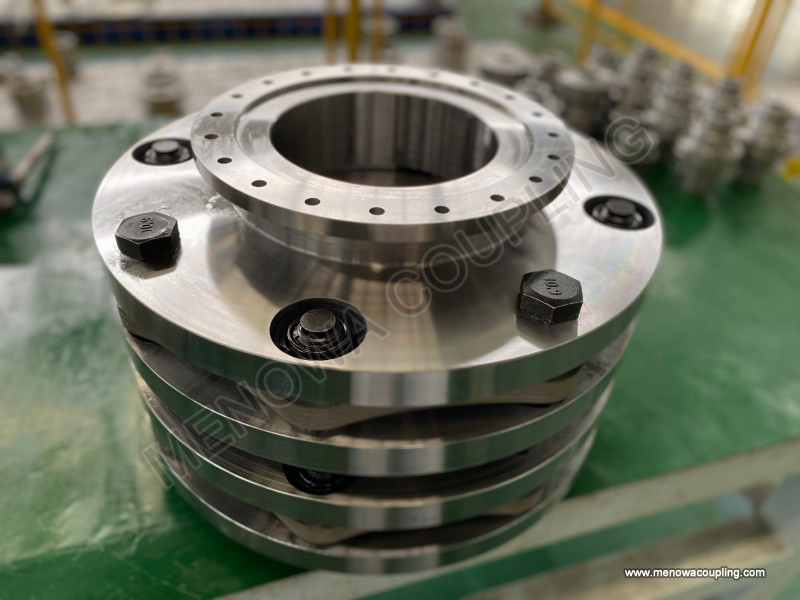
The design complexity of the flexible diaphragm coupling is another major factor influencing its price. Unlike simple rigid couplings, flexible diaphragm couplings are engineered to accommodate various types of misalignment—axial, radial, and angular—while maintaining efficient torque transfer. The number of diaphragms, their shape, and the way they are attached to the hubs all affect the design complexity. For example, couplings with multiple diaphragm packs offer greater flexibility and misalignment compensation but require more precise manufacturing and assembly, increasing the cost. Similarly, couplings designed for high-speed applications must meet strict balance requirements to minimize vibration, which involves additional machining steps and quality control measures. Custom designs, which are often necessary to fit unique shaft sizes, space constraints, or operating conditions, are significantly more expensive than standard off-the-shelf couplings because they require specialized engineering, tooling, and testing.
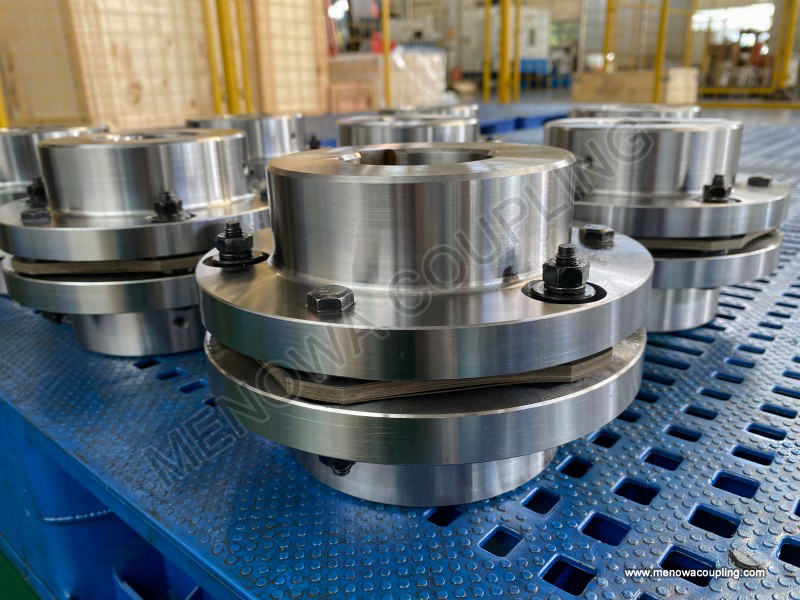
Manufacturing processes also play a pivotal role in determining the price of flexible diaphragm couplings. The production of high-quality diaphragms requires precision stamping, laser cutting, or waterjet cutting to ensure consistent thickness and shape, as even minor variations can affect the coupling’s performance. These advanced manufacturing techniques are more costly than traditional cutting methods but are necessary to meet the tight tolerances required for reliable operation. Additionally, heat treatment processes may be used to enhance the strength and durability of the diaphragm and other components, adding another layer of cost. Machining operations, such as turning, milling, and drilling, are required to produce the hubs and intermediate sleeves, and the complexity of these operations—including the need for CNC machining for high precision—influences the overall manufacturing cost. For custom couplings, the need to create specialized tooling or modify existing production processes further increases the price.
The performance requirements of the application also have a direct impact on flexible diaphragm coupling price. Couplings designed for high-torque applications must be larger and more robust, using thicker materials and more durable components, which increases their cost. Similarly, couplings used in high-temperature environments require materials that can withstand extreme heat without degrading, such as nickel-based alloys, which are more expensive than standard materials. Applications that demand high precision, such as in robotics or semiconductor manufacturing, require couplings with tight tolerances and minimal backlash, which involve additional quality control steps and more precise manufacturing, leading to higher prices. In contrast, couplings used in low-load, low-speed applications can be simpler in design and made from less expensive materials, resulting in a lower overall cost.
Market dynamics and supply chain factors also influence the price of flexible diaphragm couplings. Like many industrial components, the price of raw materials—such as steel, aluminum, and specialized alloys—fluctuates based on global supply and demand, commodity prices, and geopolitical factors. A sudden increase in the price of stainless steel, for example, will directly raise the cost of manufacturing diaphragm couplings that use this material. Additionally, the availability of manufacturing capacity and the level of competition in the market can affect prices. In regions with a high concentration of coupling manufacturers, competition may drive prices down, while in areas with limited supply, prices may be higher. Lead times also play a role: rush orders or custom designs that require expedited manufacturing and delivery often come with a premium price tag.
Another factor to consider is the lifespan and maintenance requirements of the flexible diaphragm coupling, as these can indirectly impact the total cost of ownership, even if they do not directly affect the initial purchase price. Couplings made from high-quality materials and designed for durability will have a longer lifespan, reducing the need for frequent replacement and minimizing downtime. While these couplings may have a higher initial price, they can be more cost-effective in the long run compared to cheaper, lower-quality alternatives that require frequent maintenance or replacement. Additionally, couplings that are designed for easy maintenance—such as those with modular components that can be replaced without disassembling the entire coupling—can reduce maintenance costs over time, making them a more economical choice despite a potentially higher initial price.
It is also important to note that the price of flexible diaphragm couplings can vary significantly based on the volume of the order. Bulk orders typically receive a discount, as manufacturers can spread the cost of tooling, setup, and production over a larger number of units. This is particularly beneficial for large-scale manufacturing operations that require multiple couplings of the same design. In contrast, small orders or single custom units will have a higher per-unit price, as the fixed costs of design, tooling, and setup are amortized over a smaller number of products. For businesses with ongoing needs, establishing a long-term relationship with a manufacturer can also lead to more favorable pricing terms, as manufacturers value consistent, repeat orders.
When evaluating the price of flexible diaphragm couplings, it is essential to look beyond the initial cost and consider the overall value that the coupling provides. A slightly more expensive coupling that offers better performance, longer lifespan, and lower maintenance requirements may be a more cost-effective choice in the long run than a cheaper alternative that fails prematurely or requires frequent repairs. Additionally, choosing a coupling that is properly sized and designed for the specific application can prevent costly downtime and equipment damage, further enhancing its value. For example, a coupling that is undersized for a high-torque application may fail, leading to expensive repairs and production losses, while a properly sized coupling will operate reliably for years.
The complexity of the application environment also affects the price of flexible diaphragm couplings. Couplings used in harsh environments—such as those with high levels of dust, moisture, or chemical exposure—require additional protective features, such as sealed enclosures or corrosion-resistant coatings, which add to the cost. Similarly, couplings used in explosive or hazardous environments must meet strict safety requirements, which may involve specialized materials or design modifications, increasing their price. In contrast, couplings used in clean, controlled environments—such as in food processing or pharmaceutical manufacturing—may require specialized materials that are non-toxic or easy to clean, which can also affect the price.
Another consideration is the level of engineering and technical support provided by the manufacturer. While this does not directly impact the price of the coupling itself, it can add value and potentially reduce long-term costs. Manufacturers that offer technical assistance in selecting the right coupling for the application, provide detailed installation instructions, and offer after-sales support can help businesses avoid costly mistakes and ensure the coupling operates optimally. In some cases, manufacturers may also offer customization services to tailor the coupling to specific needs, which can increase the initial price but provide significant benefits in terms of performance and reliability.
It is also worth noting that the price of flexible diaphragm couplings can vary between different regions and manufacturers. Factors such as labor costs, manufacturing overhead, and local regulations can affect the price of couplings produced in different countries. For example, couplings manufactured in regions with high labor costs may be more expensive than those produced in regions with lower labor costs, but they may also offer higher quality or faster delivery times. Additionally, manufacturers with more advanced production facilities and better quality control systems may charge a premium for their products, reflecting the higher level of reliability and performance that their couplings offer.
When comparing prices from different manufacturers, it is important to ensure that the couplings being compared are of similar quality and design. A lower price may indicate a lower quality product, with inferior materials, poor manufacturing, or inadequate testing. This can lead to premature failure, increased maintenance costs, and downtime, which can ultimately be more expensive than investing in a higher-quality coupling with a slightly higher initial price. It is therefore essential to evaluate the manufacturer’s reputation, the quality of their materials and manufacturing processes, and the performance guarantees they offer when comparing prices.
In conclusion, the price of flexible diaphragm couplings is influenced by a complex interplay of factors, including materials, design complexity, manufacturing processes, performance requirements, market dynamics, and application-specific needs. While it is natural for businesses to seek cost-effective solutions, it is important to recognize that the initial price of a coupling is only one part of its total cost of ownership. Investing in a high-quality coupling that is properly designed and sized for the application can provide significant long-term benefits, including reduced downtime, lower maintenance costs, and improved equipment reliability. By understanding the factors that influence flexible diaphragm coupling price, businesses can make informed decisions that balance cost with performance, ensuring that they select the right coupling for their specific needs while optimizing their overall operational efficiency. Whether for a standard industrial application or a specialized high-performance system, the right flexible diaphragm coupling will not only meet the technical requirements of the application but also provide value that extends beyond its initial purchase price.
Post Date: May 19, 2026
https://www.menowacoupling.com/china-coupling/flexible-diaphragm-coupling-price.html
Products
Tags
Related Articles
What is Flexible Diaphragm Coupling
Flexible diaphragm coupling is a high-performance metal flexible transmission component widely used in modern mechanical shafting systems, designed to connect driving and driven shafts while achieving efficient torque transmission and adaptive compensation of shaft misalignment. Unlike traditional rigid couplings that r…Gap Chart of Flexible Diaphragm Coupling
The gap chart of flexible diaphragm couplings serves as a core technical reference that quantifies the spatial clearance parameters between key structural components under diverse operating conditions, laying a foundational role in installation calibration, operational condition monitoring, and service life prediction o…Flexible Diaphragm Coupling For Sale
When it comes to transmitting power between two shafts in industrial machinery, the choice of coupling plays a crucial role in ensuring smooth operation, efficiency, and long-term reliability. Among the various types of couplings available in the market, flexible diaphragm couplings have emerged as a preferred solution …Working Principle of Flexible Diaphragm Coupling
Flexible diaphragm couplings are essential mechanical transmission components widely applied in modern industrial power transmission systems, serving as a critical bridge between driving and driven shafts to realize stable torque transmission while accommodating various shaft misalignments. Unlike rigid coupling structu…Maintenance of Flexible Diaphragm Coupling
Flexible diaphragm couplings serve as indispensable components in modern mechanical power transmission systems, designed to transmit torque between rotating shafts while compensating for minor axial, angular, and radial misalignments through the elastic deformation of metal diaphragm elements. Unlike rigid coupling stru…Flexible Diaphragm Coupling Production
The production of flexible diaphragm couplings is a sophisticated process that combines precision engineering, advanced material science, and strict quality control to create components that play a critical role in modern mechanical transmission systems. These couplings are designed to transmit torque between two shafts…
 WeChat
 WhatsApp