Parts of Grid Spring Coupling
A grid spring coupling is a critical mechanical component widely used in power transmission systems across various industrial sectors, designed to connect two rotating shafts while accommodating misalignments, absorbing vibrations, and transmitting torque efficiently. Unlike rigid couplings that require precise alignment and offer no flexibility, grid spring couplings leverage a combination of distinct parts working in harmony to balance flexibility and load-bearing capacity, making them suitable for applications ranging from light-duty machinery to heavy-duty industrial equipment. To fully understand the functionality and performance of a grid spring coupling, it is essential to examine each of its core components, their design characteristics, materials, and how they interact to ensure smooth and reliable operation. Each part plays a unique role, and the integration of these parts determines the coupling’s overall efficiency, durability, and adaptability to different working conditions.
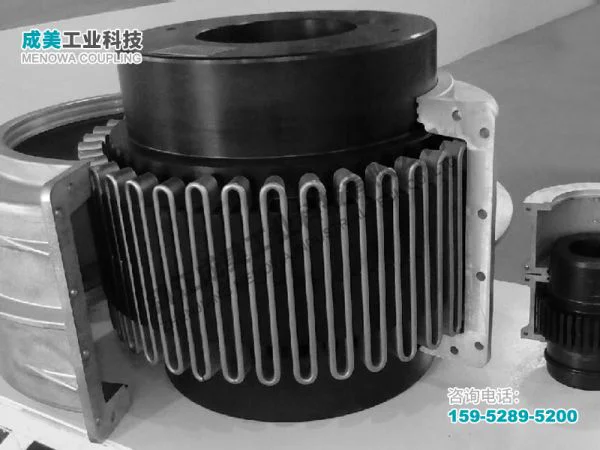
At the heart of any grid spring coupling are the two hub assemblies, which serve as the primary connection points between the coupling and the rotating shafts of the driving and driven machinery. These hubs are typically cylindrical in shape, with a central bore that is precision-machined to match the diameter of the shafts it will connect. The inner surface of the bore is often treated with a smooth finish to minimize friction between the hub and the shaft, ensuring a tight and secure fit. In some cases, the bore may feature keyways, splines, or set screws to enhance the connection, preventing slippage even under high torque loads. The design of the hub is critical because it must withstand the full torque transmitted through the coupling while maintaining structural integrity. The hub’s outer surface is equally important, as it is where the grid spring and other components attach. Most hubs are designed with a series of teeth or grooves along their circumference, which mesh with the grid spring to transfer torque from one shaft to the other. These teeth are carefully shaped to ensure optimal contact with the grid, distributing the load evenly and reducing stress concentrations that could lead to premature wear or failure.
The material selection for the hubs is determined by the application’s requirements, including the amount of torque to be transmitted, operating temperature, and environmental conditions. Common materials used for hub manufacturing include high-strength carbon steel, alloy steel, and sometimes aluminum for lighter-duty applications. Carbon steel hubs are favored for their durability and cost-effectiveness, making them suitable for most general industrial uses. Alloy steel hubs, which contain elements such as chromium, nickel, and molybdenum, offer enhanced strength, toughness, and resistance to wear and corrosion, making them ideal for heavy-duty applications where high torque and harsh operating conditions are present. Aluminum hubs, on the other hand, are used in applications where weight is a concern, such as in some light machinery or portable equipment, although they are not as strong as steel and are limited to lower torque capacities. Regardless of the material, the hubs undergo rigorous machining processes, including turning, milling, and heat treatment, to ensure dimensional accuracy and mechanical strength. Heat treatment, in particular, is crucial for hardening the surface of the hub, increasing its resistance to wear and extending its service life.
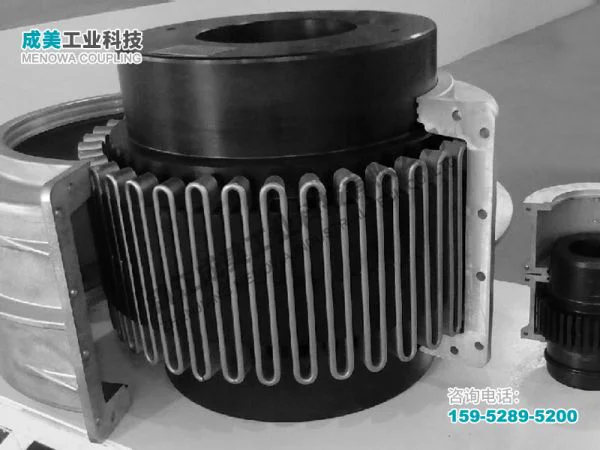
Next to the hubs, the grid spring is the most distinctive and critical component of a grid spring coupling. As the flexible element of the coupling, the grid spring is responsible for absorbing vibrations, accommodating misalignments, and transmitting torque between the two hubs. The grid spring is typically made from a single piece of high-quality spring steel, formed into a continuous, zigzag or grid-like pattern. This unique shape gives the spring its flexibility, allowing it to bend and twist slightly to compensate for axial, radial, and angular misalignments between the two shafts. The grid pattern also ensures that the spring can distribute the torque evenly across its entire surface, reducing stress and preventing localized wear. The design of the grid spring varies depending on the application, with different configurations available to accommodate different torque requirements and misalignment capacities. Some grid springs feature a more open grid pattern for greater flexibility, while others have a denser pattern for increased load-bearing capacity.
The material used for the grid spring is carefully selected to ensure it has the necessary elasticity, strength, and fatigue resistance. High-carbon spring steel is the most common material, as it offers excellent spring properties and can withstand repeated bending and twisting without permanent deformation. In some cases, alloy spring steels are used to enhance the spring’s performance, particularly in applications where high temperatures or corrosive environments are present. The grid spring undergoes a series of manufacturing processes, including forming, heat treatment, and surface finishing, to achieve the desired mechanical properties. Heat treatment is especially important for the grid spring, as it tempers the steel to improve its elasticity and fatigue strength, ensuring that it can withstand the constant stress of transmitting torque and accommodating misalignments over an extended period. The surface of the grid spring is often polished or coated to reduce friction and corrosion, further extending its service life.
To protect the grid spring and other internal components from external contaminants and damage, grid spring couplings are equipped with a cover assembly. The cover, also known as the housing or guard, is a cylindrical or rectangular structure that encloses the grid spring and the mating parts of the hubs. The cover is designed to prevent dirt, dust, moisture, and other debris from entering the coupling, which could cause friction, wear, or corrosion of the internal components. Additionally, the cover helps to contain any lubricant used in the coupling, ensuring that the moving parts remain properly lubricated. The cover is typically made from sheet metal, cast iron, or plastic, depending on the application. Sheet metal covers are lightweight and cost-effective, making them suitable for general-purpose applications. Cast iron covers are more durable and rigid, ideal for heavy-duty industrial environments where the coupling may be exposed to impact or harsh conditions. Plastic covers are used in lighter-duty applications where weight and corrosion resistance are important.
The cover is attached to the hubs using bolts, screws, or clips, ensuring a secure and tight fit. In some designs, the cover is split into two halves, making it easier to install and remove for maintenance purposes. This split design allows technicians to access the internal components of the coupling without having to disconnect the shafts, saving time and effort during inspections or repairs. The cover may also feature ventilation holes or slots to allow for heat dissipation, preventing the coupling from overheating during prolonged operation. Overheating can damage the grid spring and other components, so proper ventilation is essential for maintaining the coupling’s performance and longevity. Some covers also include sight glasses or inspection ports, allowing technicians to check the condition of the grid spring and lubricant without removing the entire cover.
Seals are another essential component of grid spring couplings, working in conjunction with the cover to prevent the ingress of contaminants and the leakage of lubricant. The seals are typically installed between the cover and the hubs, creating a tight seal that keeps dirt, moisture, and other debris out of the coupling’s internal components. There are several types of seals used in grid spring couplings, including lip seals, O-rings, and labyrinth seals. Lip seals are the most common type, consisting of a flexible lip that presses against the hub’s surface, creating a barrier against contaminants. O-rings are used in applications where a more compact seal is required, fitting into grooves machined into the hubs or cover. Labyrinth seals are used in high-speed or high-temperature applications, featuring a series of ridges and grooves that create a tortuous path for contaminants, preventing them from entering the coupling.
The material of the seals is selected based on the operating conditions, including temperature, pressure, and the type of lubricant used. Common seal materials include nitrile rubber, fluorocarbon rubber, and silicone rubber. Nitrile rubber seals are suitable for most general-purpose applications, offering good resistance to oil and grease. Fluorocarbon rubber seals are used in high-temperature or corrosive environments, as they can withstand higher temperatures and are resistant to a wider range of chemicals. Silicone rubber seals are used in applications where extreme temperatures are present, as they can maintain their flexibility and sealing properties at both very high and very low temperatures. Properly installed and maintained seals are crucial for the longevity of the grid spring coupling, as they prevent damage to the internal components caused by contaminants and lubricant loss.
Lubrication is a critical aspect of grid spring coupling operation, and while not a physical part, the lubricant works in tandem with the other components to ensure smooth and efficient performance. The lubricant reduces friction between the grid spring and the hubs, minimizing wear and heat generation. It also helps to protect the components from corrosion and acts as a damping agent, further reducing vibrations. The type of lubricant used depends on the application’s operating conditions, including temperature, speed, and torque. Common lubricants used in grid spring couplings include grease and oil. Grease is the most common choice, as it provides excellent lubrication and stays in place, even at high speeds. Oil is used in applications where higher temperatures or faster speeds are present, as it has better heat dissipation properties. The lubricant is typically applied to the grid spring and the mating surfaces of the hubs during installation, and it is important to regularly inspect and replenish the lubricant to ensure optimal performance. Over time, lubricant can become contaminated or break down, leading to increased friction and wear, so regular maintenance is essential.
In addition to the core components mentioned above, some grid spring couplings may include additional parts to enhance their performance or adapt to specific applications. For example, some couplings feature a keyway and key, which are used to secure the hub to the shaft, preventing slippage. The key is a small, rectangular piece of metal that fits into a groove (keyway) machined into both the hub and the shaft, creating a positive connection that transmits torque without slippage. Other couplings may include set screws or clamping bolts, which are used to secure the hub to the shaft by applying pressure to the shaft’s surface. These additional components are designed to enhance the coupling’s reliability and ensure that it can withstand the demands of the application.
The assembly of a grid spring coupling involves carefully fitting each component together to ensure proper alignment and functionality. The process typically begins with installing the hubs onto the driving and driven shafts, ensuring that they are securely fastened using keys, set screws, or clamping bolts. The grid spring is then placed between the two hubs, meshing with the teeth or grooves on the hub surfaces. The cover is then attached to the hubs, enclosing the grid spring, and the seals are installed to prevent contaminants and lubricant leakage. Finally, the appropriate lubricant is applied to the internal components, ensuring that all moving parts are properly lubricated. Proper assembly is crucial for the coupling’s performance, as misalignment or improper installation can lead to increased wear, vibration, and premature failure.
Each component of a grid spring coupling is designed to work in harmony with the others, creating a system that is both flexible and durable. The hubs provide a secure connection to the shafts and transfer torque to the grid spring, which in turn absorbs vibrations and accommodates misalignments. The cover and seals protect the internal components from external damage and contamination, while the lubricant reduces friction and wear. Together, these components ensure that the grid spring coupling can operate efficiently and reliably in a wide range of industrial applications. The performance of the coupling is dependent on the quality of each component, as well as their proper assembly and maintenance. By understanding the role of each part and how they interact, it is possible to select, install, and maintain grid spring couplings effectively, ensuring optimal performance and extending their service life.
The durability and reliability of a grid spring coupling are directly influenced by the quality of its components and the materials used in their manufacture. Hubs made from high-strength steel and heat-treated to enhance their wear resistance will last longer than those made from lower-quality materials. Similarly, grid springs made from high-carbon spring steel with proper heat treatment will have better fatigue resistance, allowing them to withstand repeated bending and twisting without failure. Seals made from high-quality rubber materials will provide a better barrier against contaminants, preventing damage to the internal components. Regular maintenance, including lubrication checks and seal inspections, is also essential for ensuring the longevity of the coupling. By replacing worn or damaged components promptly and keeping the coupling properly lubricated, it is possible to extend its service life and avoid costly downtime.
In conclusion, the parts of a grid spring coupling work together to create a flexible, durable, and efficient power transmission solution. From the hubs that connect to the shafts to the grid spring that absorbs vibrations and accommodates misalignments, each component plays a vital role in the coupling’s performance. The cover and seals protect the internal components, while lubrication ensures smooth operation and reduces wear. By understanding the design, materials, and functionality of each part, it is possible to appreciate the complexity of grid spring couplings and their importance in various industrial applications. Whether used in light-duty machinery or heavy-duty industrial equipment, grid spring couplings rely on the synergy of their components to provide reliable and efficient power transmission, making them an essential component in modern mechanical systems.
Post Date: May 13, 2026
https://www.menowacoupling.com/china-coupling/parts-of-grid-spring-coupling.html
Supply
Related Articles
Grid Spring Coupling Production
Grid spring couplings are essential mechanical components widely used in various industrial applications to connect two rotating shafts, transmit torque, and compensate for axial, radial, and angular misalignments between them. Unlike rigid couplings that require precise alignment and offer no flexibility, grid spring c…Types of Grid Spring Coupling
Types of Grid Spring CouplingGrid spring couplings are essential components in mechanical power transmission systems, designed to connect two rotating shafts while accommodating misalignments, absorbing vibrations, and transmitting torque efficiently. Unlike rigid couplings that require precise alignment and offer no fl…Elastic Coupling Supply
In the realm of industrial power transmission, elastic couplings serve as a critical bridge between rotating shafts, enabling the smooth transfer of torque while mitigating the negative effects of misalignment, vibration, and shock loads. The supply of elastic couplings is a dynamic and essential component of modern man…Structure of Grid Spring Coupling
The grid spring coupling is a crucial component in industrial power transmission systems, designed to connect two rotating shafts while accommodating misalignments, absorbing vibrations, and protecting machinery from shock loads. Its unique structure combines the rigidity needed for efficient torque transmission with th…Grid Spring Coupling Vendor In China
In the global mechanical transmission industry, grid spring couplings play an indispensable role as key components that connect rotating shafts, transmit torque, and compensate for relative displacements between shafts. As one of the world’s largest manufacturing hubs, China has nurtured a large number of professional …Uses of Grid Spring Coupling
In the realm of mechanical power transmission, the grid spring coupling stands as a versatile and reliable component that plays a critical role in connecting rotating shafts across a wide range of industrial applications. Unlike rigid couplings that demand precise alignment and offer no flexibility, or flexible coupling…
 WeChat
 WhatsApp