Elastic Coupling Supply
In the realm of industrial power transmission, elastic couplings serve as a critical bridge between rotating shafts, enabling the smooth transfer of torque while mitigating the negative effects of misalignment, vibration, and shock loads. The supply of elastic couplings is a dynamic and essential component of modern manufacturing, industrial maintenance, and machinery operation, as these components are integral to the functionality of countless systems—from small precision equipment to large-scale industrial machinery. Understanding the nuances of elastic coupling supply, including the types of couplings available, the factors influencing their performance, the considerations for selection and installation, and the trends shaping the supply chain, is essential for businesses and professionals seeking reliable, efficient, and cost-effective power transmission solutions.
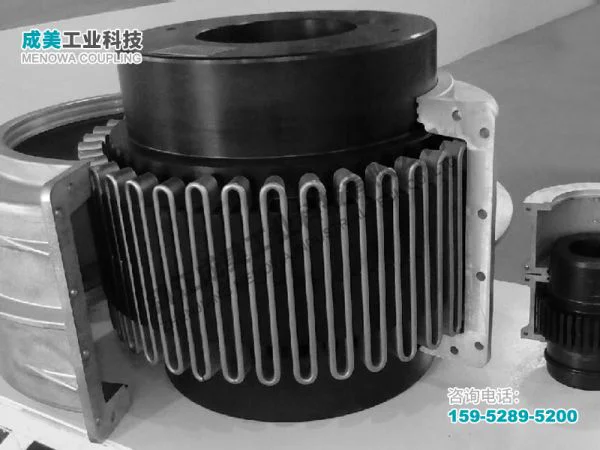
Elastic couplings are distinguished from rigid couplings by their ability to accommodate axial, radial, and angular misalignment between connected shafts, which is often inevitable due to installation errors, thermal expansion, or structural deflection during operation. This flexibility is achieved through the use of elastic elements, which act as a buffer, absorbing vibrations and shock loads that would otherwise be transmitted to the connected equipment, leading to premature wear, damage, or failure. The supply of these couplings is tailored to meet the diverse needs of different industries, each with its own unique operating conditions, torque requirements, and environmental constraints.
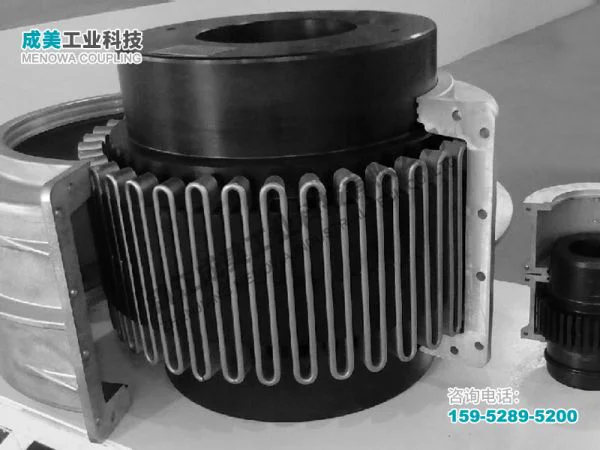
One of the key aspects of elastic coupling supply is the variety of types available, each designed to address specific application requirements. These types can be broadly categorized based on the material of the elastic element, the structure of the coupling, and the range of misalignment they can accommodate. Metal elastic couplings, for example, utilize metal components such as diaphragms or serpentine springs as the elastic element. Diaphragm couplings, a common type of metal elastic coupling, are known for their high precision, zero backlash, and ability to handle high speeds and torque. They are particularly suitable for applications where precision is paramount, such as in CNC machine tools, aerospace equipment, and high-speed pumps. Serpentine spring couplings, on the other hand, use curved metal springs to transmit torque, offering excellent shock absorption and the ability to handle significant torque fluctuations, making them ideal for heavy-duty applications like crushers, rolling mills, and mining machinery.
Non-metallic elastic couplings, which use materials such as rubber, polyurethane, or nylon for their elastic elements, are another major category in the supply market. Rubber elastic couplings, including elastic sleeve pin couplings and tire couplings, are valued for their excellent vibration damping properties and low cost. Elastic sleeve pin couplings, for instance, use a rubber sleeve placed over cylindrical pins to connect the two halves of the coupling, providing moderate misalignment compensation and shock absorption for small to medium power applications, such as electric motors and small pumps. Tire couplings, with their flexible tire-shaped elastic element, offer superior radial misalignment compensation and are often used in applications with high shock loads, such as矿山 equipment and construction machinery. Polyurethane and nylon elastic elements, meanwhile, offer a balance of elasticity, durability, and resistance to oil and chemicals, making them suitable for applications in harsh environments, such as chemical processing plants and marine equipment.
The material of the elastic element plays a crucial role in determining the performance and lifespan of an elastic coupling, and thus is a key consideration in the supply chain. Natural rubber, for example, offers excellent elasticity but is sensitive to temperature and environmental factors, aging quickly when exposed to ozone,紫外线, or oil. Synthetic rubbers, such as nitrile rubber (NBR) and chloroprene rubber (CR), address these limitations by providing improved resistance to oil, chemicals, and aging, making them more suitable for industrial applications. Polyurethane elastic elements offer higher elasticity modulus and better wear resistance than rubber, maintaining their performance over a wider temperature range, while nylon elements provide good toughness and durability but are susceptible to moisture absorption, which can affect their performance over time. Metal elastic elements, such as stainless steel diaphragms or springs, offer superior durability and resistance to high temperatures and harsh environments, but come with a higher cost compared to non-metallic alternatives.
In addition to the type and material of the coupling, the supply of elastic couplings must also consider the specific operating parameters of the application. Torque capacity is a primary factor, as couplings must be able to transmit the maximum torque generated by the driving equipment without failure. Speed is another critical parameter, as high-speed applications require couplings with low inertia and excellent balance to avoid vibration and premature wear. Misalignment tolerance is also essential—different applications require different levels of axial, radial, and angular misalignment compensation, and the supply must match the coupling’s capabilities to the application’s needs. Environmental factors, such as temperature, humidity, exposure to chemicals or corrosive substances, and dust or debris, also influence the selection of elastic couplings, as these factors can degrade the elastic element and reduce the coupling’s lifespan.
The process of elastic coupling supply involves more than just providing the physical component; it also includes technical support, customization, and timely delivery to meet the needs of various industries. Many applications require custom-designed elastic couplings to fit specific shaft sizes, torque requirements, or installation constraints, and suppliers must have the capability to design and manufacture these custom solutions. Technical support is also crucial, as businesses and maintenance professionals often need guidance on selecting the right coupling for their application, installing it correctly, and maintaining it to ensure optimal performance. This support may include assistance with coupling selection based on application parameters, installation instructions, and troubleshooting advice for common issues such as vibration, misalignment, or premature wear.
Installation and maintenance are critical aspects of maximizing the performance and lifespan of elastic couplings, and the supply chain must also provide guidance on these practices. Proper installation ensures that the coupling is aligned correctly, the elastic element is not overloaded, and the connection between the shafts is secure. Before installation, it is essential to inspect the coupling components for any damage, such as cracks, deformation, or wear, and to clean the shaft surfaces and coupling bores to remove油污, rust, or debris. The alignment of the shafts is particularly important—even minor misalignment can lead to increased vibration, premature wear of the elastic element, and damage to the connected equipment. Tools such as dial indicators or laser alignment devices are often used to ensure precise alignment, with radial and angular deviations kept within the coupling’s specified limits.
During installation, the coupling must be mounted correctly to the shafts, using the appropriate fastening method—such as set screws, keyways, or shrink fits—to ensure a secure connection. The elastic element, whether rubber, polyurethane, or metal, must be installed without excessive tension or compression, as this can reduce its elasticity and lifespan. After installation, a manual check should be performed to ensure the coupling rotates freely without binding or异响, and a test run should be conducted to monitor vibration, temperature, and noise levels. Regular maintenance is also essential to keep elastic couplings in optimal condition, including periodic inspections of the elastic element for signs of wear, aging, or damage, and the replacement of worn components before they fail. Lubrication may be required for some types of couplings, such as those with metal-on-metal contact, to reduce friction and wear, although many modern elastic couplings are designed to be maintenance-free.
The elastic coupling supply chain is influenced by various trends and challenges, including advancements in material technology, changes in industrial demand, and global supply chain dynamics. Advances in materials science have led to the development of new elastic materials with improved performance characteristics, such as enhanced durability, resistance to harsh environments, and better vibration damping. For example, the use of high-performance polyurethane and composite materials has expanded the range of applications for elastic couplings, allowing them to be used in higher temperature, higher torque, and more corrosive environments. Additionally, the trend toward miniaturization in industries such as electronics and robotics has increased the demand for small, precision elastic couplings that can transmit torque efficiently while accommodating minimal misalignment.
Another trend shaping the elastic coupling supply is the growing focus on sustainability and energy efficiency. Many industries are seeking to reduce their environmental impact by using more energy-efficient equipment, and elastic couplings play a role in this by reducing energy loss through improved torque transmission efficiency and reducing vibration, which can lead to lower energy consumption. Suppliers are also increasingly using sustainable materials and manufacturing processes to produce elastic couplings, such as recycled metals and biodegradable non-metallic materials, to meet the growing demand for eco-friendly products.
Global supply chain challenges, such as material shortages, transportation delays, and geopolitical tensions, have also impacted the elastic coupling supply. Suppliers must navigate these challenges by diversifying their supply chains, maintaining adequate inventory levels, and developing flexible manufacturing processes to adapt to changing market conditions. Additionally, the increasing demand for customized couplings has led suppliers to invest in advanced manufacturing technologies, such as 3D printing and computer-aided design (CAD), to reduce lead times and improve the efficiency of custom production.
The importance of elastic coupling supply cannot be overstated, as these components are essential to the reliable operation of countless industrial systems. From small household appliances to large industrial machinery, elastic couplings ensure that power is transmitted smoothly, efficiently, and safely, reducing the risk of equipment damage and downtime. For businesses, selecting the right elastic coupling supplier is a critical decision that can impact the performance, reliability, and cost-effectiveness of their operations. A reliable supplier should offer a wide range of coupling types to meet diverse application needs, provide technical support and customization services, and ensure timely delivery of high-quality products.
In conclusion, elastic coupling supply is a dynamic and essential sector of the industrial power transmission industry, driven by the diverse needs of various applications and the constant evolution of material and manufacturing technologies. The supply of elastic couplings must be tailored to meet the specific requirements of each application, considering factors such as torque capacity, speed, misalignment tolerance, and environmental conditions. By understanding the types of elastic couplings available, the factors influencing their performance, and the best practices for installation and maintenance, businesses and professionals can select the right coupling for their needs and ensure the reliable and efficient operation of their equipment. As industries continue to advance, the elastic coupling supply chain will continue to adapt, offering innovative solutions to meet the changing demands of the global market.
Post Date: May 11, 2026
https://www.menowacoupling.com/china-coupling/elastic-coupling-supply.html
Supply
Related Articles
Grid Spring Coupling Wholesale
In the complex ecosystem of industrial machinery, the role of coupling components cannot be overstated. They serve as the critical link between driving and driven shafts, ensuring the smooth transmission of power while accommodating misalignments, absorbing vibrations, and protecting expensive equipment from damage. Amo…What is Grid Spring Coupling
In the complex world of mechanical power transmission, the need to connect two rotating shafts efficiently, reliably, and with minimal wear has led to the development of various coupling devices. Among these, the grid spring coupling stands out as a versatile and robust solution, widely used in industrial applications w…Characteristics of Grid Spring Coupling
A grid spring coupling is a specialized mechanical component designed to transmit torque between two rotating shafts while accommodating various forms of misalignment and mitigating the effects of vibration and shock loads. Unlike rigid couplings that require precise alignment and offer no flexibility, grid spring coupl…Working Principle of Grid Spring Coupling
In the complex and dynamic field of mechanical power transmission, couplings serve as the critical link between driving and driven shafts, ensuring the smooth and efficient transfer of torque while accommodating inevitable misalignments and mitigating operational stresses. Among the diverse range of coupling types avail…Grid Spring Coupling Fabrication
Grid spring couplings are essential components in mechanical transmission systems, widely used in various industrial fields due to their unique combination of flexibility, torque transmission capacity, and durability. These couplings play a critical role in connecting two rotating shafts, compensating for misalignments,…Components of Grid Spring Coupling
A grid spring coupling is a sophisticated mechanical device designed to transmit torque between two rotating shafts while accommodating misalignments, absorbing vibrations, and cushioning shock loads. Its robust yet flexible structure makes it indispensable in a wide range of industrial applications, from heavy machiner…
 WeChat
 WhatsApp