Grid Spring Coupling Supply
In the realm of industrial power transmission, the role of grid spring couplings is indispensable, serving as a critical link between driving and driven components across a wide range of machinery. As the demand for efficient, reliable, and durable transmission solutions continues to grow across various industries, the supply of high-quality grid spring couplings has become a focal point for manufacturers, distributors, and end-users alike. A well-structured and reliable supply chain for grid spring couplings not only ensures the seamless operation of industrial equipment but also contributes to reducing downtime, lowering maintenance costs, and enhancing overall operational efficiency. This article delves into the key aspects of grid spring coupling supply, including product characteristics, supply chain dynamics, quality control measures, application-specific considerations, and the factors that influence the selection and supply of these essential components.
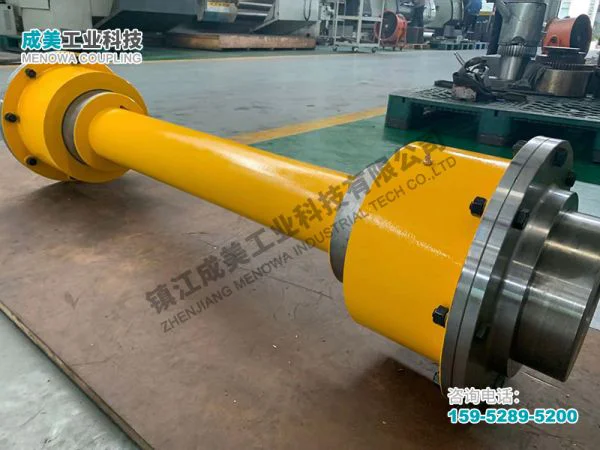
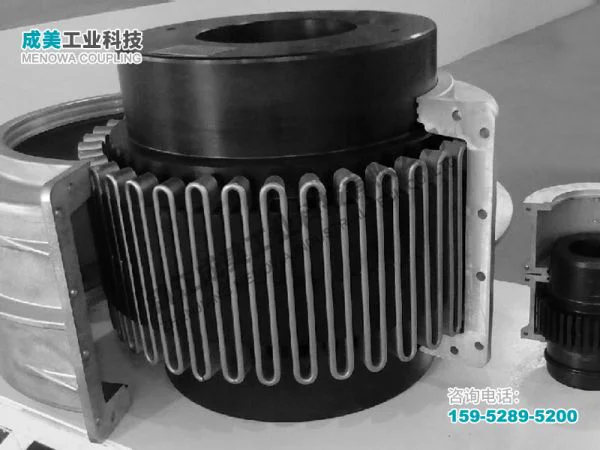
Grid spring couplings, also known as serpentine spring couplings, are a type of flexible coupling designed to transmit torque while accommodating misalignments between shafts, absorbing shocks, and reducing vibrations. Unlike rigid couplings that require precise alignment and offer no flexibility, grid spring couplings leverage the unique design of a serpentine (or grid) spring that fits into matching grooves on two half-couplings. This design allows for a combination of rigidity needed for torque transmission and flexibility to compensate for radial, angular, and axial misalignments that often occur in industrial machinery due to installation errors, thermal expansion, or operational wear. The spring element acts as a buffer, absorbing sudden shocks and vibrations generated during machine startup, shutdown, or load fluctuations, thereby protecting the connected equipment such as motors, pumps, compressors, and gearboxes from damage.
The supply of grid spring couplings begins with the selection of high-quality materials, as the performance and durability of the coupling are directly dependent on the materials used in its construction. The grid spring itself is typically made from high-strength alloy spring steel, which undergoes rigorous heat treatment processes to enhance its elasticity, fatigue resistance, and tensile strength. These materials are chosen for their ability to withstand repeated cycles of compression and expansion without permanent deformation, ensuring long service life even under heavy loads and harsh operating conditions. The half-couplings, which house the grid spring, are usually manufactured from high-grade carbon steel or alloy steel, often forged or cast to achieve the required strength and dimensional accuracy. The outer casing, which protects the grid spring from dust, debris, and environmental contaminants, is commonly made from steel or aluminum, depending on the application requirements for weight and corrosion resistance.
The manufacturing process of grid spring couplings is a critical stage in the supply chain, as it directly impacts the quality and performance of the final product. Precision machining is essential to ensure that the grooves in the half-couplings are accurately shaped to match the contour of the grid spring, allowing for smooth engagement and efficient torque transmission. The grid spring is formed through a series of processes, including coiling, heat treatment, and surface finishing, to achieve the desired shape, elasticity, and surface hardness. Quality control measures are implemented at every step of the manufacturing process, from material inspection to final assembly, to ensure that each component meets the required specifications. This includes dimensional checks, material composition analysis, hardness testing, and fatigue testing to verify the durability and performance of the coupling under simulated operating conditions.
Once manufactured, grid spring couplings are distributed through a network of suppliers, distributors, and retailers to reach end-users across various industries. The supply chain for these couplings is designed to be efficient and responsive, ensuring that products are delivered in a timely manner to meet the demands of industrial operations. Suppliers play a crucial role in this process, as they act as intermediaries between manufacturers and end-users, providing technical support, customization services, and after-sales support. Many suppliers maintain a large inventory of standard grid spring couplings in various sizes and configurations to meet immediate demand, while also offering customization options to address specific application requirements. This flexibility in supply is essential, as industrial applications vary widely in terms of torque requirements, shaft sizes, misalignment tolerances, and operating environments.
One of the key considerations in grid spring coupling supply is understanding the specific application requirements of the end-user. Different industries and applications have unique demands that must be addressed to ensure optimal performance. For example, in the mining industry, grid spring couplings are used in heavy-duty equipment such as crushers, conveyors, and excavators, which operate under high loads, extreme vibrations, and harsh environmental conditions. These applications require couplings that are highly durable, resistant to wear and corrosion, and capable of absorbing large shocks. In contrast, the food and beverage industry requires couplings that are easy to clean, non-toxic, and resistant to contamination, often made from materials that meet strict hygiene standards. Similarly, the automotive and aerospace industries demand couplings that are lightweight, compact, and capable of operating at high speeds with minimal vibration.
To meet these diverse application requirements, suppliers of grid spring couplings must offer a wide range of products with varying specifications. This includes couplings of different sizes, torque capacities, and misalignment capabilities, as well as custom-designed solutions tailored to specific applications. Customization may involve modifying the size of the half-couplings, adjusting the design of the grid spring to enhance shock absorption, or using specialized materials to improve corrosion resistance or temperature tolerance. Suppliers work closely with end-users to understand their specific needs, providing technical expertise and guidance to select the most suitable coupling for their application. This collaborative approach ensures that the supplied couplings not only meet the functional requirements but also contribute to the overall efficiency and reliability of the industrial system.
Quality control is a critical aspect of grid spring coupling supply, as any defect or inconsistency in the product can lead to equipment failure, downtime, and safety hazards. Suppliers implement strict quality control protocols to ensure that every coupling meets the highest standards of performance and reliability. This includes inspecting incoming raw materials to verify their quality and compliance with specifications, monitoring the manufacturing process to detect any deviations from the required standards, and conducting final testing of the finished product. Testing procedures may include torque testing, misalignment testing, vibration testing, and fatigue testing to ensure that the coupling can withstand the expected operating conditions. Additionally, many suppliers implement quality management systems to streamline the quality control process, ensuring consistency and traceability throughout the supply chain.
Another important factor in grid spring coupling supply is the availability of technical support and after-sales service. End-users often require assistance with the installation, maintenance, and troubleshooting of grid spring couplings, particularly in complex industrial applications. Suppliers that provide comprehensive technical support can help end-users ensure proper installation, which is critical for the performance and longevity of the coupling. This may include providing installation guides, technical diagrams, and on-site support if needed. After-sales service is also essential, as it allows end-users to address any issues that may arise during operation, such as premature wear, misalignment, or spring failure. Suppliers that offer prompt and reliable after-sales service can build long-term relationships with end-users, enhancing customer satisfaction and loyalty.
The global market for grid spring couplings is influenced by several factors, including industrial growth, technological advancements, and the increasing demand for energy-efficient and reliable transmission solutions. As industries such as manufacturing, mining, oil and gas, and renewable energy continue to expand, the demand for grid spring couplings is expected to grow. Technological advancements in materials and manufacturing processes are also driving innovation in grid spring coupling design, leading to the development of more efficient, durable, and compact couplings. For example, the use of advanced heat treatment techniques has improved the fatigue resistance of grid springs, while the adoption of precision machining technologies has enhanced the dimensional accuracy of the coupling components.
In addition to these factors, the supply of grid spring couplings is also affected by global supply chain dynamics, including raw material availability, transportation costs, and trade regulations. Fluctuations in the price of steel and other raw materials can impact the cost of manufacturing grid spring couplings, which may in turn affect the supply and pricing of the final product. Transportation delays and disruptions can also impact the timely delivery of couplings, particularly for international suppliers and end-users. To mitigate these risks, many suppliers maintain diversified supply chains, source raw materials from multiple vendors, and optimize their logistics and distribution networks to ensure reliable delivery.
Sustainability is another emerging consideration in grid spring coupling supply. As industries increasingly focus on reducing their environmental impact, suppliers are adopting more sustainable practices in the manufacturing and supply of grid spring couplings. This includes using recycled materials where possible, reducing energy consumption during manufacturing, and designing products that are easier to recycle at the end of their service life. Additionally, the durability and long service life of grid spring couplings contribute to sustainability by reducing the need for frequent replacement, thereby minimizing waste and resource consumption.
When selecting a supplier for grid spring couplings, end-users should consider several key factors to ensure they receive high-quality products and reliable service. These factors include the supplier’s reputation in the industry, their experience in manufacturing and supplying grid spring couplings, the range of products and customization options they offer, their quality control processes, and the level of technical support and after-sales service they provide. End-users should also evaluate the supplier’s ability to meet their specific application requirements, including torque capacity, misalignment tolerance, and environmental resistance. By carefully selecting a reputable and reliable supplier, end-users can ensure that they receive grid spring couplings that are well-suited to their needs, contributing to the efficient and reliable operation of their industrial equipment.
In conclusion, the supply of grid spring couplings is a complex and multifaceted process that involves careful material selection, precision manufacturing, efficient distribution, and comprehensive quality control. As essential components in industrial power transmission, grid spring couplings play a critical role in ensuring the smooth operation of machinery across various industries. Suppliers of these couplings must continuously adapt to the changing needs of end-users, leveraging technological advancements and sustainable practices to provide high-quality, reliable, and cost-effective solutions. By understanding the unique requirements of each application, implementing strict quality control measures, and providing excellent technical support and after-sales service, suppliers can build strong relationships with end-users and contribute to the overall efficiency and productivity of the industrial sector. As the global industrial landscape continues to evolve, the demand for high-quality grid spring couplings is expected to remain strong, making the supply of these components a vital part of the industrial ecosystem.
Post Date: May 11, 2026
https://www.menowacoupling.com/china-coupling/grid-spring-coupling-supply.html
Supply
Related Articles
Grid Spring Coupling Vendor In China
In the global mechanical transmission industry, grid spring couplings play an indispensable role as key components that connect rotating shafts, transmit torque, and compensate for relative displacements between shafts. As one of the world’s largest manufacturing hubs, China has nurtured a large number of professional …Uses of Grid Spring Coupling
In the realm of mechanical power transmission, the grid spring coupling stands as a versatile and reliable component that plays a critical role in connecting rotating shafts across a wide range of industrial applications. Unlike rigid couplings that demand precise alignment and offer no flexibility, or flexible coupling…Types of Elastic Coupling
Elastic couplings are essential mechanical components designed to connect two rotating shafts in machinery, enabling the efficient transmission of torque while accommodating minor misalignments, absorbing shocks, and dampening vibrations. Unlike rigid couplings, which require precise alignment and offer no flexibility, …Grid Spring Coupling Wholesale
In the complex ecosystem of industrial machinery, the role of coupling components cannot be overstated. They serve as the critical link between driving and driven shafts, ensuring the smooth transmission of power while accommodating misalignments, absorbing vibrations, and protecting expensive equipment from damage. Amo…What is Grid Spring Coupling
In the complex world of mechanical power transmission, the need to connect two rotating shafts efficiently, reliably, and with minimal wear has led to the development of various coupling devices. Among these, the grid spring coupling stands out as a versatile and robust solution, widely used in industrial applications w…Characteristics of Grid Spring Coupling
A grid spring coupling is a specialized mechanical component designed to transmit torque between two rotating shafts while accommodating various forms of misalignment and mitigating the effects of vibration and shock loads. Unlike rigid couplings that require precise alignment and offer no flexibility, grid spring coupl…
 WeChat
 WhatsApp