Maintenance of Flexible Diaphragm Coupling
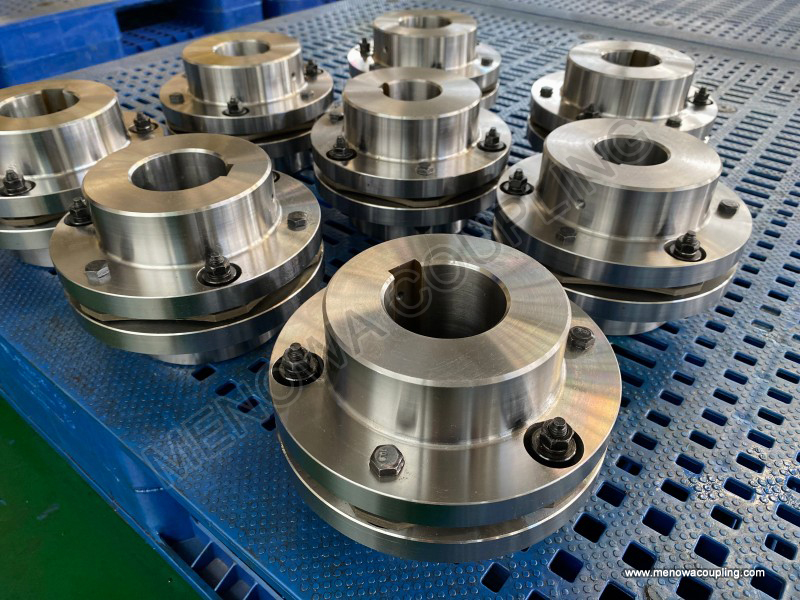
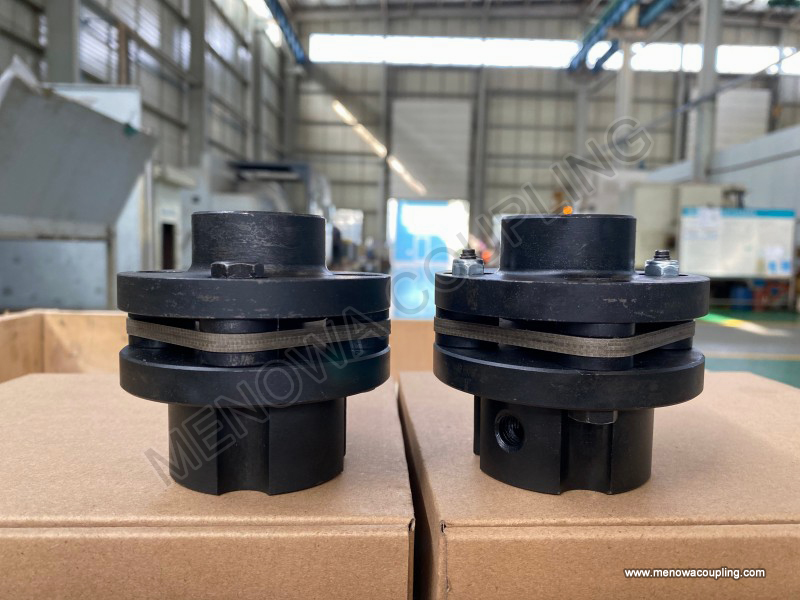
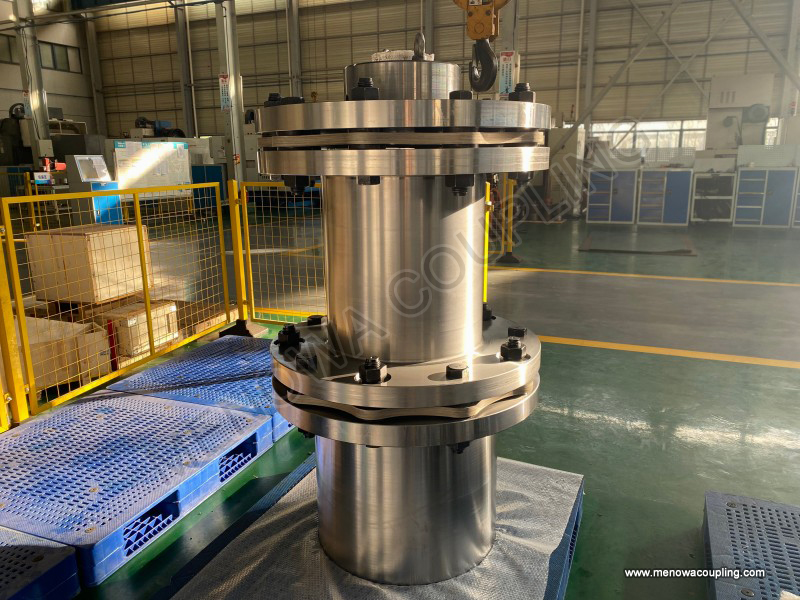
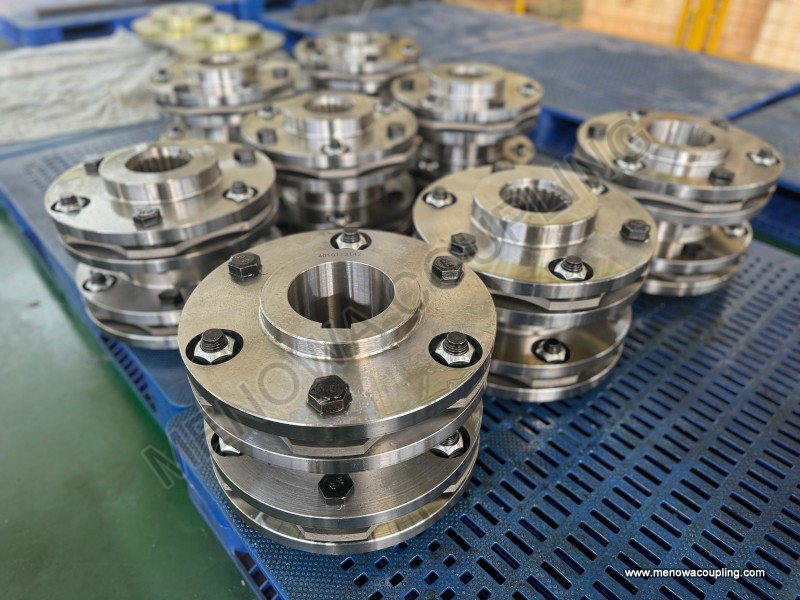
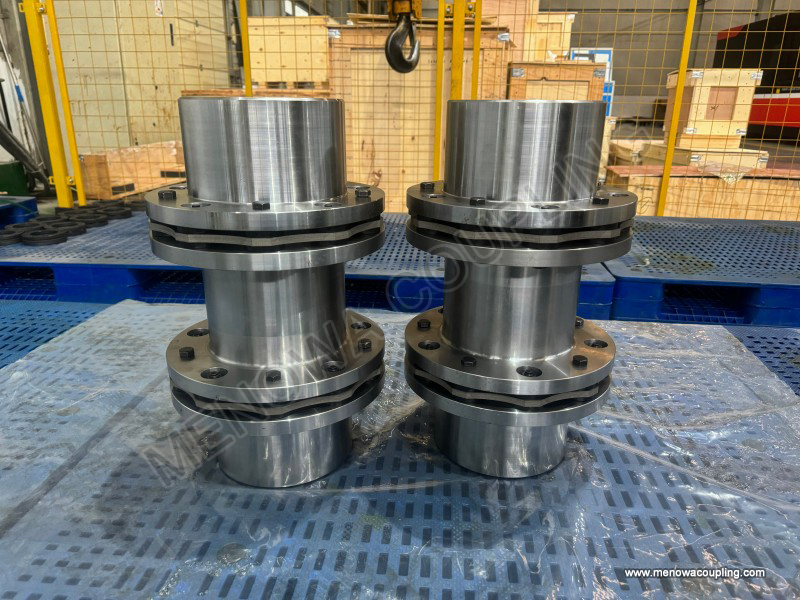
Flexible diaphragm couplings serve as indispensable components in modern mechanical power transmission systems, designed to transmit torque between rotating shafts while compensating for minor axial, angular, and radial misalignments through the elastic deformation of metal diaphragm elements. Unlike rigid coupling structures, these components rely on the flexible characteristics of laminated or single-piece metal diaphragms to buffer vibration, reduce transmission noise, and adapt to subtle shaft position deviations during equipment operation. Their outstanding structural stability, high transmission efficiency, and adaptability to high-speed and high-load working conditions make them widely applied in industrial equipment such as rotating machinery, power transmission devices, and precision transmission systems. Despite the reliable operational performance of flexible diaphragm couplings, long-term continuous operation, harsh working environments, and improper daily operation will gradually cause component fatigue, structural wear, and hidden structural risks. Scientific and standardized daily maintenance is therefore essential to eliminate potential faults in advance, stabilize transmission efficiency, and extend the overall service life of the coupling and matched mechanical equipment.
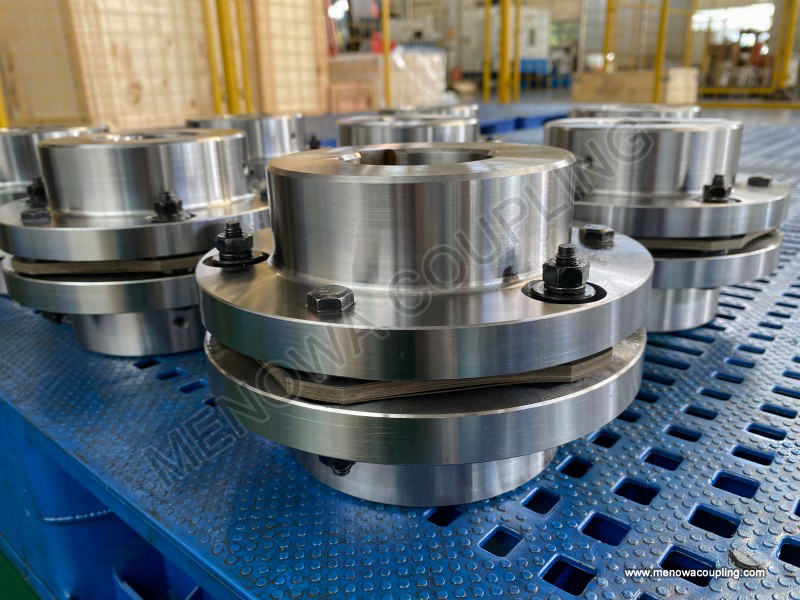
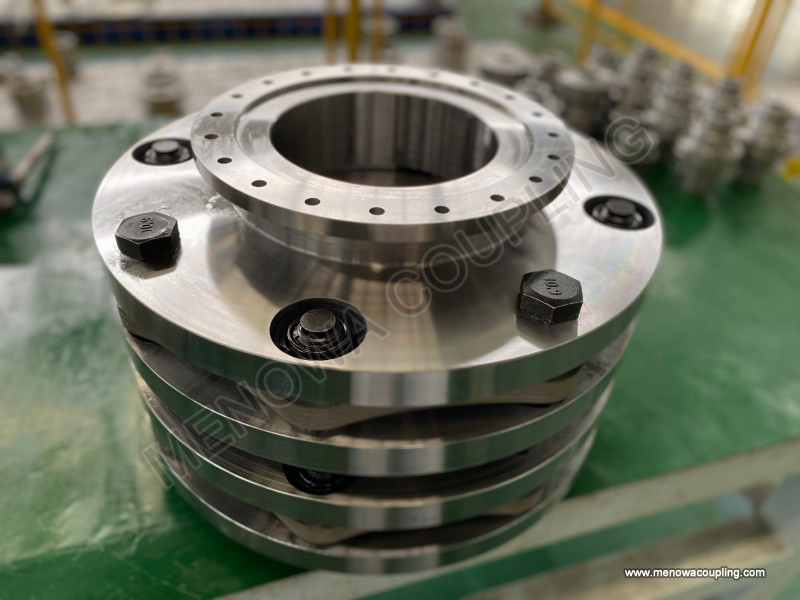
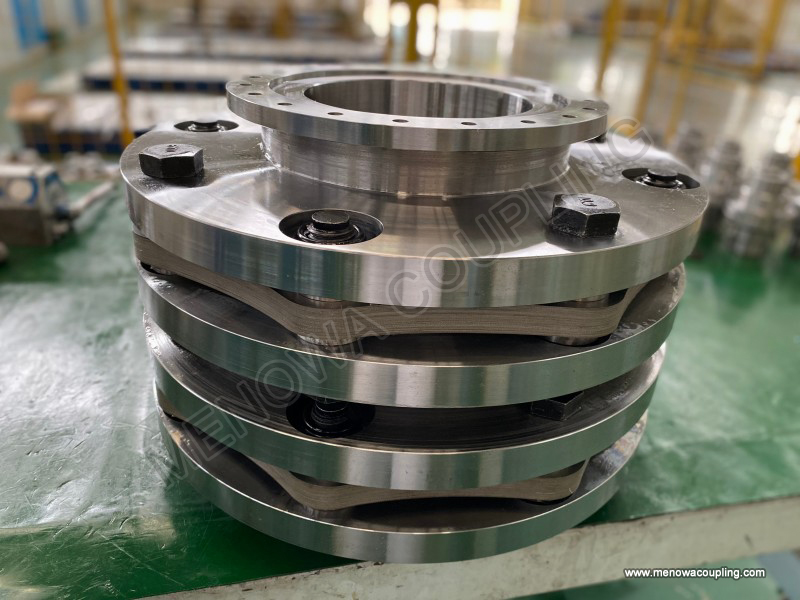
Daily visual inspection constitutes the most fundamental and regular maintenance procedure for flexible diaphragm couplings, serving as the primary means to identify early abnormal conditions. During the daily operation shutdown interval, staff should conduct comprehensive external observation of the coupling components, focusing on checking the surface state of metal diaphragms, connecting hubs, fastening bolts, and transitional connection parts. In the inspection process, special attention needs to be paid to tiny cracks, surface deformation, metal fatigue lines, and local corrosion spots on the diaphragm surface. Long-term alternating stress generated by torque transmission and misalignment compensation will lead to microscopic fatigue cracks on the diaphragm, which are difficult to detect in the early stage but will gradually expand with continuous operation, eventually causing diaphragm fracture and sudden equipment shutdown. Meanwhile, it is necessary to check whether the surface of the coupling components has rust, oxidation, or abrasive wear marks. Friction and impact generated during high-speed operation may cause subtle wear on the matching surfaces of diaphragms and hubs, reducing the structural matching precision and affecting the stability of torque transmission.
The fastening state of connecting bolts is another key focus of daily inspection. All bolts used to fix diaphragms and hubs undertake alternating shear force and tensile force during equipment operation, and long-term vibration will inevitably lead to gradual loosening of bolt connections. Loose bolts will cause uneven stress on the diaphragm structure, form local stress concentration, and significantly increase the risk of diaphragm fatigue damage. In the inspection process, workers should check each bolt one by one to confirm no displacement, looseness, or missing fasteners. For bolts that show slight loosening, graded and staggered tightening operations should be adopted to ensure uniform clamping force of all connecting parts, avoiding structural deformation caused by one-sided over-tightening. It is crucial to avoid excessive torque during tightening, as over-compression will damage the structural toughness of the diaphragm, destroy its elastic deformation performance, and weaken the misalignment compensation capability of the coupling. Regular torque verification of fasteners is required in daily maintenance to maintain the consistent and stable fastening state of the overall structure.
Cleaning maintenance runs through the whole life cycle of flexible diaphragm couplings, and a clean operating environment is the basic guarantee to avoid accelerated component damage. In industrial production environments, floating dust, metal debris, oil dirt, and chemical impurities will gradually adhere to the surface of the coupling. These attachments will wear the diaphragm surface during high-speed operation, scratch the smooth metal surface, and form stress concentration points that induce fatigue cracks. In humid and dusty working conditions, accumulated dirt will also absorb moisture, accelerating the oxidation and corrosion process of metal components. Daily cleaning should adopt dry wiping and blowing methods to remove surface floating dust and debris; for stubborn oil stains and condensed dirt, neutral cleaning agents can be used for mild cleaning, followed by thorough drying to ensure no residual liquid on the component surface. It is necessary to avoid using corrosive cleaning substances to prevent chemical erosion of diaphragms and hubs, which would damage the metal structural performance. The cleaning frequency should be adjusted according to the actual working environment, with more frequent cleaning for equipment operating in dusty, humid, or chemically corrosive environments to maintain the cleanliness of the coupling operating state.
Shaft misalignment calibration is a core maintenance item that determines the service life of flexible diaphragm couplings. Although diaphragm couplings have good misalignment compensation capability, their compensation range is limited, and long-term operation under excessive misalignment will bring irreversible damage to the diaphragm structure. Excessive angular deviation, axial deviation, or radial deviation between the driving shaft and driven shaft will make the diaphragm bear continuous abnormal tensile and bending stress beyond the design range. Long-term alternating overload stress will rapidly consume the fatigue life of the diaphragm, leading to early fatigue fracture and coupling failure. In regular maintenance, professional alignment tools should be used to calibrate the shaft alignment state at fixed cycles, strictly controlling the misalignment within the allowable range of the coupling structure. After equipment startup, shutdown maintenance, component replacement, or long-term continuous operation, secondary alignment calibration must be carried out to eliminate shaft position deviation caused by equipment vibration and foundation settlement. Standardized alignment maintenance can effectively reduce abnormal stress on the diaphragm, stabilize the transmission state, and avoid premature failure caused by structural overload.
Lubrication maintenance of flexible diaphragm couplings has distinct characteristics compared with other types of flexible couplings. Different from gear couplings and rubber elastic couplings that rely heavily on lubricating media, metal diaphragm couplings realize power transmission through elastic deformation of metal components, with no relative sliding friction between main structures, so they do not need frequent and large-scale lubrication. However, appropriate auxiliary lubrication treatment is still required for key matching parts in daily maintenance. A small amount of solid lubricant can be evenly applied between the diaphragm overlapping parts and the bolt matching surfaces. This treatment can effectively reduce micro-friction and micro-wear between metal contact surfaces during high-speed operation, avoid micro-cracks and bolt hole deformation caused by long-term micro-vibration friction, and improve the operational stability of the coupling. It is necessary to avoid excessive lubricant coating to prevent lubricant accumulation from adsorbing dust and impurities, which would form abrasive particles and aggravate component wear. In high-temperature working environments, special high-temperature resistant lubricating media should be selected to ensure the stability of lubricating performance and avoid lubricant failure and deterioration under high-temperature conditions.
Environmental adaptive maintenance is crucial to extend the service life of flexible diaphragm couplings in complex working conditions. In corrosive working environments involving acid, alkali, salt mist, and chemical gas, metal components of couplings are prone to electrochemical corrosion and chemical erosion. Corroded diaphragms will have reduced structural toughness and strength, with local pitting and thinning, which greatly reduces fatigue resistance and easily causes sudden fracture under load operation. For couplings operating in corrosive environments, the frequency of visual inspection and component state detection should be increased, focusing on checking for subtle corrosion pits, surface oxidation peeling, and structural thinning. Timely anti-corrosion treatment should be carried out for slightly corroded parts, while severely corroded components need to be replaced immediately to prevent faulty operation from affecting the whole transmission system. In low-temperature working environments, the toughness of metal diaphragms will decrease, and the brittleness will increase, making them more sensitive to impact load and alternating stress. Maintenance in low-temperature environments should focus on checking for brittle cracks on the diaphragm surface, avoiding sudden equipment startup and overload operation, and ensuring the coupling operates under stable load conditions.
Fault observation and early intervention are important links in daily maintenance to avoid major equipment failures. In the regular operation of the equipment, staff should pay attention to the operating sound, vibration amplitude, and temperature change of the coupling part. Normal flexible diaphragm couplings operate smoothly with uniform sound and no obvious vibration and temperature rise. If abnormal buzzing, impact sound, or periodic vibration is found during operation, it indicates that the coupling may have loose fasteners, diaphragm fatigue deformation, excessive misalignment, or local friction. Continuous abnormal vibration will amplify the structural stress of the coupling, accelerate component fatigue, and also affect the operating precision of the matched equipment. When abnormal operating states are detected, the equipment should be shut down in a timely manner for comprehensive inspection and troubleshooting, and operation with faults is strictly prohibited. For minor abnormal problems such as slight bolt loosening and tiny dirt accumulation, timely adjustment and cleaning can restore normal operating performance; for early fatigue cracks and local deformation of diaphragms, parts should be replaced in advance to avoid fault expansion causing equipment shutdown and economic losses.
Regular component replacement and overall performance detection constitute the key of predictive maintenance for flexible diaphragm couplings. Although there is no fixed rigid replacement cycle for coupling components, long-term alternating load operation will inevitably lead to fatigue aging of metal diaphragms and permanent attenuation of elastic performance. Combined with the actual operating load, running time, and working environment, a scientific predictive replacement plan should be formulated. For couplings operating under conventional stable working conditions, overall component inspection and aging assessment should be carried out regularly, and diaphragms with obvious fatigue signs, reduced elasticity, or subtle unrepairable cracks should be replaced in a timely manner. After replacing diaphragm components, it is necessary to re-calibrate the shaft alignment state and carry out uniform fastening of bolts in a staggered sequence to ensure the overall structural balance and stable stress state of the coupling. In addition, regular detection of the torque transmission performance and elastic deformation performance of the coupling should be carried out to judge whether the overall performance meets the operational requirements, eliminating potential hidden dangers of performance attenuation.
Standardized maintenance management and operational specification training are fundamental guarantees to maintain the long-term stable operation of flexible diaphragm couplings. All maintenance operations must follow standardized operating procedures, avoiding arbitrary disassembly, random adjustment of bolt fastening torque, and blind component replacement. Daily maintenance records should be established to record inspection time, inspection results, cleaning and lubrication conditions, fault handling situations, and component replacement records, forming a complete equipment maintenance file. Through sorting and analyzing maintenance data, the aging rule and fault occurrence law of couplings can be summarized, which is convenient for optimizing subsequent maintenance cycles and maintenance schemes. Meanwhile, operation and maintenance staff should receive professional training to master the structural characteristics, maintenance key points, fault identification methods, and correct disassembly and assembly processes of flexible diaphragm couplings, avoiding equipment damage caused by irregular manual operation. Reasonable equipment operation specifications should be formulated to avoid long-term overload operation, frequent startup and shutdown, and sudden load impact, reducing abnormal structural stress on the coupling and delaying component fatigue aging.
In industrial mechanical transmission systems, the operational stability of flexible diaphragm couplings directly affects the overall operating efficiency and safety of the equipment. Scientific, standardized, and systematic daily maintenance and regular overhaul can effectively reduce the failure rate of couplings, extend their service life, reduce equipment maintenance costs and downtime losses, and ensure the long-term stable and efficient operation of mechanical transmission systems. As a high-precision flexible transmission component, the performance of flexible diaphragm couplings depends not only on excellent structural design and manufacturing technology but also on refined daily maintenance and scientific fault management. Adhering to standardized maintenance procedures, paying attention to early fault prevention and adaptive maintenance of working conditions, and optimizing maintenance strategies according to actual operating conditions can give full play to the structural advantages of flexible diaphragm couplings, maintain efficient and stable torque transmission capability, and provide reliable basic guarantee for the safe operation of industrial mechanical equipment.
Post Date: May 25, 2026
https://www.menowacoupling.com/china-coupling/maintenance-of-flexible-diaphragm-coupling.html
Products
Tags
Related Articles
Types of Flexible Diaphragm Coupling
Types of Flexible Diaphragm CouplingFlexible diaphragm couplings are essential mechanical transmission components designed to connect two rotating shafts while compensating for various forms of shaft misalignment, absorbing vibration, and ensuring precise and efficient torque transmission in mechanical systems. Unlike r…Components of Flexible Diaphragm Coupling
A flexible diaphragm coupling is a high-performance mechanical component widely used in various industrial applications to connect two shafts and transmit torque while compensating for relative displacements between them. Unlike rigid couplings that require precise alignment, flexible diaphragm couplings utilize the ela…Flexible Diaphragm Coupling Price
In the realm of industrial power transmission, flexible diaphragm couplings stand out as a critical component, valued for their ability to connect two rotating shafts while compensating for misalignments, absorbing minor vibrations, and ensuring efficient torque transfer. As businesses across various industries—from ma…Size Chart of Flexible Diaphragm Coupling
The size chart of flexible diaphragm coupling is an essential reference tool for engineers, procurement personnel, and maintenance technicians in various industrial fields, as it provides precise dimensional parameters and matching guidelines to ensure the coupling can perfectly adapt to different equipment and working …Types of Shim Pack Coupling
Shim pack couplings stand as a vital category of metal flexible transmission components widely applied in modern industrial mechanical shaft connection systems, serving the core purpose of stable torque transmission between driving and driven equipment while effectively absorbing and compensating for various minor misal…Uses of Flexible Diaphragm Coupling
In modern mechanical transmission systems, the stable connection and efficient torque transmission between rotating shafts are the core guarantees for the normal operation of all kinds of mechanical equipment. As a high-performance metal flexible transmission component, flexible diaphragm coupling has gradually become a…
 WeChat
 WhatsApp