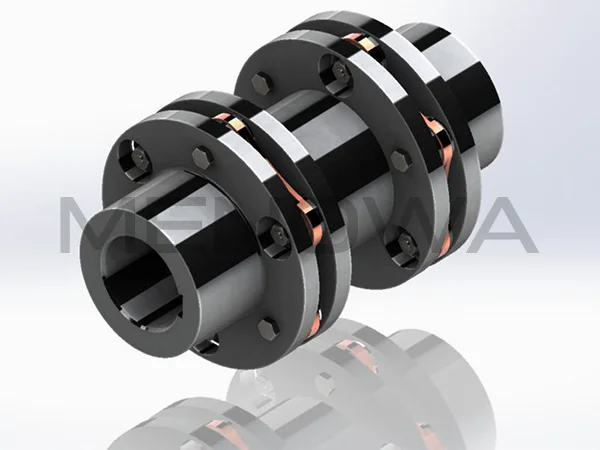
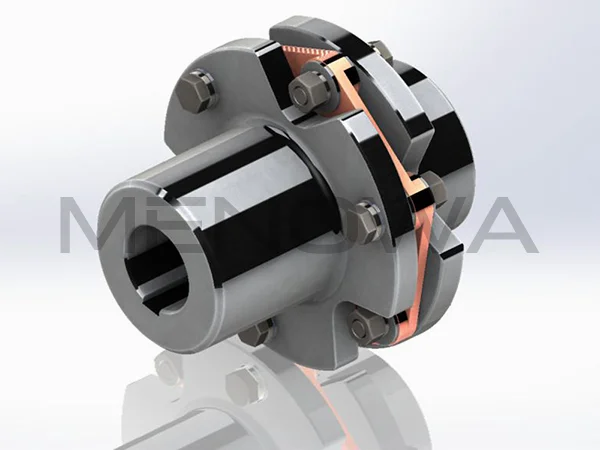
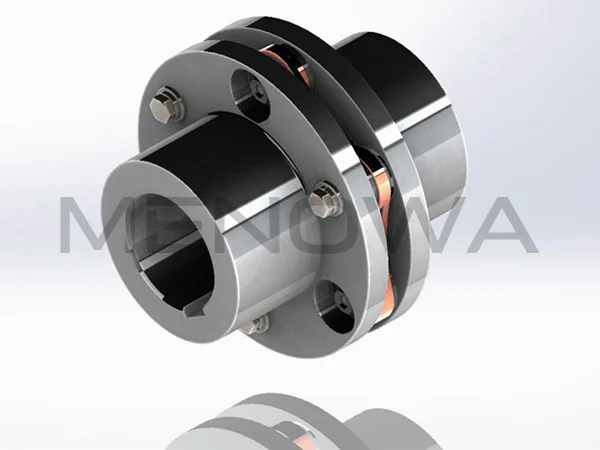
Diagram of Flexible Diaphragm Coupling
A flexible diaphragm coupling is a high-performance mechanical component designed to connect two shafts in rotating machinery, enabling the efficient transmission of torque while accommodating various types of misalignments between the shafts. Unlike traditional rigid couplings that require precise alignment to function properly, flexible diaphragm couplings utilize the elastic deformation of thin, flexible diaphragms to compensate for axial, radial, and angular misalignments, making them indispensable in a wide range of industrial applications. These couplings are characterized by their compact structure, high torque-carrying capacity, and maintenance-free operation, which set them apart from other types of flexible couplings such as gear couplings or elastomeric couplings. To fully understand the functionality and advantages of a flexible diaphragm coupling, it is essential to explore its structural components, working principles, material selection, application scenarios, installation considerations, and maintenance requirements.
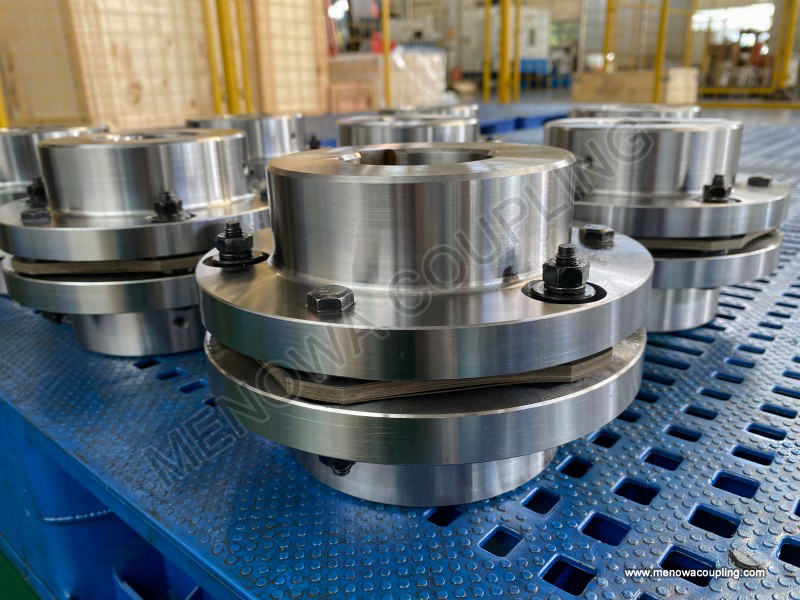
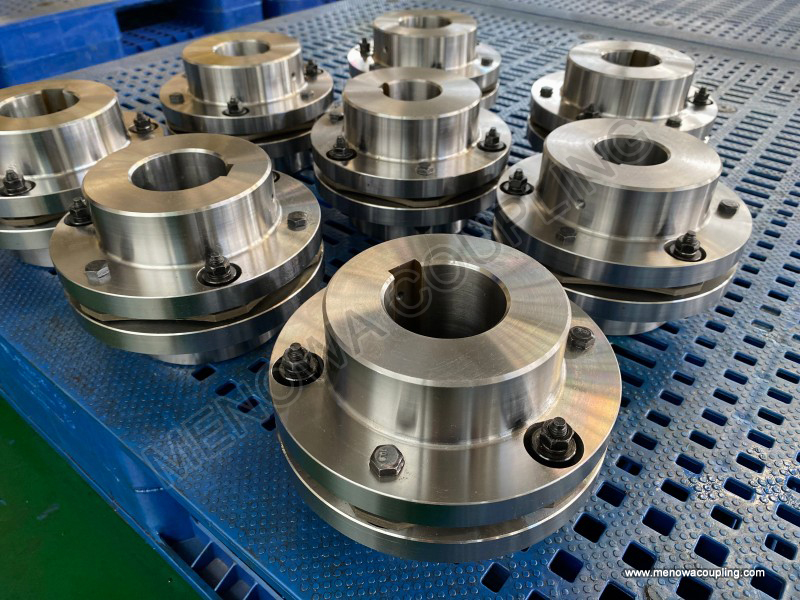
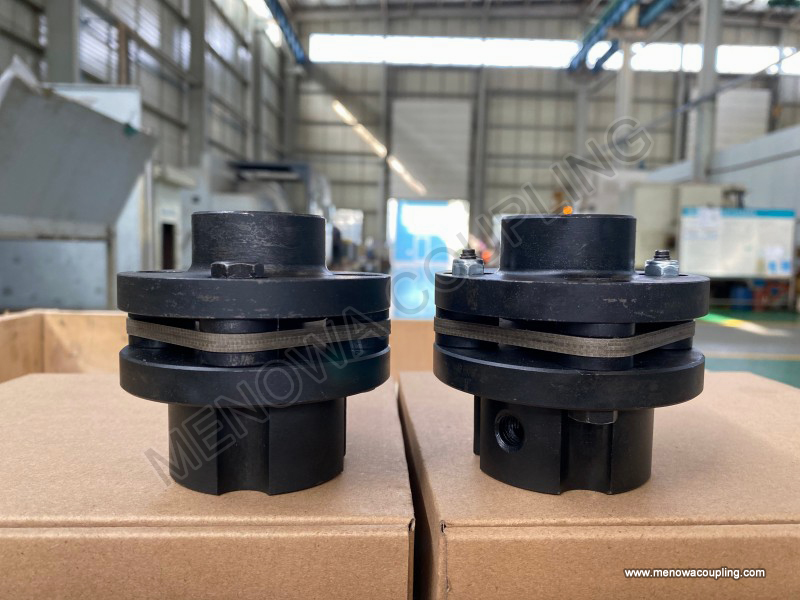
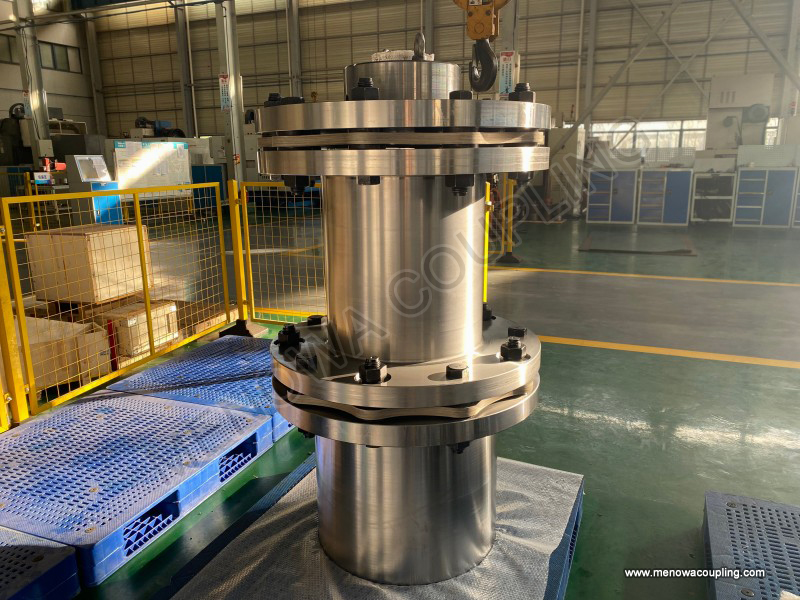
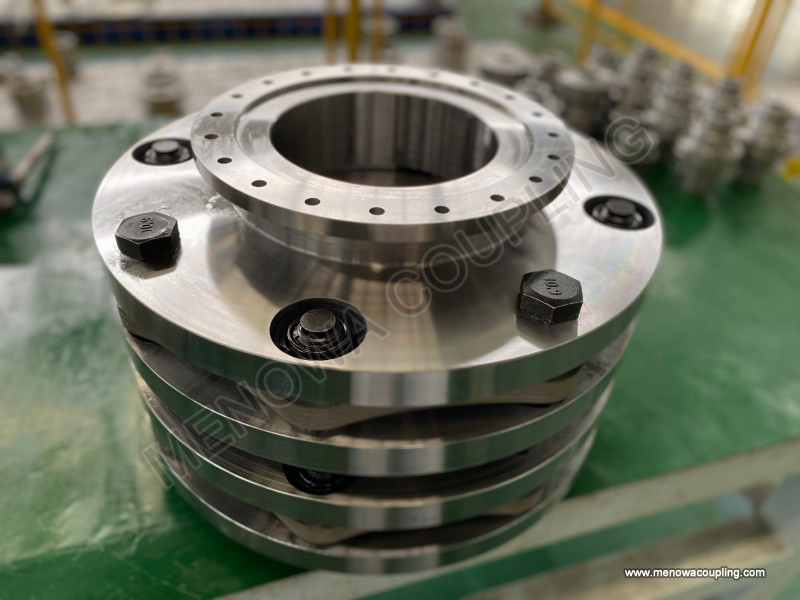
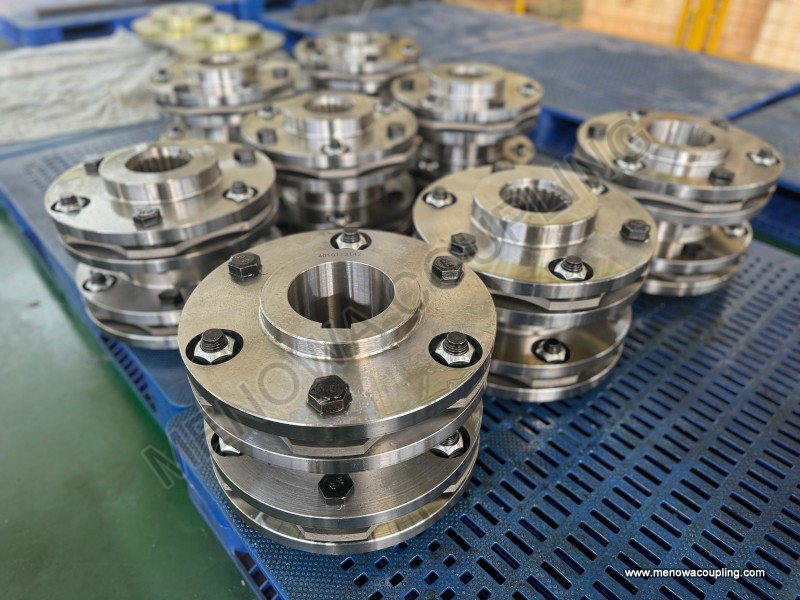
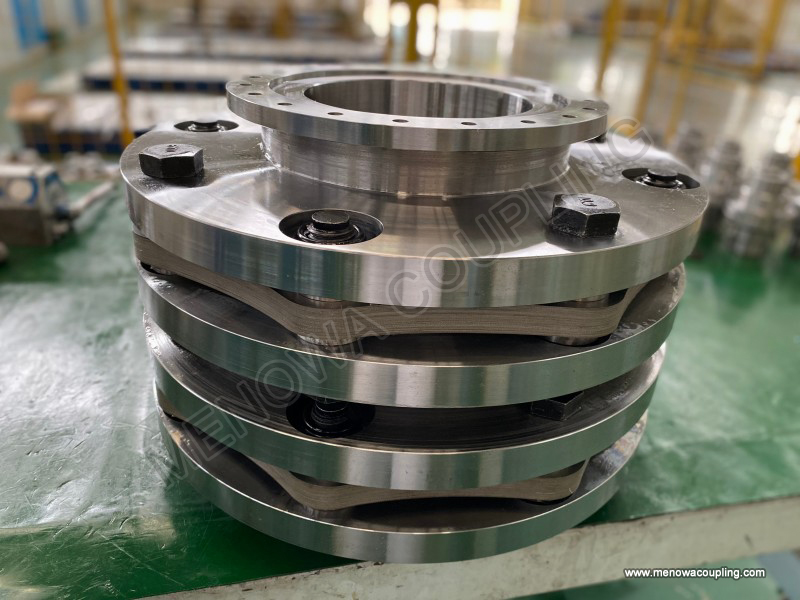
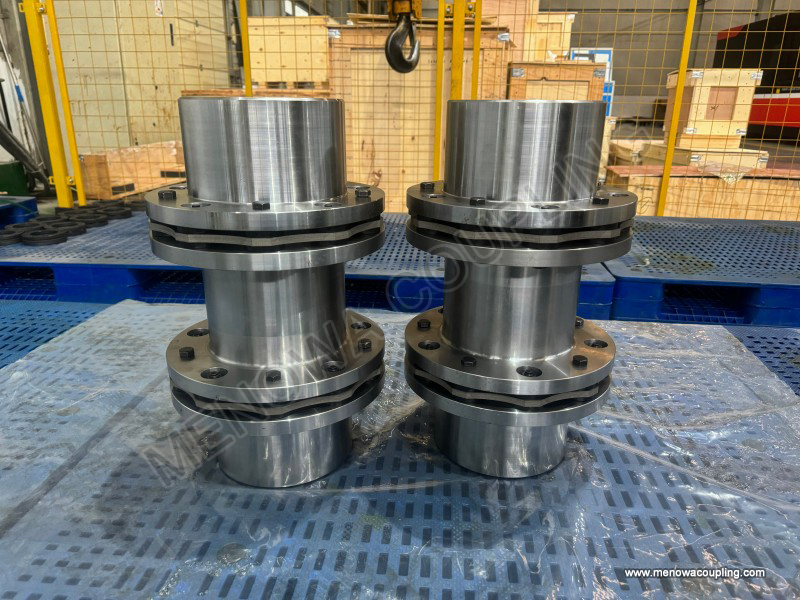
The basic structure of a flexible diaphragm coupling consists of several key components that work together to transmit torque and compensate for misalignments. At the core of the coupling are the diaphragms, which are thin, circular or annular metal plates typically arranged in groups or stacks. These diaphragms are the flexible elements of the coupling, responsible for absorbing misalignments and transmitting torque without the need for lubrication or sliding parts. The diaphragms are connected to two flange hubs, which are the parts that attach to the driving and driven shafts. The hubs are usually machined to fit the shaft diameters precisely, with options for keyway connections, set screws, or interference fits to ensure a secure and slip-free connection. In some designs, a spacer or intermediate shaft may be included between the two sets of diaphragms, which helps to increase the distance between the shafts and improve the coupling’s ability to compensate for misalignments, especially in applications where the shafts are separated by a significant distance. The bolts or fasteners used to connect the diaphragms to the hubs are critical components as well, as they must be strong enough to withstand the transmitted torque while allowing the diaphragms to flex freely.
The working principle of a flexible diaphragm coupling revolves around the elastic deformation of the diaphragms. When torque is applied to the driving shaft, it is transmitted through the driving hub to the diaphragms. The diaphragms, being flexible yet rigid enough to carry torque, transfer the rotational force to the driven hub and ultimately to the driven shaft. During this process, if there is any misalignment between the two shafts—whether axial (movement along the axis), radial (offset perpendicular to the axis), or angular (tilt between the shafts)—the diaphragms deform elastically to accommodate the misalignment. For axial misalignment, the diaphragms stretch or compress slightly along the axis; for radial misalignment, they bend radially; and for angular misalignment, they twist slightly to bridge the angle between the shafts. This elastic deformation is reversible, meaning the diaphragms return to their original shape once the misalignment is reduced or removed, ensuring consistent performance over time. Importantly, this design eliminates the need for lubrication because there are no sliding or rotating parts in contact with each other, which reduces maintenance requirements and eliminates the risk of lubricant leakage, making the coupling suitable for clean or sensitive environments.
Material selection is a crucial factor in determining the performance, durability, and application range of a flexible diaphragm coupling. The diaphragms, being the primary flexible elements, are typically made from high-strength, corrosion-resistant metals to withstand the stresses of torque transmission and repeated elastic deformation. Stainless steel is one of the most commonly used materials for diaphragms, particularly grades such as 304 or 316, which offer excellent corrosion resistance, high tensile strength, and good fatigue resistance. These properties make stainless steel diaphragms suitable for applications in harsh environments, including those with exposure to chemicals, moisture, or high temperatures. In some high-performance applications, such as aerospace or high-speed machinery, more advanced materials like titanium alloys or beryllium copper may be used. Titanium alloys offer a high strength-to-weight ratio, making them ideal for lightweight, high-speed applications, while beryllium copper provides superior fatigue resistance and electrical conductivity, which is beneficial in certain industrial settings. The hubs and spacers, on the other hand, are usually made from carbon steel, alloy steel, or aluminum. Carbon steel and alloy steel are preferred for heavy-duty applications due to their high torque-carrying capacity, while aluminum is used in lightweight or high-speed applications to reduce the overall weight and rotational inertia of the coupling.
Flexible diaphragm couplings find applications in a wide variety of industries and machinery, thanks to their versatility, reliability, and performance characteristics. One of the most common applications is in the power generation industry, where they are used to connect turbines, generators, and pumps. In thermal power plants, for example, flexible diaphragm couplings connect the steam turbine to the generator, accommodating the slight misalignments that occur due to thermal expansion during operation. In wind power systems, they are used in the nacelle to connect the gearbox to the generator, withstanding the variable torques and misalignments caused by wind loads. The industrial machinery sector also relies heavily on these couplings, particularly in pumps, compressors, fans, and blowers. In chemical processing plants, corrosion-resistant stainless steel diaphragms are used to connect pumps and mixers that handle corrosive fluids, as they can operate without lubrication and are not susceptible to contamination from lubricants. In the automotive and aerospace industries, flexible diaphragm couplings are used in engine systems, transmissions, and auxiliary equipment, where their lightweight design and high precision are critical. For example, in aircraft, they connect the engine to hydraulic pumps and other auxiliary components, ensuring reliable torque transmission even in extreme conditions of temperature and vibration.
Another important application area is precision machinery, such as数控机床, robotics, and semiconductor manufacturing equipment. In数控机床, flexible diaphragm couplings are used to connect the servo motor to the ball screw or spindle, ensuring precise torque transmission and positioning accuracy. The zero-backlash design of these couplings is particularly important in these applications, as any backlash would result in positioning errors, affecting the quality of the machined parts. In robotics, they are used in the joints of industrial robots to connect the motors to the gearboxes, accommodating the small misalignments that occur during movement while maintaining precise control of the robot’s motion. In semiconductor manufacturing equipment, where cleanliness and precision are paramount, the maintenance-free and lubrication-free design of flexible diaphragm couplings prevents contamination of the manufacturing environment, making them ideal for use in wafer processing and packaging equipment.
The performance characteristics of flexible diaphragm couplings make them superior to many other types of couplings in certain applications. One of their key advantages is their high torque-carrying capacity relative to their size. Due to the use of high-strength materials and efficient torque transmission through the diaphragms, these couplings can transmit large torques without being overly bulky, making them suitable for applications where space is limited. Another major advantage is their ability to compensate for multiple types of misalignments simultaneously, which reduces the need for precise shaft alignment during installation and minimizes wear on the shafts and bearings. Unlike gear couplings, which require regular lubrication and are prone to wear, flexible diaphragm couplings are maintenance-free, as they have no sliding parts that require lubrication. This not only reduces maintenance costs but also increases the reliability of the coupling, as there is no risk of lubricant breakdown or leakage. Additionally, these couplings operate with low noise and vibration, which is beneficial in applications where noise levels need to be minimized, such as in precision machinery or indoor industrial settings.
Despite their many advantages, flexible diaphragm couplings also have certain limitations that must be considered when selecting a coupling for a specific application. One of the main limitations is their limited ability to absorb shock and vibration compared to elastomeric couplings. Elastomeric couplings use rubber or plastic elements to absorb shock and dampen vibration, making them more suitable for applications with high levels of shock or vibration, such as reciprocating pumps or compressors. Flexible diaphragm couplings, being metal-based, have limited damping capabilities, so they are best suited for applications with smooth, steady torque loads. Another limitation is their sensitivity to excessive misalignment. While they can compensate for moderate misalignments, excessive axial, radial, or angular misalignment can cause excessive stress on the diaphragms, leading to fatigue failure over time. It is therefore important to ensure that the misalignment between the shafts is within the manufacturer’s recommended limits to avoid premature failure. Additionally, flexible diaphragm couplings are generally more expensive to manufacture than basic rigid couplings or elastomeric couplings, which may be a consideration for cost-sensitive applications.
Proper installation is critical to ensuring the optimal performance and longevity of a flexible diaphragm coupling. Before installation, it is important to inspect the coupling components for any damage, such as cracks in the diaphragms, bent hubs, or worn fasteners. Any damaged components should be replaced immediately to prevent failure during operation. The shafts should be cleaned and inspected for straightness, as bent shafts can cause excessive misalignment and stress on the coupling. During installation, the shafts should be aligned as closely as possible, with the misalignment kept within the recommended limits. The use of alignment tools, such as laser alignment systems or dial indicators, is recommended to ensure accurate alignment. The coupling hubs should be securely attached to the shafts using the appropriate method, whether it be keyway, set screws, or interference fit, and the fasteners should be tightened to the recommended torque to ensure a secure connection. It is also important to ensure that the diaphragms are not twisted or strained during installation, as this can lead to premature fatigue.
Maintenance of flexible diaphragm couplings is relatively simple due to their maintenance-free design, but regular inspection is still necessary to ensure their continued performance. Periodic inspections should be carried out to check for signs of wear, fatigue, or damage to the diaphragms, hubs, and fasteners. The diaphragms should be inspected for cracks, tears, or deformation, which can occur due to excessive stress, misalignment, or material fatigue. The fasteners should be checked for tightness, as loose fasteners can cause vibration and damage to the coupling. In applications where the coupling is exposed to harsh environments, such as corrosion or high temperatures, more frequent inspections may be necessary to ensure that the materials are not deteriorating. If any damage is detected, the affected components should be replaced promptly to prevent further damage to the coupling or the connected machinery. It is also important to keep the coupling clean and free from debris, as debris can cause friction or damage to the diaphragms.
In conclusion, flexible diaphragm couplings are essential components in modern rotating machinery, offering a reliable, efficient, and maintenance-free solution for torque transmission and misalignment compensation. Their unique design, which utilizes the elastic deformation of metal diaphragms, allows them to accommodate axial, radial, and angular misalignments while transmitting high torques with high precision. The selection of appropriate materials, such as stainless steel, titanium alloys, or aluminum, ensures that the coupling can withstand the demands of various industrial applications, from power generation and chemical processing to precision machinery and aerospace. Proper installation and regular inspection are key to maximizing the performance and longevity of these couplings, ensuring that they operate reliably for many years. While they have certain limitations, such as limited shock absorption and higher manufacturing costs, their advantages far outweigh these drawbacks in many applications, making them the preferred choice for engineers and designers seeking a high-performance coupling solution. As industrial technology continues to advance, flexible diaphragm couplings are likely to become even more versatile and efficient, adapting to the evolving needs of modern machinery and applications.
Post Date: May 19, 2026
https://www.menowacoupling.com/china-coupling/diagram-of-flexible-diaphragm-coupling.html
Products
Tags
Related Articles
Specification of Flexible Diaphragm Coupling
Flexible diaphragm couplings represent a pivotal category of metal elastic transmission components widely adopted in high-precision mechanical power transmission systems, serving the core function of connecting driving and driven shafts to achieve stable torque transmission while accommodating inevitable shaft misalignm…Classification of Flexible Diaphragm Coupling
Flexible diaphragm couplings are essential components in modern mechanical transmission systems, designed to connect two shafts while compensating for relative displacements caused by manufacturing errors, installation deviations, thermal expansion, or operational vibrations. Unlike rigid couplings that require precise …Flexible Diaphragm Coupling Factory
A flexible diaphragm coupling factory is a specialized manufacturing facility dedicated to producing high-performance flexible diaphragm couplings, which are essential mechanical components used to connect two rotating shafts in various industrial applications. These couplings play a critical role in transmitting torque…Flexible Diaphragm Coupling Manufacture
Flexible diaphragm couplings stand as critical components in modern power transmission systems, bridging driving and driven shafts while accommodating misalignment, absorbing vibration, and ensuring efficient torque delivery across diverse industrial scenarios. The manufacture of these precision components integrates ma…Types of Diaphragm Coupling
Diaphragm couplings stand as a vital category of flexible metal couplings widely utilized in modern mechanical power transmission systems, designed to connect driving and driven shafts while delivering stable torque transfer and accommodating various forms of shaft misalignment through the elastic deformation of metal d…Structure of Flexible Diaphragm Coupling
Flexible diaphragm coupling serves as a vital mechanical transmission component widely applied in high-precision and high-speed mechanical transmission systems, relying on elastic deformation of metal diaphragm components to realize torque transmission and shaft misalignment compensation. Different from traditional flex…
 WeChat
 WhatsApp