Flexible Diaphragm Coupling For Sale
When it comes to transmitting power between two shafts in industrial machinery, the choice of coupling plays a crucial role in ensuring smooth operation, efficiency, and long-term reliability. Among the various types of couplings available in the market, flexible diaphragm couplings have emerged as a preferred solution for many industries due to their unique combination of flexibility, durability, and precision. Designed to accommodate misalignments between shafts while maintaining high torque transmission capabilities, these couplings are widely used in a range of applications, from small-scale equipment to heavy-duty industrial systems. Whether you are looking to replace an existing coupling or select a new one for a new project, understanding the key features, benefits, and applications of flexible diaphragm couplings is essential to making an informed decision.
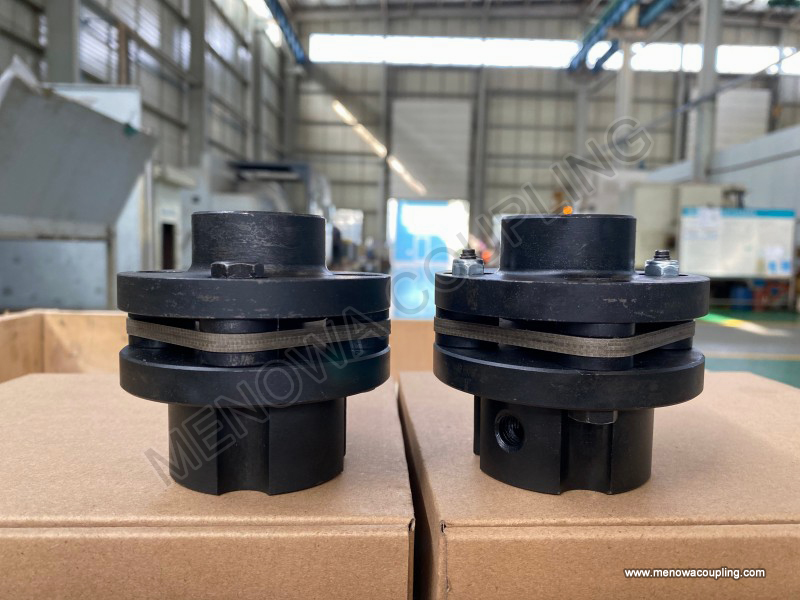
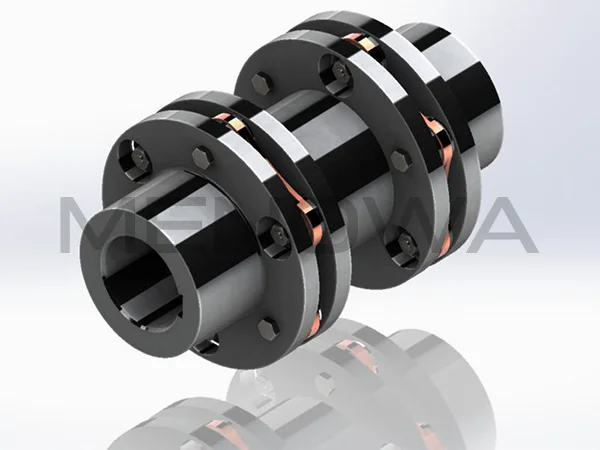
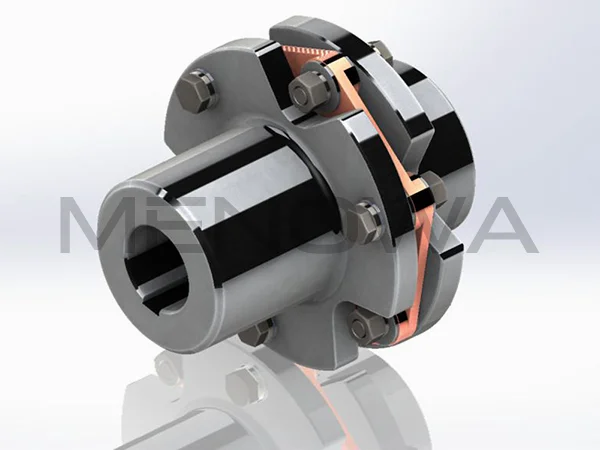
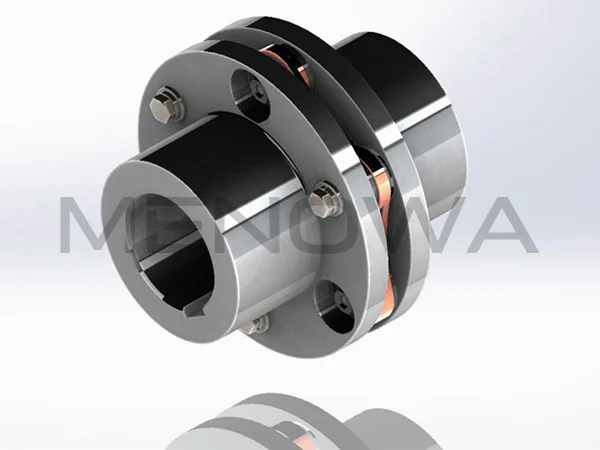
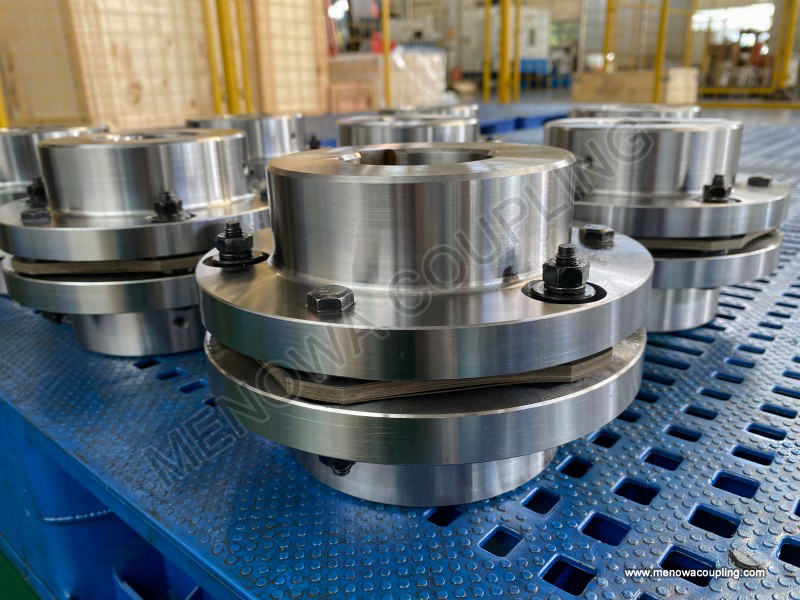
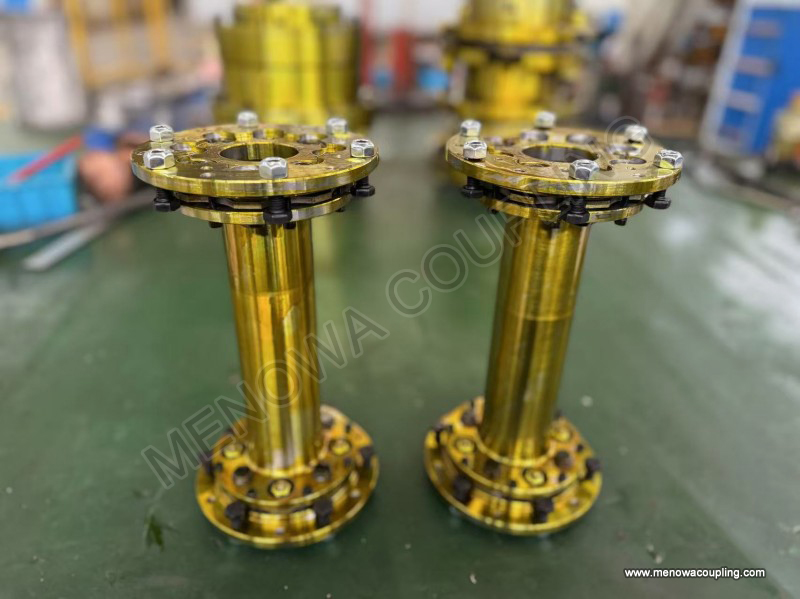
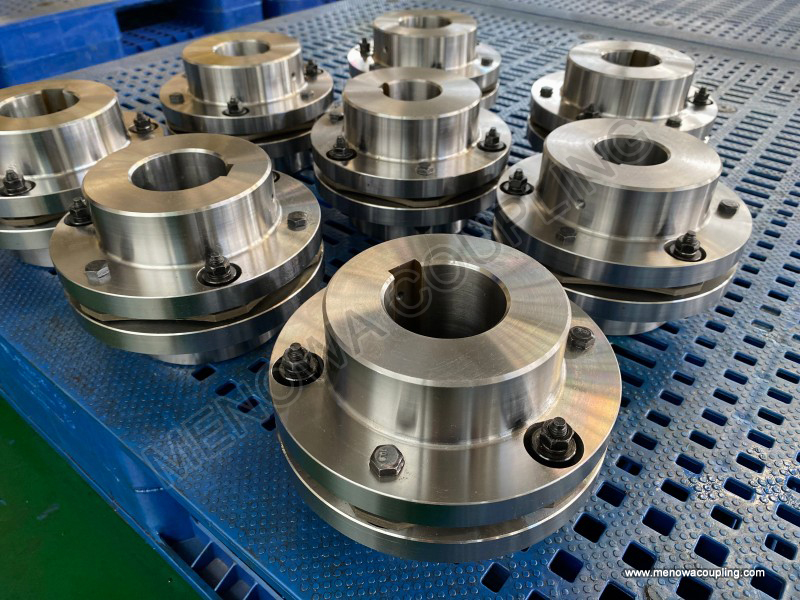
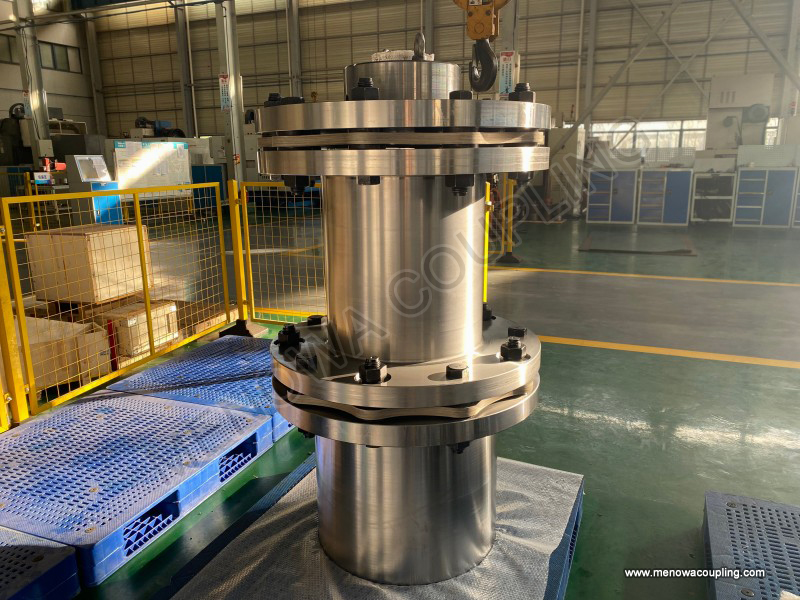
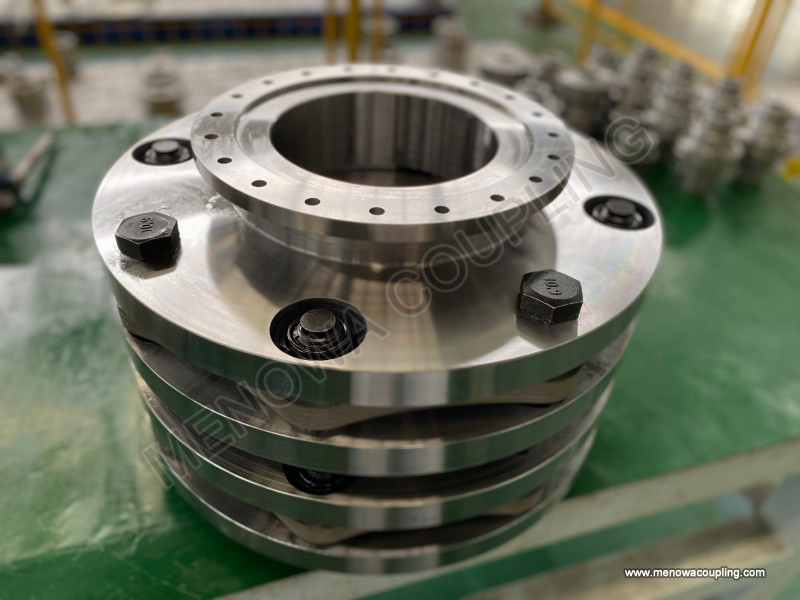
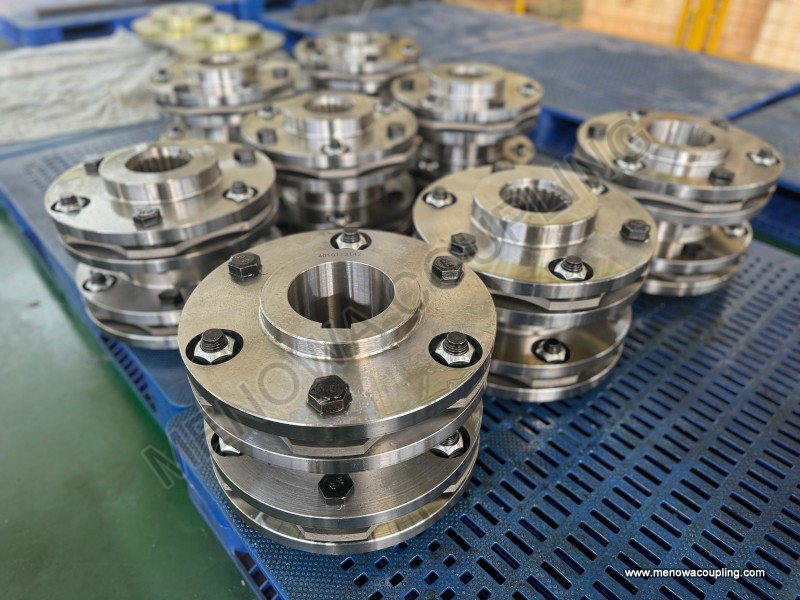
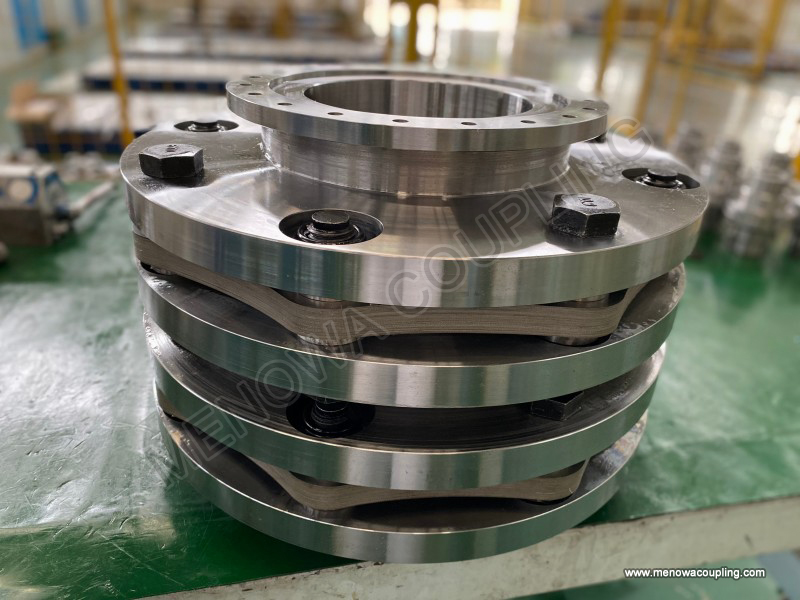
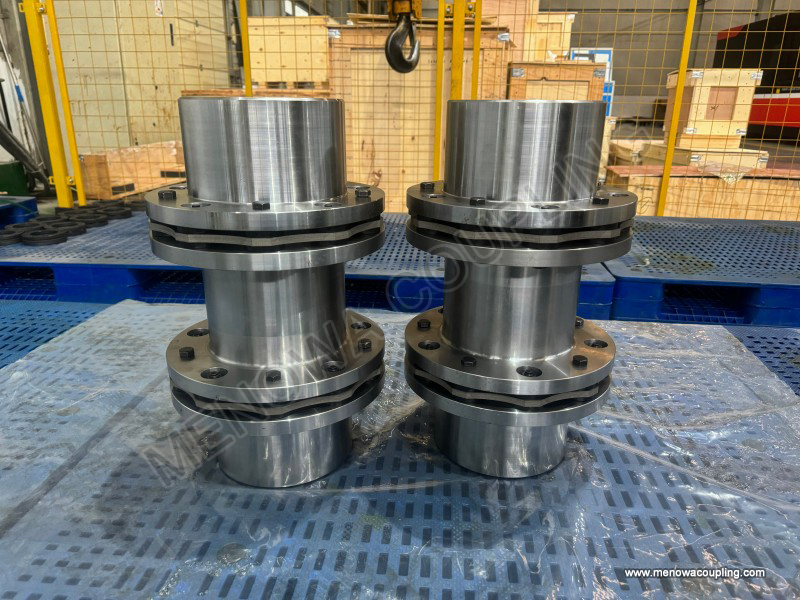
A flexible diaphragm coupling is a type of mechanical coupling that uses thin, flexible metal diaphragms to connect two shafts and transmit torque. Unlike rigid couplings, which require perfect alignment between shafts, flexible diaphragm couplings can compensate for axial, radial, and angular misalignments, which are common in industrial settings due to manufacturing tolerances, installation errors, thermal expansion, and operational wear. The core component of these couplings is the diaphragm, typically made from high-strength stainless steel or other durable metals, which is designed to flex under load without losing its structural integrity. The diaphragm is attached to two hubs, which are connected to the driving and driven shafts, creating a secure and flexible connection that allows for smooth power transmission even when misalignments are present.
The working principle of a flexible diaphragm coupling is based on the elastic deformation of the diaphragm. When torque is applied to the driving shaft, it is transferred through the hub to the diaphragm. The diaphragm then flexes to accommodate any misalignments between the two shafts and transmits the torque to the driven hub and shaft. The flexibility of the diaphragm ensures that the torque is transmitted evenly, reducing stress on both shafts and the coupling itself. Unlike couplings that use rubber or other elastic materials, which can degrade over time due to heat, oil, or chemical exposure, metal diaphragms are resistant to these factors, making them ideal for use in harsh industrial environments. Additionally, the absence of moving parts such as bearings or gears in the coupling means there is no need for lubrication, reducing maintenance requirements and the risk of contamination.
One of the key advantages of flexible diaphragm couplings is their ability to compensate for multiple types of misalignments. Axial misalignment occurs when the two shafts are not perfectly aligned along their central axis, which can happen due to thermal expansion or installation errors. Radial misalignment refers to a deviation in the radial position of the shafts, while angular misalignment occurs when the shafts are tilted relative to each other. Flexible diaphragm couplings can accommodate all three types of misalignments simultaneously, with the exact amount of compensation depending on the design and size of the coupling. This flexibility helps to reduce wear and tear on bearings, seals, and other components, extending the lifespan of the entire system.
Another significant benefit of flexible diaphragm couplings is their high torque transmission capacity. Despite their compact design, these couplings can transmit large amounts of torque without sacrificing flexibility or precision. This makes them suitable for use in high-power applications such as pumps, compressors, fans, and industrial motors. The use of high-strength materials in the diaphragm and hubs ensures that the coupling can withstand the stresses associated with high torque and high-speed operation. Additionally, the rigid connection between the diaphragm and hubs minimizes backlash, which is critical in applications where precise positioning and motion control are required, such as in machine tools, robotics, and precision manufacturing equipment.
Durability and long service life are also key characteristics of flexible diaphragm couplings. The metal diaphragms are designed to resist fatigue, even under constant flexing and high-stress conditions. Unlike rubber couplings, which can crack, degrade, or fail prematurely when exposed to high temperatures, chemicals, or oil, metal diaphragms are highly resistant to these factors. This makes flexible diaphragm couplings suitable for use in extreme environments, including high-temperature applications such as power generation,冶金, and chemical processing, as well as applications where exposure to oil, grease, or corrosive substances is common. With proper installation and maintenance, a flexible diaphragm coupling can last for many years, reducing the need for frequent replacements and minimizing downtime.
The compact and lightweight design of flexible diaphragm couplings is another advantage that makes them popular in many industries. Unlike bulky couplings such as gear couplings, which require significant space for installation, flexible diaphragm couplings have a small footprint, making them ideal for use in equipment with limited space. Their lightweight construction also reduces the overall weight of the system, which can improve energy efficiency and reduce the load on bearings and other components. Additionally, the simple design of these couplings makes them easy to install and remove, which can save time and labor during maintenance or replacement.
Flexible diaphragm couplings are used in a wide range of industries and applications, thanks to their versatility and performance. In the automotive industry, they are used in engine systems, transmissions, and drive trains, where they help to transmit torque while accommodating misalignments caused by engine vibration and thermal expansion. In the aerospace industry, they are used in aircraft engines and auxiliary systems, where high precision, reliability, and resistance to extreme conditions are critical. In the chemical and pharmaceutical industries, they are used in pumps, mixers, and other equipment that handles corrosive or hazardous materials, as their metal construction is resistant to chemical damage. They are also widely used in power generation, including thermal, hydro, and wind power plants, where they connect turbines, generators, and other components, ensuring efficient power transmission.
In addition to these industries, flexible diaphragm couplings are also used in food and beverage processing, where hygiene is a top priority. Since they do not require lubrication, they eliminate the risk of oil contamination, making them suitable for use in equipment that comes into contact with food products. They are also used in mining and construction equipment, where they can withstand the harsh conditions and heavy loads associated with these industries. In robotics and automation, their precision and low backlash make them ideal for use in robotic arms, conveyors, and other automated systems that require precise motion control.
When selecting a flexible diaphragm coupling for your application, there are several factors to consider. The first is the torque requirement, which will determine the size and design of the coupling. It is important to choose a coupling that can handle the maximum torque of your system, as well as any peak torques that may occur during operation. The second factor is the type and amount of misalignment that the coupling will need to accommodate. This will depend on the specific application and the installation conditions. It is important to select a coupling that can compensate for the expected misalignments without exceeding its design limits, as this can lead to premature failure.
The material of the diaphragm and hubs is another important consideration. Stainless steel is the most common material used for diaphragms due to its high strength, corrosion resistance, and fatigue resistance. Other materials, such as titanium or inconel, may be used for applications that require higher temperature resistance or greater strength. The hubs are typically made from steel, aluminum, or other durable metals, depending on the application requirements. It is also important to consider the operating temperature of the system, as extreme temperatures can affect the performance of the coupling. Flexible diaphragm couplings can operate in a wide range of temperatures, from very low to very high, but it is important to select a coupling that is designed for the specific temperature range of your application.
Installation and maintenance are also important factors to consider when selecting a flexible diaphragm coupling. Proper installation is critical to ensuring the coupling performs correctly and has a long service life. Before installation, it is important to clean the shafts and hubs to remove any dirt, debris, or corrosion, as this can affect the connection and lead to misalignments. The shafts should be aligned as closely as possible before installing the coupling, and the coupling should be mounted according to the manufacturer's instructions. It is also important to check the alignment after installation, as misalignments can occur during the installation process.
Maintenance requirements for flexible diaphragm couplings are minimal, thanks to their lubrication-free design. However, regular inspection is still necessary to ensure that the coupling is in good condition. During inspection, you should check for any signs of wear or damage to the diaphragm, hubs, or fasteners. If any cracks, deformation, or wear are detected, the coupling should be replaced immediately to prevent failure. It is also important to check the alignment of the shafts periodically, as misalignments can increase over time due to operational wear or thermal expansion. By performing regular inspections and maintenance, you can extend the service life of the coupling and ensure the smooth operation of your system.
Another consideration when selecting a flexible diaphragm coupling is the size and weight of the coupling, which should be compatible with the size and weight of the shafts and equipment. The coupling should be sized appropriately to fit the shafts, and its weight should not place excessive load on the bearings or other components. Additionally, the coupling should be designed to handle the rotational speed of the system, as high speeds can generate centrifugal forces that can affect the performance and durability of the coupling. It is important to select a coupling that is rated for the maximum rotational speed of your system.
Flexible diaphragm couplings are available in a variety of designs and configurations to suit different applications. Some couplings are designed for single diaphragm use, while others use multiple diaphragms for increased flexibility and torque capacity. Some couplings have a split design, which allows for easy installation and removal without disassembling the shafts, while others are designed as a single piece for maximum strength and rigidity. The choice of design will depend on the specific requirements of your application, including the type of misalignment, torque requirements, and installation conditions.
In conclusion, flexible diaphragm couplings are a reliable, efficient, and versatile solution for transmitting power between shafts in industrial machinery. Their ability to compensate for misalignments, high torque transmission capacity, durability, and low maintenance requirements make them ideal for use in a wide range of industries and applications. Whether you are looking for a coupling for a small-scale machine or a heavy-duty industrial system, flexible diaphragm couplings offer the performance and reliability you need. By considering the key factors such as torque requirements, misalignment compensation, material selection, and installation and maintenance needs, you can select the right flexible diaphragm coupling for your application, ensuring smooth operation and long-term reliability. With their compact design, high performance, and long service life, flexible diaphragm couplings are an excellent investment for any industrial operation looking to improve efficiency and reduce downtime.
Post Date: May 19, 2026
https://www.menowacoupling.com/china-coupling/flexible-diaphragm-coupling-for-sale.html
Products
Tags
Related Articles
What is Flexible Diaphragm Coupling
Flexible diaphragm coupling is a high-performance metal flexible transmission component widely used in modern mechanical shafting systems, designed to connect driving and driven shafts while achieving efficient torque transmission and adaptive compensation of shaft misalignment. Unlike traditional rigid couplings that r…Gap Chart of Flexible Diaphragm Coupling
The gap chart of flexible diaphragm couplings serves as a core technical reference that quantifies the spatial clearance parameters between key structural components under diverse operating conditions, laying a foundational role in installation calibration, operational condition monitoring, and service life prediction o…Working Principle of Flexible Diaphragm Coupling
Flexible diaphragm couplings are essential mechanical transmission components widely applied in modern industrial power transmission systems, serving as a critical bridge between driving and driven shafts to realize stable torque transmission while accommodating various shaft misalignments. Unlike rigid coupling structu…Maintenance of Flexible Diaphragm Coupling
Flexible diaphragm couplings serve as indispensable components in modern mechanical power transmission systems, designed to transmit torque between rotating shafts while compensating for minor axial, angular, and radial misalignments through the elastic deformation of metal diaphragm elements. Unlike rigid coupling stru…Flexible Diaphragm Coupling Production
The production of flexible diaphragm couplings is a sophisticated process that combines precision engineering, advanced material science, and strict quality control to create components that play a critical role in modern mechanical transmission systems. These couplings are designed to transmit torque between two shafts…Material of Flexible Diaphragm Coupling
Flexible diaphragm couplings stand as critical mechanical components in modern power transmission systems, renowned for their exceptional alignment compensation capability, high transmission efficiency, and maintenance-free operational characteristics. Unlike traditional flexible couplings that rely on elastomer deforma…
 WeChat
 WhatsApp