Flexible Diaphragm Coupling Production
The production of flexible diaphragm couplings is a sophisticated process that combines precision engineering, advanced material science, and strict quality control to create components that play a critical role in modern mechanical transmission systems. These couplings are designed to transmit torque between two shafts while compensating for axial, radial, and angular misalignments, ensuring smooth and efficient power transfer even in demanding operating conditions. Unlike traditional coupling types, flexible diaphragm couplings utilize thin, flexible metal diaphragms as the key elastic element, eliminating the need for lubrication and reducing maintenance requirements, which makes them ideal for a wide range of industrial applications. From the selection of raw materials to the final assembly and testing, every step in the production process is carefully executed to meet the high performance and reliability standards required by various industries, including aerospace, automotive, chemical processing, and manufacturing.
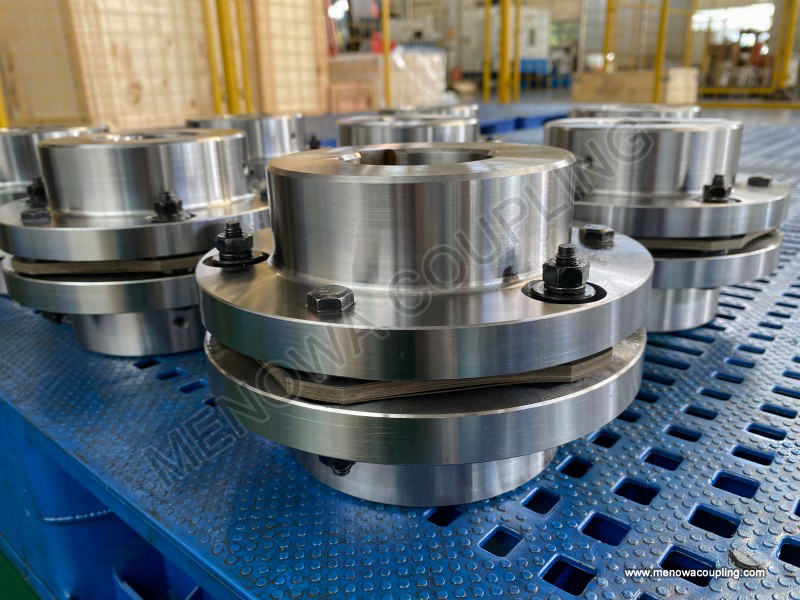
The foundation of high-quality flexible diaphragm coupling production lies in the careful selection of raw materials, as the performance and durability of the final product are directly dependent on the properties of the materials used. The primary components of a flexible diaphragm coupling include the diaphragms, hub assemblies, and connecting bolts, each requiring specific material characteristics to withstand the operational stresses they will encounter. Diaphragms, the core elastic element, are typically made from high-strength, corrosion-resistant metals that can endure repeated elastic deformation without fatigue failure. Common materials for diaphragms include stainless steel, alloy steel, and in some cases, titanium alloys, each chosen based on the specific application requirements such as temperature range, torque capacity, and environmental conditions. Stainless steel is widely used for its excellent corrosion resistance and good fatigue strength, making it suitable for applications in chemical plants, food processing facilities, and marine environments where exposure to moisture or corrosive substances is common. Alloy steel, on the other hand, offers higher tensile strength and rigidity, making it ideal for heavy-duty applications that require high torque transmission, such as in industrial machinery and power generation equipment. Titanium alloys are reserved for specialized applications, such as aerospace and high-temperature environments, due to their exceptional strength-to-weight ratio and resistance to extreme temperatures.
The selection of materials for the hub assemblies is equally important, as they must provide a secure connection between the coupling and the shafts while withstanding the torque and misalignment forces. Hubs are typically manufactured from carbon steel, alloy steel, or aluminum alloy, depending on the application's torque requirements and weight constraints. Carbon steel is commonly used for general-purpose applications due to its affordability and good mechanical properties, while alloy steel is preferred for high-torque applications where additional strength is needed. Aluminum alloy hubs are used in applications where weight reduction is a priority, such as in automotive and aerospace systems, as they offer a lightweight alternative without compromising on strength. Connecting bolts, which fasten the diaphragms to the hubs, are made from high-strength steel or alloy steel to ensure they can withstand the clamping forces and dynamic loads encountered during operation. The material selection process also involves considering factors such as thermal conductivity, wear resistance, and compatibility with other components to ensure the overall performance and longevity of the coupling.
Once the raw materials have been selected, the production process moves to the manufacturing of individual components, starting with the diaphragms. The production of diaphragms involves several precision machining steps to achieve the required thickness, shape, and surface finish. The process typically begins with cutting the raw material into blanks using methods such as laser cutting, plasma cutting, or waterjet cutting, which ensure clean, precise cuts with minimal material waste. Laser cutting is particularly preferred for its high precision and ability to cut complex shapes, making it ideal for creating the intricate patterns of holes and slots that are often required in diaphragm designs. After cutting, the blanks undergo a series of forming operations to shape the diaphragm into its final configuration. This may involve stamping, pressing, or rolling, depending on the thickness and shape of the diaphragm. For thinner diaphragms, stamping is used to create the necessary flexibility and shape, while thicker diaphragms may require rolling or pressing to achieve the desired curvature and strength.
Following the forming process, the diaphragms undergo heat treatment to enhance their mechanical properties, such as strength, toughness, and fatigue resistance. Heat treatment involves heating the diaphragms to a specific temperature, holding them at that temperature for a predetermined period, and then cooling them at a controlled rate. The exact heat treatment parameters vary depending on the material used; for example, stainless steel diaphragms may undergo annealing to reduce internal stresses and improve ductility, while alloy steel diaphragms may be quenched and tempered to increase hardness and strength. This step is critical in ensuring that the diaphragms can withstand the repeated elastic deformation required to compensate for shaft misalignments without developing cracks or failing prematurely. After heat treatment, the diaphragms are subjected to precision grinding or polishing to achieve the required surface finish, which helps reduce friction and improve the overall performance of the coupling.
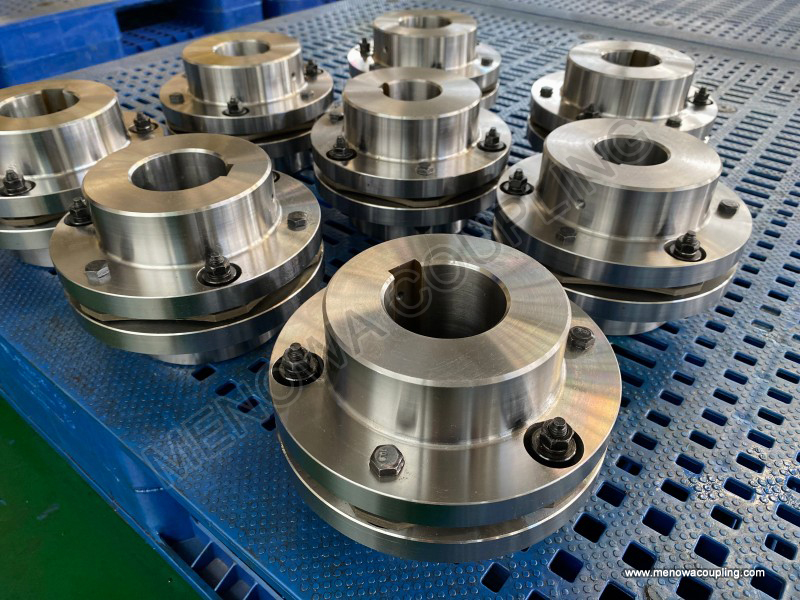
The manufacturing of hub assemblies involves a combination of machining processes to create the necessary features, such as keyways, splines, and bolt holes, that allow for a secure connection to the shafts and diaphragms. The process begins with turning, where the raw material is rotated on a lathe and cut to the desired diameter and length. Turning is used to create the outer and inner surfaces of the hub, ensuring precise dimensions and a smooth finish. Next, milling is used to create keyways or splines, which are essential for transmitting torque between the hub and the shaft. Milling involves using a rotating cutter to remove material from the hub, creating the required shape and size of the keyway or spline. Drilling and tapping are then used to create the bolt holes that will fasten the diaphragms to the hub. These holes must be drilled with high precision to ensure alignment with the holes in the diaphragms, as any misalignment can lead to uneven stress distribution and premature failure of the coupling. The hub assemblies are also subjected to heat treatment to enhance their strength and durability, similar to the diaphragms, and may undergo surface treatments such as galvanizing or painting to improve corrosion resistance.
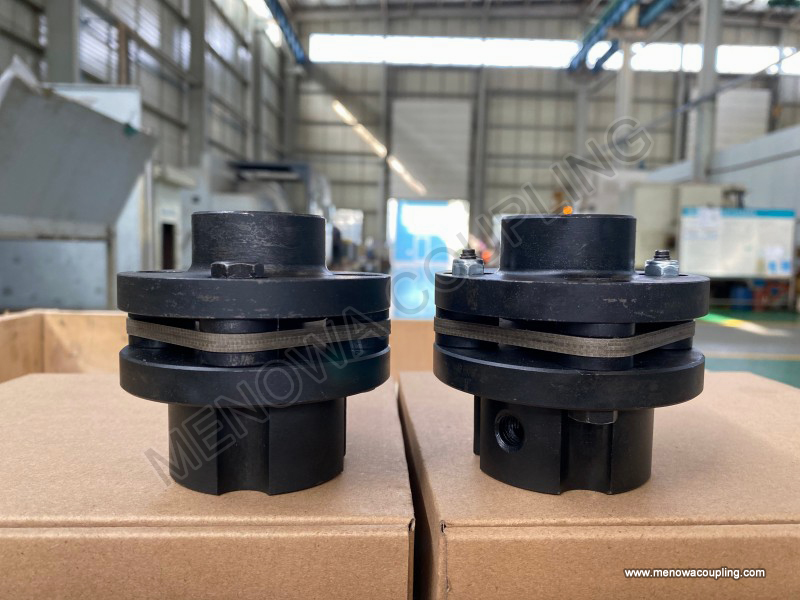
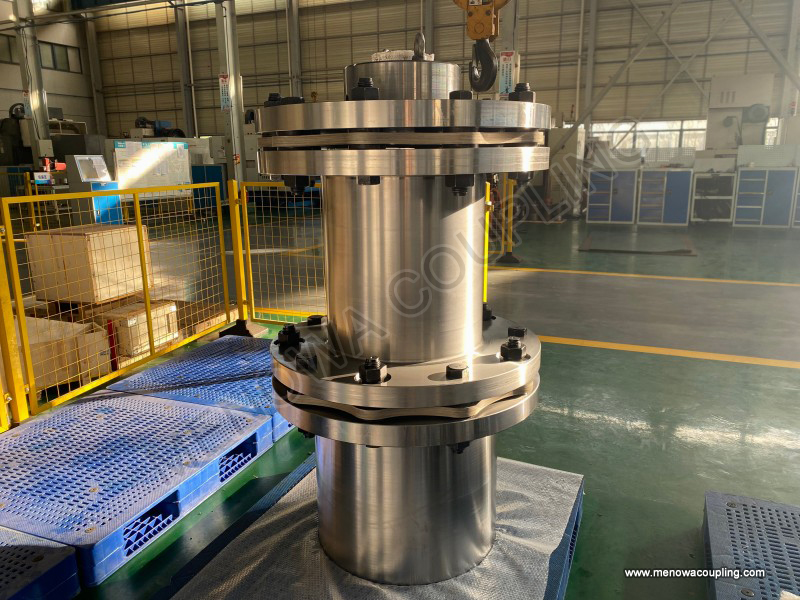
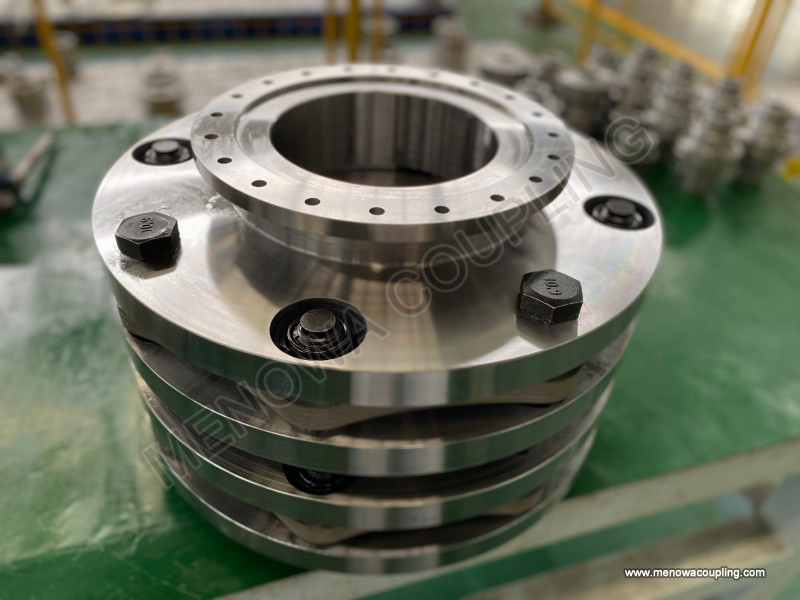
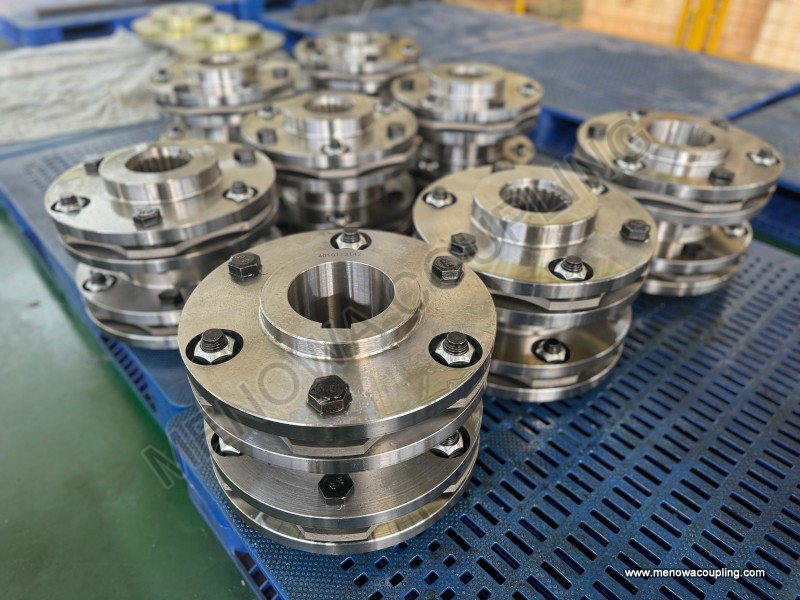
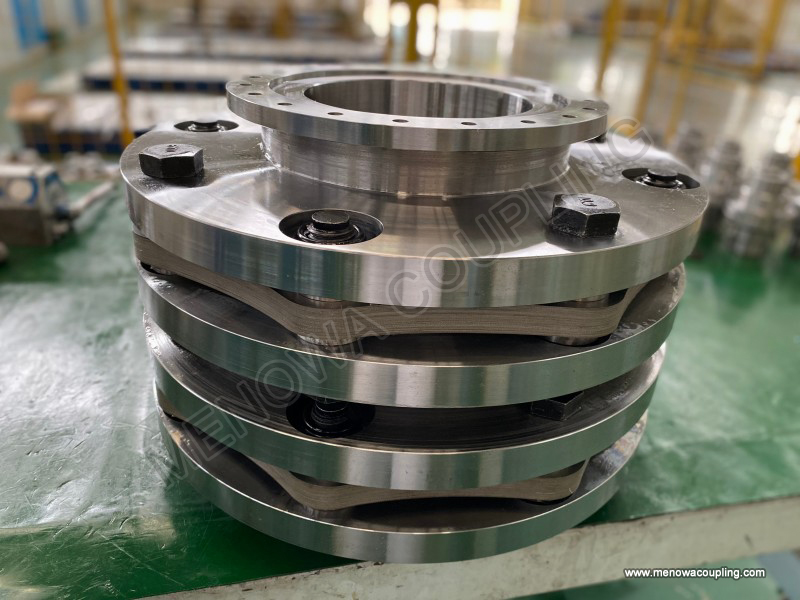
Once all individual components have been manufactured and inspected, the assembly process begins. The assembly of flexible diaphragm couplings requires careful precision to ensure that all components are aligned correctly and securely fastened. The process typically starts by attaching the diaphragms to one of the hub assemblies using the connecting bolts. The bolts are tightened to a specific torque to ensure a secure connection without damaging the diaphragms or hubs. It is important to use the correct torque settings, as over-tightening can cause the diaphragms to become rigid, reducing their ability to compensate for misalignments, while under-tightening can lead to loose connections and vibration. After attaching the diaphragms to the first hub, the second hub is aligned with the diaphragms and fastened in place using the same process. In some cases, multiple diaphragms are used in a single coupling to enhance flexibility and misalignment compensation, requiring careful alignment of all diaphragms to ensure even stress distribution.
During the assembly process, it is also important to ensure that the coupling is balanced to reduce vibration during operation. Unbalanced couplings can cause excessive vibration, which not only reduces the performance of the coupling but also can damage other components in the transmission system. Balancing is typically performed using a dynamic balancing machine, which measures the imbalance of the coupling and identifies the areas where material needs to be added or removed to achieve balance. The balancing process may involve drilling small holes in the hubs or diaphragms to remove excess material, or adding weights to specific locations to counteract any imbalance. This step is particularly critical for high-speed applications, where even small imbalances can lead to significant vibration and premature failure.
Quality control is an integral part of every stage of the flexible diaphragm coupling production process, ensuring that the final product meets the required specifications and performance standards. Raw materials are inspected for quality and consistency, with tests such as chemical analysis and mechanical testing to verify their composition and properties. During the manufacturing of components, in-process inspections are performed to check dimensions, surface finish, and other critical features. For example, the thickness of diaphragms is measured using precision calipers or micrometers to ensure it meets the design specifications, while the alignment of bolt holes is checked using coordinate measuring machines (CMMs) to ensure accuracy. After assembly, the finished couplings undergo a series of final tests to verify their performance, including torque testing, misalignment testing, and fatigue testing.
Torque testing involves measuring the maximum torque that the coupling can transmit without failure, ensuring it meets the design requirements for the intended application. Misalignment testing is performed to verify the coupling's ability to compensate for axial, radial, and angular misalignments, with measurements taken to ensure that the coupling can operate smoothly under these conditions. Fatigue testing is perhaps the most critical test, as it simulates the long-term operational conditions that the coupling will encounter, subjecting it to repeated cycles of torque and misalignment to ensure it can withstand extended use without failure. Fatigue testing may take place over several hours or days, depending on the application requirements, and the results are used to validate the design and material selection of the coupling. Additionally, visual inspections are performed to check for any defects such as cracks, burrs, or surface damage that could affect the performance of the coupling.
The production of flexible diaphragm couplings also involves continuous improvement and innovation to meet the evolving needs of various industries. Advances in material science have led to the development of new alloys and composites that offer improved performance, such as higher strength, better corrosion resistance, and lighter weight. For example, the use of advanced stainless steel alloys with enhanced fatigue resistance has extended the service life of diaphragms, while the development of lightweight aluminum alloys has reduced the overall weight of couplings, making them more suitable for automotive and aerospace applications. Technological advancements in machining processes, such as CNC machining and 3D printing, have also improved the precision and efficiency of component manufacturing, allowing for more complex designs and tighter tolerances. CNC machining provides high precision and repeatability, ensuring that each component is manufactured to the exact specifications, while 3D printing offers the ability to create complex shapes that would be difficult or impossible to achieve with traditional machining methods.
Another area of innovation in flexible diaphragm coupling production is the development of custom designs to meet specific application requirements. Many industrial applications have unique operating conditions, such as extreme temperatures, high torque, or corrosive environments, which require couplings that are tailored to these conditions. Custom designs may involve modifying the shape and thickness of the diaphragms, selecting specialized materials, or adjusting the hub configuration to ensure optimal performance. For example, in high-temperature applications, couplings may be designed with thicker diaphragms made from heat-resistant alloys, while in corrosive environments, diaphragms and hubs may be coated with specialized materials to improve corrosion resistance. The ability to provide custom designs is a key factor in meeting the diverse needs of customers and ensuring that flexible diaphragm couplings can be used in a wide range of applications.
In addition to the manufacturing process, the packaging and delivery of flexible diaphragm couplings are also important considerations to ensure that the products reach customers in good condition. Couplings are typically packaged in protective materials such as foam, cardboard, or plastic to prevent damage during transportation. The packaging is also designed to be easy to open and handle, allowing customers to quickly install the couplings in their equipment. Proper labeling is included on the packaging to provide information such as the product specifications, material type, and installation instructions, helping customers to correctly identify and use the couplings.
The role of flexible diaphragm couplings in modern mechanical systems cannot be overstated, as they provide a reliable and efficient means of transmitting torque while compensating for shaft misalignments. Their ability to operate without lubrication, resist corrosion, and withstand high temperatures and pressures makes them ideal for a wide range of applications, from small precision machinery to large industrial equipment. The production process of these couplings requires a high level of expertise and attention to detail, with each step carefully executed to ensure the final product meets the highest standards of quality and performance. As industries continue to evolve and demand higher performance from their equipment, the production of flexible diaphragm couplings will continue to advance, with new materials, technologies, and designs being developed to meet these changing needs.
One of the key challenges in flexible diaphragm coupling production is ensuring consistency in the performance of each unit. Due to the precision required in the manufacturing process, even small variations in material properties or machining tolerances can affect the performance of the coupling. To address this, manufacturers implement strict quality control measures throughout the production process, using advanced testing equipment and techniques to ensure that each component meets the required specifications. Additionally, continuous training of production personnel is essential to maintain the high level of skill and expertise needed to produce high-quality couplings. By investing in training and technology, manufacturers can ensure that their production processes are efficient, consistent, and capable of meeting the demands of their customers.
Another important consideration in flexible diaphragm coupling production is environmental sustainability. As industries become more focused on reducing their environmental impact, manufacturers are looking for ways to minimize waste, reduce energy consumption, and use more sustainable materials. In the production of flexible diaphragm couplings, this can involve using recycled materials where possible, optimizing machining processes to reduce material waste, and implementing energy-efficient manufacturing techniques. For example, laser cutting and CNC machining are more energy-efficient than traditional machining methods, reducing the overall energy consumption of the production process. Additionally, the use of corrosion-resistant materials can extend the service life of the couplings, reducing the need for replacement and minimizing waste.
In conclusion, the production of flexible diaphragm couplings is a complex and precise process that involves careful material selection, advanced machining techniques, strict quality control, and continuous innovation. From the selection of high-quality raw materials to the final assembly and testing, every step is designed to ensure that the couplings provide reliable, efficient, and long-lasting performance in a wide range of industrial applications. As technology continues to advance and industries demand higher performance from their equipment, the production of flexible diaphragm couplings will continue to evolve, incorporating new materials, manufacturing processes, and designs to meet the changing needs of the market. Whether used in aerospace, automotive, chemical processing, or manufacturing, flexible diaphragm couplings play a critical role in ensuring the smooth and efficient operation of mechanical transmission systems, making them an essential component of modern industry.
Post Date: May 19, 2026
https://www.menowacoupling.com/china-coupling/flexible-diaphragm-coupling-production.html
Products
Tags
Related Articles
Parts of Flexible Diaphragm Coupling
A flexible diaphragm coupling stands as a vital mechanical transmission component widely adopted in high-precision and high-speed industrial transmission systems, serving the core purpose of connecting driving and driven shafts to achieve stable torque transmission while compensating for diverse shaft misalignments gene…Flexible Diaphragm Coupling Wholesale
In the realm of industrial power transmission, the flexible diaphragm coupling stands out as a critical component that bridges the gap between rotating shafts, ensuring efficient, reliable, and precise power transfer across a wide range of applications. As industries continue to evolve and demand higher performance from…Flexible Diaphragm Coupling Exporter
In the global industrial transmission system, flexible diaphragm couplings have become an indispensable core component, widely used in various fields that require high-precision, high-reliability torque transmission. As a professional exporter focusing on flexible diaphragm couplings, we are committed to providing high-…Specification of Flexible Diaphragm Coupling
Flexible diaphragm couplings represent a pivotal category of metal elastic transmission components widely adopted in high-precision mechanical power transmission systems, serving the core function of connecting driving and driven shafts to achieve stable torque transmission while accommodating inevitable shaft misalignm…Classification of Flexible Diaphragm Coupling
Flexible diaphragm couplings are essential components in modern mechanical transmission systems, designed to connect two shafts while compensating for relative displacements caused by manufacturing errors, installation deviations, thermal expansion, or operational vibrations. Unlike rigid couplings that require precise …Flexible Diaphragm Coupling Factory
A flexible diaphragm coupling factory is a specialized manufacturing facility dedicated to producing high-performance flexible diaphragm couplings, which are essential mechanical components used to connect two rotating shafts in various industrial applications. These couplings play a critical role in transmitting torque…
 WeChat
 WhatsApp