Maintenance of Grid Spring Coupling
Grid spring couplings are widely used in various industrial transmission systems, serving as a critical connection between driving and driven shafts to transmit torque while compensating for axial, radial, and angular misalignments. Their unique structure, which relies on grid springs embedded in the tooth grooves of two half-couplings, provides excellent shock absorption and vibration damping performance, making them suitable for heavy-duty applications such as metallurgy, mining, cranes, and reducers. However, like all mechanical components, grid spring couplings require regular and proper maintenance to ensure their optimal performance, extend their service life, and prevent unexpected failures that can lead to costly downtime and production losses. Neglecting maintenance can result in accelerated wear of components, reduced transmission efficiency, and even catastrophic breakdowns that affect the entire equipment system. Therefore, establishing a systematic maintenance routine is essential for maximizing the reliability and longevity of grid spring couplings.
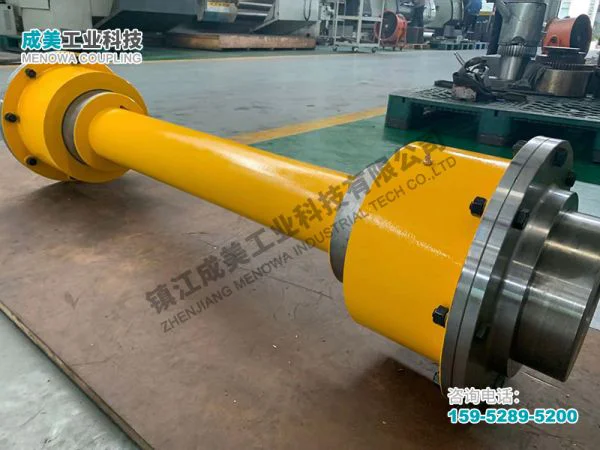
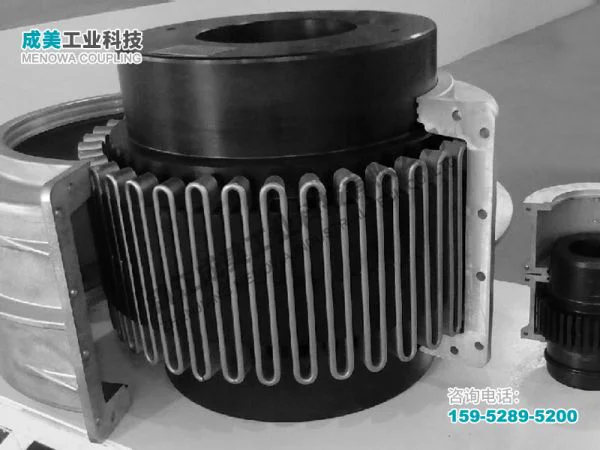
The first step in effective grid spring coupling maintenance is understanding its basic structure and working principles. A typical grid spring coupling consists of two half-couplings, a grid spring, a housing, and seals. The half-couplings are connected to the driving and driven shafts respectively, and the grid spring, usually made of high-quality spring steel经过 strict heat treatment, is embedded in the tooth grooves of the half-couplings to transmit torque. The housing, often made of aluminum alloy or cast iron, encloses the internal components to protect them from dust, debris, and external damage, while also containing lubricant to ensure smooth operation. Seals are installed to prevent lubricant leakage and the entry of contaminants. During operation, the grid spring undergoes elastic deformation as it transmits torque, which not only allows for slight misalignments between the two shafts but also absorbs shocks and vibrations, reducing the impact on connected equipment. This elastic deformation, however, also means that the grid spring is subject to repeated stress cycles, which can lead to fatigue over time if not properly maintained.
Daily inspection is the foundation of grid spring coupling maintenance, as it allows for the early detection of potential issues before they escalate into serious problems. Operators should conduct a visual and tactile inspection of the coupling before each operation and during routine equipment checks. During the inspection, special attention should be paid to the housing, which should be free from cracks, dents, or loose fasteners. Any damage to the housing can expose internal components to contaminants and increase the risk of lubricant leakage. The seals should also be inspected for signs of wear, aging, or damage, such as cracks, hardening, or oil stains around the seal area. Leaking lubricant not only reduces the lubrication effect but also indicates a potential seal failure that needs to be addressed promptly. Additionally, operators should check the connection bolts between the half-couplings and the shafts to ensure they are properly tightened. Loose bolts can cause misalignment, increased vibration, and even damage to the coupling or connected equipment. A torque wrench should be used to verify the tightness of the bolts, following the recommended torque specifications for the specific coupling size and application.
Another key aspect of daily inspection is monitoring the operating status of the coupling during operation. Unusual noises, such as squeaking, rattling, or grinding, can indicate a variety of issues, including insufficient lubrication, worn grid springs, misalignment, or loose components. Excessive vibration is another common warning sign, which may be caused by misalignment, unbalanced shafts, or damaged grid springs. Operators should also check the temperature of the coupling during operation; abnormal overheating can be a sign of poor lubrication, excessive friction, or overloading. If any of these abnormal conditions are detected, the equipment should be shut down immediately to prevent further damage, and the cause of the problem should be identified and resolved before restarting.
Regular disassembly and inspection of the grid spring coupling are necessary to assess the condition of internal components that cannot be observed during daily visual checks. Before starting the disassembly process, it is crucial to follow strict safety procedures to ensure the safety of the operator and prevent damage to the equipment. First, the equipment should be shut down and the power supply disconnected, with a clear warning sign placed to prevent accidental startup. The coupling should be allowed to cool down completely if it has been in operation, as high temperatures can cause burns and make components more difficult to handle. Next, the housing should be removed by loosening the bolts that secure it to the half-couplings. Care should be taken when removing the housing to avoid damaging the seals or internal components. Once the housing is removed, the grid spring can be accessed and carefully removed from the tooth grooves of the half-couplings. Special tools, such as tweezers or hooks, may be required to remove the spring, especially if it is tightly fitted. It is important to note that the grid spring is under compression during installation, so care should be taken to prevent it from popping out and causing injury.
After removing the grid spring, a thorough inspection of all internal components should be conducted. The grid spring itself should be checked for signs of wear, deformation, cracks, or fatigue. Worn areas on the spring can reduce its load-bearing capacity and shock absorption performance, while cracks or deformation can lead to sudden failure. The tooth grooves of the half-couplings should also be inspected for wear, pitting, or damage. Excessive wear on the tooth grooves can cause uneven force distribution on the grid spring, accelerating its wear and reducing the overall performance of the coupling. Additionally, the surfaces of the half-couplings should be checked for corrosion, which can weaken the structural integrity of the components. If any damage or excessive wear is detected, the affected components should be replaced promptly to ensure the coupling operates safely and efficiently. It is important to use replacement components that match the original specifications to maintain the coupling’s performance and compatibility.
Lubrication is a critical component of grid spring coupling maintenance, as it reduces friction between the grid spring and the tooth grooves, prevents corrosion, and dissipates heat. The type of lubricant used should be selected based on the operating conditions of the coupling, including temperature, load, and speed. In general, lithium-based grease is recommended for most applications, as it offers excellent resistance to centrifugal force, good thermal stability, and effective lubrication at a wide range of temperatures. However, for high-temperature applications, special high-temperature lubricants may be required to ensure optimal performance. It is important to avoid mixing different types of lubricants, as this can cause chemical reactions that reduce the lubricant’s effectiveness and may damage the coupling components.
The lubrication process should be carried out regularly, with the frequency depending on the operating conditions. For normal operating conditions, lubrication should be performed at least once a year, but for heavy-duty or high-speed applications, more frequent lubrication may be necessary. Before applying new lubricant, the old lubricant and any accumulated debris, such as metal particles or dust, should be thoroughly cleaned from the coupling’s internal components. This can be done using a clean cloth or a suitable solvent, ensuring that all surfaces are free from contaminants. Once cleaned, the lubricant should be applied evenly to the grid spring and the tooth grooves of the half-couplings, ensuring that all contact surfaces are fully coated. The housing should then be reassembled, and the seals checked to ensure they are properly seated to prevent lubricant leakage. The amount of lubricant applied should be sufficient to fill the internal cavity of the housing to approximately 70-80%, leaving enough space for the lubricant to circulate during operation. Overfilling can cause excessive pressure and heat, while underfilling can result in insufficient lubrication.
Misalignment is a common issue that can significantly affect the performance and service life of grid spring couplings. Even slight misalignments between the driving and driven shafts can cause uneven wear on the grid spring and tooth grooves, increase vibration, and reduce transmission efficiency. Therefore, proper alignment during installation and regular alignment checks during maintenance are essential. There are three types of misalignment that can occur: axial, radial, and angular. Axial misalignment occurs when the shafts are offset along their central axis, radial misalignment occurs when the shafts are parallel but not concentric, and angular misalignment occurs when the shafts are not parallel. To check for misalignment, specialized tools such as dial indicators or laser alignment tools can be used. These tools allow for precise measurement of the misalignment and help determine the necessary adjustments to correct it.
When correcting misalignment, the equipment should be shut down and the power disconnected. The half-couplings should be loosened from the shafts, and adjustments made to the position of the driven or driving equipment to align the shafts. This may involve adjusting the mounting feet of the motor or other equipment using shims or adjusting screws. Once the shafts are properly aligned, the half-couplings should be reattached to the shafts and the bolts tightened to the recommended torque. It is important to recheck the alignment after tightening the bolts to ensure that no additional misalignment was introduced during the process. Regular alignment checks, especially after any maintenance or equipment movement, can help prevent premature wear and failure of the coupling.
In addition to regular maintenance tasks, it is important to address common faults and issues promptly when they arise. One of the most common faults is grid spring failure, which can be caused by fatigue, excessive wear, corrosion, or overloading. Signs of spring failure include abnormal noise, increased vibration, or a sudden loss of torque transmission. If a spring fails, it should be replaced immediately, and the cause of the failure should be investigated to prevent future issues. Another common fault is lubricant leakage, which can be caused by damaged seals, loose housing bolts, or overfilling of lubricant. Leaks should be repaired promptly by replacing damaged seals or tightening loose bolts, and the lubricant level should be adjusted as needed.
Worn tooth grooves in the half-couplings are another common issue, often caused by misalignment, insufficient lubrication, or overloading. If the tooth grooves are excessively worn, the half-couplings may need to be replaced, as worn grooves can no longer properly support the grid spring and may cause it to fail prematurely. Loose connection bolts can also lead to misalignment and vibration, so regular checks and tightening of bolts are essential. In some cases, bolts may become worn or damaged, and they should be replaced with new bolts of the same size and material to ensure proper fastening.
Long-term maintenance planning is also important for ensuring the continued reliability of grid spring couplings. This includes keeping detailed records of all maintenance activities, including inspection dates, lubrication intervals, component replacements, and any faults encountered. These records can help identify patterns in wear and failure, allowing for adjustments to the maintenance schedule to prevent future issues. Additionally, operators and maintenance personnel should receive proper training on the maintenance and operation of grid spring couplings, including how to perform inspections, disassembly, lubrication, and alignment. Proper training ensures that maintenance tasks are performed correctly and safely, reducing the risk of damage to the coupling and equipment.
Environmental factors can also affect the performance and maintenance requirements of grid spring couplings. In harsh environments, such as those with high levels of dust, moisture, or corrosive substances, the coupling may require more frequent inspections and maintenance. For example, in dusty environments, the housing and seals should be checked regularly for dust accumulation, which can enter the coupling and cause wear. In corrosive environments, the coupling components may be more prone to corrosion, so additional protective measures, such as using corrosion-resistant materials or applying protective coatings, may be necessary. Additionally, extreme temperatures can affect the performance of the lubricant and the material properties of the coupling components, so adjustments to the lubrication schedule and type may be required in such conditions.
It is also important to note that grid spring couplings have a maximum load capacity and operating speed, and exceeding these limits can lead to premature failure. Therefore, the coupling should be selected based on the specific requirements of the application, and the operating conditions should be monitored to ensure they do not exceed the coupling’s specifications. Overloading the coupling can cause excessive stress on the grid spring and other components, leading to fatigue, deformation, and failure. Similarly, operating the coupling at speeds above its rated limit can increase centrifugal force, leading to lubricant leakage, component wear, and potential damage.
In conclusion, the maintenance of grid spring couplings is a critical aspect of ensuring the reliable and efficient operation of industrial transmission systems. By establishing a systematic maintenance routine that includes daily inspections, regular disassembly and inspection, proper lubrication, alignment checks, and prompt fault resolution, the service life of the coupling can be significantly extended, and the risk of unexpected failures can be minimized. Understanding the basic structure and working principles of the coupling, along with the specific maintenance requirements based on operating conditions, is essential for effective maintenance. Additionally, proper training of personnel and detailed record-keeping can help optimize the maintenance process and ensure that the coupling continues to perform at its best. By investing time and effort in regular maintenance, businesses can avoid costly downtime, reduce maintenance costs, and improve the overall reliability of their equipment systems.
Post Date: May 11, 2026
https://www.menowacoupling.com/china-coupling/maintenance-of-grid-spring-coupling.html
Supply
Related Articles
Grid Spring Coupling Production
Grid spring couplings are essential mechanical components widely used in various industrial applications to connect two rotating shafts, transmit torque, and compensate for axial, radial, and angular misalignments between them. Unlike rigid couplings that require precise alignment and offer no flexibility, grid spring c…Types of Grid Spring Coupling
Types of Grid Spring CouplingGrid spring couplings are essential components in mechanical power transmission systems, designed to connect two rotating shafts while accommodating misalignments, absorbing vibrations, and transmitting torque efficiently. Unlike rigid couplings that require precise alignment and offer no fl…Elastic Coupling Supply
In the realm of industrial power transmission, elastic couplings serve as a critical bridge between rotating shafts, enabling the smooth transfer of torque while mitigating the negative effects of misalignment, vibration, and shock loads. The supply of elastic couplings is a dynamic and essential component of modern man…Structure of Grid Spring Coupling
The grid spring coupling is a crucial component in industrial power transmission systems, designed to connect two rotating shafts while accommodating misalignments, absorbing vibrations, and protecting machinery from shock loads. Its unique structure combines the rigidity needed for efficient torque transmission with th…Grid Spring Coupling Vendor In China
In the global mechanical transmission industry, grid spring couplings play an indispensable role as key components that connect rotating shafts, transmit torque, and compensate for relative displacements between shafts. As one of the world’s largest manufacturing hubs, China has nurtured a large number of professional …Uses of Grid Spring Coupling
In the realm of mechanical power transmission, the grid spring coupling stands as a versatile and reliable component that plays a critical role in connecting rotating shafts across a wide range of industrial applications. Unlike rigid couplings that demand precise alignment and offer no flexibility, or flexible coupling…
 WeChat
 WhatsApp