Barrel Coupling Wholesale
Barrel couplings stand as indispensable mechanical transmission components in modern heavy industrial and general mechanical operation systems, serving as the key connecting medium between rotating shafts in diverse mechanical equipment sets. Their core working principle relies on precision-machined barrel-shaped rolling parts to complete stable torque transmission between connected shafts, while naturally accommodating minor angular deviation, axial displacement and radial offset that inevitably occur during long-term mechanical operation. For industrial enterprises, mechanical processing factories, engineering construction contractors and equipment maintenance service providers engaged in equipment supporting procurement and accessory replenishment, barrel coupling wholesale procurement work is not a simple one-time parts purchasing behavior, but an important link directly related to the stable operation of subsequent mechanical equipment, reduction of overall operating costs, extension of equipment service life and improvement of construction and production work efficiency. In the complex and diverse industrial supporting market environment today, mastering the core characteristics of barrel couplings, understanding the matching rules of different application scenarios, clarifying the key points of standardized wholesale selection and grasping the rational logic of long-term bulk procurement cooperation can help all types of procurement entities avoid unnecessary matching failures, equipment operation failures and subsequent additional maintenance and replacement costs, and lay a solid foundation for the stable and sustainable operation of all mechanical transmission systems in actual production and construction links.
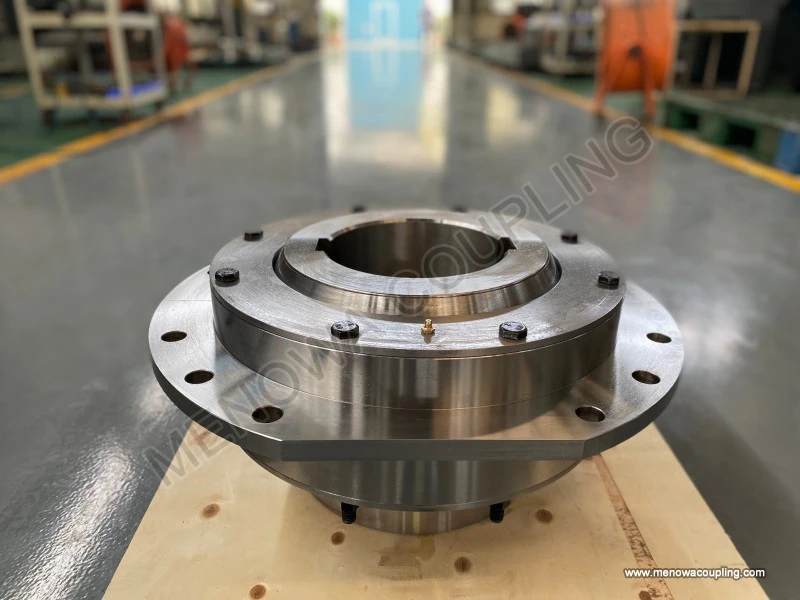
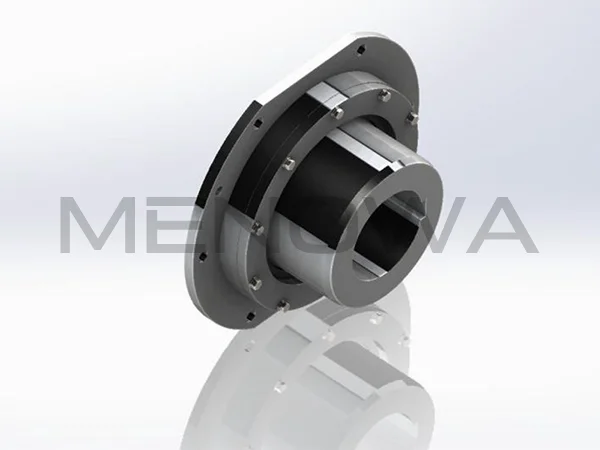
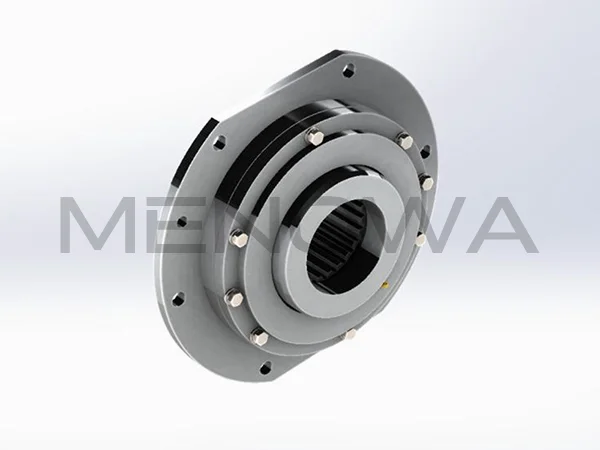
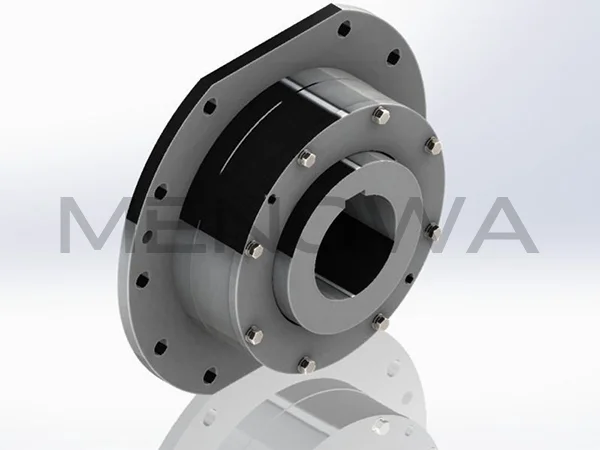
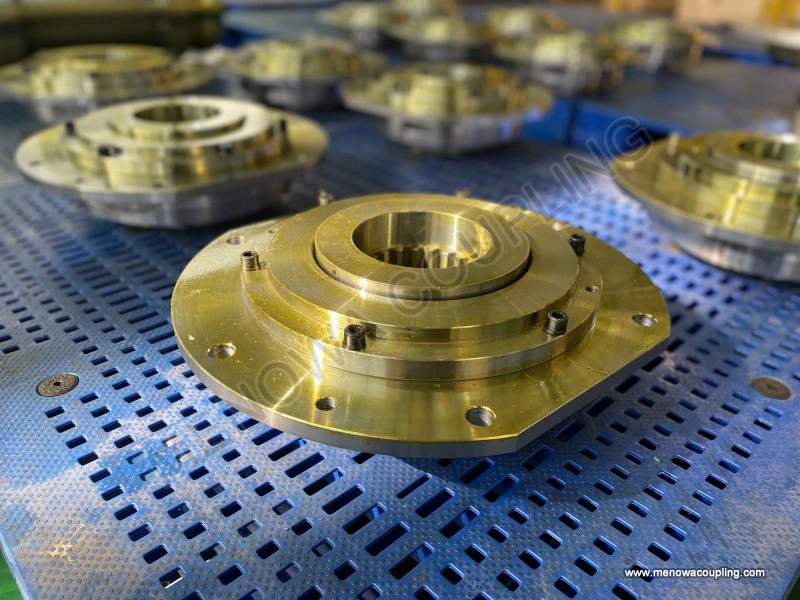
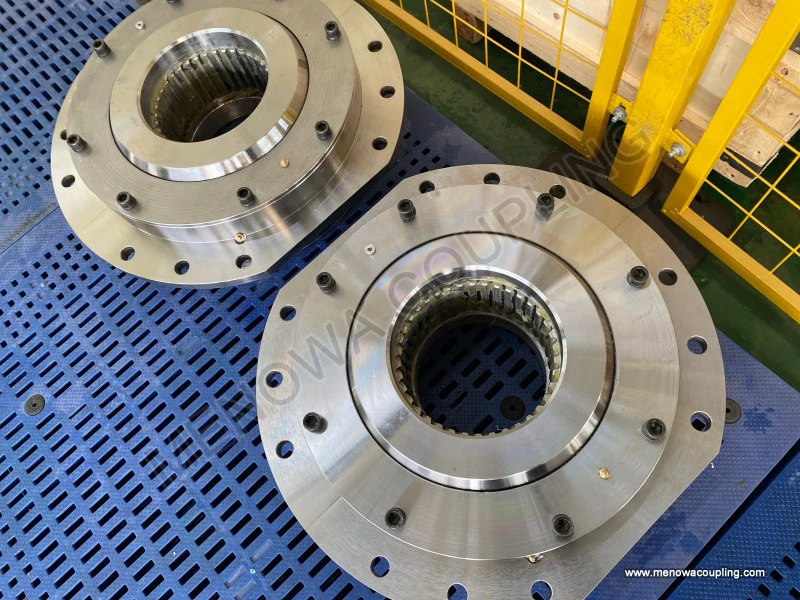
The basic structural design of barrel couplings determines their inherent application advantages in heavy-load and long-cycle mechanical operation scenarios. Different from other common coupling products with simple connection structures, barrel couplings adopt a combined structural form composed of hubs, sleeve bodies, precision barrel rolling components and auxiliary bushing parts. Each component is closely matched through fine processing technology, and the rolling contact parts in the core force-bearing area undergo special surface treatment processes to enhance surface hardness and overall wear resistance, while maintaining good core toughness of the material itself. This unique structural design enables barrel couplings to bear continuous high torque and complex radial loads in long-term working conditions, and effectively buffer the instantaneous impact force generated during equipment start-stop, load switching and variable-speed operation. In the actual running process of mechanical equipment, various small deviations and position offsets between driving shafts and driven shafts are unavoidable due to equipment installation errors, long-term mechanical vibration, component natural wear and thermal expansion and contraction caused by operating temperature changes. Ordinary rigid coupling products cannot adapt to these subtle displacement changes, which will lead to excessive local stress on the shaft connection parts, accelerated wear of shaft bodies and matching bearings, and even hidden dangers of shaft body deformation and component fracture in severe cases. Barrel couplings can well adapt to these objective displacement changes through the flexible compensation performance brought by their barrel rolling structure, always maintain the stability of torque transmission in various offset states, and ensure that the power output and power input of mechanical equipment remain synchronized and consistent without power transmission loss caused by position deviation.
Material selection is the core factor affecting the service life, bearing capacity and environmental adaptability of barrel couplings, and it is also a key consideration that wholesale procurement buyers need to focus on in the selection process. Most conventional barrel coupling main bodies are made of high-strength alloy steel materials, which have excellent overall structural stability and load-bearing performance after overall forging and subsequent heat treatment processing. This kind of material configuration is very suitable for conventional heavy-duty industrial scenarios such as mechanical processing equipment, hoisting and conveying machinery, and general industrial transmission equipment, and can maintain stable working performance under normal temperature and conventional working environment for a long time. For some special working environments with high corrosion risk, high humidity, frequent contact with chemical media or long-term outdoor open-air operation, barrel couplings made of optimized corrosion-resistant alloy materials can be selected, and the surface of the components can be treated with professional anti-corrosion and anti-rust protection processes to further enhance the ability to resist environmental erosion and avoid performance attenuation and component damage caused by rust, corrosion and medium erosion in the working process. The auxiliary bushing parts matched with barrel couplings mostly adopt copper alloy or special wear-resistant alloy materials, which can reduce the friction coefficient between rolling parts and contact surfaces, reduce friction loss during operation, and effectively reduce the heat generation of the coupling during high-speed and long-term continuous operation. Reasonable material matching not only improves the overall durability of barrel couplings, but also reduces the frequency of daily maintenance and regular replacement of components, which is of great significance for reducing the long-term operating cost of enterprise equipment and improving the overall operational efficiency of the production line. In the wholesale procurement link, buyers need to reasonably select the material configuration of barrel couplings according to the actual working environment, load intensity and operation cycle of their own supporting equipment, rather than blindly choosing single material specifications, so as to ensure that the purchased products can perfectly match the actual use needs and achieve the best use effect and cost performance.
Barrel couplings have a wide range of application coverage, involving almost all industrial fields that require mechanical power transmission and shaft connection matching, which also creates a stable and continuous market demand for barrel coupling wholesale business. In the hoisting machinery industry, barrel couplings are widely used in the matching connection between reducer power shafts and winding drums of various cranes and hoisting equipment. Hoisting equipment needs to bear alternating heavy loads frequently, and the equipment will generate large instantaneous impact force during lifting, falling and position adjustment operations. The stable torque transmission capacity and impact buffering performance of barrel couplings can ensure the safe and reliable operation of the winding transmission system, avoid transmission failure caused by load changes, and ensure the safety and stability of hoisting operation. In the steel processing and metallurgical industry, various rolling equipment, smelting auxiliary transmission equipment and material conveying machinery need to run continuously for a long time with high load and high strength. Barrel couplings can adapt to the long-term continuous operation state and harsh on-site working conditions of such equipment, maintain stable transmission performance under the dual effects of high load and mechanical vibration, and reduce the downtime loss caused by coupling failure and equipment shutdown maintenance. In the chemical and petroleum industry, various pumping equipment, compression equipment and mixing and stirring equipment operate in complex working environments such as high pressure, variable temperature and corrosive medium contact. The corrosion-resistant and stable structural characteristics of barrel couplings can meet the special use requirements of these special scenarios, ensure the continuous and stable operation of chemical production equipment, and avoid production interruption caused by transmission component damage.
In addition to heavy industrial fields, barrel couplings also play an important role in general manufacturing, building construction machinery, port logistics conveying equipment and water conservancy and electric power supporting equipment. Building construction machinery such as concrete mixing equipment and engineering excavator supporting transmission machinery need to adapt to complex construction site working conditions and frequent mobile operation. Barrel couplings can cope with vibration, impact and variable load changes in construction operation, and ensure the normal operation of construction machinery in different working states. Port logistics conveying equipment such as belt conveyors and container handling auxiliary machinery need to run continuously for a long time with stable power transmission. The durable performance of barrel couplings reduces the failure rate of conveying equipment and ensures the efficient progress of port cargo handling and logistics transportation work. Water conservancy and electric power equipment such as water pump units and power generation auxiliary transmission equipment need long-term stable and low-failure operation, and the reliable connection and transmission performance of barrel couplings provide a solid guarantee for the stable operation of water conservancy and electric power supporting facilities. The wide application demand in various industries makes barrel couplings always maintain a stable market supply and demand relationship, and also makes wholesale procurement become the main procurement mode for most industrial enterprises and equipment supporting merchants, because bulk wholesale procurement can better meet the needs of enterprise equipment batch supporting, regular maintenance and emergency parts reserve.
For procurement enterprises and merchants, barrel coupling wholesale procurement has obvious comprehensive advantages compared with scattered retail procurement, which are mainly reflected in product supply stability, procurement matching flexibility and subsequent service guarantee. In terms of supply stability, long-term wholesale cooperation can ensure that buyers have a stable and sufficient product supply channel, avoid the problem of insufficient spot inventory and delayed delivery cycle often encountered in scattered procurement, and ensure that enterprises will not affect production and equipment maintenance progress due to the shortage of coupling parts. In the industrial production and equipment operation process, once the key transmission coupling parts are damaged and cannot be replaced in time, it will lead to equipment shutdown and production interruption, resulting in greater economic losses. Long-term wholesale bulk procurement can establish a stable parts reserve mechanism for enterprises, and quickly complete parts replacement and equipment maintenance when needed, shortening equipment downtime to the greatest extent. In terms of product matching flexibility, regular wholesale suppliers usually have complete product specifications and models, covering different sizes, load levels, material configurations and structural types of barrel couplings, which can meet the differentiated matching needs of different equipment models and different working condition scenarios of buyers. Buyers can select and match appropriate coupling products according to the actual parameters of their own equipment and working environment requirements, and can also carry out reasonable customized matching procurement according to special equipment use needs to ensure that the purchased couplings are highly compatible with the actual equipment operation.
In terms of subsequent use and maintenance support, long-term wholesale cooperation can form a stable communication and docking mechanism between suppliers and procurement buyers. Suppliers can provide buyers with professional product selection guidance, installation and matching suggestions and daily maintenance tips, helping enterprise technical personnel correctly install and use barrel couplings, standardize daily maintenance operations, and extend the service life of couplings and supporting equipment. Professional wholesale suppliers have rich experience in product production and market matching, can accurately grasp the performance characteristics and application scope of different specifications of products, and can give targeted selection suggestions according to the actual production and operation conditions of buyers, avoiding procurement risks caused by improper model selection and material mismatch. In addition, long-term wholesale cooperation is more conducive to timely communication and handling of product after-sales related matters. In the process of bulk use of products, if there are individual product quality problems or matching adaptation problems, the two parties can quickly complete communication and solution processing, ensuring the legitimate rights and interests of procurement buyers and the normal use of products.
In the actual process of barrel coupling wholesale procurement, there are several practical selection and procurement principles that procurement personnel need to strictly follow to ensure the rationality and effectiveness of procurement work. First of all, the procurement selection must be based on the actual working condition parameters of the equipment, including the torque required for equipment operation, the rotating speed of the transmission shaft, the magnitude of radial and axial load, the working temperature range of the equipment operating environment, the humidity and corrosion degree of the working site, and the continuous operation cycle of the equipment. All these parameters directly determine the material specification, structural model and performance level of the required barrel couplings, and only products selected in strict accordance with actual working conditions can maintain stable operation and long service life. Secondly, in the wholesale procurement process, attention should be paid to the overall processing technology and production quality of the products. High-quality barrel couplings need to undergo precise machining, standardized heat treatment and strict surface treatment processes in the production process, with smooth and flat matching surfaces, precise component matching gaps and stable overall structural performance. Procurement buyers can understand the production process and quality control standards of products through product process details and product actual sample observation, and select products with reliable production quality to avoid purchasing rough-processed products with hidden quality troubles.
Third, wholesale procurement needs to focus on the long-term cost performance of products, not only focusing on the initial procurement input, but also comprehensively considering the service life, maintenance frequency and replacement cycle of products. Products with reliable quality and stable performance may have a reasonable initial procurement cost, but they have long service life, low failure rate and less subsequent maintenance and replacement costs, which can effectively reduce the comprehensive operating cost of enterprises in the long run. On the contrary, some products with low production standards and low short-term procurement cost are prone to rapid wear, performance attenuation and frequent failure in the use process, requiring frequent maintenance and repeated replacement, which will increase the long-term comprehensive use cost of enterprises and affect the stable operation of production and equipment. Fourth, wholesale procurement buyers need to focus on the delivery cycle and supply stability of suppliers, especially for enterprises with continuous production needs and large equipment maintenance volume. Stable and timely product delivery can ensure the normal progress of enterprise production and equipment maintenance work, avoid production and operation losses caused by delayed supply of parts.
With the continuous upgrading of modern industrial production technology and the continuous expansion of industrial production scale, the market demand for barrel couplings is also showing a steady growth trend, and the requirements for product performance, quality precision and environmental adaptability are also constantly improving. More and more industrial enterprises begin to pay attention to the quality stability and long-term use effect of mechanical transmission components, and gradually abandon the temporary scattered procurement mode, and turn to long-term and stable barrel coupling wholesale bulk procurement cooperation. This procurement mode not only helps enterprises optimize procurement management processes and reduce procurement management costs, but also ensures the unity and stability of product quality for equipment supporting and maintenance, and is conducive to the standardized management of enterprise equipment accessories. In the future industrial development process, with the continuous innovation of production and processing technology of barrel couplings and the continuous optimization of product structural design and material formula, the application scope of barrel couplings will be further expanded, and the market demand for wholesale procurement will also be more stable and standardized. For all participants in the barrel coupling wholesale market, adhering to the concept of quality priority and matching on demand, doing a good job in product quality control and procurement service docking, can better meet the development needs of industrial enterprises, and jointly promote the stable operation and efficient development of various industrial mechanical transmission systems.
Post Date: Apr 25, 2026
https://www.menowacoupling.com/china-coupling/barrel-coupling-wholesale.html
Supply
Related Articles
Drum Coupling Wholesale
In the vast and intricate landscape of modern industrial mechanical transmission systems, every small component plays an irreplaceable role in maintaining the smooth operation of entire production lines and mechanical equipment. Among these core mechanical parts, drum couplings stand out as a vital connecting component …Barrel Coupling For Drums
In the complex and demanding landscape of industrial power transmission systems, the reliable connection between drive components and load-bearing operating parts stands as a foundational factor in maintaining stable mechanical operation across heavy-duty working scenarios. Among the critical connecting components speci…
 WeChat
 WhatsApp