Menowa is a gear couplings supplier from china, wholesale and direct sales brake drum gear couplings,crown gear couplings,gear type couplings,curved tooth gear couplings,spherical gear couplings,face gear couplings,full gear couplings,flexible drive gear couplings,toothed couplings,curved tooth couplings at a reasonable price.
-
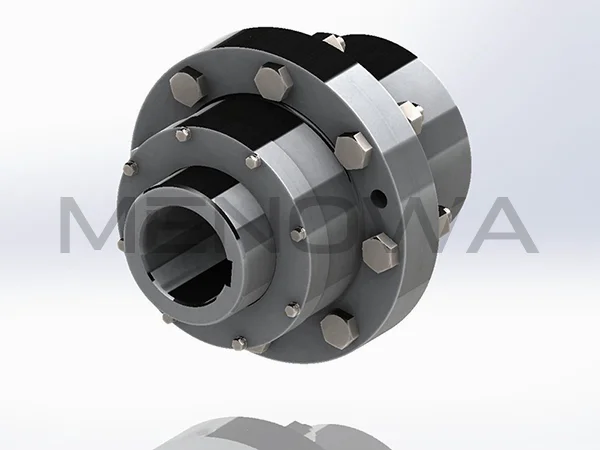 CLZ Drum Gear Coupling
 -
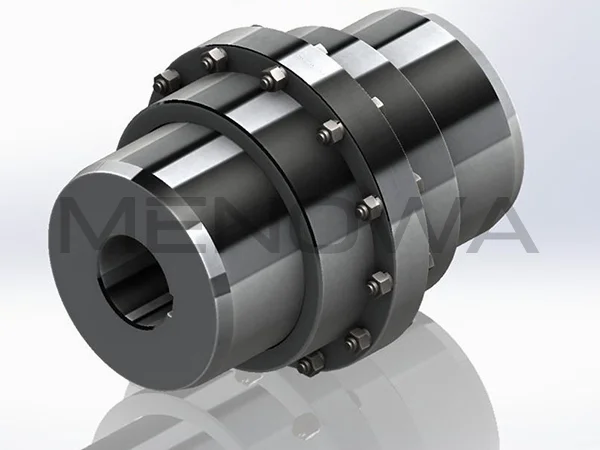 GCLD Drum Gear Coupling
 -
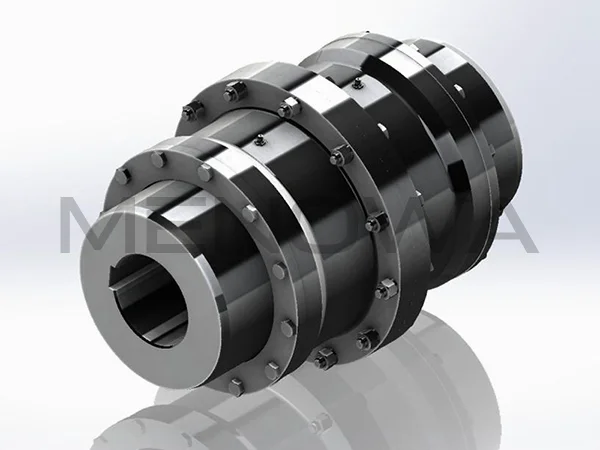 GICL Drum Gear Coupling
 -
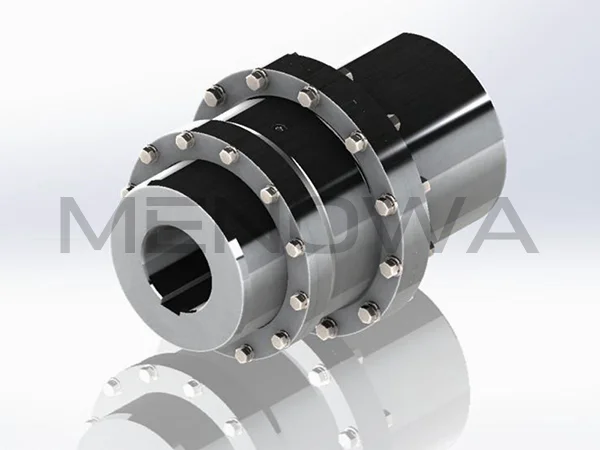 GICLZ Drum Gear Coupling
 -
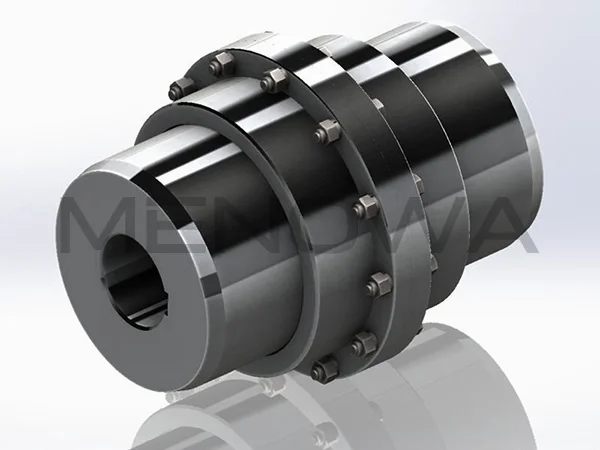 GIICL Drum Gear Coupling
 -
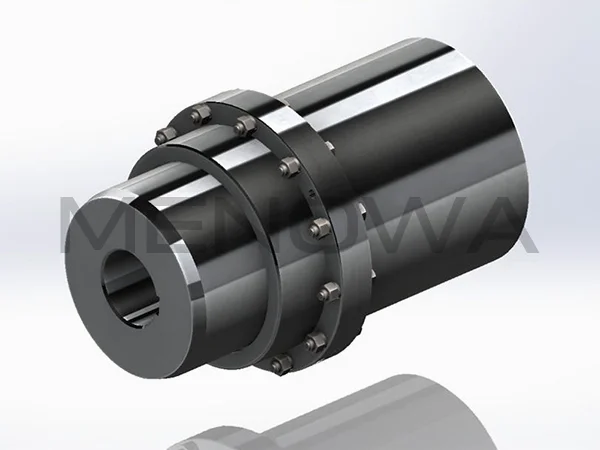 GIICLZ Drum Gear Coupling
 -
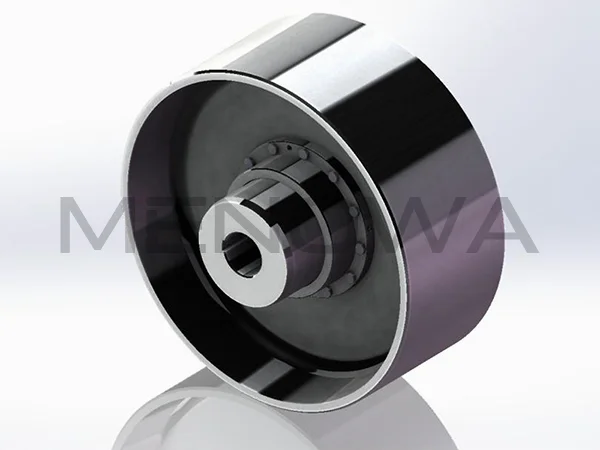 NGCL Drum Gear Coupling
 -
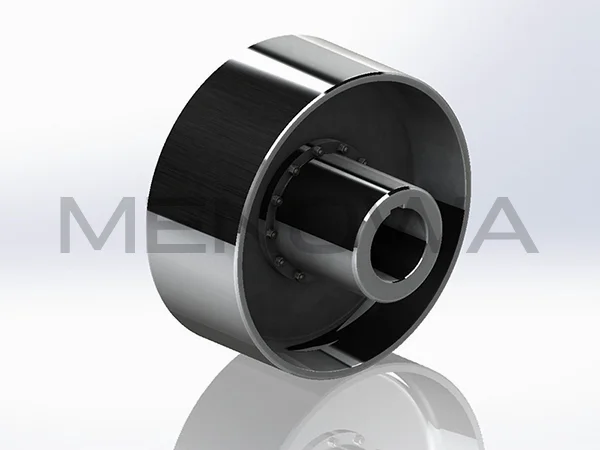 NGCLZ Drum Gear Coupling
 -
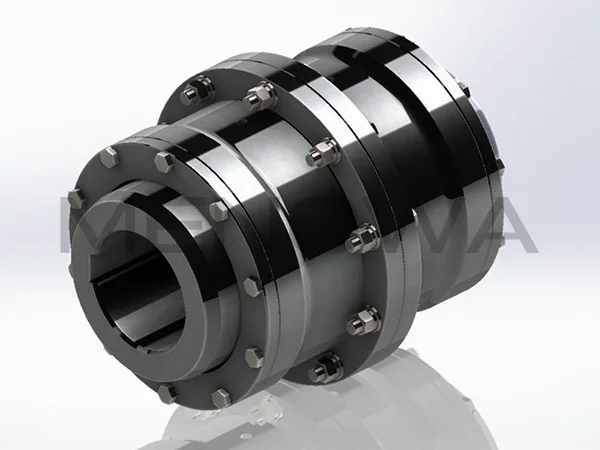 WGC Drum Gear Coupling
 -
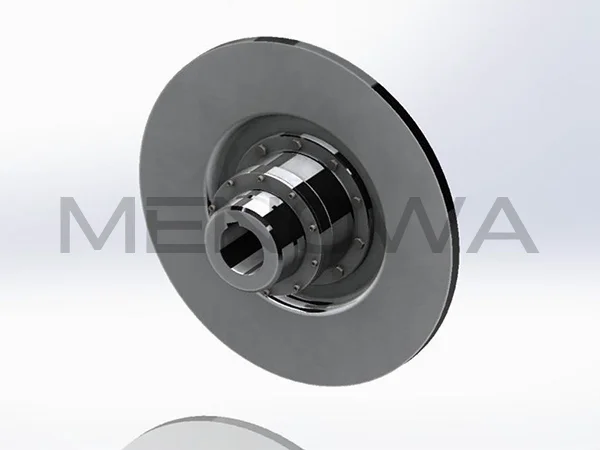 WGP Drum Gear Coupling
 -
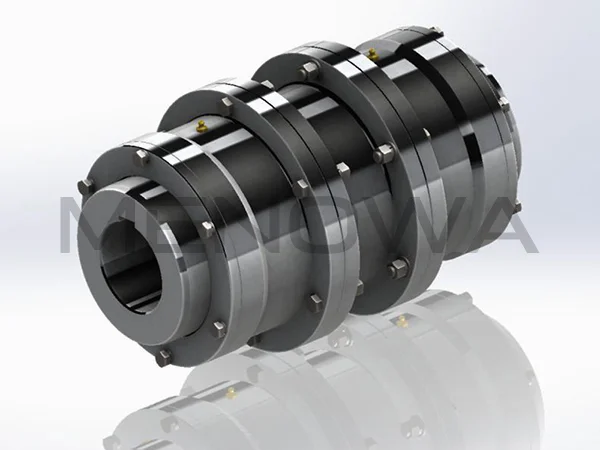 WGT Drum Gear Coupling
 -
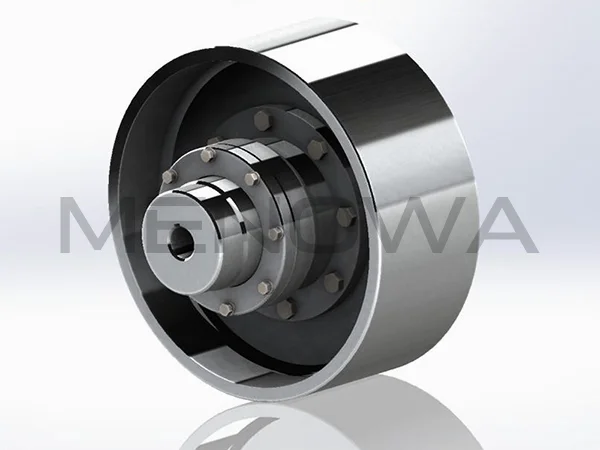 WGZ Drum Gear Coupling
Menowa gear coupling, used for low-speed and heavy-duty conditions, such as metallurgy, mining, lifting and transportation industries, but also suitable for petroleum, chemical, general machinery and other types of machinery shafting drive. Menowa gear coupling is characterized by large transmission torque, large tooth surface contact area, uniform force, can with stand large torque and tooth surface contact area, uniform force, thereby reducing tooth surface wear and noise, improve the service life of the coupling。The drum gear coupling is simple in structure, easy to disassemble, easy to maintain and replace, and is suitable for mechanical equipment under various speed, torque and temperature conditions. Menowa coupling is often used in the transmission system of large equipment, such as steel, mining, petrochemical and other industries.
Drum gear coupling is a widely used rigid flexible coupling device in the field of industrial transmission. With its unique structural design and excellent performance characteristics, it has become an indispensable key component in modern mechanical transmission systems. Drum gear coupling belongs to a type of rigid flexible coupling, consisting of internal gear rings with the same number of teeth and flange half couplings with external teeth. Its most prominent feature is the drum shaped design of the external teeth (also known as spherical teeth), which has superior performance compared to traditional spur gear couplings.
Crown gear coupling is a coupling device that transmits torque through drum shaped gear meshing, and can compensate for radial, axial, and angular deviations between two connected shafts. The so-called drum shaped teeth refer to the outer teeth being made into a spherical shape, with the center of the spherical surface located on the gear axis, and the tooth side clearance being larger than that of ordinary gears. With the development of industrial technology, the requirements for technical indicators such as bearing capacity, reliability, and efficiency of couplings are becoming increasingly high. The Drum gear coupling is developed based on the straight tooth coupling to meet technical requirements such as large inclination angle, variable inclination angle, small size, and high reliability. At present, Drum gear couplings have been widely used in heavy industry fields such as metallurgy, mining, lifting and transportation, petrochemicals, and steel rolling machinery.
The curved tooth coupling is mainly composed of the following components:
- Internal gear ring: a structure with straight internal gears, usually connected to the equipment shaft end
- External gear shaft sleeve: a flange half coupling with drum shaped external teeth, connected to another equipment shaft end
- Sealed end cap: a sealing device that prevents lubricant leakage and contamination from entering
- Connecting bolts: fastening the connecting components of each part of the coupling
- Lubrication system: including lubrication structures such as oil holes and oil grooves (some models are equipped with forced thin oil lubrication system)
The core feature of drum shaped teeth is their unique tooth design:
- The tooth tip of the external gear shaft sleeve is processed into a circular arc shape, and the tooth blank is spherical
- In the cross-section of the tooth center plane and tangent to the cylindrical surface, the tooth shape is drum shaped
- The tooth thickness gradually decreases from the center to both ends, forming a trumpet shaped tooth end
This design makes the entire coupling a flexible structure with double joints, which can adapt to large deflection angles between the two axes.
Drum gear couplings transmit torque and rotational motion through the meshing of internal and external teeth. When there is relative displacement between the two axes:
- Angular displacement compensation: The drum shaped tooth surface improves the contact conditions between the inner and outer teeth, avoiding the problem of tooth end edge compression in straight tooth couplings under angular displacement conditions
- Radial displacement compensation: The increased tooth flank clearance allows for a certain radial offset
- Axial displacement compensation: Some models (such as WGT type with intermediate sleeve) allow axial movement
During the working process, when there is relative angular displacement between the two shafts, the tooth surfaces of the inner and outer teeth will periodically slide axially, so good lubrication is needed to reduce wear.
Compared with traditional spur gear couplings, drum gear couplings have the following significant advantages:
- High carrying capacity
Under the same outer diameter of the inner gear sleeve and the maximum outer diameter of the coupling, the load-bearing capacity of the drum shaped coupling is on average 15-20% higher than that of the straight toothed coupling. Calculated based on bending strength, torque transmission can be increased by 15-30% under the same conditions. - Strong displacement compensation capability
Angular compensation: When the radial displacement is zero, the allowable angular displacement of a straight toothed coupling is usually 1 °, while a drum toothed coupling can reach 1 ° 30 ′, an increase of 50%
Radial compensation: Drum shaped design allows for greater radial deviation
Axial compensation: Some models are designed to allow for a certain amount of axial movement - High transmission efficiency
The transmission efficiency of the Drum gear coupling is as high as 99.7%, with minimal energy loss. - Long service life
The drum shaped tooth surface improves contact conditions, avoids stress concentration, optimizes tooth friction and wear conditions, reduces noise, and extends maintenance cycles. - Easy installation and maintenance
The outer gear sleeve has a trumpet shaped tooth end, making it very convenient to assemble and disassemble the inner and outer teeth. Some models adopt a separate design, which is more convenient for on-site installation and adjustment. - compact structure
Compared to other types of couplings, drum toothed couplings have smaller radial dimensions and turning radii under the same torque transmission capacity.
Classified by structure
- GICL/GIICL Series: Basic Drum Gear Coupling
- GCLD type: Drum gear coupling with intermediate sleeve
- WGP type: Drum gear coupling with brake disc
- WGC type: Vertical installation Drum gear coupling
- WGZ type: Drum gear coupling with brake wheel
- WGT type: connected to the middle sleeve Drum gear coupling
- TGL type: Nylon inner ring gear Drum gear coupling
- NGCL type: Drum gear coupling with brake wheel
Different models of curved gear couplings cover a wide range of specifications:
- Nominal torque: ranging from 0.4kN · m to 4500kN · m
- Shaft hole diameter: 16mm to 1200mm
- Allowable speed: up to 4000r/min (high-precision dynamic balancing model)
Special design model
- High speed type: After precision dynamic balancing treatment, it is used in high-speed applications such as gas turbines
- Corrosion resistant type: using special materials and surface treatment, used in corrosive environments such as chemical industry
- Heavy duty: Strengthen structural design for extreme working conditions such as metallurgy and mining
When choosing a Drum tooth coupling, the following factors need to be considered:
- Transmission torque: Calculate the required torque based on the driving power and speed
- Shaft diameter size: Ensure that the coupling aperture matches the shaft diameter
- Displacement situation: Evaluate the possible angular, radial, and axial deviations of the system
- Environmental conditions: including temperature, humidity, corrosiveness, etc
- Speed range: Ensure that the working speed is within the allowable range
- Special requirements: such as the need for brake wheels, vertical installation, etc
- Space limitations: Consider size constraints for installation space
Drum tooth couplings are particularly suitable for low-speed and heavy-duty working conditions, and their main application areas include:
- Metallurgical industry: main drive for rolling mills, continuous casting equipment, metallurgical cranes, sintering equipment.
- Mining and lifting transportation: Mine hoists, bucket wheel excavators, port cranes, belt conveyors.
- Petrochemical industry: compressors, pump sets, reactor mixing devices, pipeline transportation equipment.
- Electric energy: gas turbine, generator, wind power equipment, water turbine.
- Other industrial fields: ship propulsion systems, paper machinery, cement equipment, general mechanical transmissions.
Drum gear coupling as an efficient and reliable transmission component, plays an important role in modern industry. Its unique drum shaped tooth design solves the limitations of traditional couplings in terms of compensation and load-bearing capacity, making it the preferred choice for heavy-duty, high-precision transmission systems.
Correctly selecting, installing, and maintaining crown gear couplings can not only ensure the reliable operation of the transmission system, but also extend the service life of the equipment and reduce maintenance costs. For engineering and technical personnel, it is of great significance to have a deep understanding of the principles and characteristics of Drum gear couplings, and to master their selection and application skills for equipment design and maintenance work.
In the complex and interconnected world of industrial machinery, the role of coupling devices cannot be overstated. These critical components serve as the bridge between rotating shafts, enabling the seamless transfer of torque while accommodating inevitable misalignments and operational stresses. Among the diverse range of couplings available, Toothed Coupling, Drum Gear Coupling, and Crown Gear Coupling stand out for their robustness, torque-bearing capacity, and adaptability to demanding working conditions.
To begin with, it is essential to establish a foundational understanding of Toothed Coupling, as it represents the broader category under which specialized variants like Drum Gear Coupling and Crown Gear Coupling fall. At its core, a Toothed Coupling is a rigid-flexible coupling device that relies on the meshing of internal and external gear teeth to transmit torque between two shafts. Typically composed of two outer gear sleeves (equipped with external teeth) and two inner gear rings (featuring internal teeth), this coupling design leverages the precision engagement of gear teeth to ensure efficient power transfer. The gear teeth are usually cut using involute profiles, a choice driven by the profile’s ability to maintain smooth meshing even with minor misalignments and distribute loads evenly across the tooth surface. Unlike flexible couplings that use elastic elements to absorb vibrations and compensate for misalignments, Toothed Couplings achieve flexibility through the geometric design of their gear teeth and the clearance between meshing components. This structural characteristic grants Toothed Couplings a distinct advantage in high-torque applications, as they can transmit large amounts of power without the deformation or fatigue risks associated with elastic elements.
The operational efficiency of Toothed Couplings is closely tied to their design parameters, including tooth modulus, number of teeth, tooth width, and surface treatment. The modulus of the gear teeth directly influences the coupling’s torque-bearing capacity—larger moduli result in thicker, stronger teeth capable of withstanding higher loads. The number of teeth and tooth width affect the contact area between meshing components; a greater contact area reduces surface pressure, minimizing wear and extending service life. Surface treatments such as carburizing, quenching, and tempering are commonly applied to the gear teeth to enhance hardness and wear resistance, critical for withstanding the frictional forces generated during operation. Despite their rigidity, Toothed Couplings exhibit a degree of misalignment compensation, primarily for angular and parallel misalignments. However, this compensation capacity is limited compared to specialized variants, making the basic Toothed Coupling more suitable for applications where shaft alignment can be maintained with high precision.
One of the most widely used specialized variants of the Toothed Coupling is the Drum Gear Coupling, distinguished by its unique drum-shaped external tooth profile. Unlike the straight teeth of standard Toothed Couplings, the external teeth of a Drum Gear Coupling are machined into a spherical or drum-like curvature, with the center of the curvature aligned with the axis of the shaft. This innovative tooth design transforms the contact pattern between the external teeth and the internal teeth of the gear ring from a line contact (as in straight-tooth couplings) to a surface contact, fundamentally altering the coupling’s performance characteristics. The drum-shaped teeth enable the coupling to accommodate significantly greater misalignments, including angular, radial, and axial displacements, making it ideal for use in machinery where perfect shaft alignment is difficult to achieve or maintain.
The structural composition of a Drum Gear Coupling builds upon the basic Toothed Coupling design, consisting of two drum-shaped external gear sleeves, two internal gear rings, and a sealing mechanism. The sealing mechanism is a critical component, as it prevents the leakage of lubricant and the ingress of contaminants such as dust, debris, and moisture. Proper lubrication is essential for reducing friction between meshing teeth, dissipating heat generated during operation, and preventing premature wear. Drum Gear Couplings are typically lubricated with extreme pressure lithium-based greases or synthetic high-temperature greases, which form a durable oil film between the tooth surfaces to withstand heavy loads and high operating temperatures. The sealing system, often comprising skeleton oil seals or labyrinth seals, ensures that the lubricant remains in place and protects the gear teeth from environmental damage.
The performance advantages of Drum Gear Couplings are particularly evident in heavy-duty and high-load applications. The drum-shaped tooth profile distributes loads evenly across the entire tooth width, eliminating the stress concentration that occurs at the tooth ends of straight-tooth couplings when misalignments are present. This even load distribution not only enhances the coupling’s torque-bearing capacity but also reduces the risk of tooth damage such as pitting, spalling, and cracking. In fact, Drum Gear Couplings can transmit 15% to 30% more torque than straight-tooth Toothed Couplings of the same size, a significant improvement that allows for more compact coupling designs in space-constrained applications. Additionally, the surface contact between drum-shaped teeth and internal gear rings improves vibration damping, reducing the transmission of shock loads and vibrations to other components in the drive train, such as motors, reducers, and bearings. This damping effect protects sensitive equipment, extending the overall service life of the transmission system.
The misalignment compensation capacity of Drum Gear Couplings is a key factor in their widespread adoption. Angular misalignment compensation typically ranges from 1.5° to 2.5° per side, with some heavy-duty designs capable of accommodating up to 6° under specific conditions. Radial and axial displacement compensation is equally impressive, allowing the coupling to adapt to changes in shaft position caused by thermal expansion, structural deformation, installation errors, or load-induced deflection. This versatility makes Drum Gear Couplings indispensable in industries such as metallurgy, mining, and heavy machinery, where equipment operates under harsh conditions with frequent load fluctuations and alignment challenges. For example, in rolling mills, the main drive shafts are subject to thermal expansion and mechanical deflection during operation, and Drum Gear Couplings effectively compensate for these displacements to ensure continuous, stable torque transmission. Similarly, in mining equipment such as crushers and ball mills, the coupling must withstand high impact loads and misalignments caused by uneven material feeding, a task that Drum Gear Couplings perform reliably.
Complementing the Drum Gear Coupling in specialized applications is the Crown Gear Coupling, a variant optimized for extreme angular misalignment and heavy-load scenarios. Crown Gear Couplings, also known as crown-tooth couplings, feature external teeth that are crowned both axially and radially, creating a spherical tooth profile with a larger curvature radius than that of Drum Gear Couplings. This dual-crowning design further enhances the coupling’s ability to accommodate angular misalignments, making it the preferred choice for applications where shafts are significantly offset or where dynamic misalignments occur during operation. The crown-shaped teeth ensure that contact between the external and internal gear rings remains uniform regardless of the angular displacement, preventing localized stress concentrations and wear.
Structurally, Crown Gear Couplings share similarities with Drum Gear Couplings, including the use of external gear sleeves, internal gear rings, and robust sealing systems. However, the manufacturing precision required for Crown Gear Couplings is higher, as the dual-crowned tooth profile demands precise machining to maintain uniform contact across the tooth surface. The gear teeth of Crown Gear Couplings are often manufactured using advanced CNC machining techniques, ensuring tight tolerances and consistent curvature. Material selection is also critical for Crown Gear Couplings, with high-strength alloy steels such as 42CrMo and 35CrMnA commonly used for their excellent mechanical properties. These materials undergo rigorous heat treatment processes, including quenching and tempering, to achieve a balance of hardness and toughness, enabling the coupling to withstand extreme loads and impact forces.
The primary advantage of Crown Gear Couplings lies in their superior angular misalignment compensation capability. While standard Drum Gear Couplings can accommodate angular misalignments of up to 2.5°, Crown Gear Couplings can handle angles exceeding 3°, making them suitable for applications such as marine propulsion systems, where hull deformation during navigation causes dynamic shaft misalignments. In marine environments, the coupling must not only compensate for misalignments but also withstand corrosive saltwater, high humidity, and continuous operation, requirements that Crown Gear Couplings meet through robust construction and corrosion-resistant surface treatments. Another key application for Crown Gear Couplings is in heavy-duty construction equipment, such as excavators and bulldozers, where the drive shafts are subject to significant angular displacements as the equipment moves over uneven terrain. The crown-tooth design ensures that torque transmission remains efficient and reliable, even under these dynamic conditions.
In addition to their misalignment compensation capabilities, Crown Gear Couplings offer excellent torque density, meaning they can transmit large amounts of torque in a compact form factor. This is particularly beneficial in marine propulsion systems and industrial gearboxes, where space is limited and weight reduction is a priority. The uniform contact between the crown-shaped teeth and internal gear rings also contributes to lower noise levels during operation, a valuable attribute in both industrial and marine settings where noise pollution is a concern. Unlike some flexible couplings that generate noise due to elastic element deformation, Crown Gear Couplings operate with minimal noise, thanks to the smooth meshing of their precision-machined teeth.
To fully appreciate the differences and applications of Toothed Coupling, Drum Gear Coupling, and Crown Gear Coupling, a comparative analysis is essential. The basic Toothed Coupling, with its straight teeth, excels in applications requiring high torque transmission and precise shaft alignment. It is a cost-effective solution for general industrial machinery such as pumps, compressors, and small motors, where misalignments are minimal and operational conditions are relatively mild. However, its limited misalignment compensation capacity makes it less suitable for heavy-duty or dynamic applications.
Drum Gear Couplings, with their drum-shaped teeth, strike a balance between torque capacity, misalignment compensation, and versatility. They are the most widely used among the three types in heavy industries, including metallurgy, mining, and power generation. Their ability to accommodate multiple types of misalignments while maintaining high torque transmission efficiency makes them a versatile choice for a wide range of equipment, from rolling mills and crushers to turbines and generators. The drum-shaped design also simplifies installation and maintenance compared to Crown Gear Couplings, as it requires less precise machining and alignment.
Crown Gear Couplings, with their dual-crowned teeth, are specialized for applications requiring extreme angular misalignment compensation. They are typically used in high-performance systems such as marine propulsion, heavy construction equipment, and precision industrial gearboxes, where dynamic misalignments are unavoidable. While they offer superior performance in these niche applications, their higher manufacturing costs and stricter maintenance requirements make them less economical for general-purpose use compared to Drum Gear Couplings.
The selection of the appropriate coupling type depends on a variety of factors, including torque requirements, misalignment levels, operating speed, environmental conditions, space constraints, and maintenance accessibility. For example, in a steel mill’s hot rolling line, where high torque, thermal expansion-induced misalignments, and harsh operating conditions are present, a Drum Gear Coupling would be the optimal choice due to its balanced performance and durability. In a marine vessel’s propulsion system, where dynamic angular misalignments and corrosion resistance are critical, a Crown Gear Coupling would be preferred. For a small industrial pump with minimal misalignments and moderate torque requirements, a basic Toothed Coupling would offer a cost-effective solution.
Proper maintenance is crucial for ensuring the long-term performance and reliability of all three coupling types. Regardless of the design, Toothed, Drum Gear, and Crown Gear Couplings require regular lubrication to reduce friction and wear between meshing teeth. The frequency of lubrication depends on the operating conditions—heavy-load and high-temperature applications may require weekly lubricant checks and monthly replacements, while milder conditions may allow for longer intervals. It is essential to use the recommended lubricant type, as using incorrect greases or oils can lead to premature wear, overheating, and coupling failure.
Seal inspection is another critical maintenance task. Damaged or worn seals can lead to lubricant leakage and contaminant ingress, both of which accelerate tooth wear and reduce coupling life. Seals should be inspected regularly for cracks, deformation, and proper seating, with replacements performed at the first sign of damage. In dusty or corrosive environments, additional protective measures such as labyrinth seals or protective covers may be installed to enhance seal performance.
Tooth wear monitoring is also essential for preventing unexpected coupling failure. Visual inspections should be conducted periodically to check for signs of wear, pitting, spalling, or cracking on the gear teeth. In addition, dimensional measurements of tooth thickness can be performed using calipers or micrometers to quantify wear. If tooth wear exceeds 10% of the original thickness, or if significant pitting or cracking is detected, the coupling should be replaced to avoid catastrophic failure. Proper shaft alignment checks are also necessary, as excessive misalignment beyond the coupling’s compensation capacity can accelerate wear and reduce performance. Alignment should be verified during installation and periodically during operation, using laser alignment tools for precision.
Material selection and heat treatment play a pivotal role in the performance and durability of these couplings. For basic Toothed Couplings operating under moderate loads, carbon steels such as 45# steel are often used, as they offer a balance of strength and cost-effectiveness. For Drum Gear Couplings in heavy-duty applications, alloy steels like 42CrMo are preferred, as they can be heat-treated to achieve high hardness and wear resistance. Crown Gear Couplings, which operate under extreme conditions, often use high-strength alloy steels with specialized heat treatments to enhance toughness and corrosion resistance. Surface treatments such as nitriding and chrome plating are also applied to some couplings to improve wear resistance and corrosion protection, particularly in harsh environments.
Manufacturing precision is another key factor that influences coupling performance. The gear teeth of all three coupling types must be machined to tight tolerances to ensure smooth meshing and uniform load distribution. Advanced manufacturing techniques such as CNC hobbing, shaping, and grinding are used to achieve the required precision, with quality control measures such as coordinate measuring machine (CMM) inspections performed to verify dimensional accuracy. For Crown Gear Couplings, the dual-crowned tooth profile requires even higher precision machining, as any deviation from the designed curvature can result in uneven contact and premature wear.
The evolution of these coupling types has been driven by advancements in materials science, manufacturing technology, and industrial requirements. Early Toothed Couplings were limited by their straight-tooth design, which restricted misalignment compensation and torque capacity. The development of Drum Gear Couplings addressed these limitations by introducing the drum-shaped tooth profile, significantly improving misalignment compensation and load distribution. Crown Gear Couplings represented a further advancement, optimized for extreme misalignment scenarios through dual-crowning technology. Today, ongoing research and development efforts are focused on enhancing the performance of these couplings through the use of new materials, improved lubricants, and advanced sealing systems, as well as optimizing their design for specific industrial applications.
In conclusion, Toothed Coupling, Drum Gear Coupling, and Crown Gear Coupling are essential components in industrial power transmission systems, each offering unique advantages tailored to specific application requirements. The basic Toothed Coupling provides a cost-effective solution for precise, moderate-load applications, while the Drum Gear Coupling offers a balanced combination of torque capacity, misalignment compensation, and versatility for heavy-duty industries. The Crown Gear Coupling excels in extreme angular misalignment scenarios, making it indispensable in specialized applications such as marine propulsion and heavy construction equipment. Understanding the structural characteristics, performance attributes, and maintenance requirements of these couplings is critical for selecting the appropriate type for a given application, ensuring optimal performance, reliability, and longevity of the transmission system. As industrial machinery continues to evolve towards higher loads, speeds, and complexity, these coupling types will remain vital, adapting to new challenges through ongoing technological advancements.
The widespread adoption of these couplings across industries underscores their importance in modern manufacturing and infrastructure. From powering the machinery that produces steel and minerals to propelling ships across oceans and driving construction equipment that builds our cities, Toothed, Drum Gear, and Crown Gear Couplings play a silent yet critical role in keeping industrial operations running smoothly. Their ability to transmit torque efficiently, accommodate misalignments, and withstand harsh operating conditions makes them irreplaceable components in the global industrial ecosystem. As industries strive for greater efficiency, reliability, and sustainability, the continuous improvement of these coupling technologies will remain a key focus, ensuring they continue to meet the evolving needs of the industrial world.
Furthermore, the integration of smart technologies into coupling design is an emerging trend that holds significant potential for enhancing maintenance and performance. Sensors embedded within the coupling can monitor parameters such as temperature, vibration, and tooth wear in real time, providing early warning of potential failures and allowing for predictive maintenance. This proactive approach to maintenance can reduce downtime, lower maintenance costs, and extend the service life of both the coupling and the surrounding equipment. While this technology is still in its early stages, it represents a promising direction for the future of coupling design, aligning with the broader trend of industrial automation and smart manufacturing.
In summary, Toothed Coupling, Drum Gear Coupling, and Crown Gear Coupling are more than just mechanical components—they are the backbone of industrial power transmission. Their diverse capabilities and adaptability make them suitable for a wide range of applications, from small-scale machinery to large, complex industrial systems. By understanding their unique characteristics and selecting the right coupling for each application, industries can optimize performance, reduce costs, and ensure the reliable operation of their equipment for years to come. As technology advances and industrial needs evolve, these couplings will continue to innovate, remaining essential to the success of industrial operations worldwide.
 WeChat
 WhatsApp